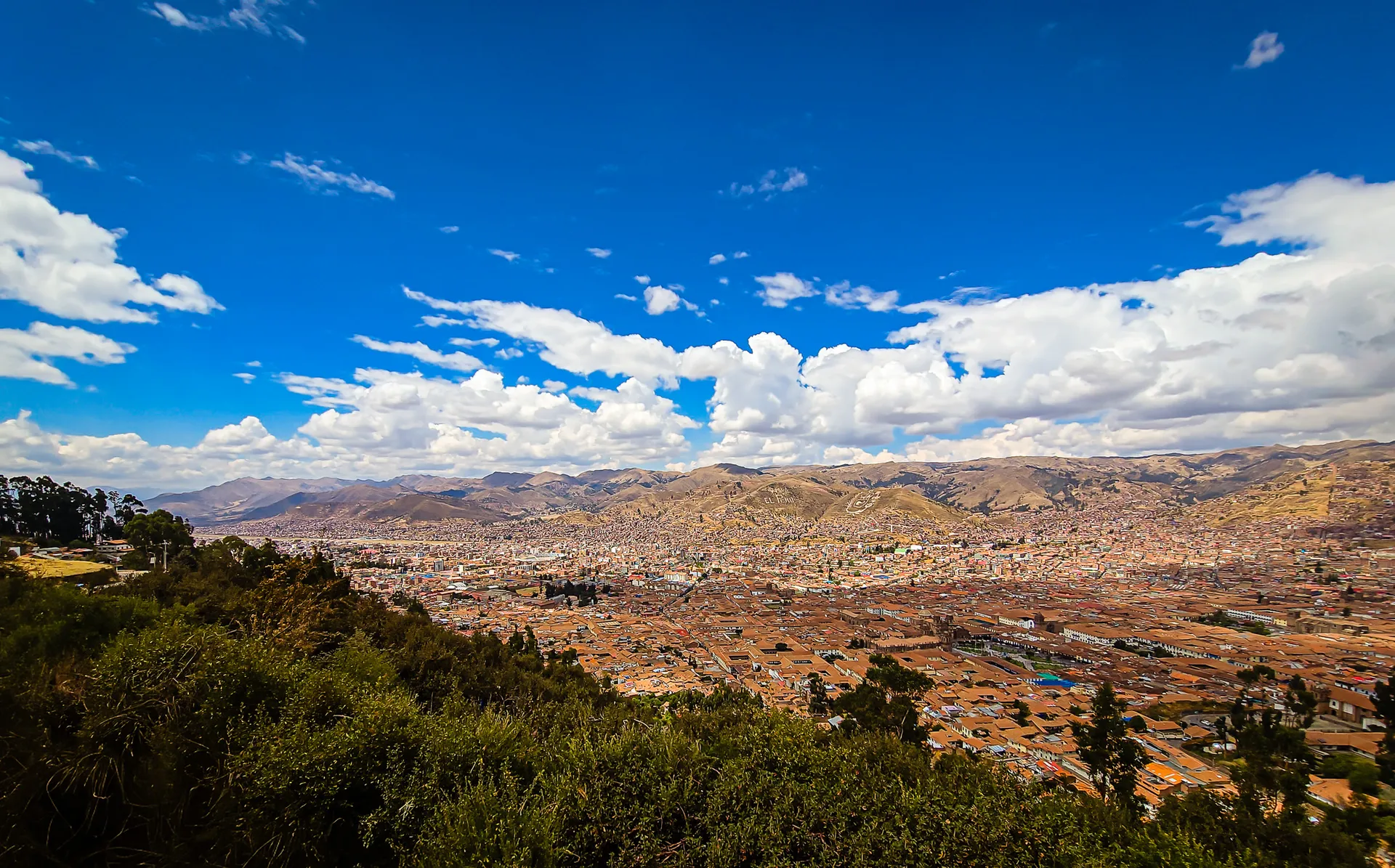
At a Glance
Dates: September 13–28, 2025
Tour Company: AB Expeditions
Altitude: 11,152 ft / 3,399 m
Best For: Adventure travelers, history lovers, hikers
Trip Style: Guided day tours + self-guided city exploring
From Hesitation to a September Adventure
Peru and the Inca Trail were never on my travel bingo card. But in April 2025, my wife said this was the expedition she really wanted to take. My first reaction? “Okay… sure.” I hadn’t pictured myself there, but like every other trip we’ve taken, the planning kicked off. This comprehensive guide covers Part 1 of our September 2025 Peru adventure: arrival in Cusco, Sacred Valley day trips, Sacsayhuamán fortress, and the challenging Palcoyo Rainbow Mountain hike.
Once we locked in a tour company, the emails started flying as we dialed in our September 13–28 itinerary. September in Cusco hits the sweet spot: sunny days, crisp nights, and way fewer crowds than peak season. After tackling the Inca Trail under clear skies, I can’t imagine trekking it with rain pouring down.
We gave ourselves five days in Cusco to adjust to the altitude. At roughly 11,152 feet, the elevation demands respect, and we were determined not to let altitude sickness derail a trip of a lifetime. To help with acclimatization, we followed a well-paced itinerary that allowed us to explore the city while gradually adapting to the thinner air.
Latam the Southwest of South America
We considered flying LATAM nonstop from LAX to Lima, but the numbers didn't make sense. The nonstop takes about 8.5 hours, yet fares often start above $700.
United consistently had lower prices for our travel dates, even with a connection, so we chose United. The tradeoff is timing. United typically arrives in Lima close to midnight, making an overnight stay before the flight to Cusco almost unavoidable.
From there, we booked an early morning LATAM departure at 5:15 AM as part of the airline's regular predawn schedule. Reliable? Yes. Gentle? Not even a little. In the end, the United and LATAM combination proved to be the best balance of cost and convenience, even if it meant starting our first day in Cusco on very little sleep.
First Morning in Cusco
Arriving in Cusco was fairly straightforward. We had arranged transportation through Booking.com, though it took a little back and forth with the driver before we finally connected. By 7:30 AM, we were checking in at the hotel. The front desk staff couldn't have been more welcoming. I explained that we had arrived early and would be leaving our bags while we explored the city and grabbed breakfast. Their response was a simple, "Of course." From that moment on, the Boutique Golden Garden Hotel set the tone for a great stay in Cusco, and I highly recommend it.
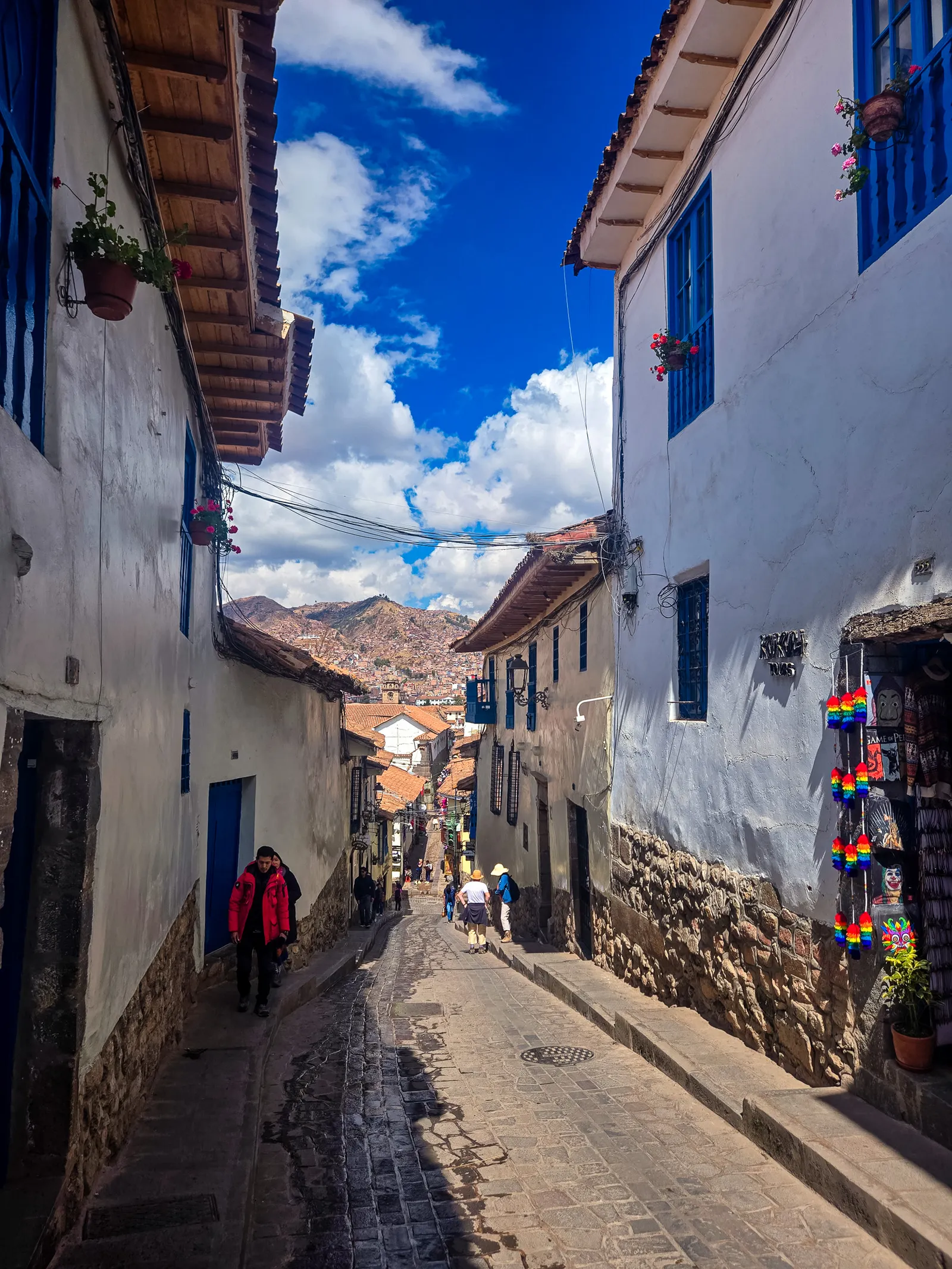
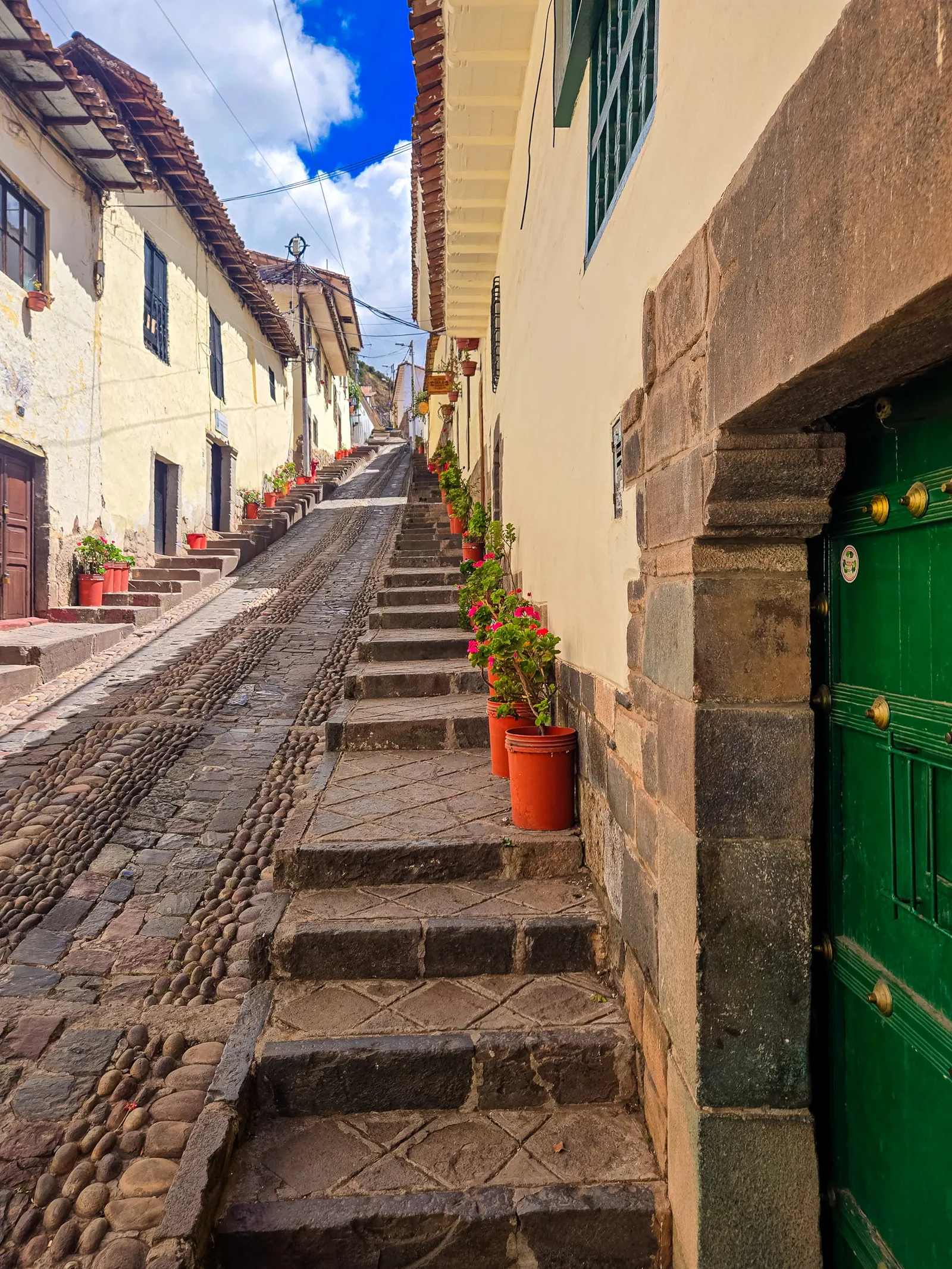
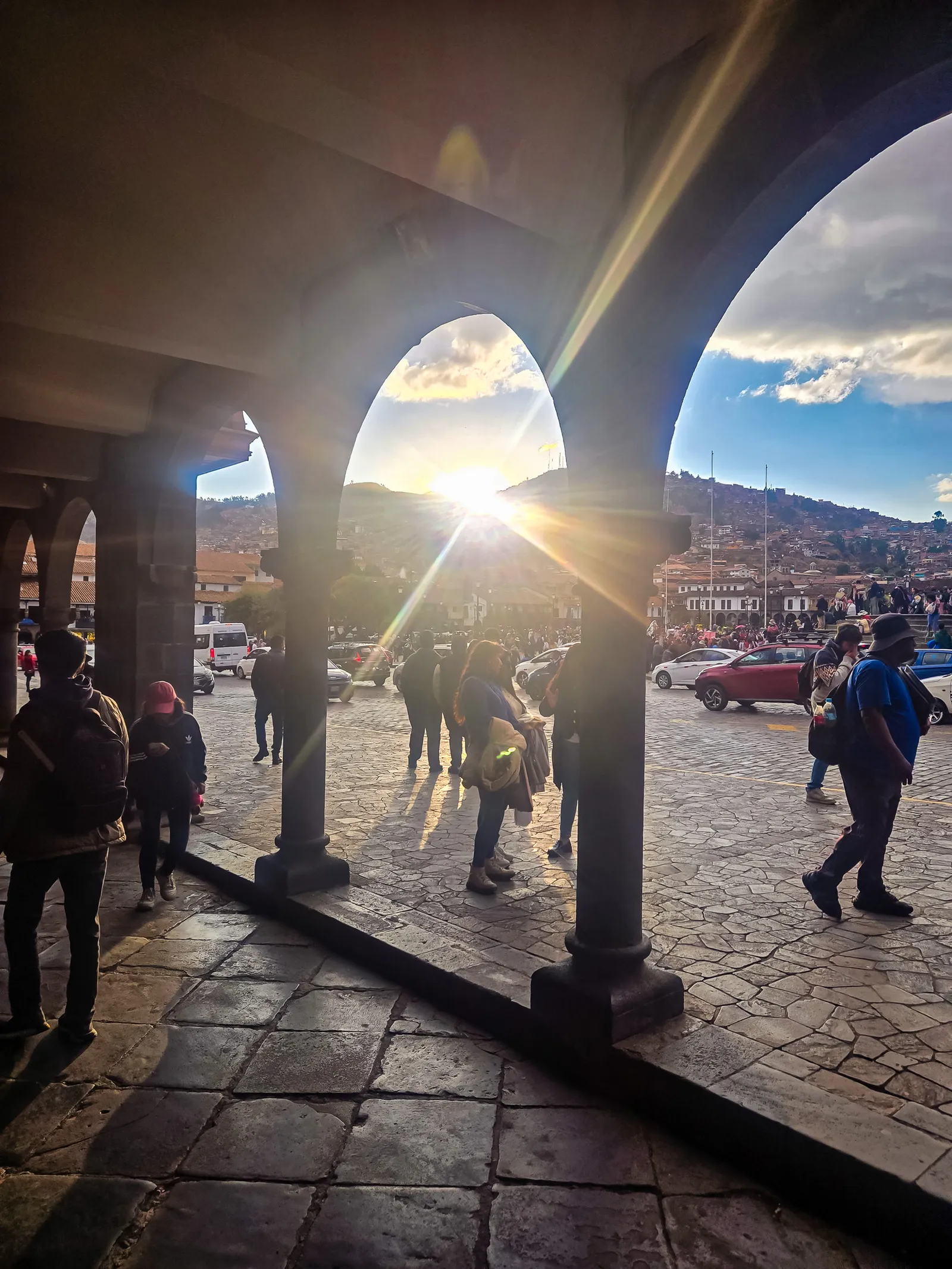
I chose the Boutique Golden Garden because it's removed from the constant activity of Plaza de Armas. The main square is the heart of Cusco, filled with locals and tourists at all hours, but I wanted a quieter base. The tradeoff is its hillside location, and you'll feel every uphill step. Before heading out, we relaxed in the lobby with a cup of coca tea. It was the perfect introduction to both the altitude and the rhythm of the city.
First Morning in Cusco
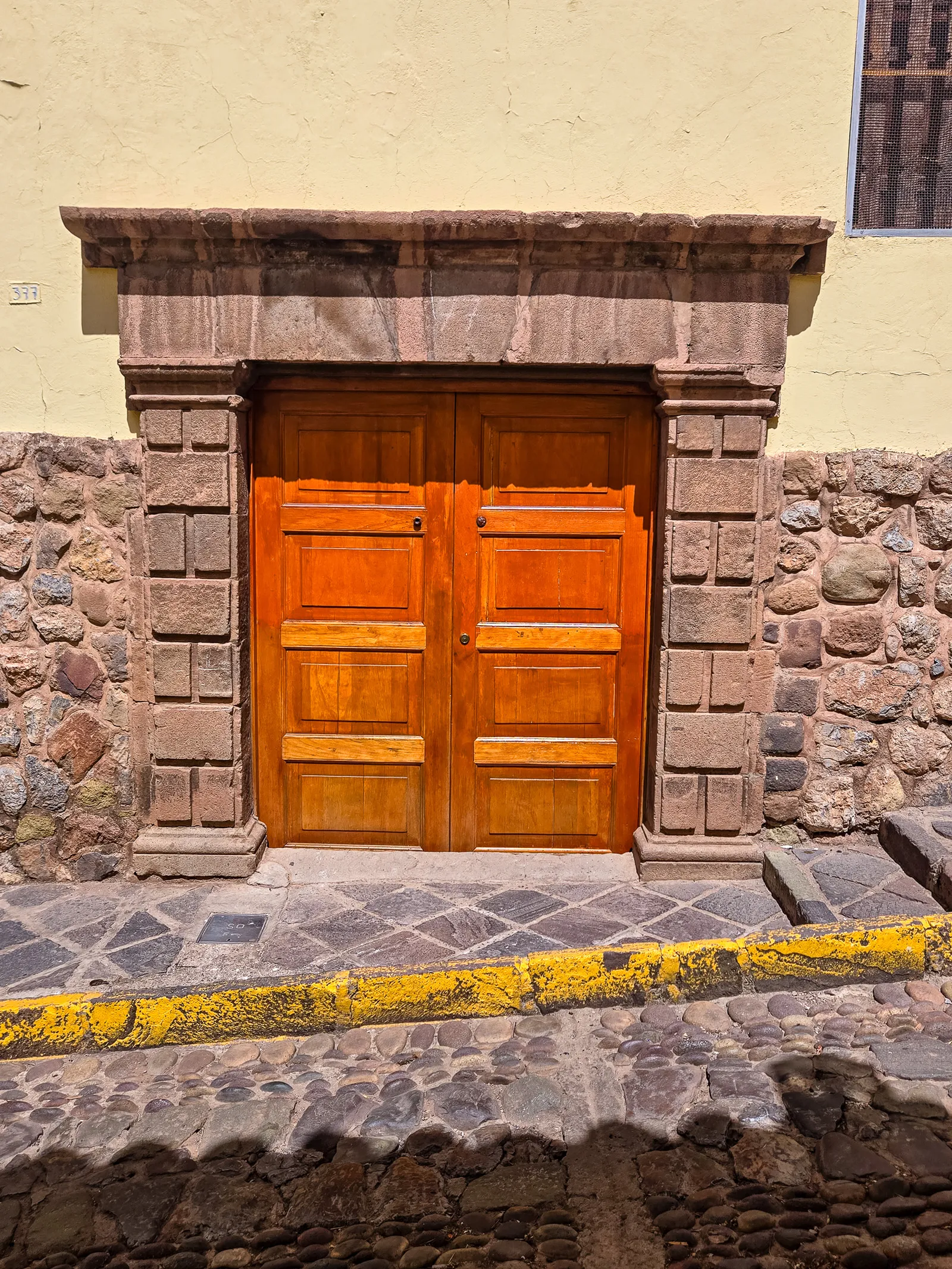
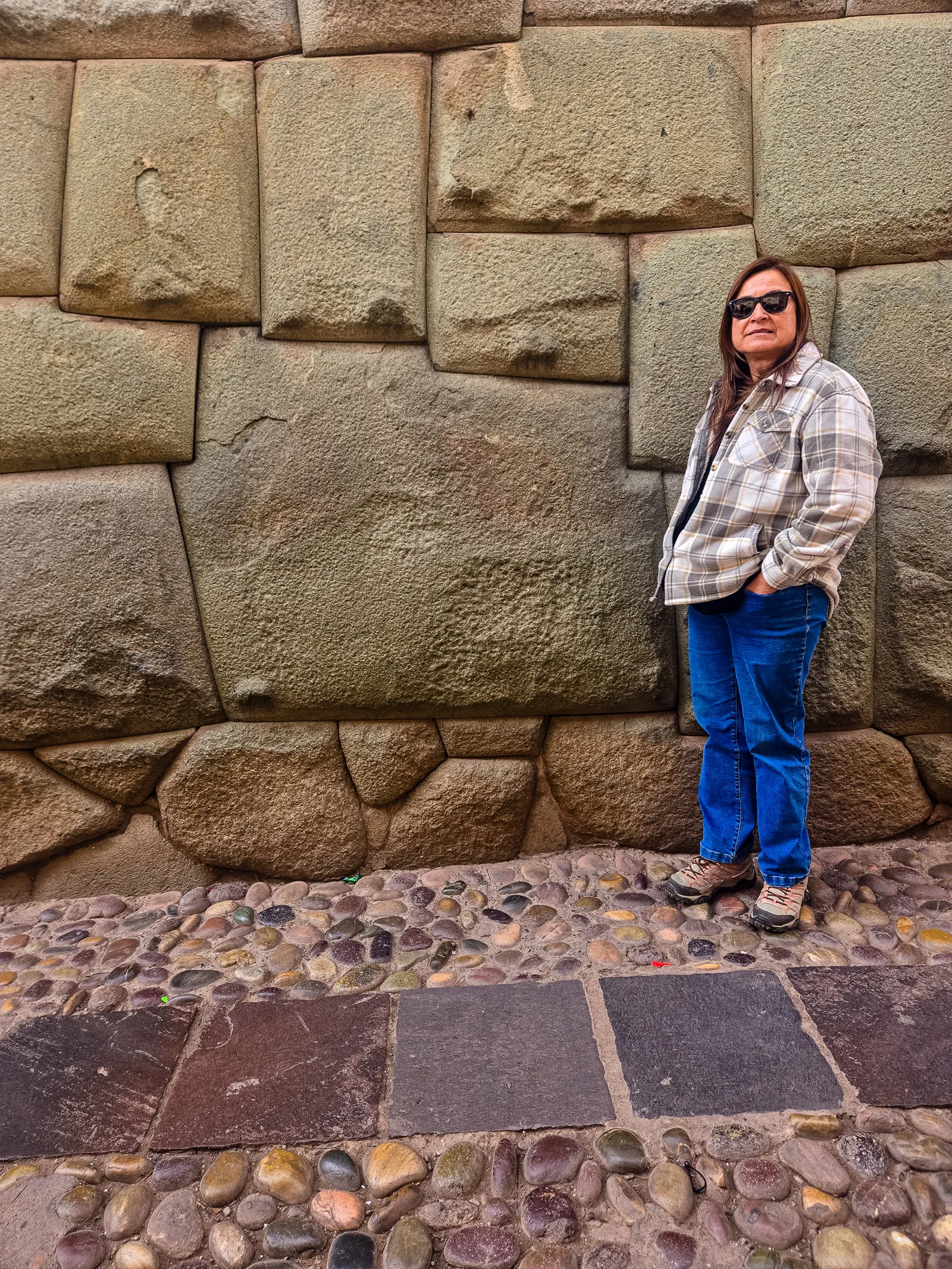
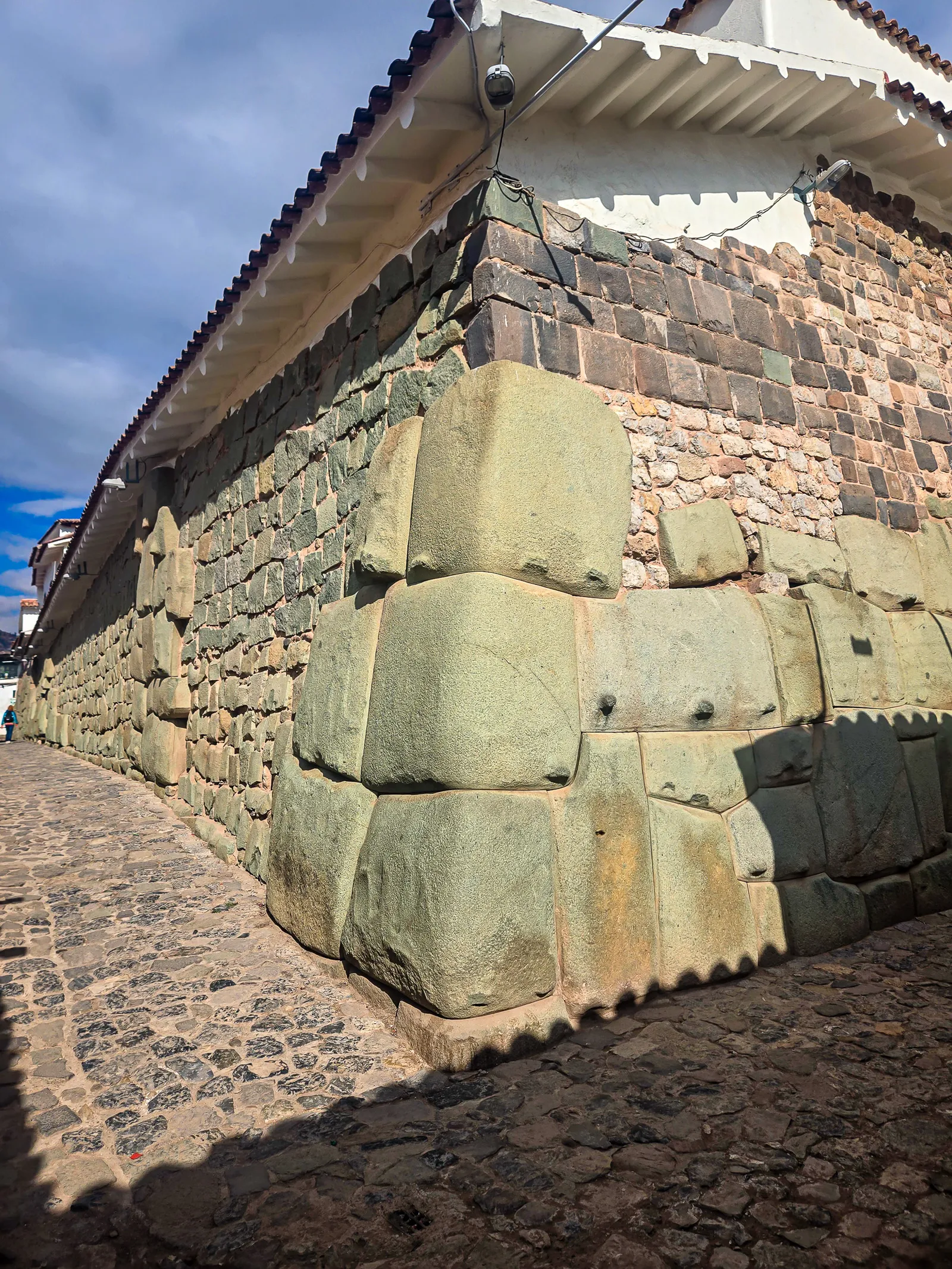
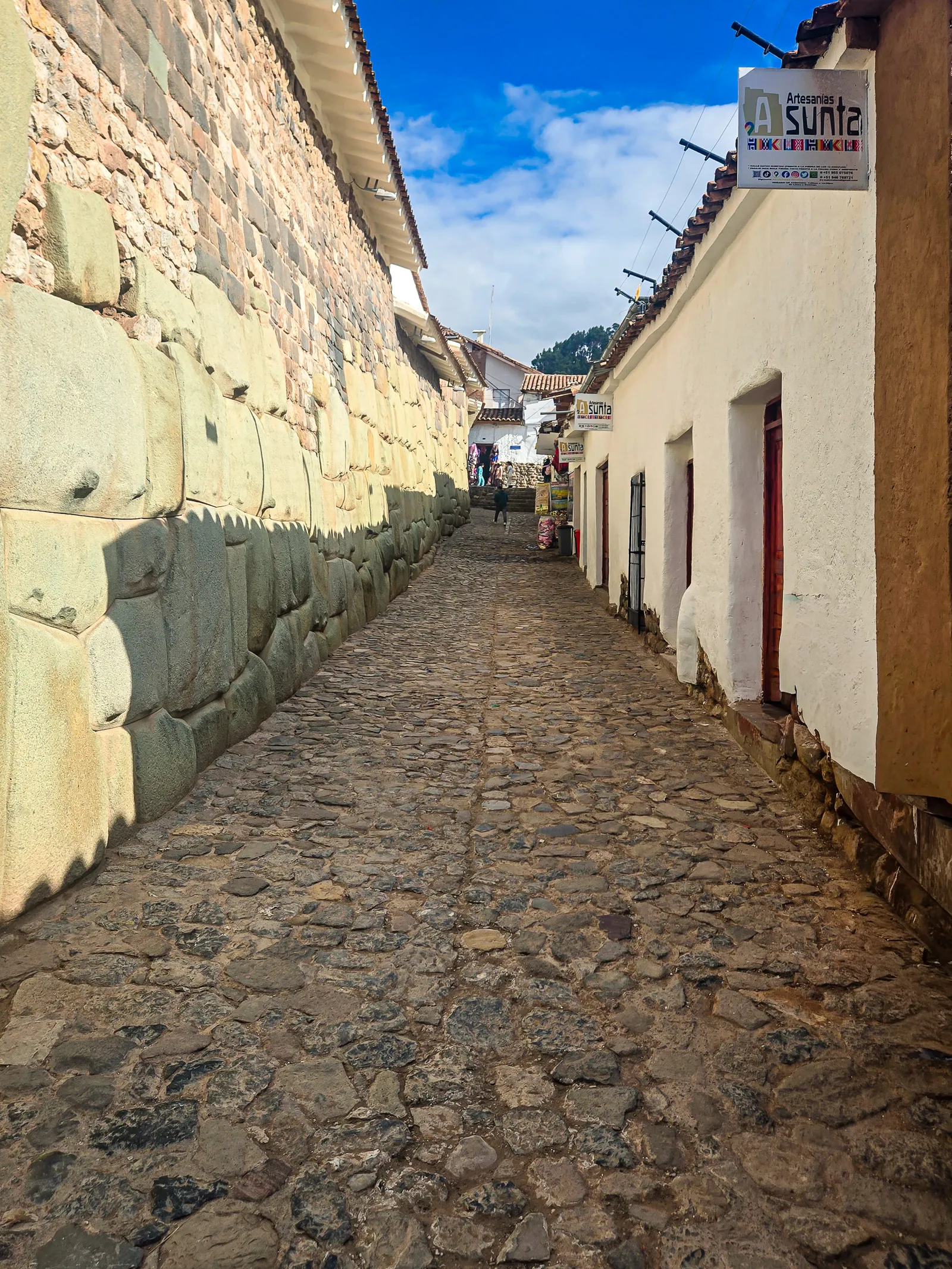
Walking toward Green Point for our first meal, we stopped at the famous Twelve Angled Stone. If my wife looks a little tired in the photo, it's because this was barely 90 minutes after landing, and jet lag is never kind to her. Afterward, we made our way back to the hotel, admiring the massive Inca stone foundations topped by lighter Spanish colonial walls, a sight found throughout much of the city.
We’d hoped for early check-in but had to wait until about an hour before the official arrival time of 12PM. Not ideal after an overnight layover and early flight, but better than nothing. Pro tip: consider booking your hotel room for the night before you arrive so you can check in immediately and crash after a long, exhausting travel day.
Odd Introduction to Chulls
After resting, we headed back out for dinner. First stop was the Centro Cultural to buy our 10-day tourist ticket; a no-brainer since we’d already planned visits to Sacsayhuamán and the Sacred Valley.
A short walk along Avenida El Sol brought us to the Centro Histórico, home to Chull's. It's a bit pricey, but the food is good and the courtyard seating adds to the experience. The entrance, however, is confusing. You walk through a small cluster of shops into a larger courtyard filled with more stalls, where one entire side belongs to a different restaurant. When I approached someone setting tables and mentioned our reservation, she looked confused. “Chull’s?” I asked. “Oh no, we’re Tejas y Piedras,” she replied. A strange layout that makes for an awkward arrival, but once seated, the experience improves.
Walking back, we stopped in a few shops and bought postcards from an overly eager vendor. Don’t be fooled; they spot tourists instantly, and prices magically inflate the moment they see you coming.
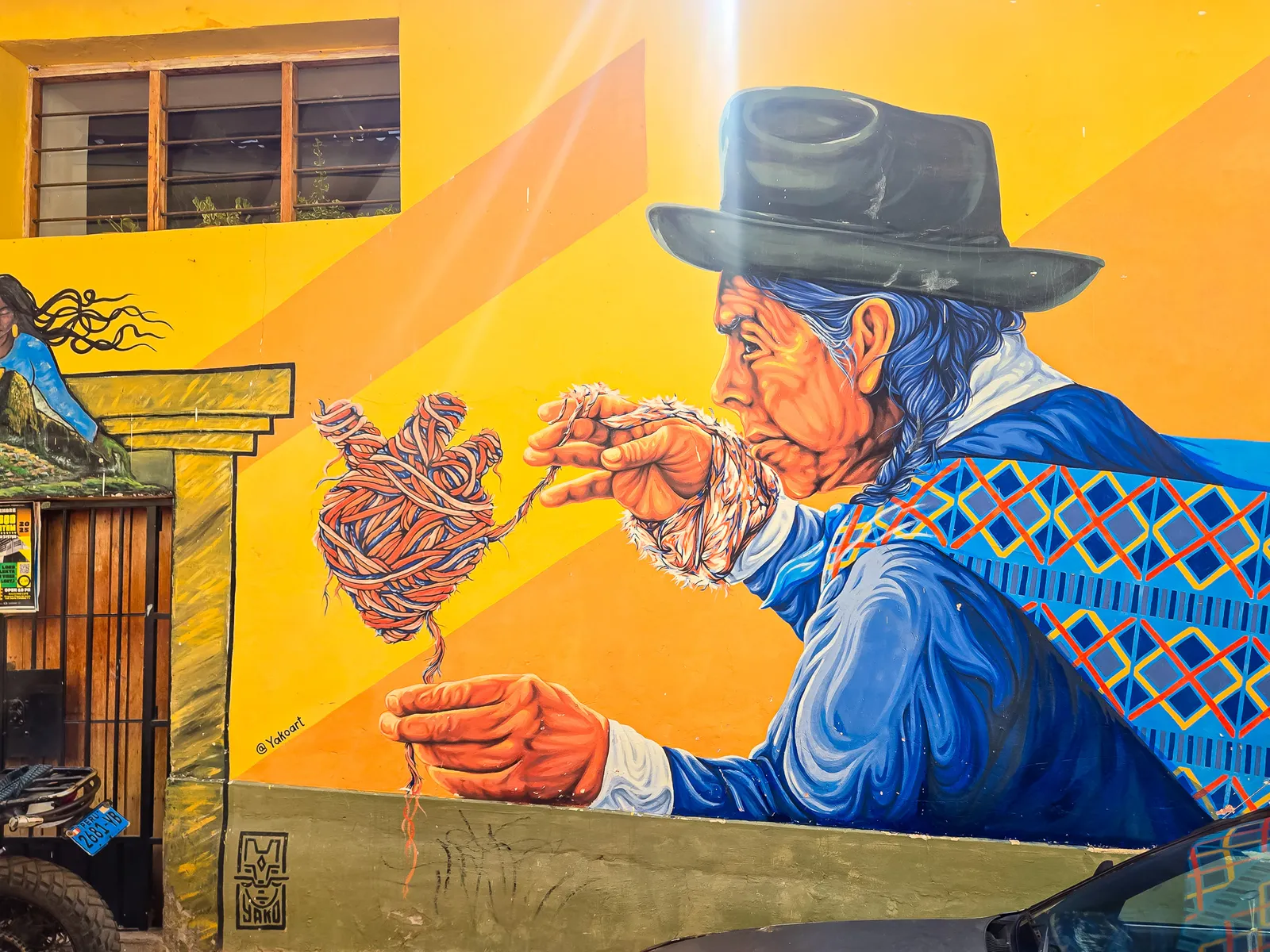
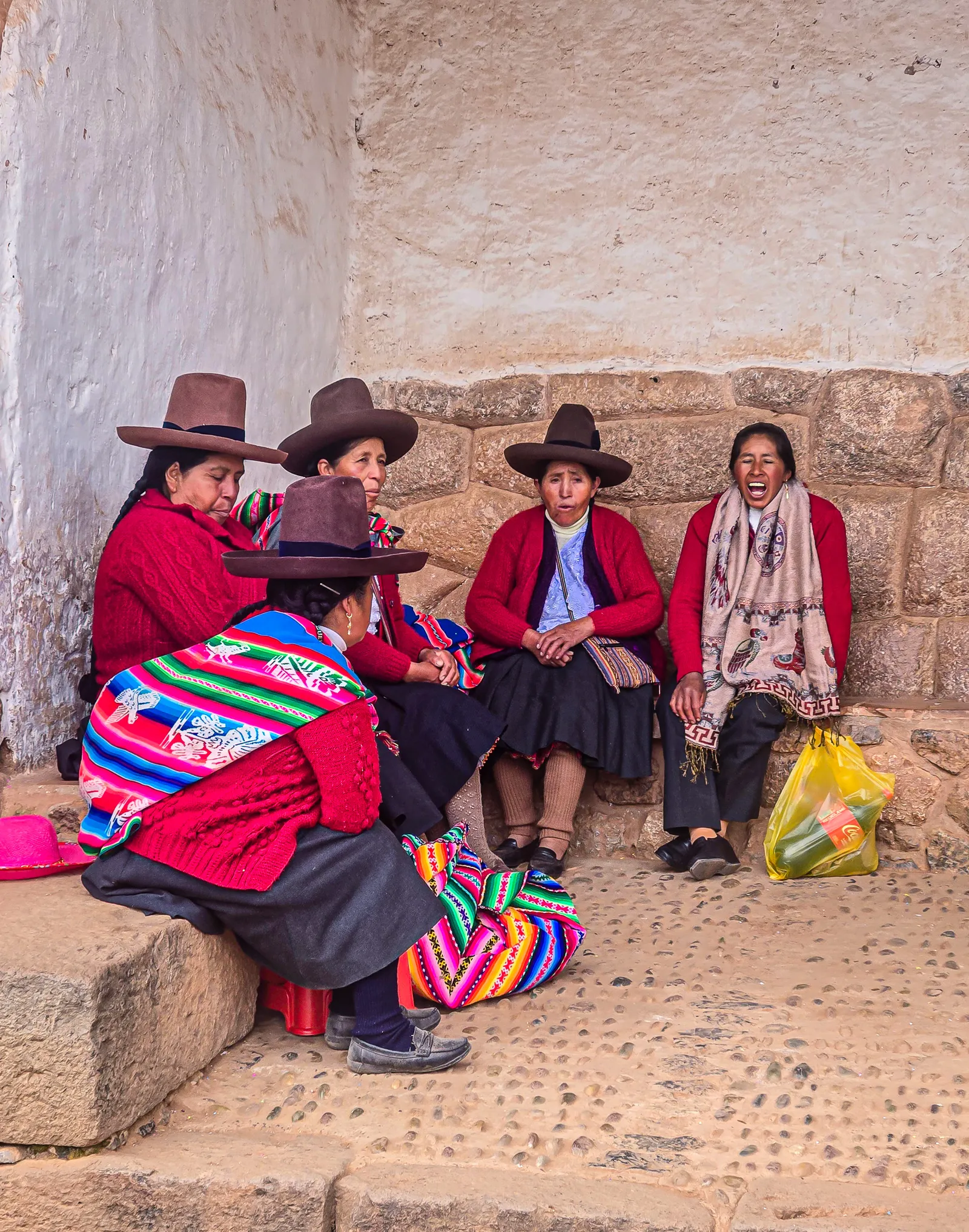
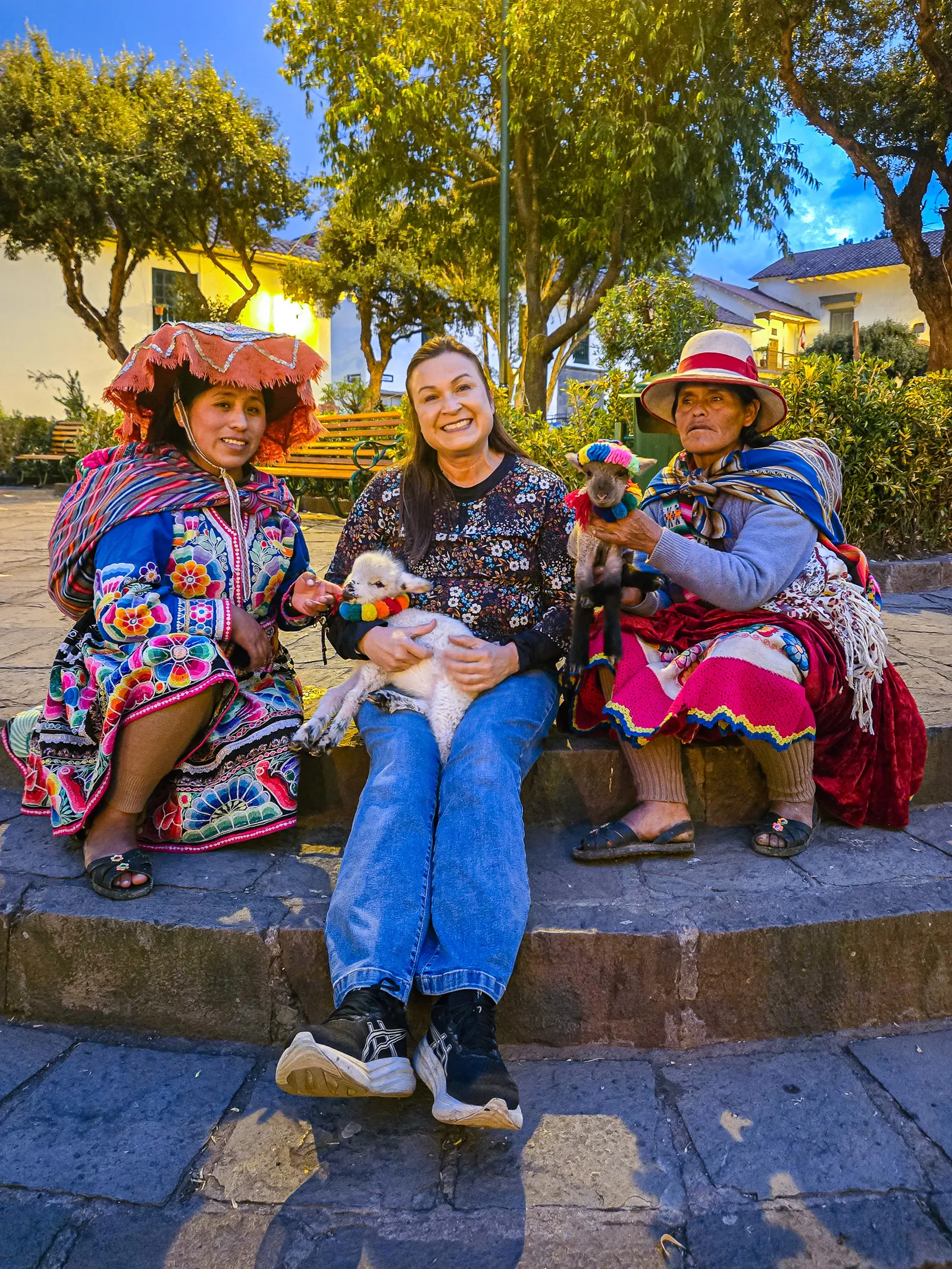
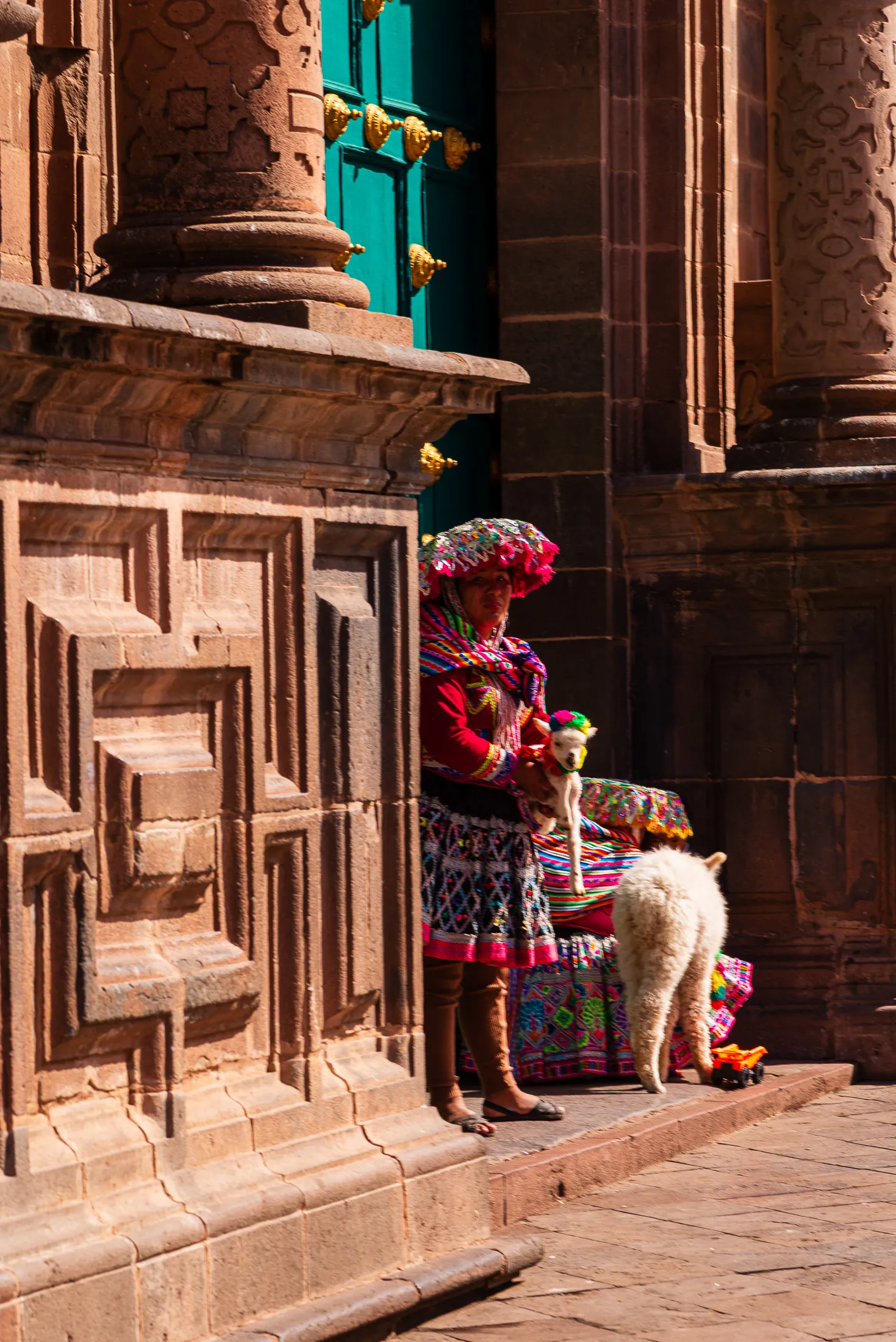
Just before reaching the hotel, we encountered two Quechua women, or cholitas, dressed in their vibrant traditional Andean outfits. They’re part of the city’s living culture, proudly representing Peru’s Indigenous heritage while earning a livelihood by offering tourists the chance to snap a photo with them. In this instance, they both were holding a baby alpaca. Those little creatures are impossibly cute; we couldn’t resist the photo opportunity. Be warned, these cholitas will wear you down for more money, so make sure you agree on a price, no matter how adorable the baby alpacas are.
Andean Traditions from urban to countryside
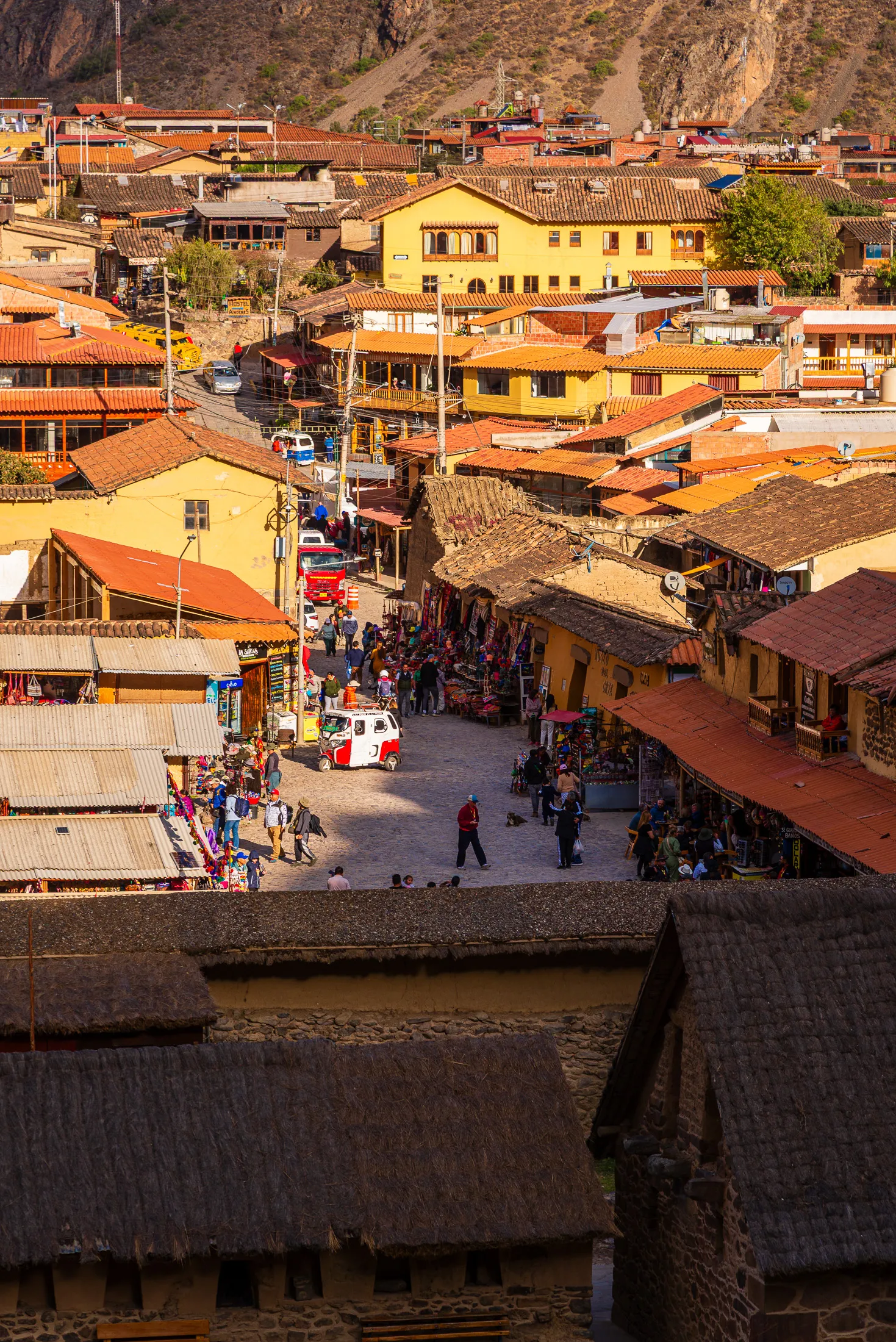
The Sacred Valley is a must visit on any trip to Cusco. Most tours follow a similar route, and ours was no exception: Chinchero, the Maras Salt Mines, Moray, Ollantaytambo, and a scenic viewpoint along the way.
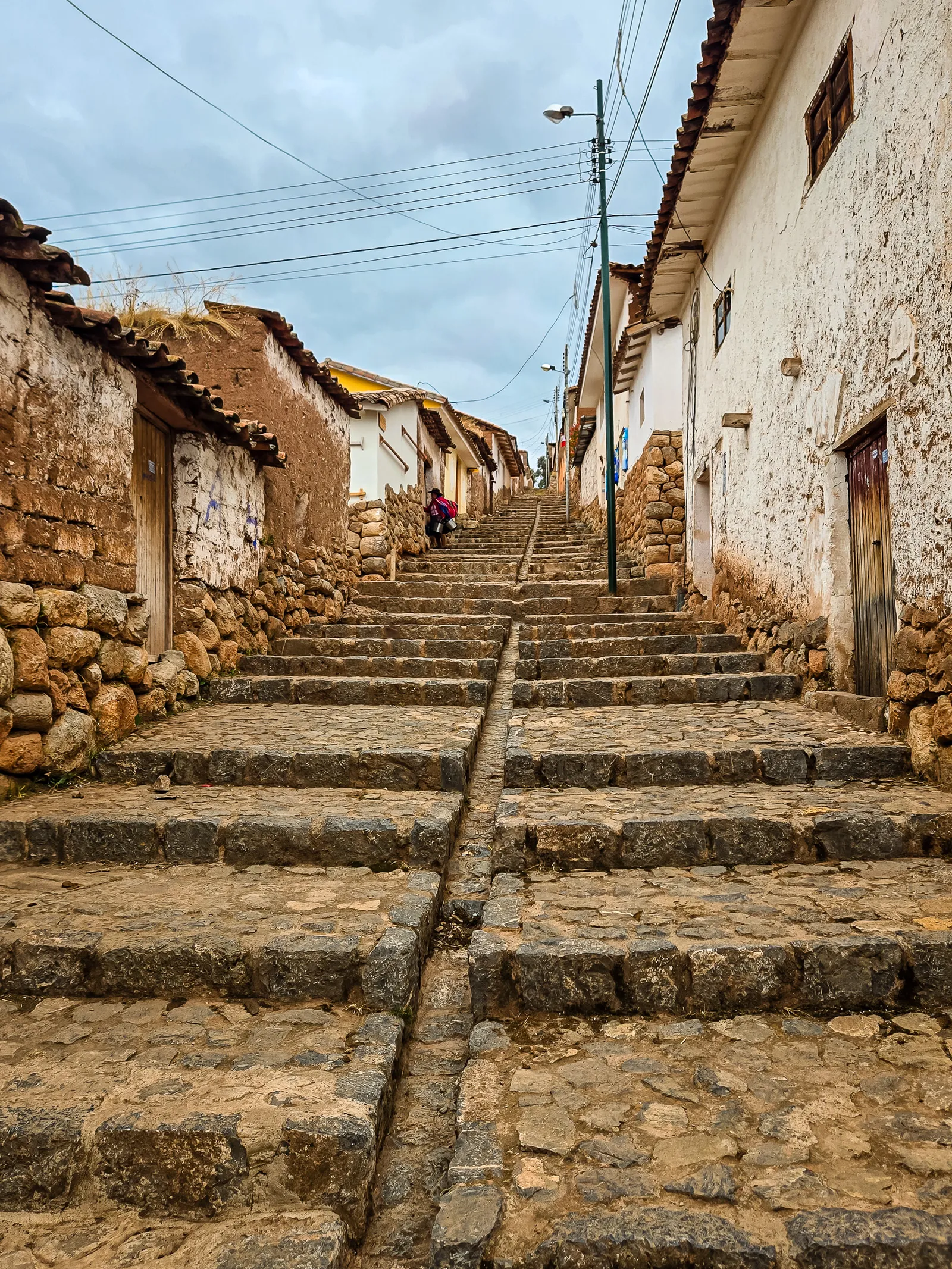
The drive begins in Cusco's neighborhoods before gradually transitioning into the countryside. Along the route, you catch glimpses of everyday Peruvian life. Markets are setting up for the day, vendors are arranging their goods, and people are already moving with purpose as they head to work or run errands. Once the city fades behind you, the landscape opens into sweeping valleys framed by dramatic mountain peaks.
We booked a semi private tour with Alex Great Tours Peru. Alex has been guiding since his teens, and it shows. He combines extensive local knowledge with an easygoing personality, making him a pleasure to spend the day with. We were joined by a Canadian couple whose journey would eventually take them to Machu Picchu.
Our first stop was Chinchero for a traditional weaving demonstration. From there, we continued to the Maras Salt Mines, Moray, and finally Ollantaytambo. My only regret is that we didn't make it to Pisac. I've heard the ruins are impressive and the market is one of the best in the valley. Unfortunately, we didn't make it there.
The day moves quickly, but each stop offers something unique. Below is a closer look at what we experienced along the way.
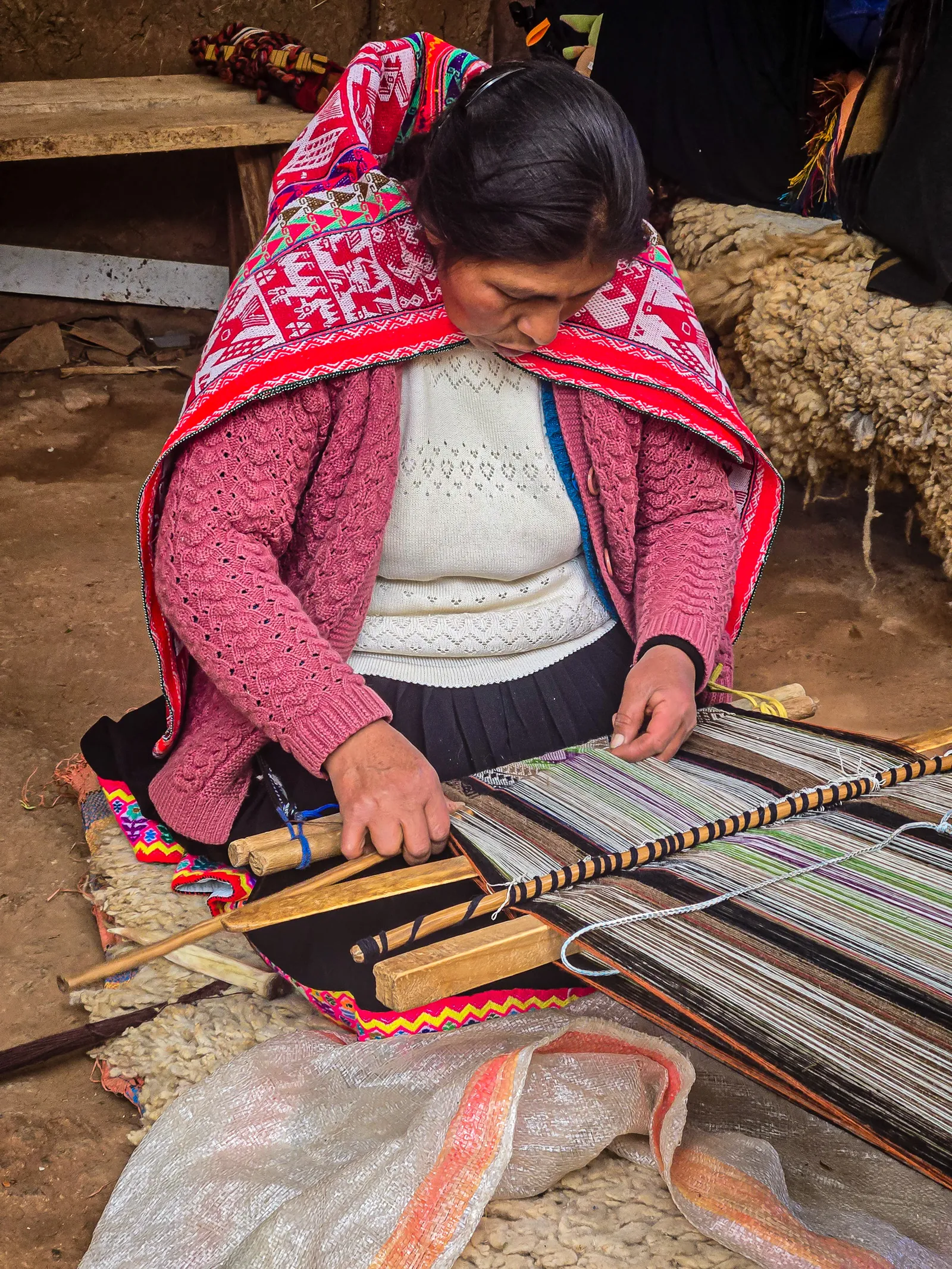
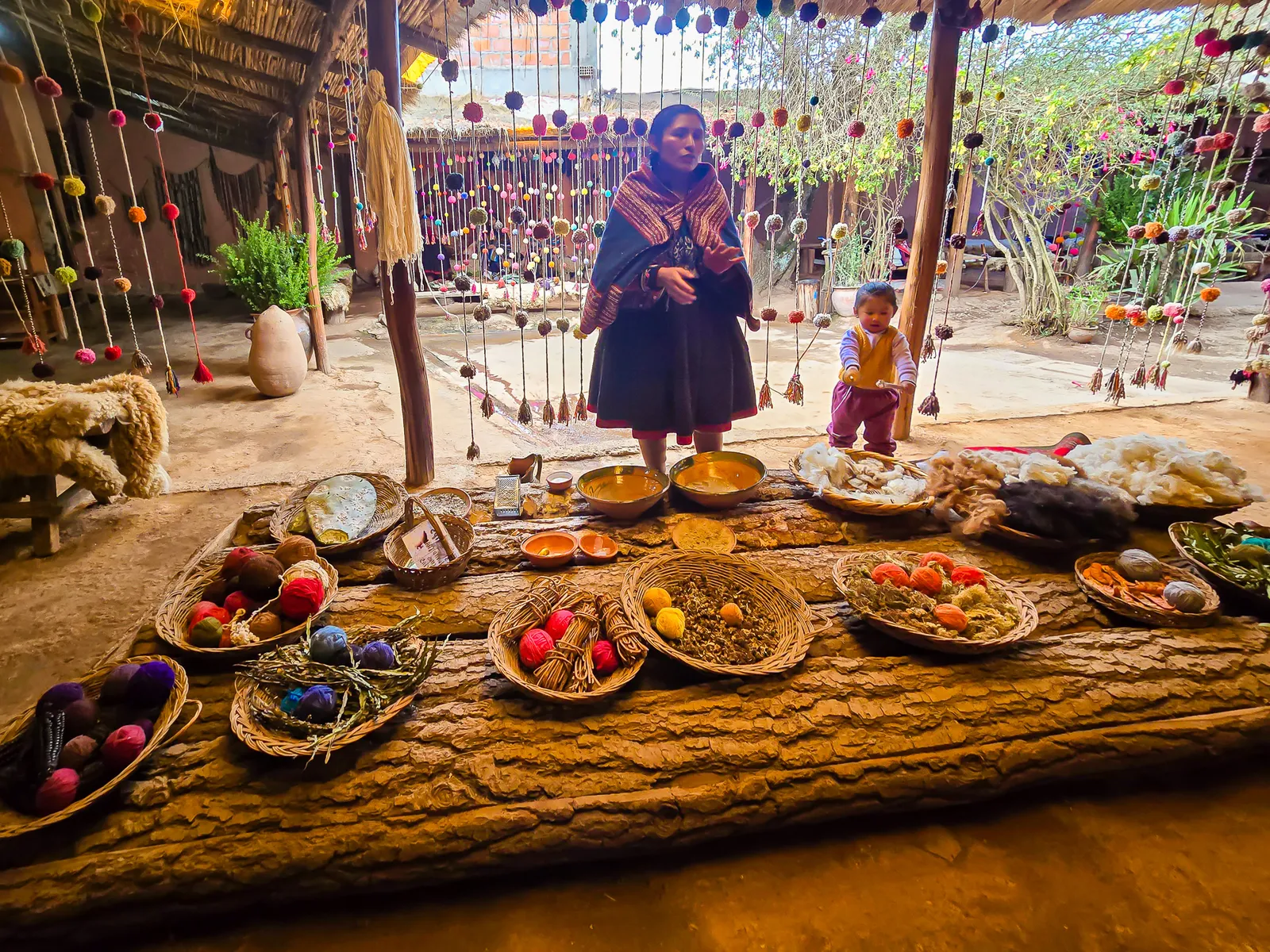
Our first stop was a weaving cooperative in Chinchero. While I had already read about the process, seeing it firsthand was fascinating. The demonstrations showed how local artisans still use insects and plants to create vibrant natural dyes. The women who work there are master craftspeople, and the level of detail in their work is remarkable.
The sales presentation comes at the end, but the craftsmanship speaks for itself. I left with three alpaca sweaters. Before we departed, the artisans performed a traditional dance and music presentation, a nice gesture for our purchases. You can also watch this part of the journey in my video, Sacred Valley Tour: Chinchero.
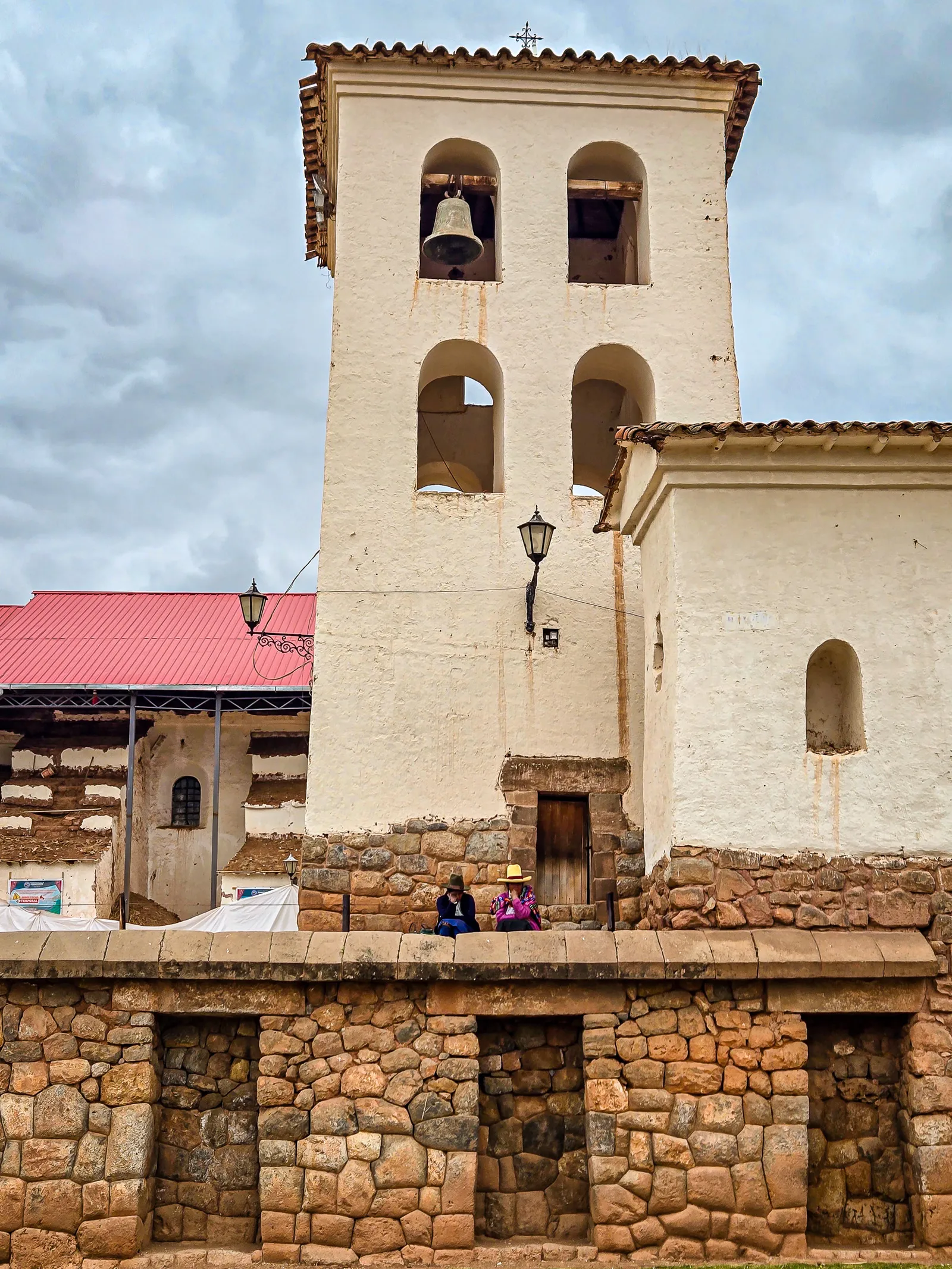
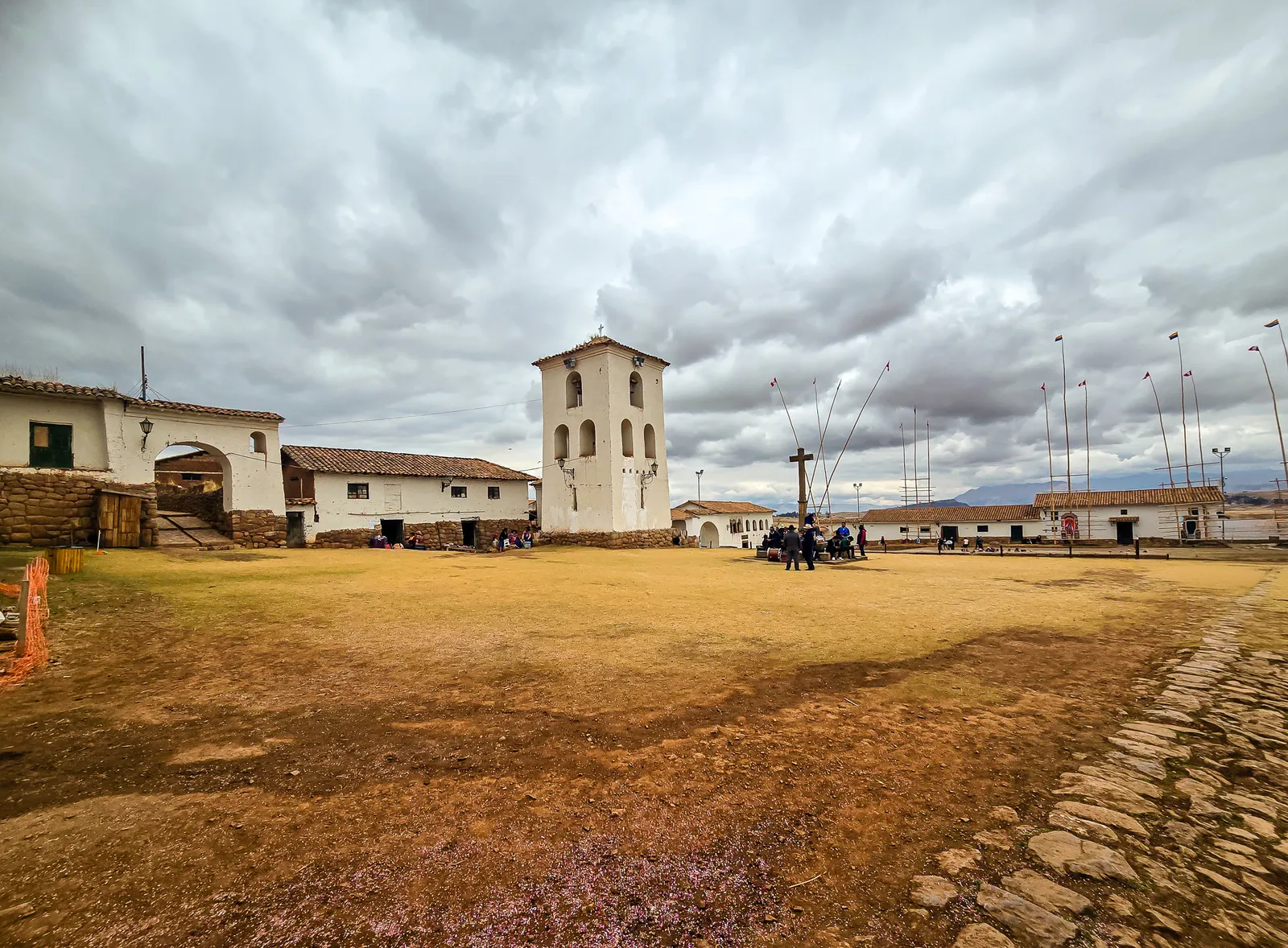
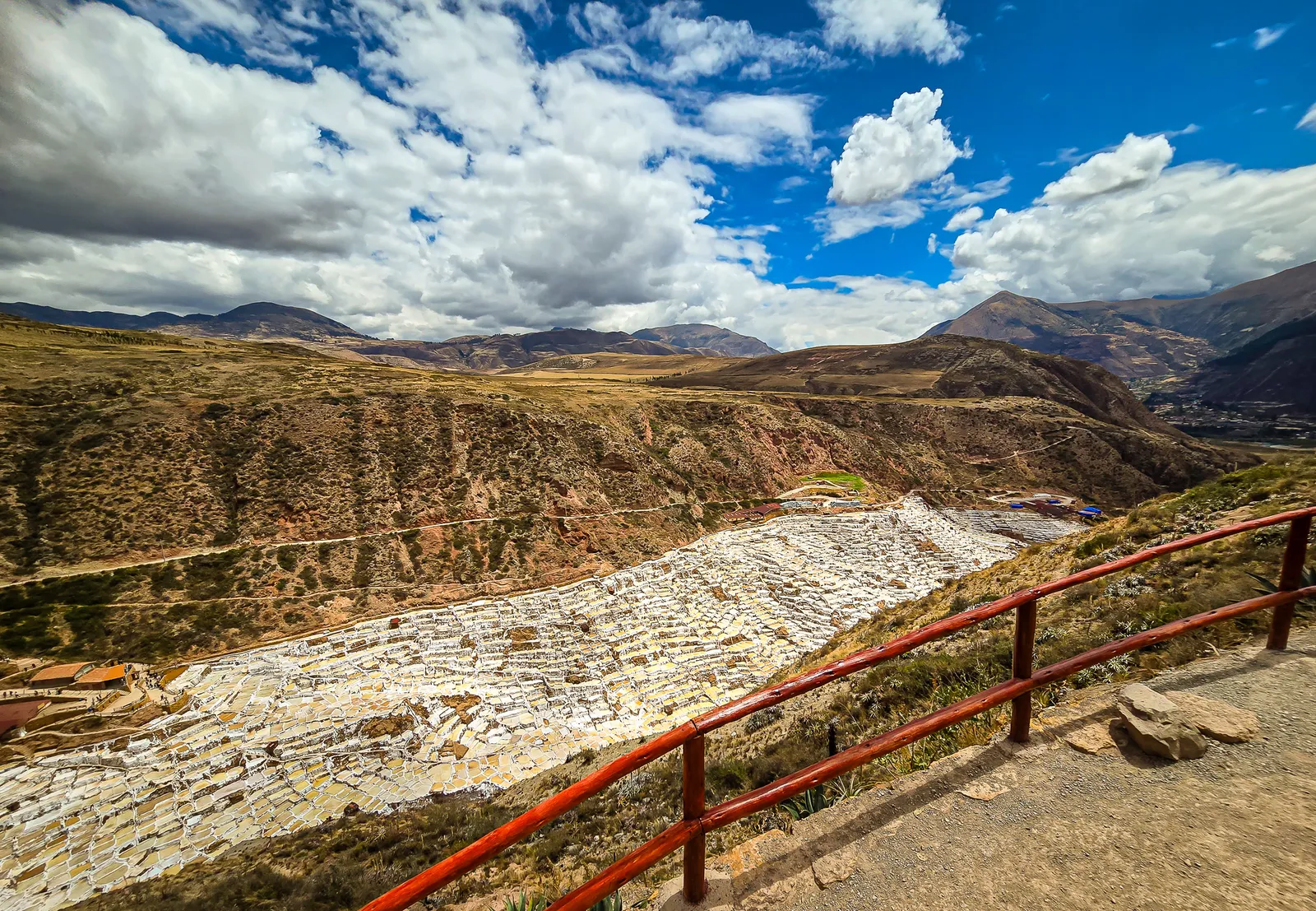
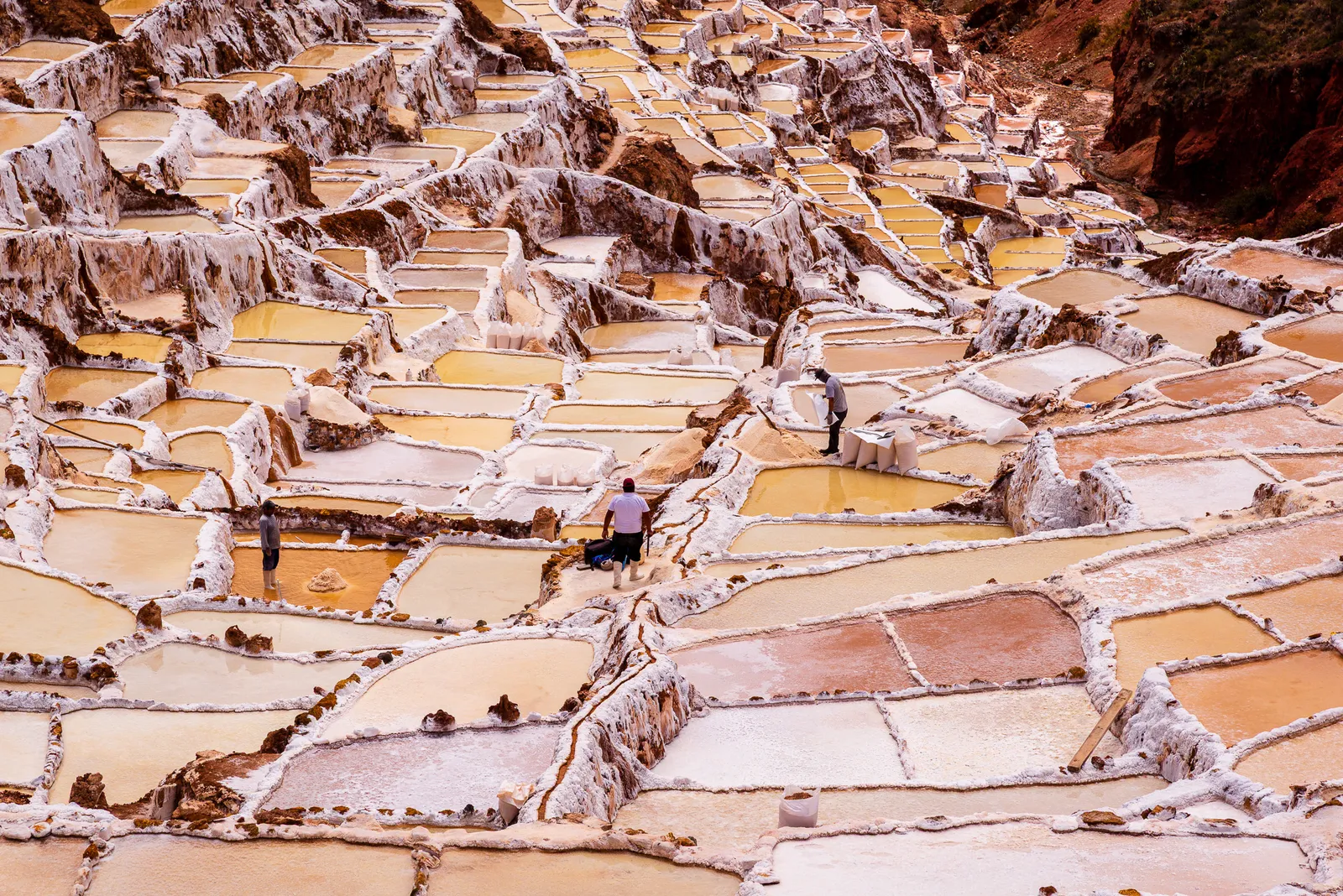
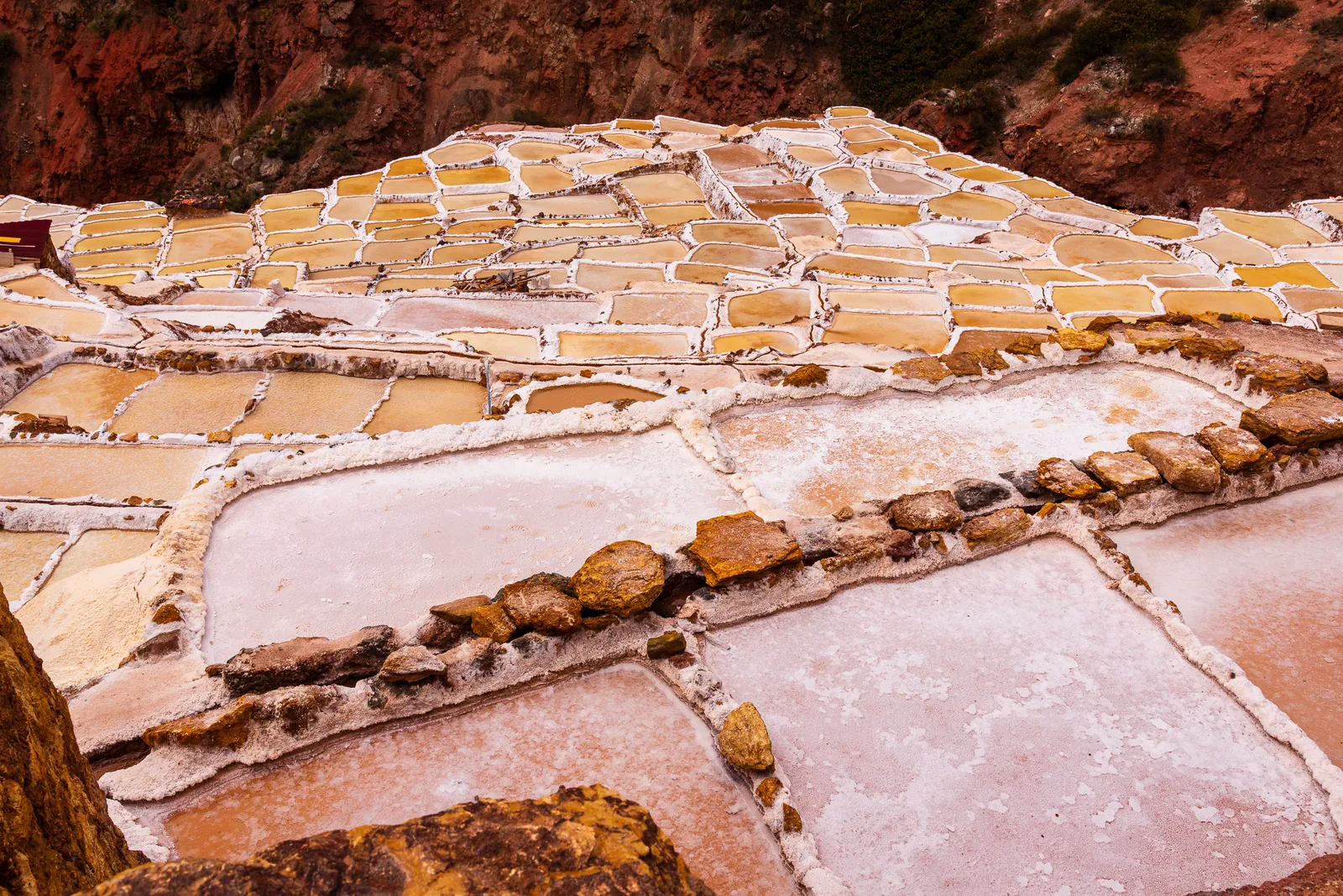
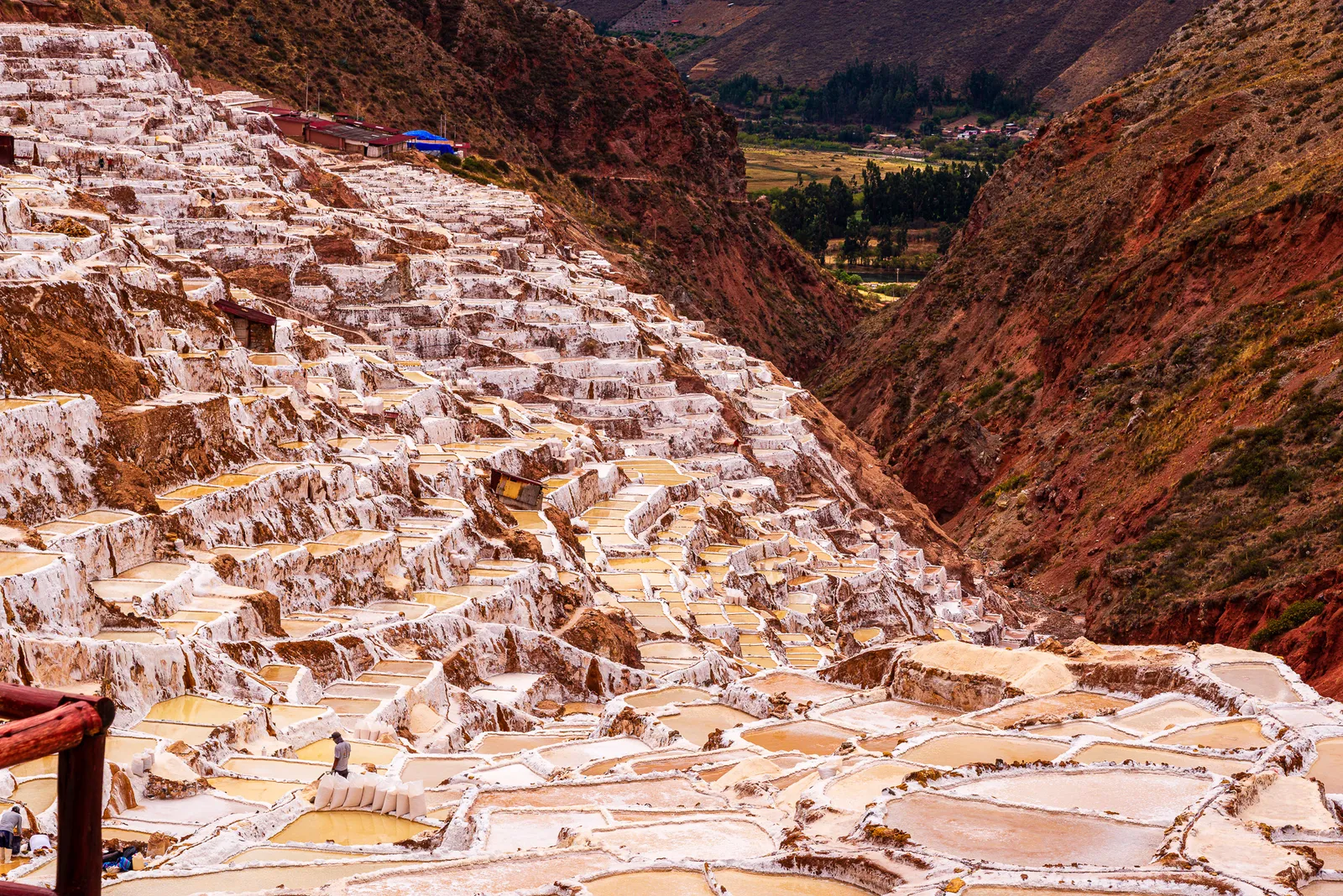
The Maras Salt Mines look surreal; thousands of white salt pools cascading down the mountainside like some alien landscape. These ponds have been harvested since Inca times, and families still own and work specific pools today. Fair warning: it’s a decent walk down, and at altitude, the walk back up hits harder than you expect.
Moray was the surprise of the day. These circular agricultural terraces drop down like a massive amphitheater, and the Incas used them as an agricultural laboratory, testing crops at different elevations and microclimates. The temperature difference between top and bottom can be 15°C. Standing at the edge, looking down into these perfect concentric circles, you realize the Incas were way more sophisticated than most people give them credit for.
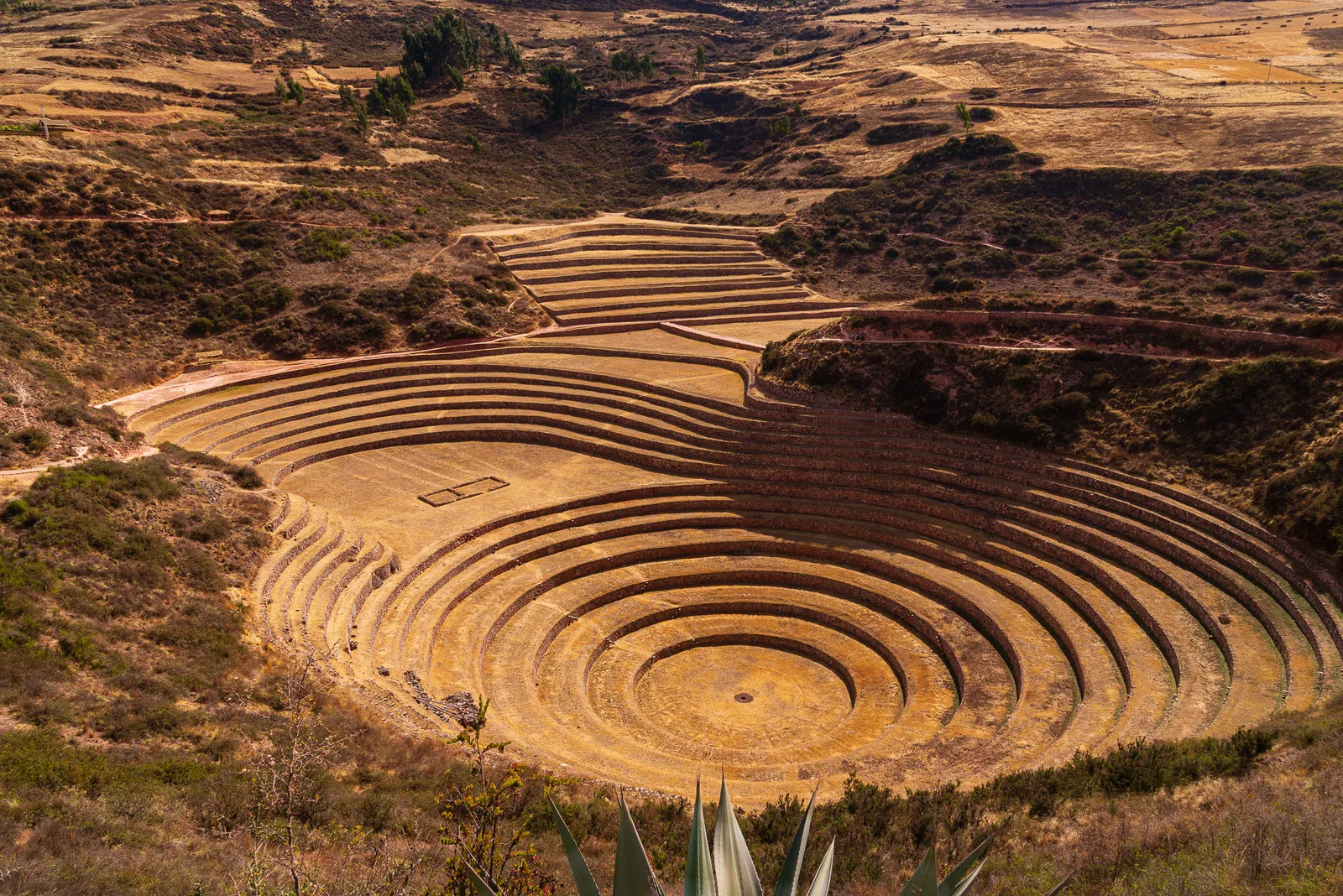
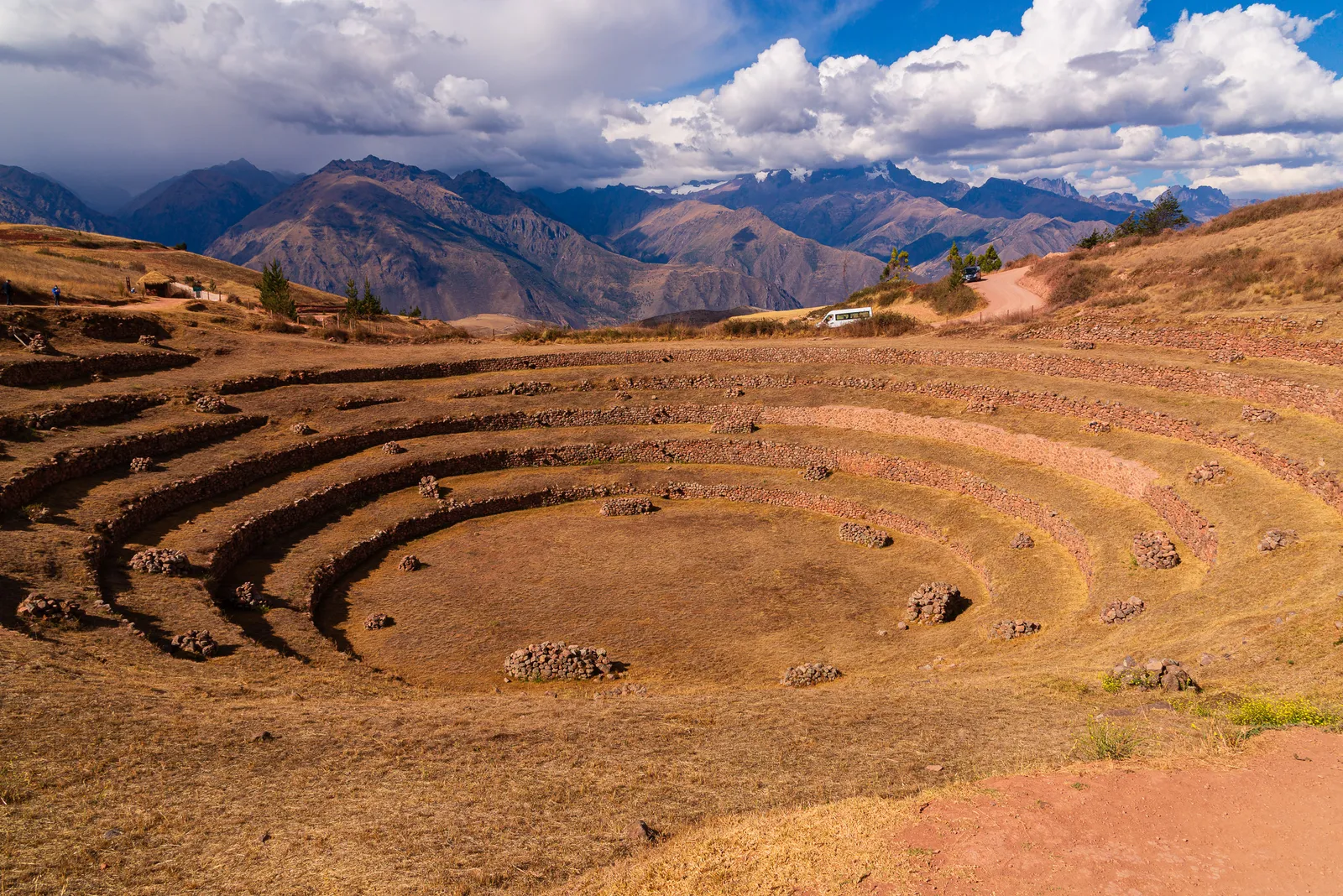
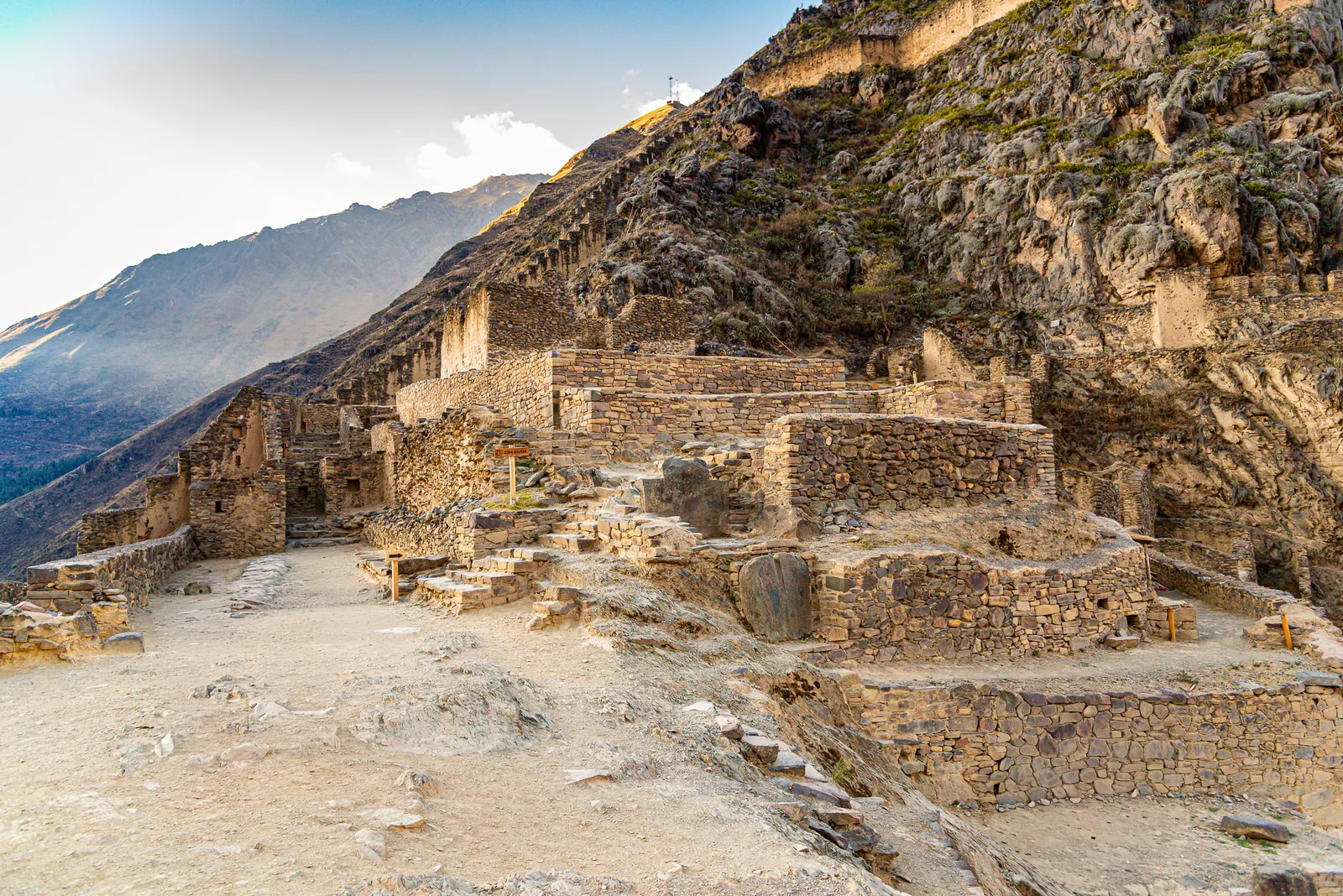
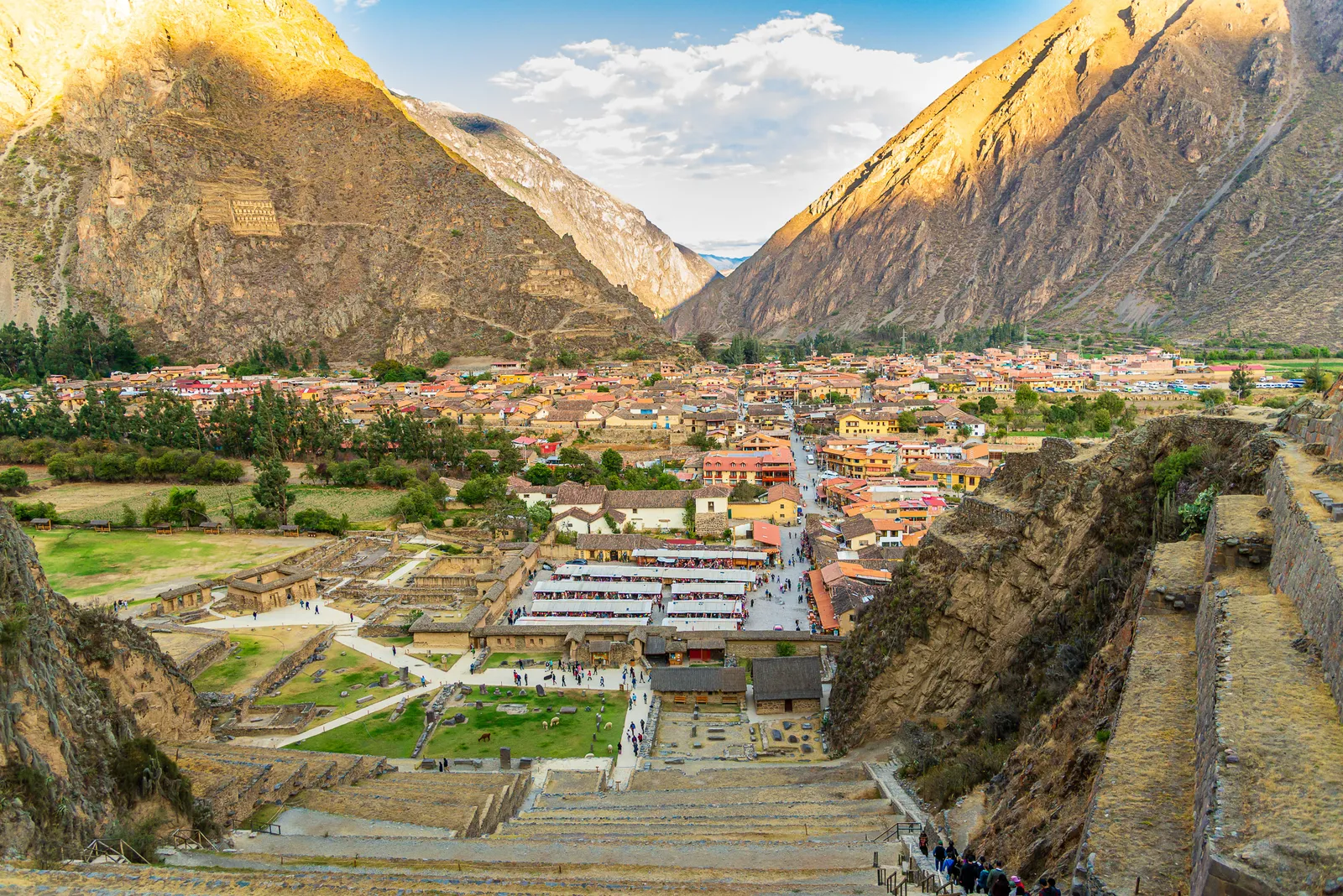
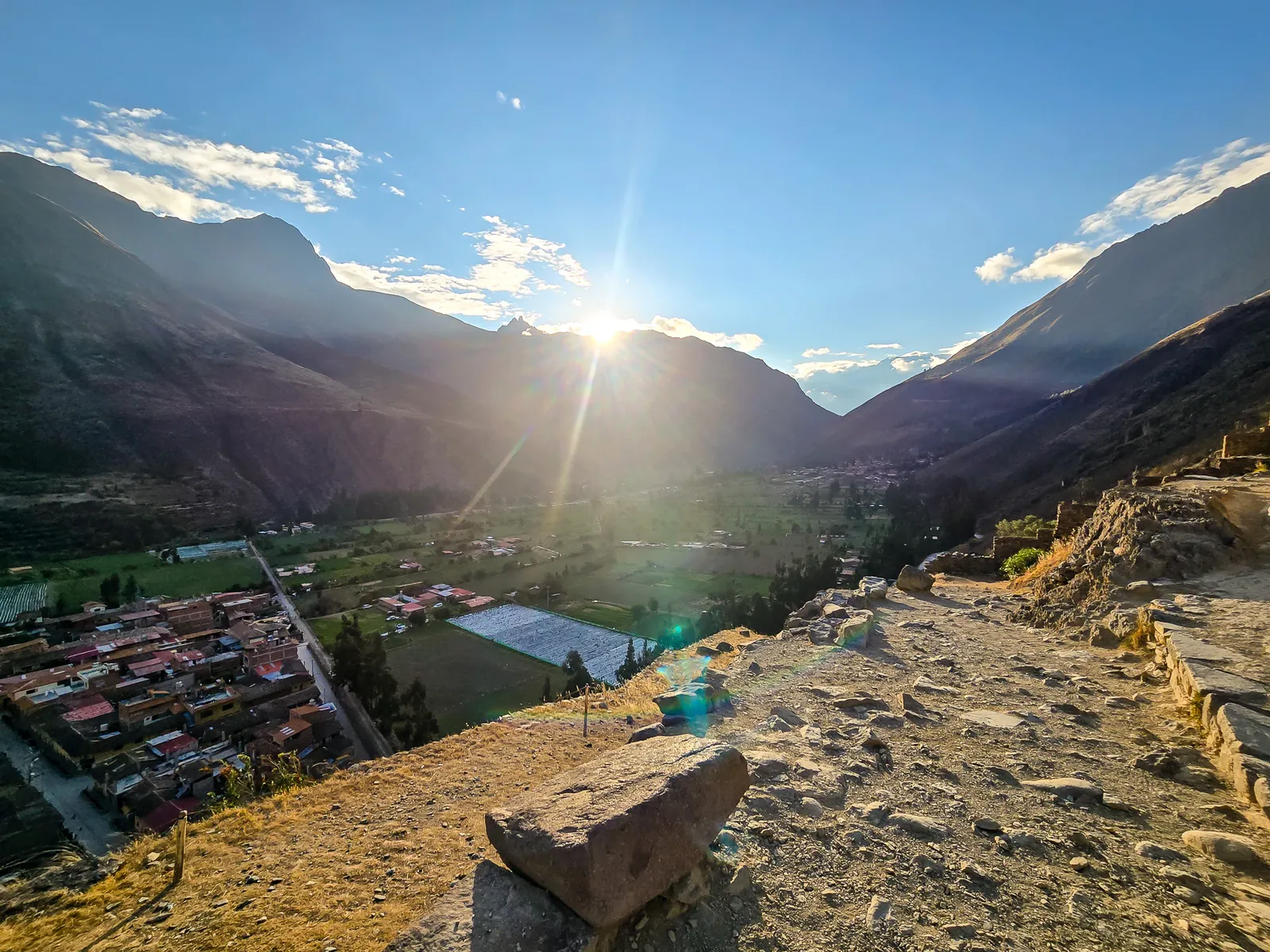
The Ollantaytambo Archaeological site was our final stop, and those stairs to the top are brutal at altitude. To which our guide said he believed I would struggle and might not make it on the Inca Trail. Jeez, thanks for the encouragement and vote of confidence.
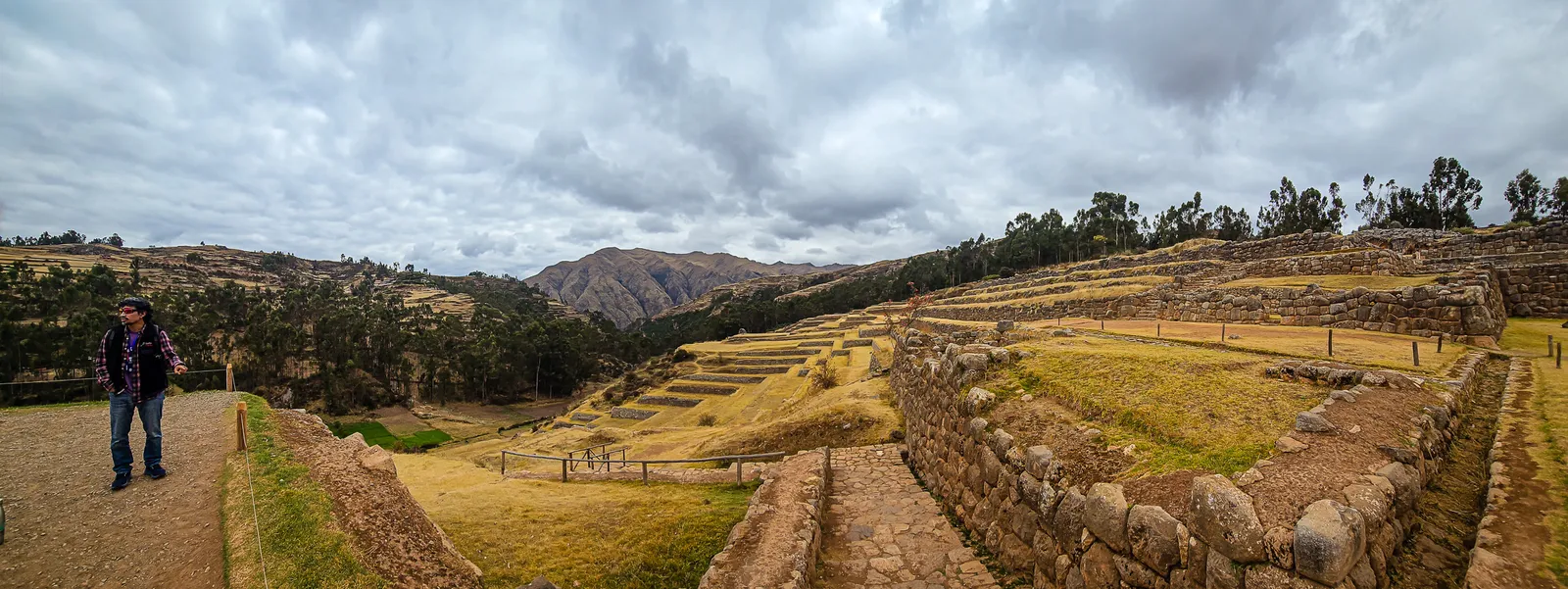
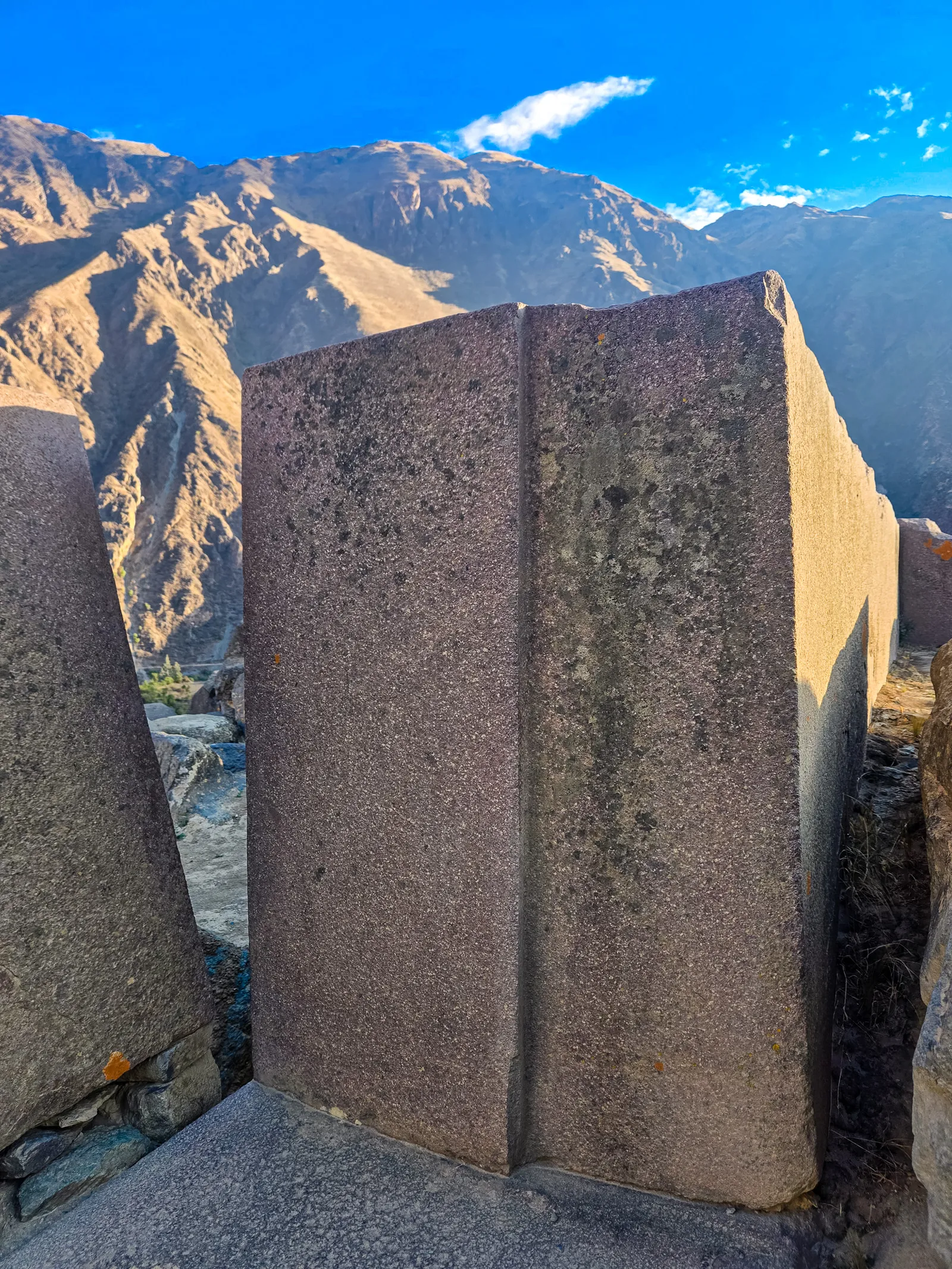
The site itself is impressive; massive stone terraces climbing up the mountainside, with a temple complex at the top that was never finished. The stones for this place came from a quarry on the opposite mountain, across the valley and river. How they moved those massive blocks remains a mystery.
Watch this part of the journey
Andean Traditions from urban to countryside
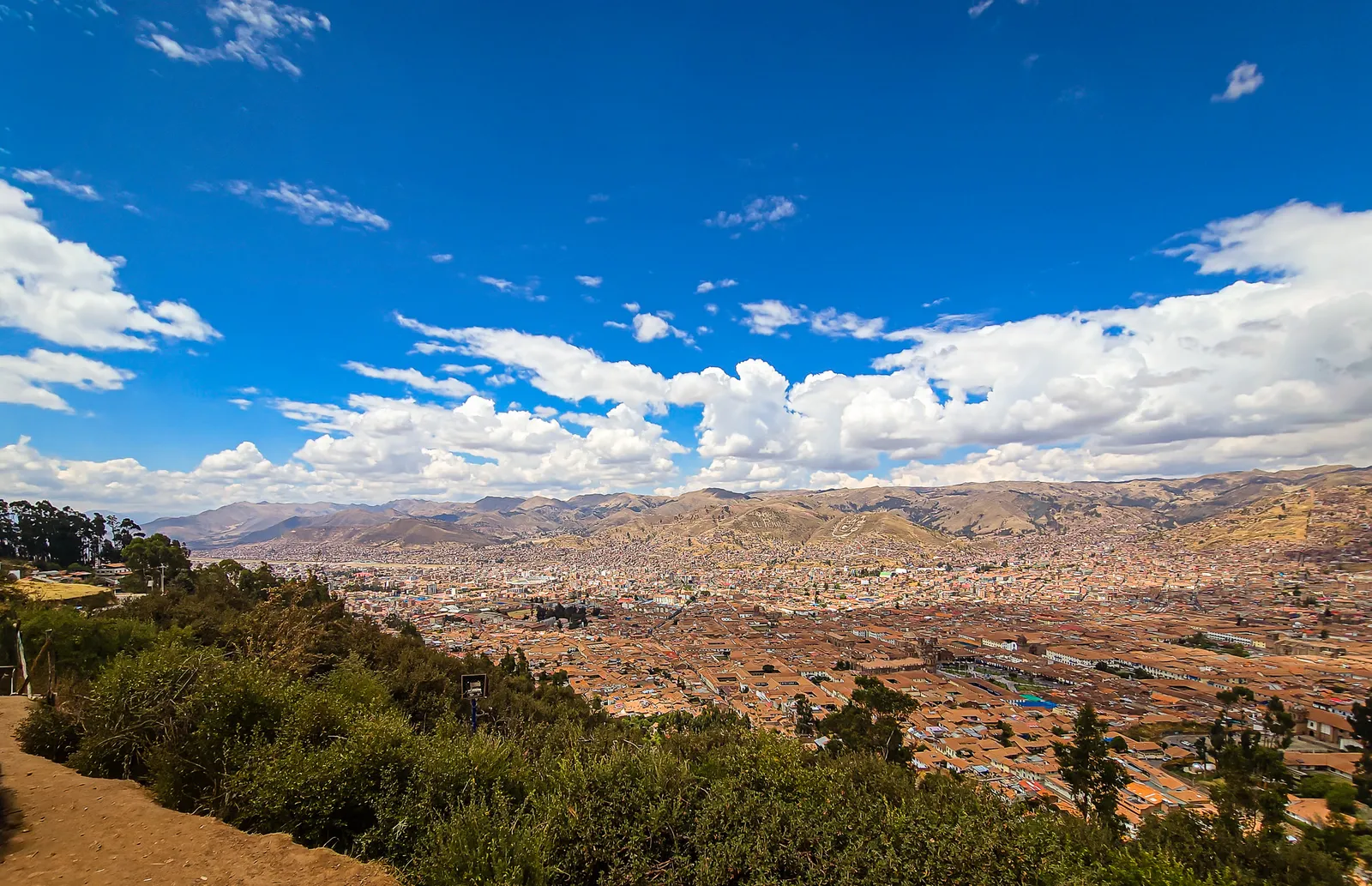
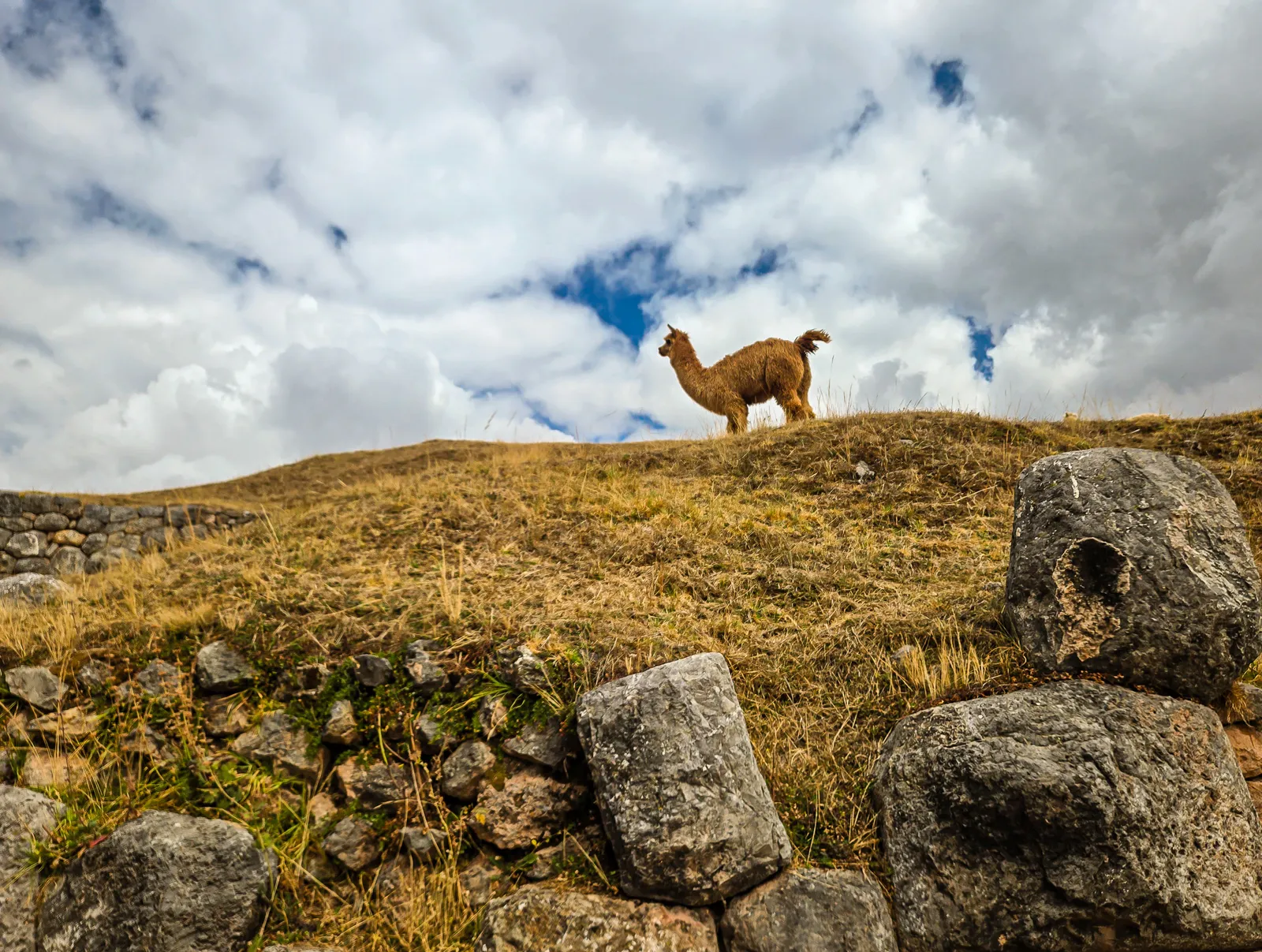
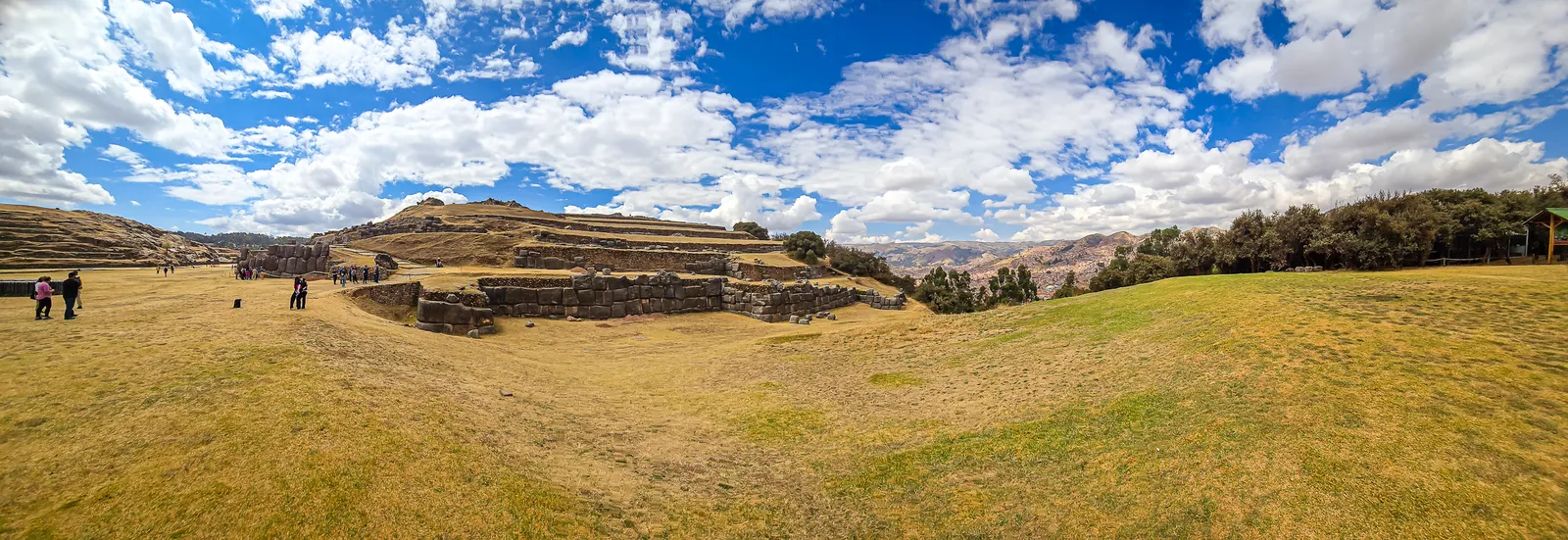
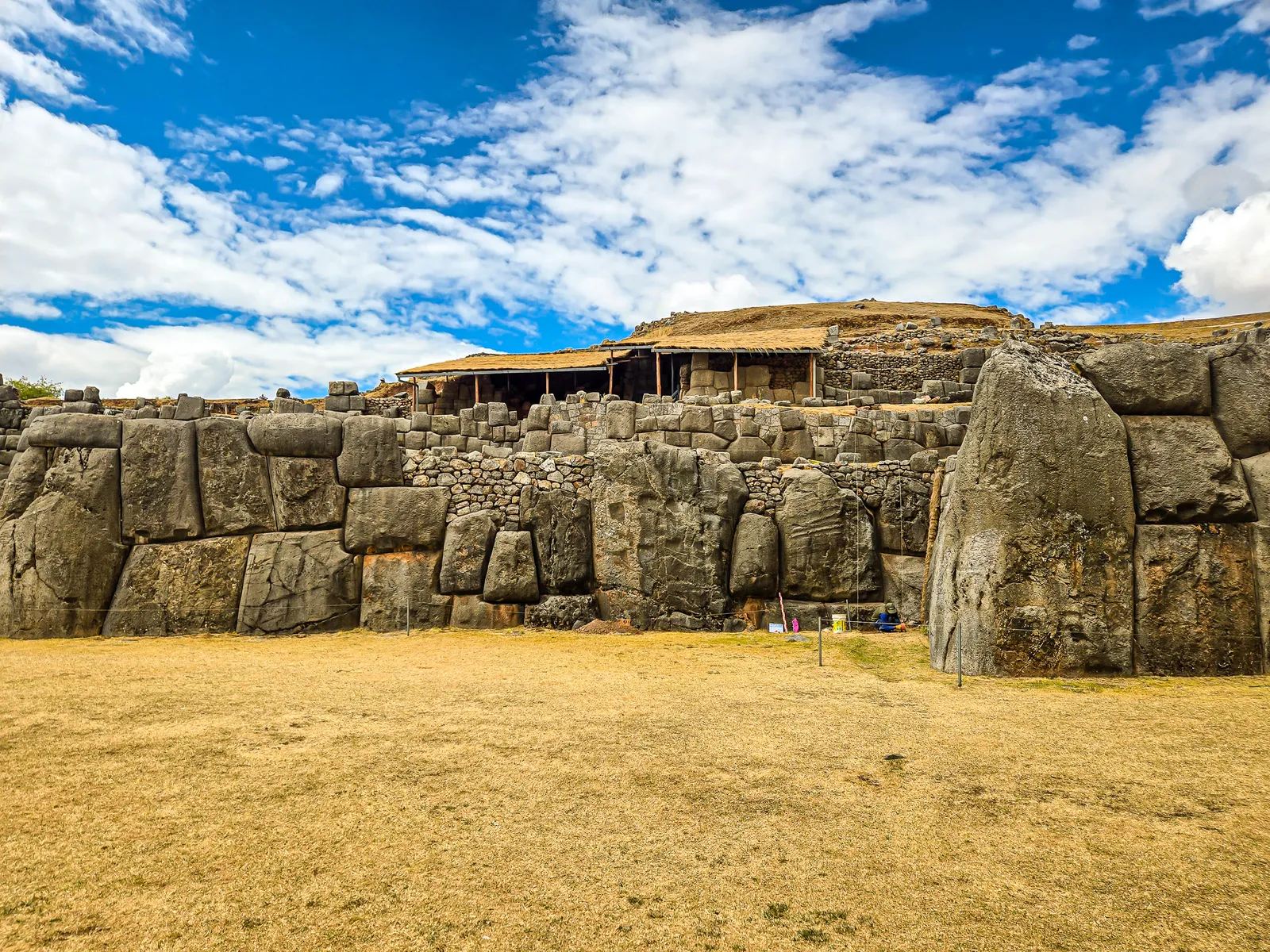
Our hotel’s proximity to Sacsayhuamán was both a blessing and a curse; close enough to walk, but entirely uphill at 11,000+ feet. Still, no visit to Cusco is complete without standing among those ancient stones. The site sits high above the city, offering one of the best panoramic views in the region; red-tiled roofs spreading out below, mountains wrapping around the valley like a protective wall.
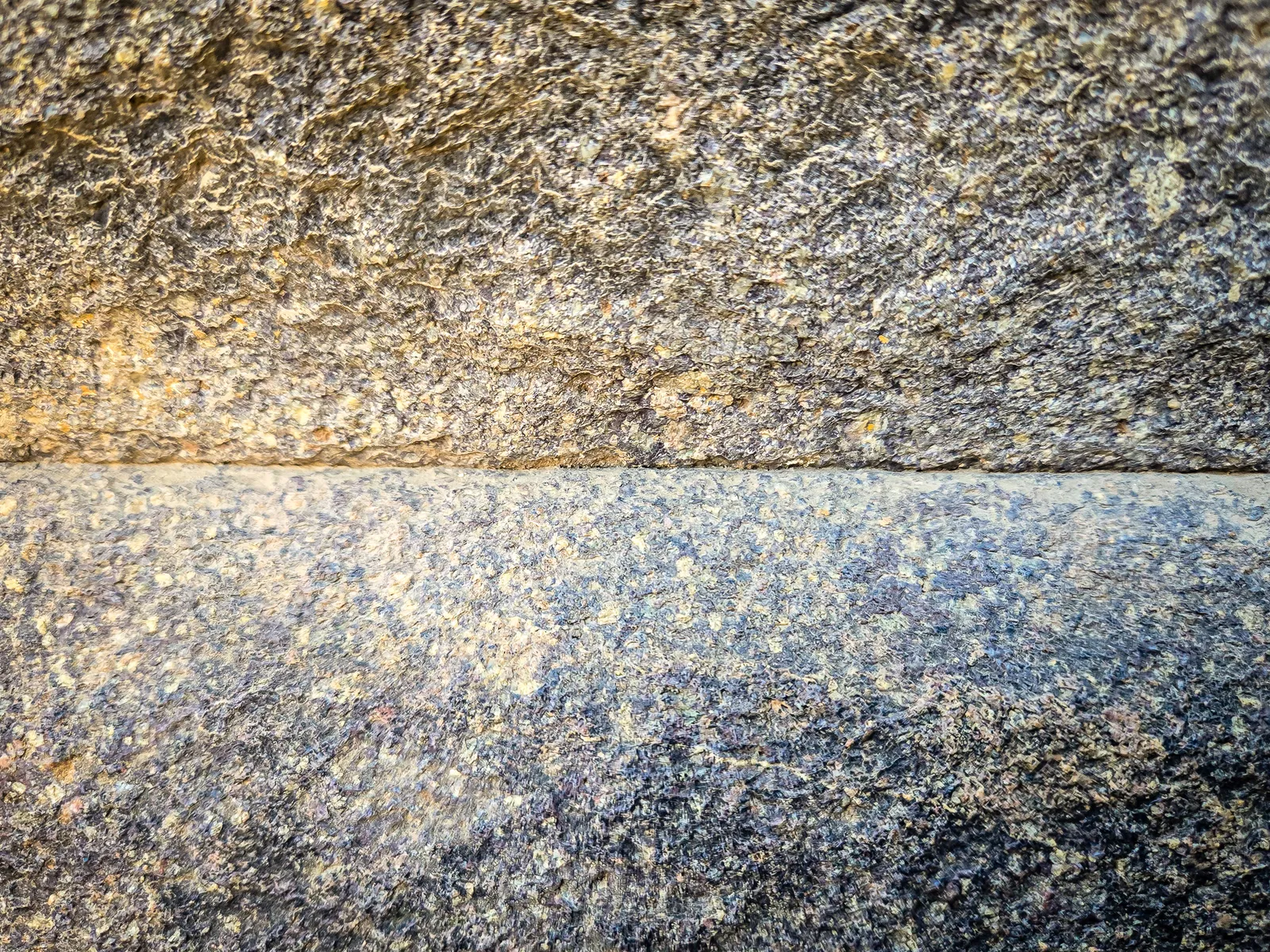
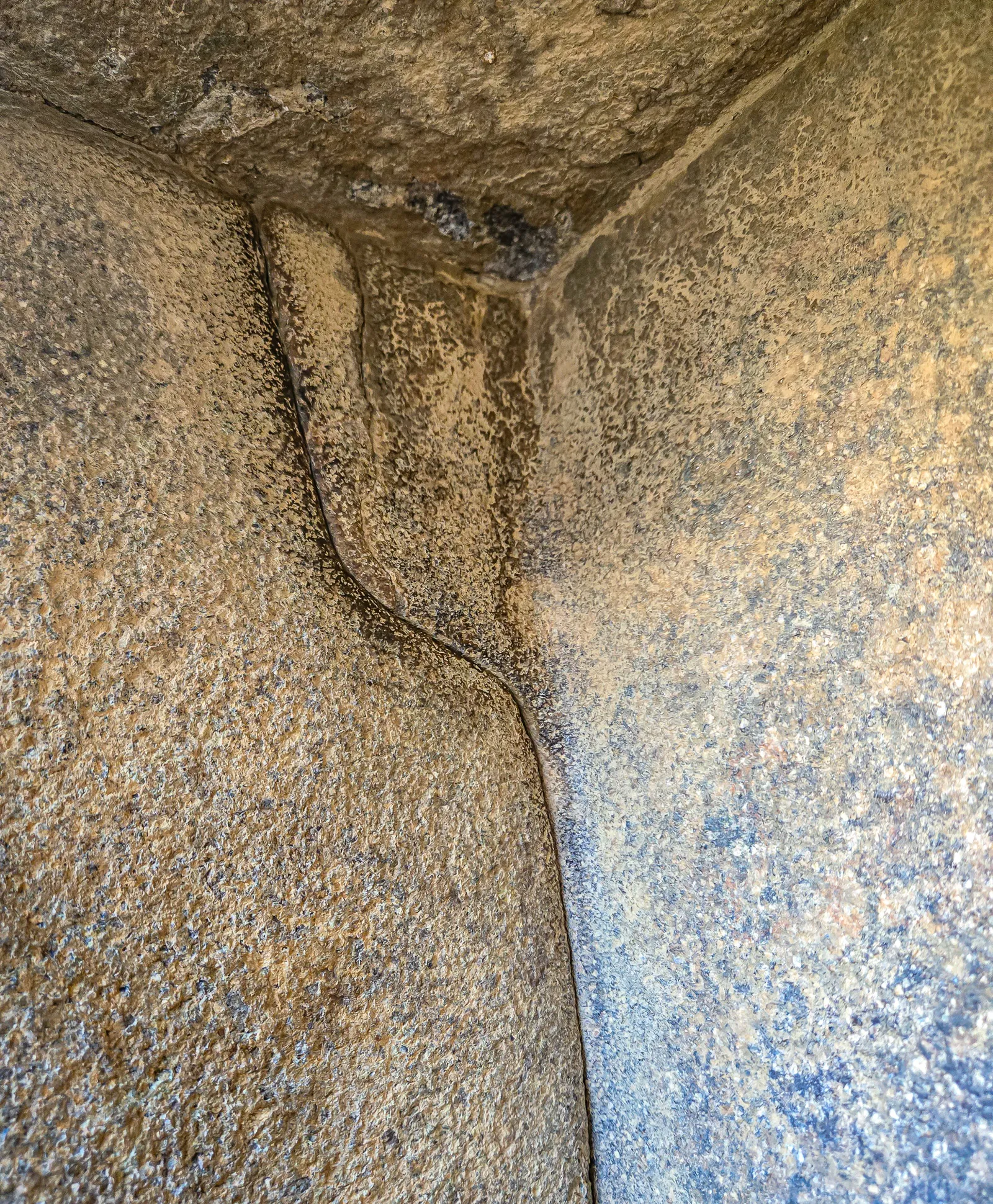
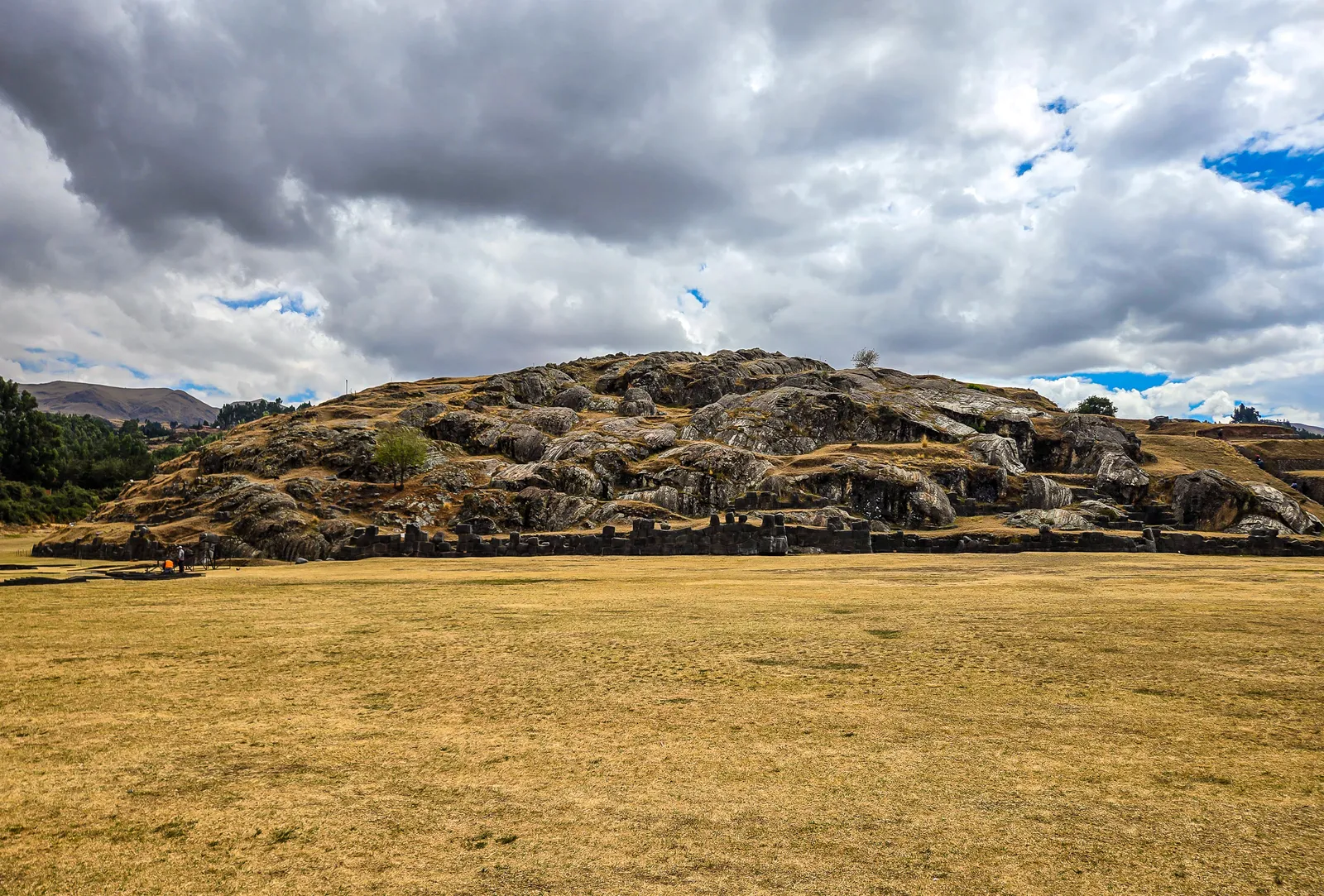
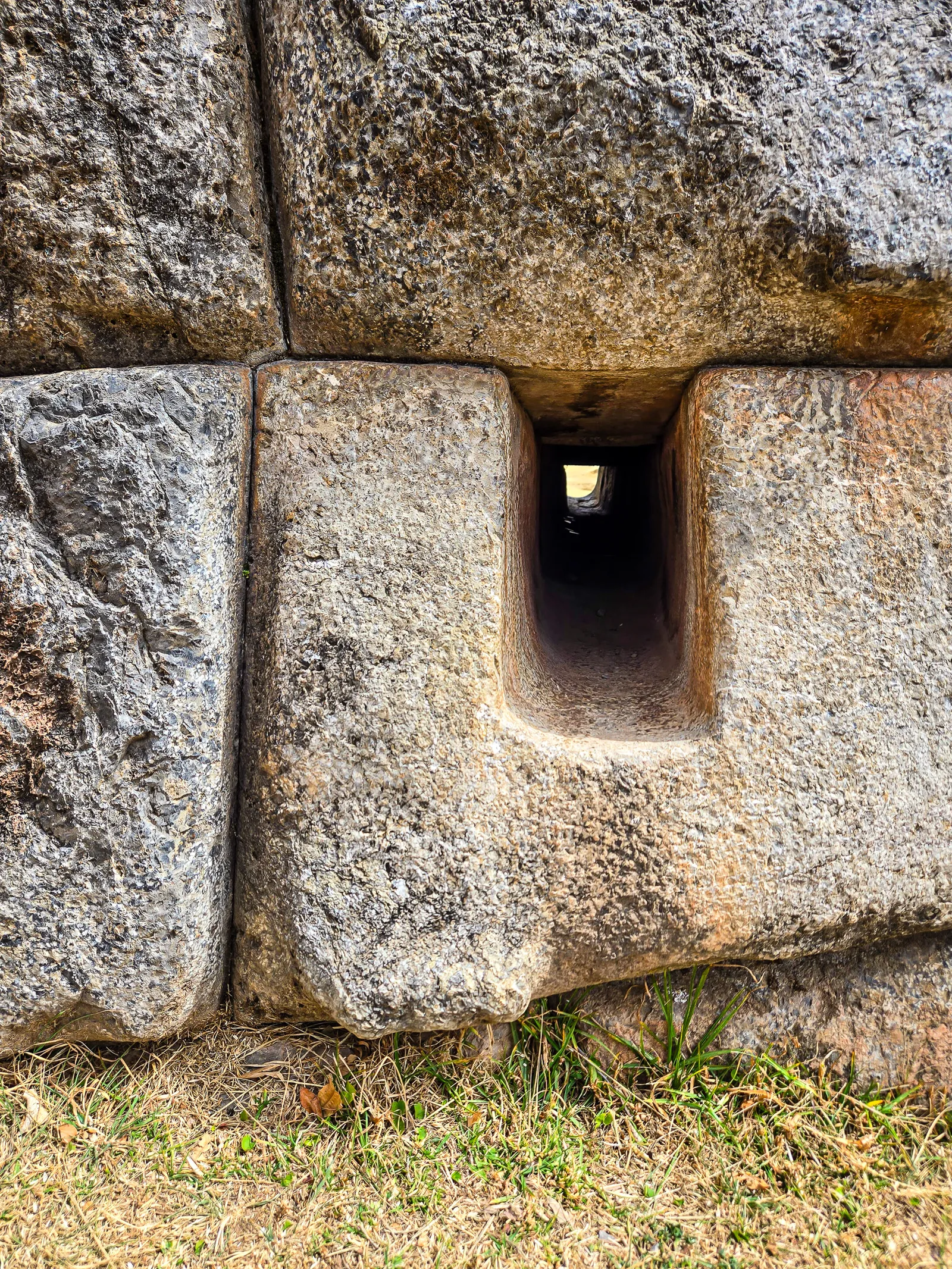
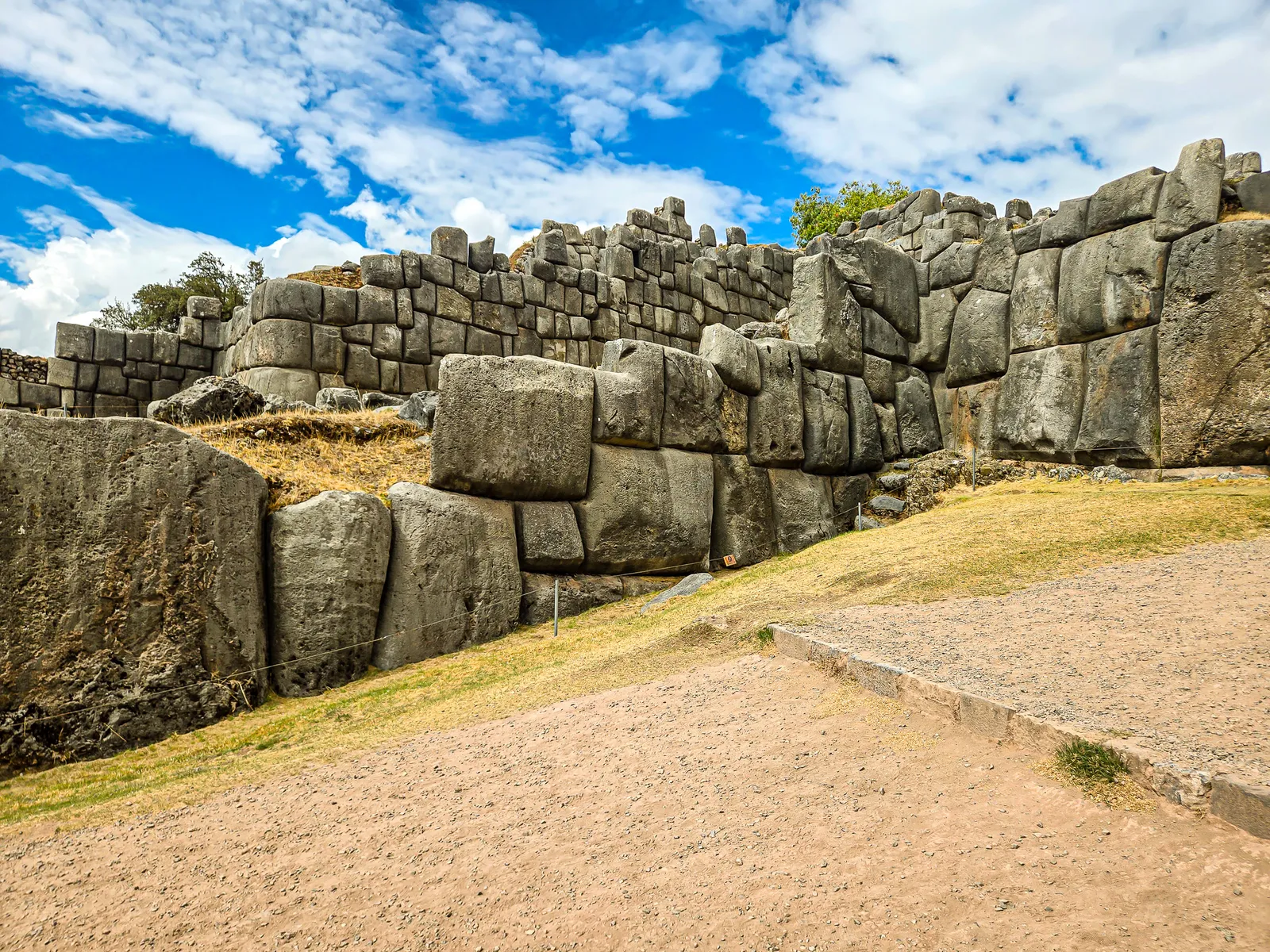
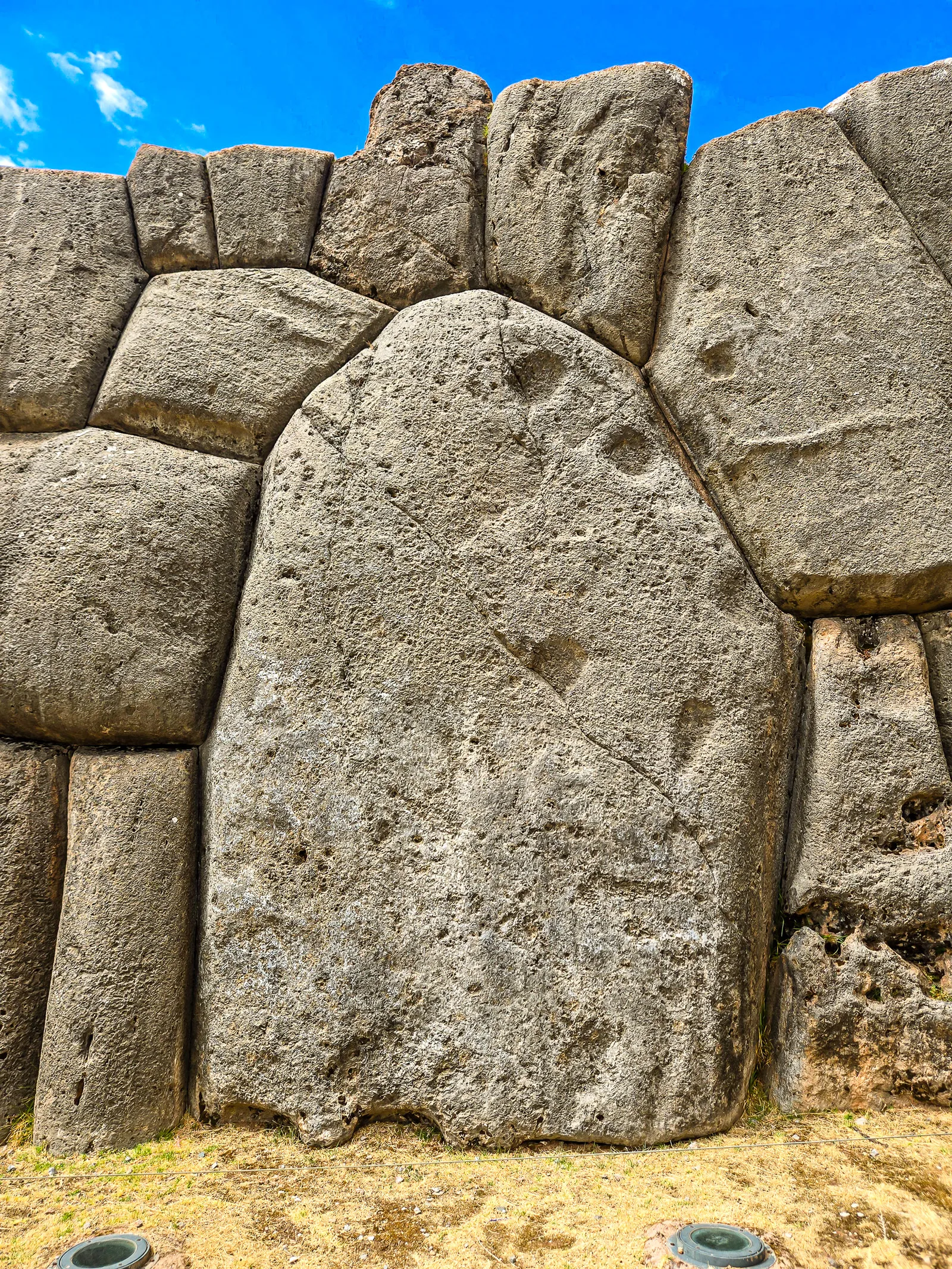
The real impact hits when you approach the massive stone terraces. Some of these boulders weigh over 100 tons, yet the Incas fitted them together so precisely you can’t slide paper between the seams. Every visitor must have the same thought: how did they manage this without modern tools? The achievement feels almost impossible.
Even in its partially ruined state, Sacsayhuamán radiates power. This was once both a ceremonial and military complex, and the zigzagging walls, wide-open spaces, and wind sweeping across the hilltop demand you slow down and take it all in.
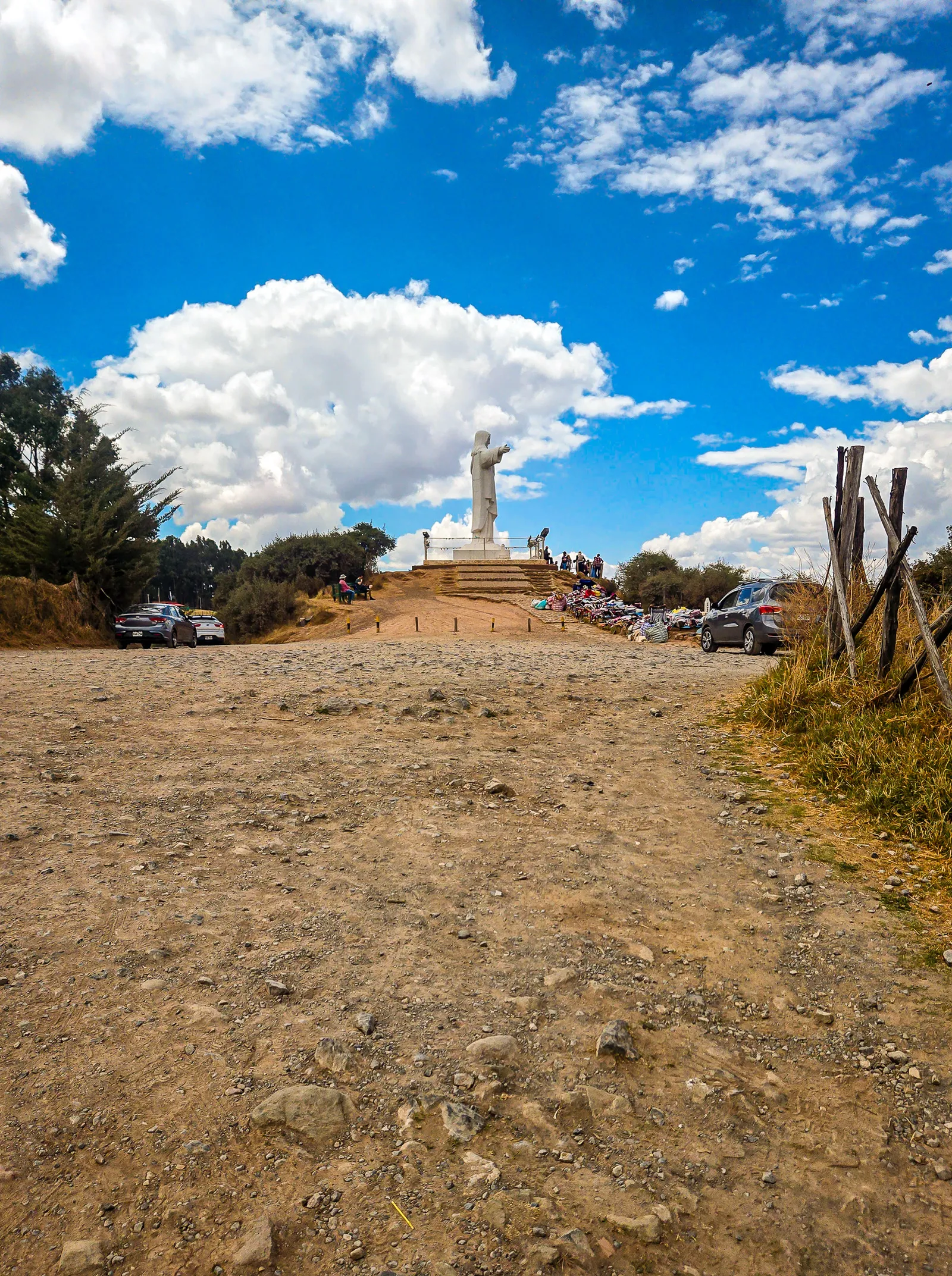
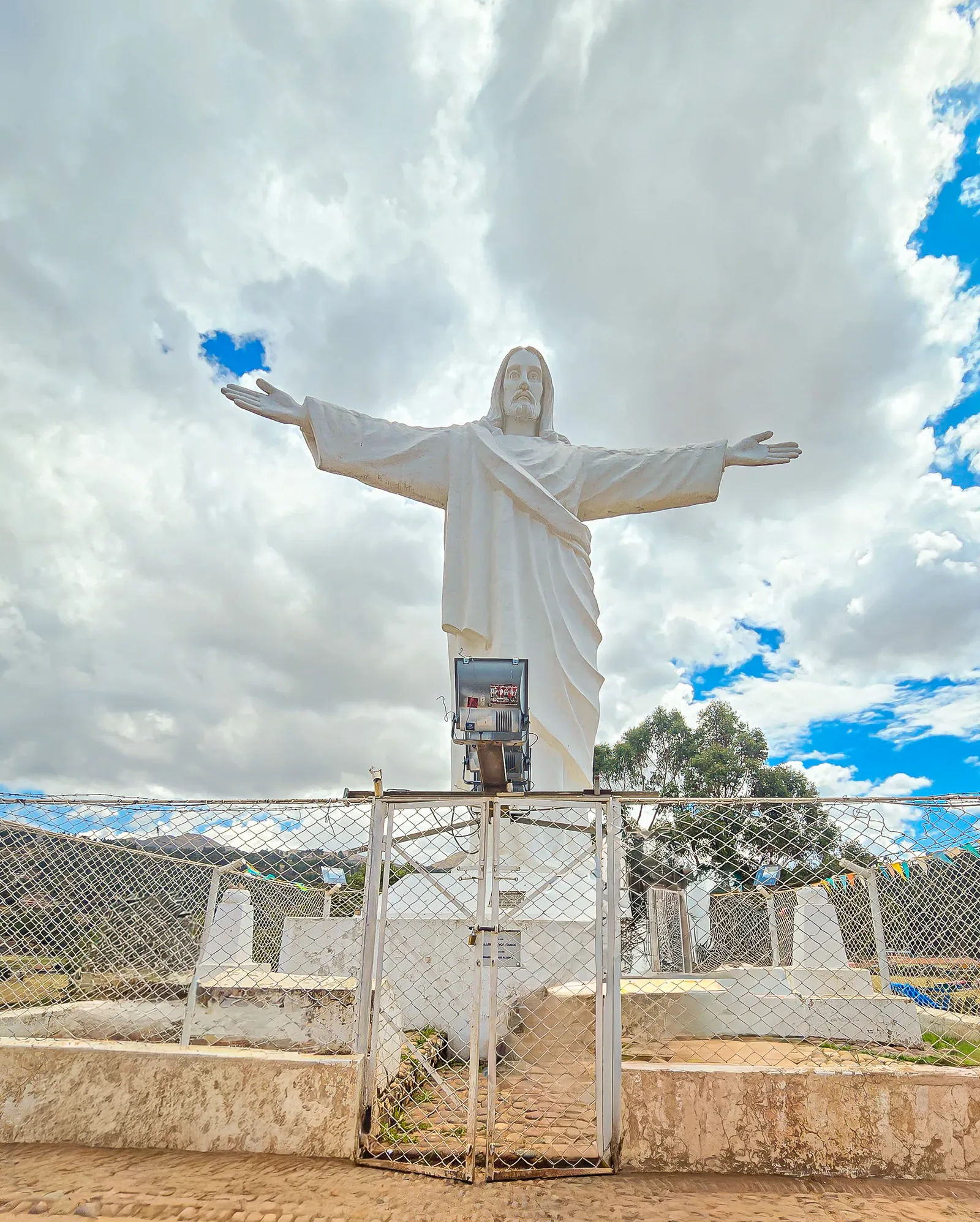
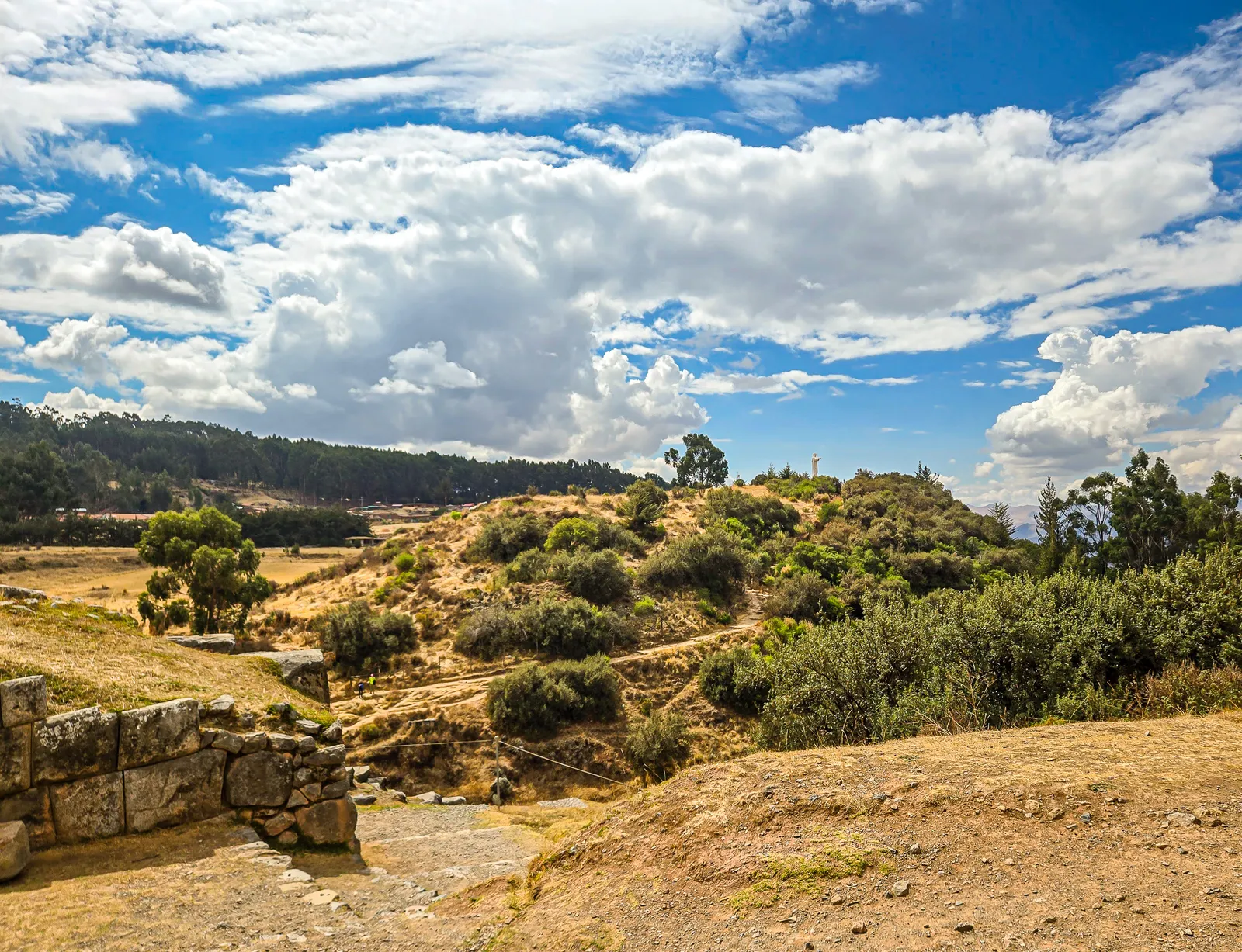
A short walk along a well-worn path brought us to Cristo Blanco, a large white statue of Christ overlooking Cusco. It’s a quick stop, but the panoramic city views make it worthwhile.
After soaking in the sights, we returned to the hotel to rest before venturing to San Pedro Market. If you want to shop for local goods and get a feel for everyday Cusco life, this is the place.
Watch this part of the journey
Road Trip to cold and challenging terrain
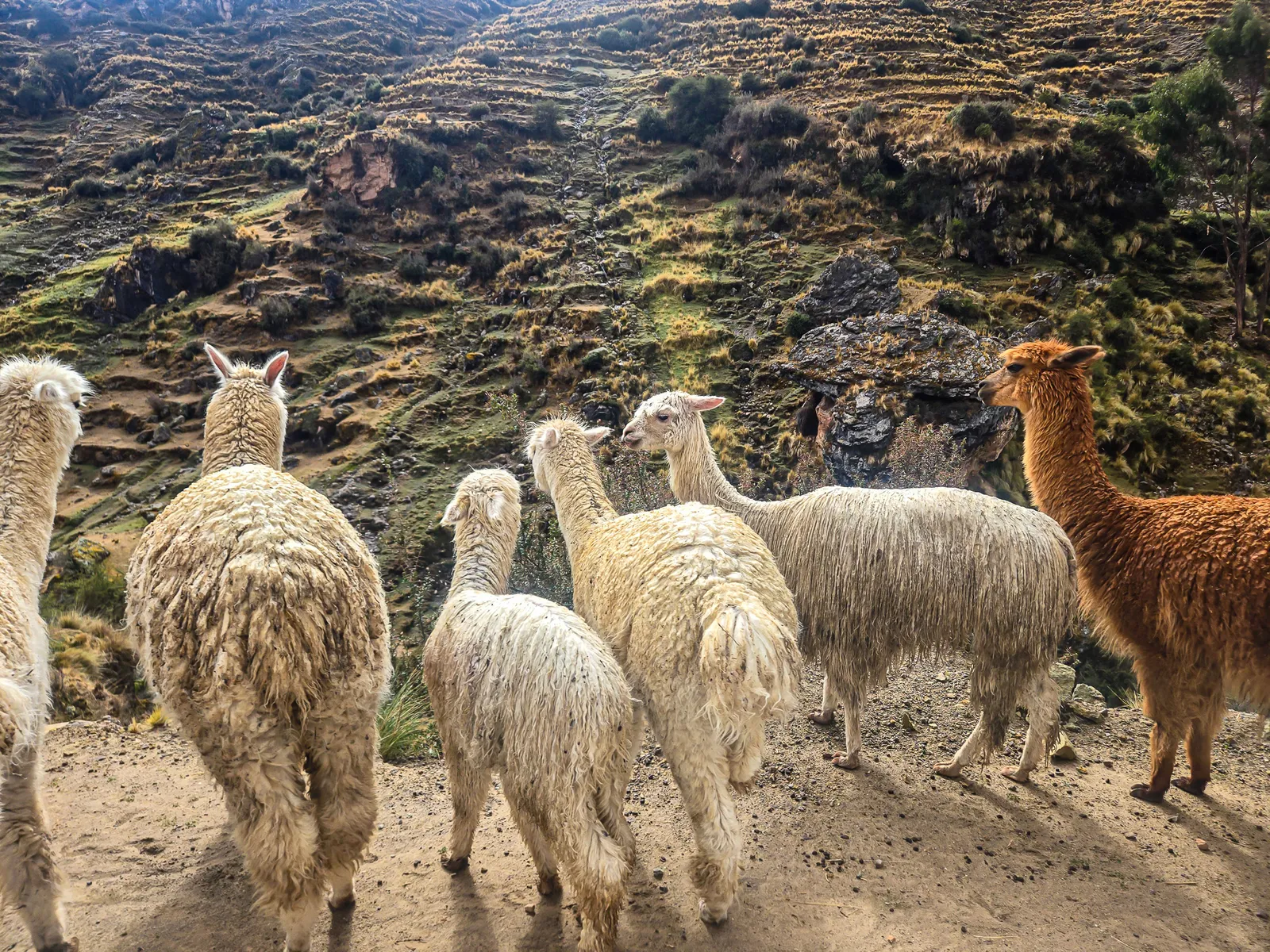
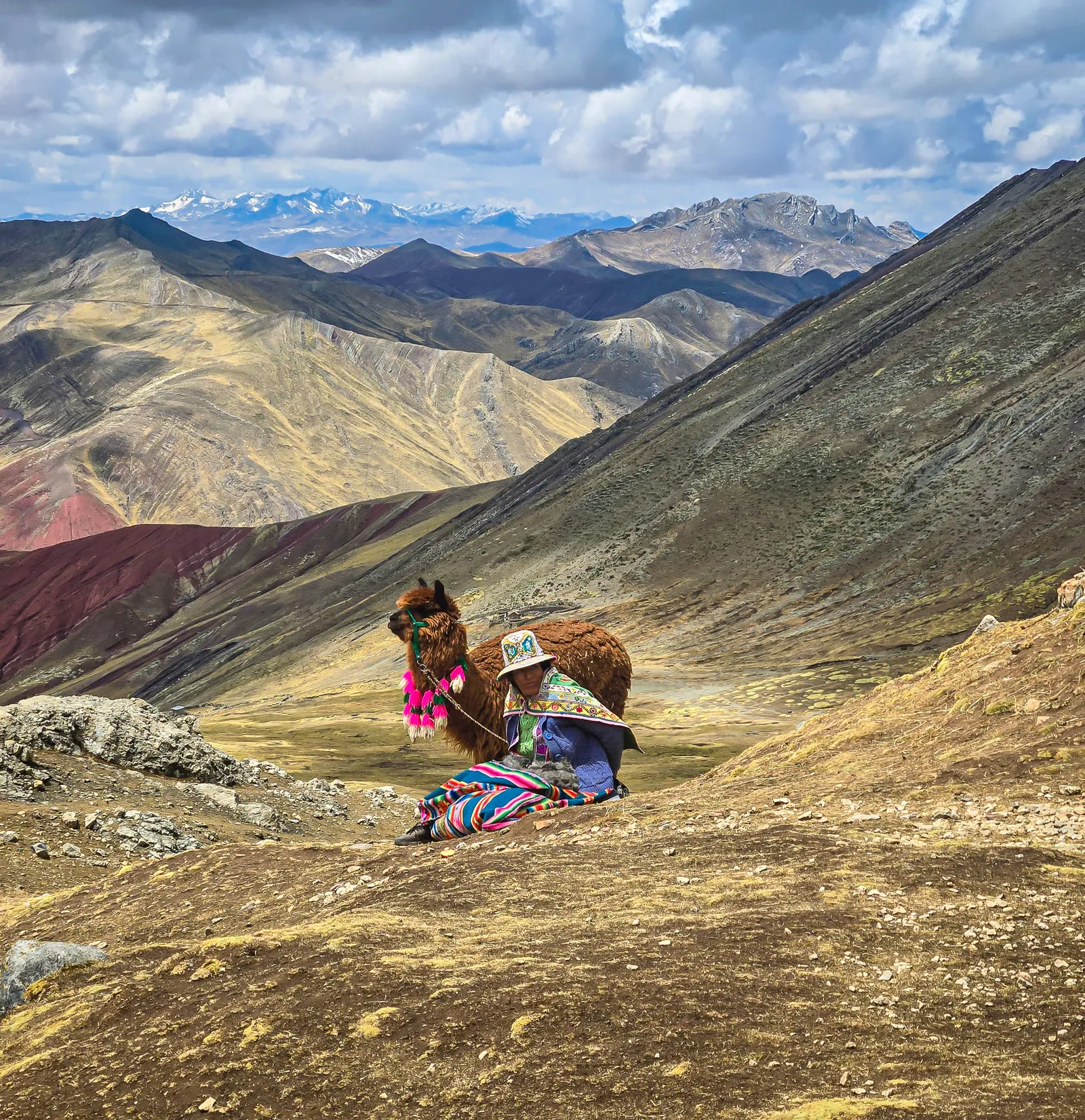
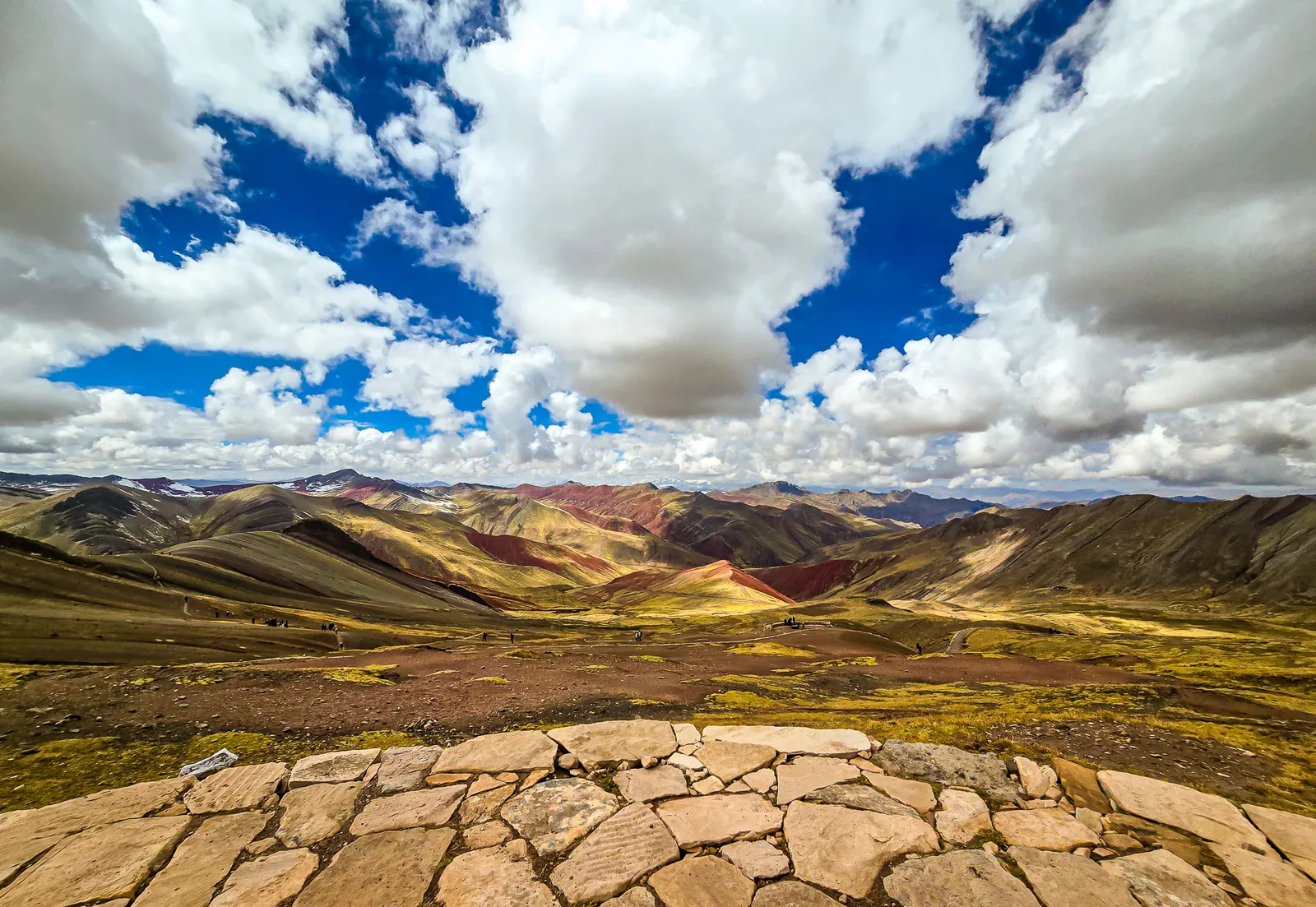
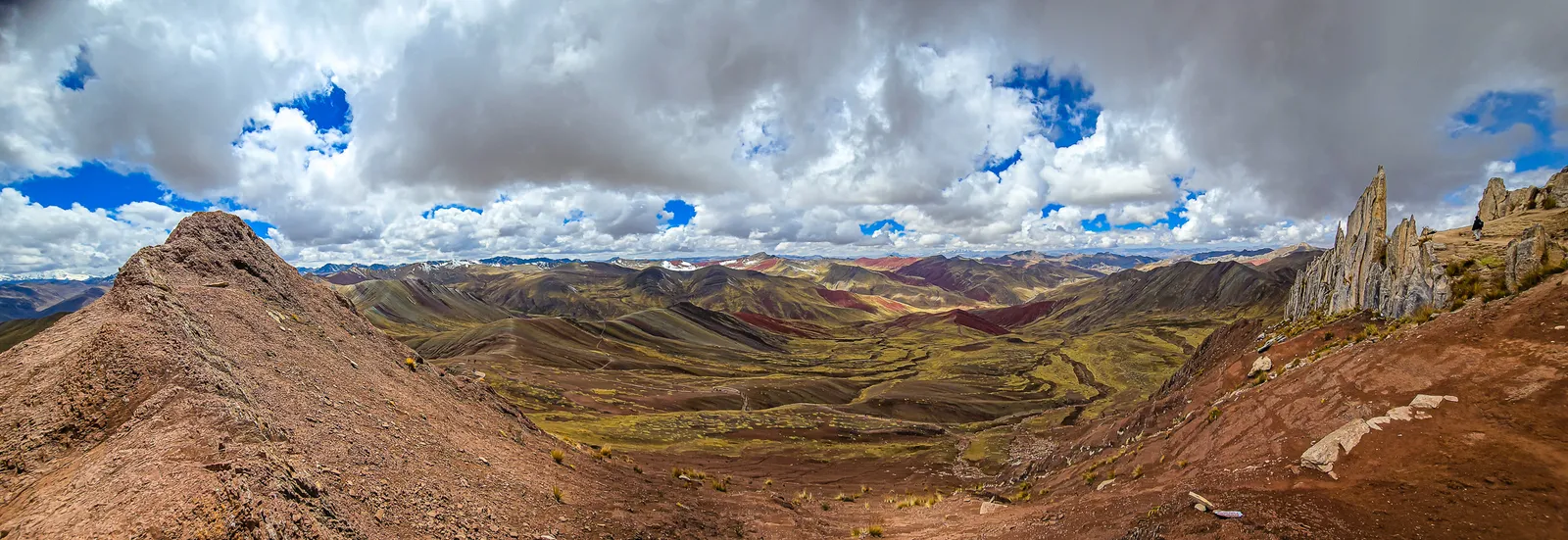
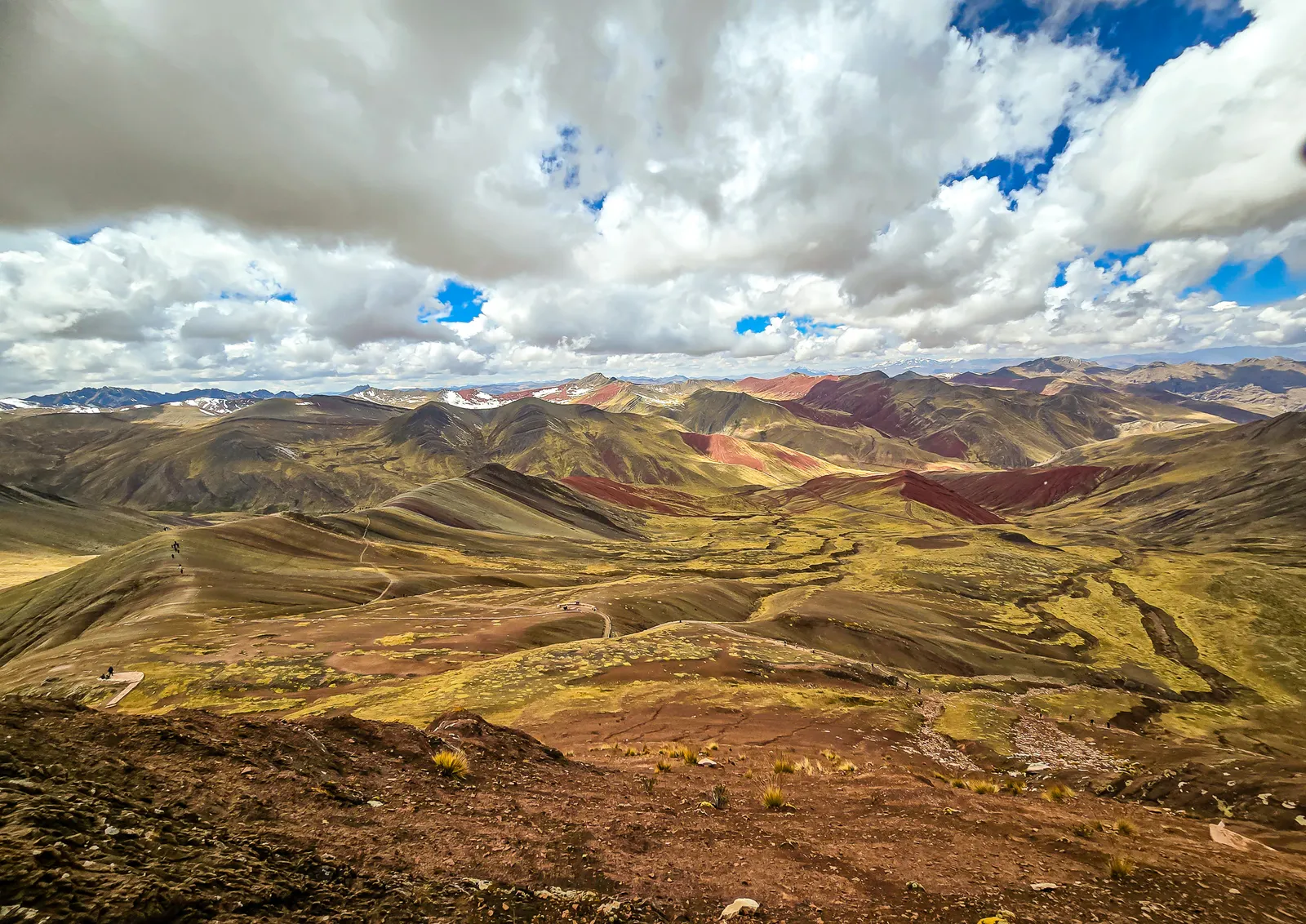
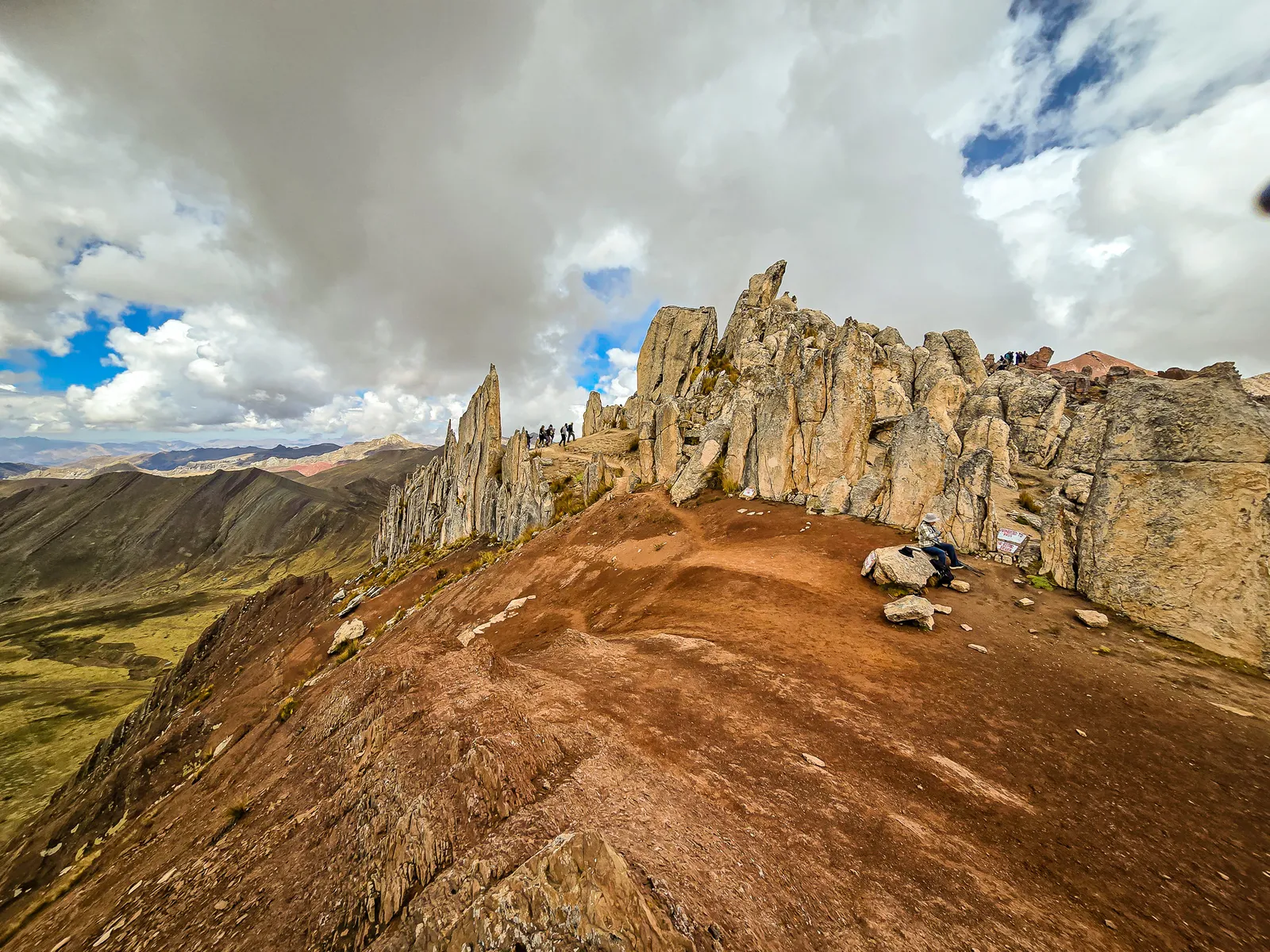
A 4:30 AM wake-up for a 5:30 AM departure kicked off our Palcoyo day trip. When most people think of Peru’s Rainbow Mountain, they picture Vinicunca, the famous striped peak flooding Instagram feeds. We chose Palcoyo instead, drawn by its simpler hike, less crowds and the chance to see the surreal stone forest alongside the rainbow ridges.
At first, it seemed like the easier option. The trail is shorter and less steep than Vinicunca. Don’t let that fool you, Palcoyo still tested every ounce of our willpower. The cold bit hard, the altitude was unforgiving, and each step felt like losing vital breath. We pushed forward anyway. Step by step, breath by breath, we made it to the top. The reward? A landscape painted in natural colors, three rainbow ridges stretching across the horizon, and the eerie beauty of the stone forest. Worth every struggle. Palcoyo may be the “simpler” Rainbow Mountain, but it’s no less powerful an experience.
The drive from Cusco takes about 3.5 hours each way, with the return trip usually running longer because of lunch and bathroom stops, so plan on a full day before arriving back in the city. We stopped in Checacupe for lunch. Our driver wasn't particularly talkative, but he pointed us in the direction of the restaurant and left us on our own. We didn't see him again until it was time to continue the journey back to Cusco.
The area felt surprisingly industrial. Public restrooms were located on the right, and as we made our way left, we spotted the sign for lunch. It wasn't the sort of place we would have found on our own, which made the experience feel even more local. It was a classic Menú del Día, the kind of meal you'll find throughout Peru. The setup was simple: soup, a main course, and a drink for a bargain price. We shared a table with three locals. Conversation was limited, but sharing a meal with them was memorable. We clearly stood out as visitors, which somehow made the moment feel even more authentic.
Watch this part of the journey
History through the Ages
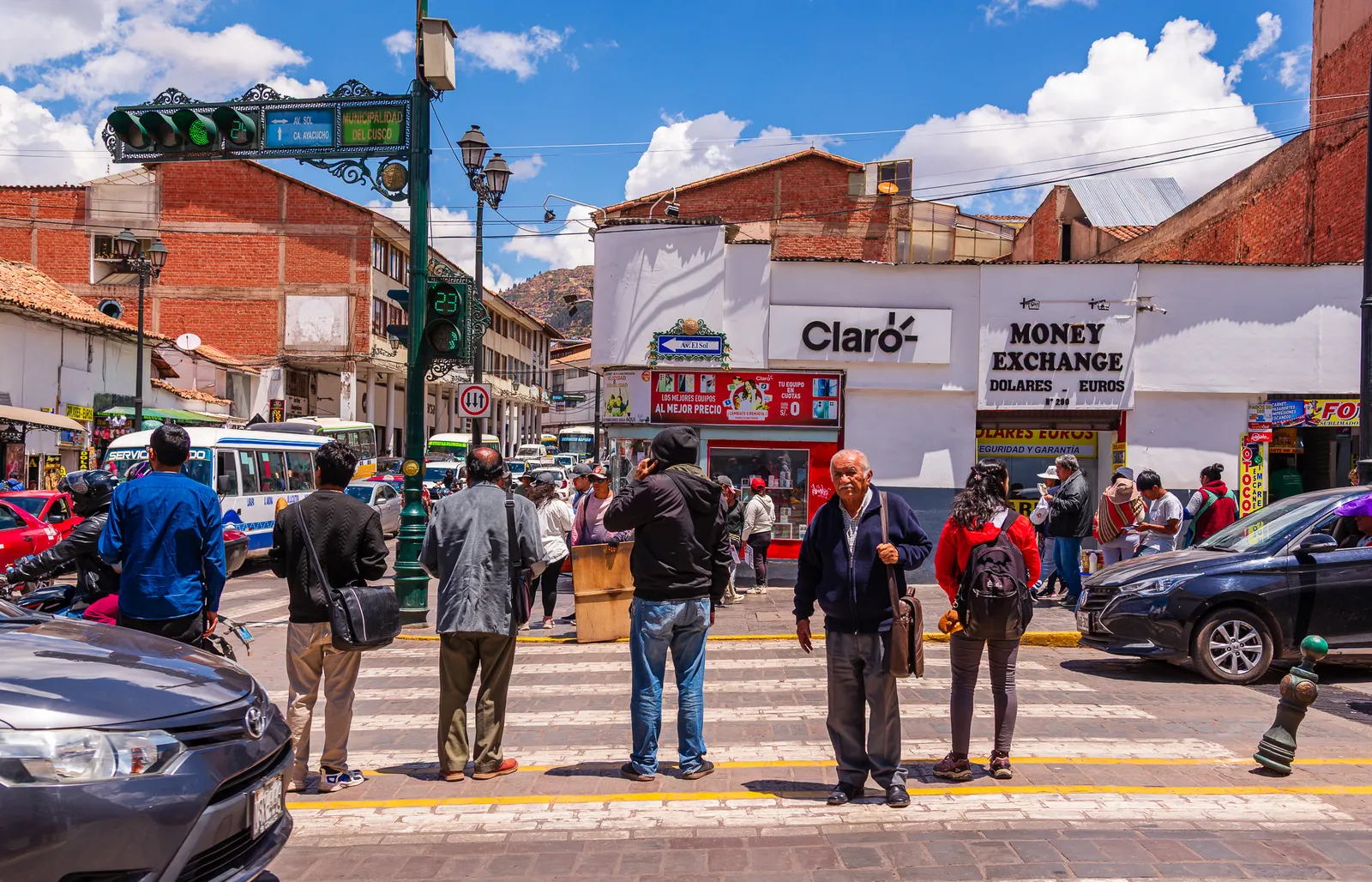
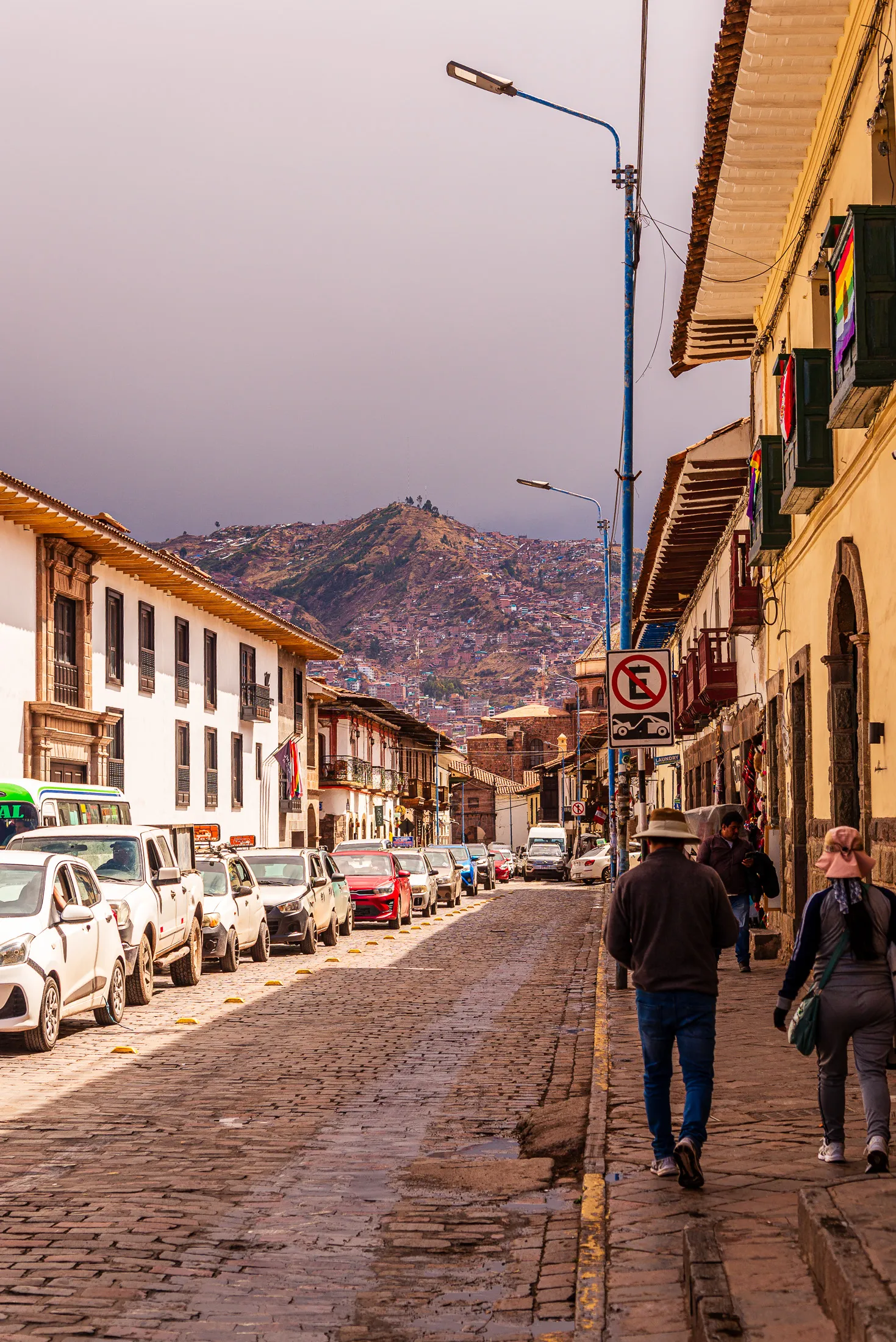
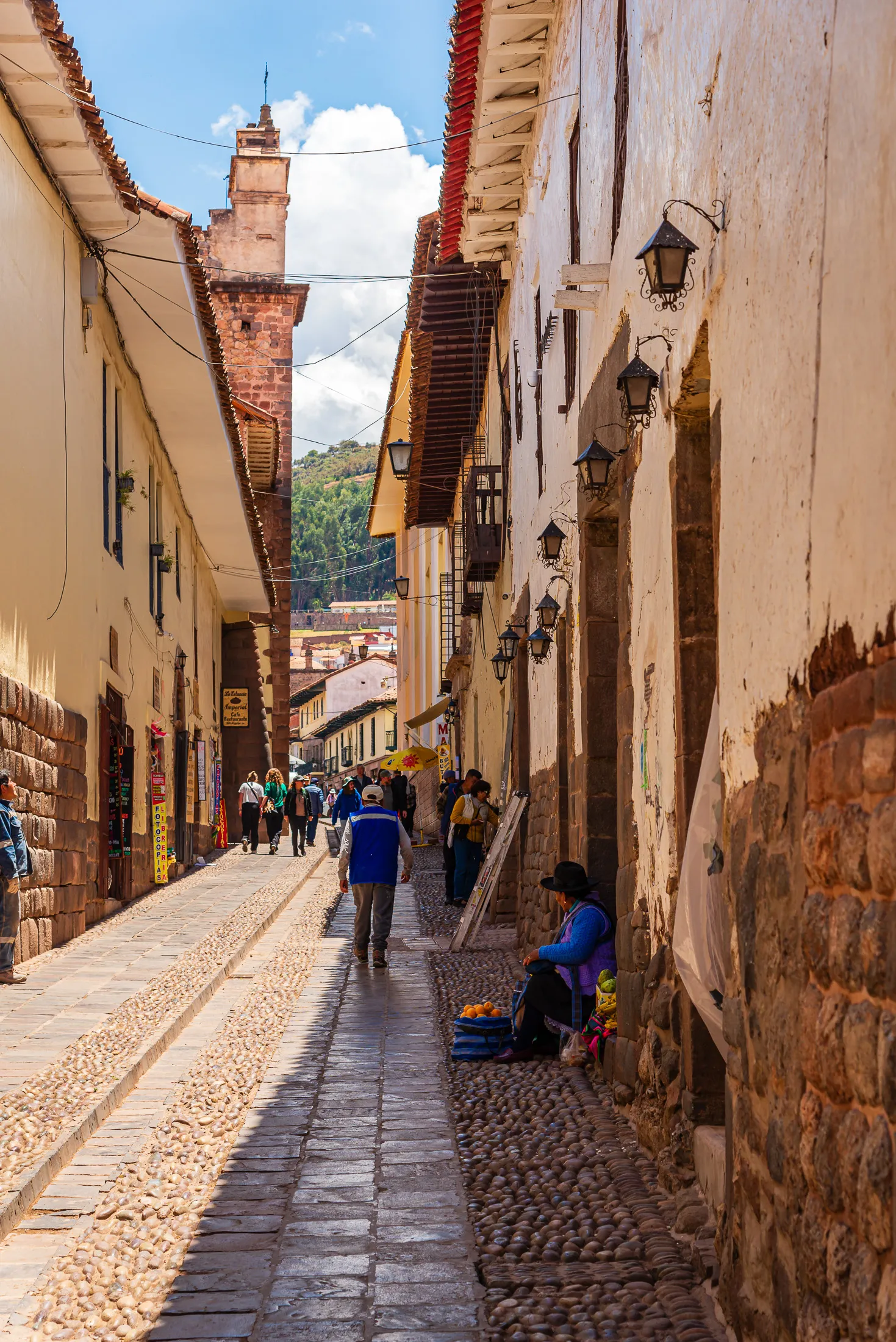
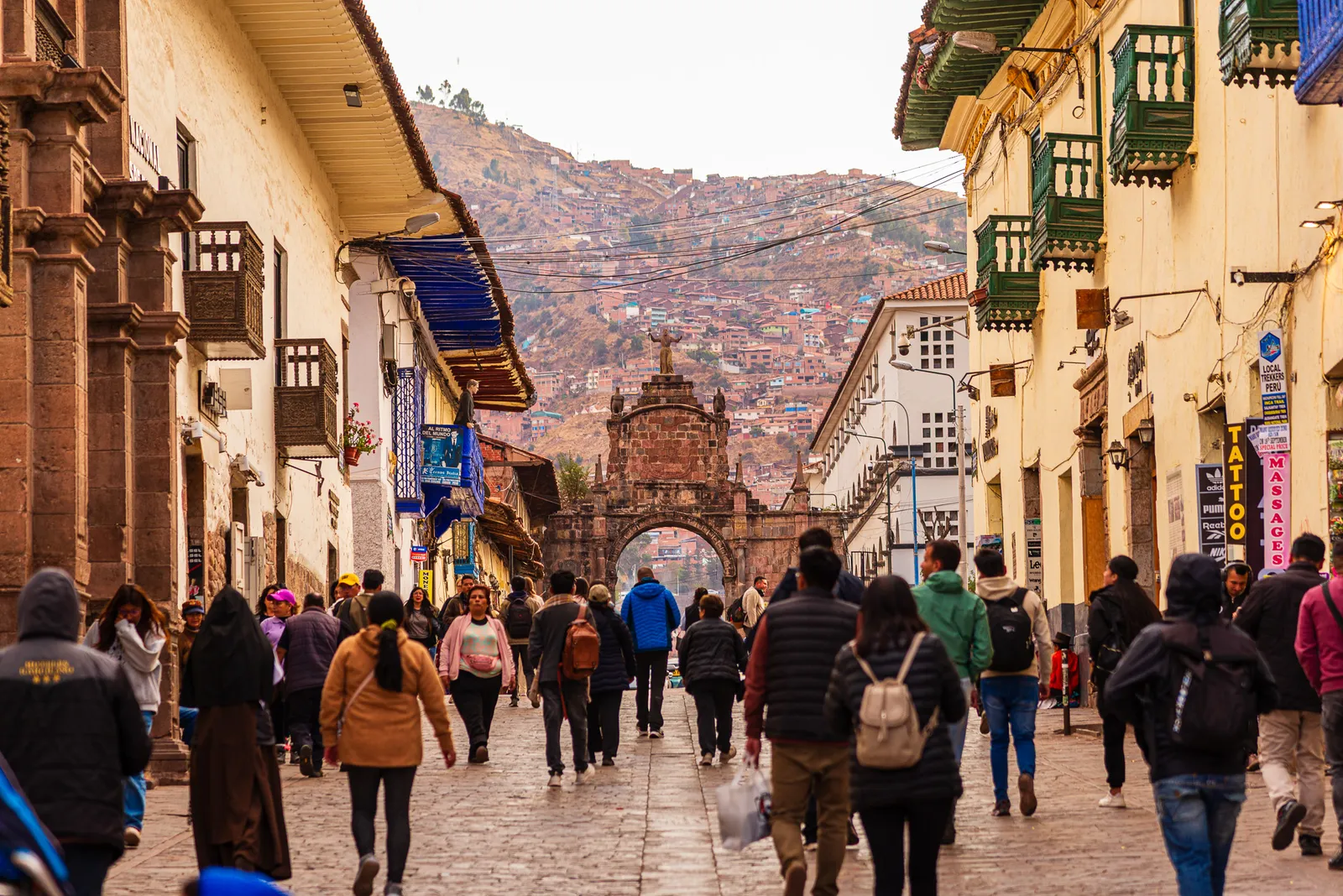
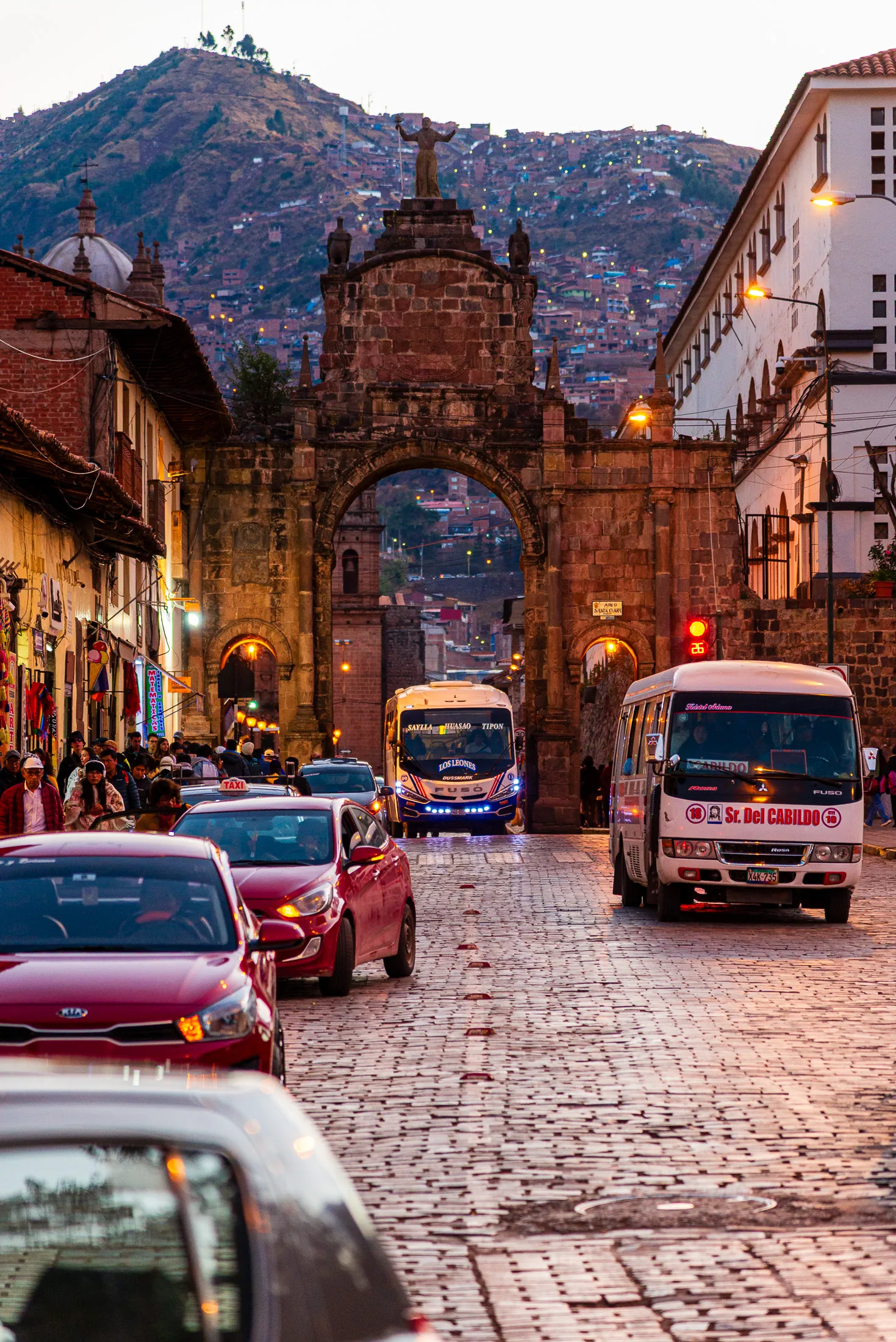
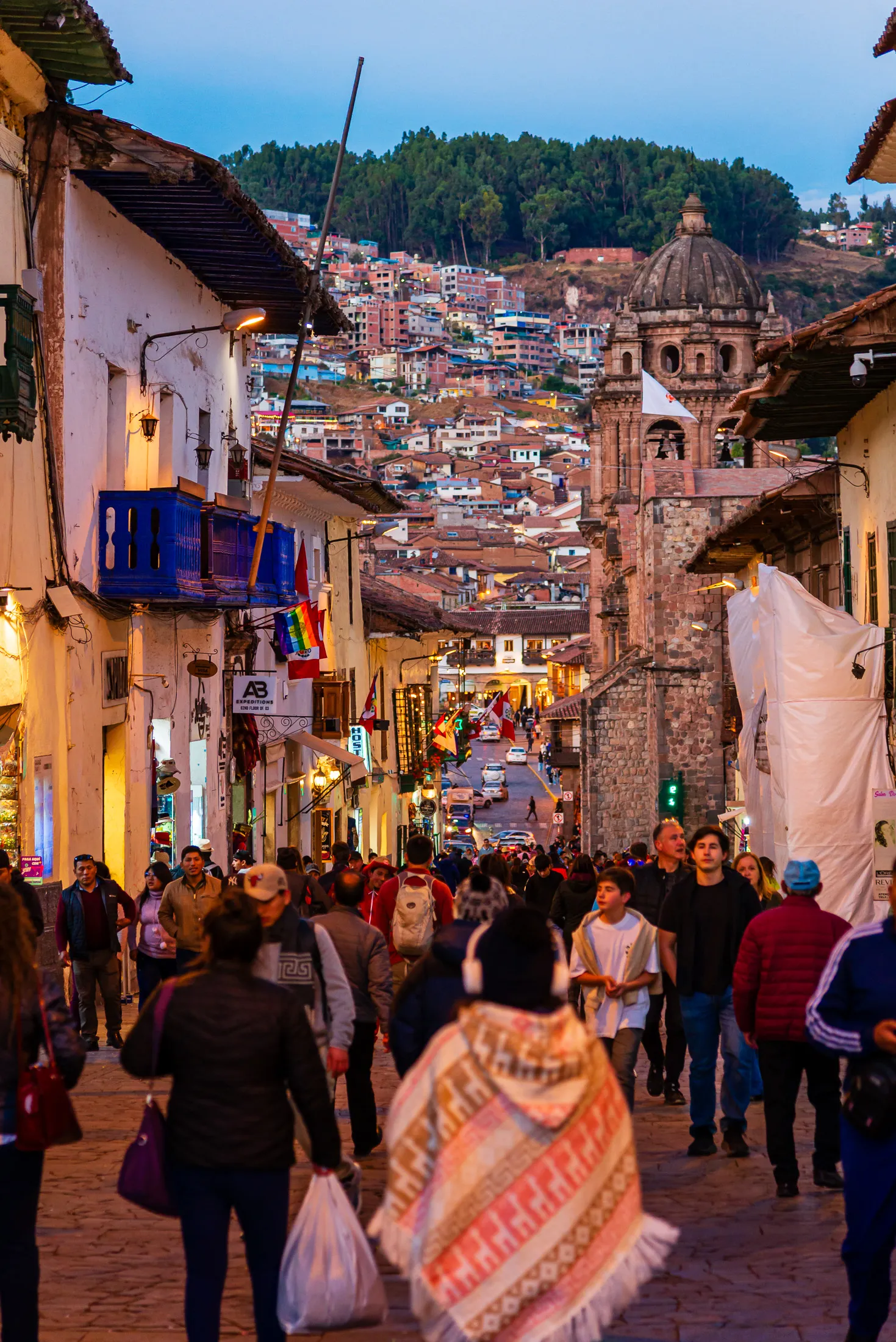
After conquering Palcoyo, we were completely drained. We decided to take it slow, wandering through Cusco's streets, visiting a few museums with our Tourist Ticket, and simply soaking in the city. Cusco feels alive at every turn. Colonial architecture blends with modern shops, while street vendors line the plazas selling everything from alpaca scarves to fresh fruit. It's vibrant, chaotic, and somehow it all works.
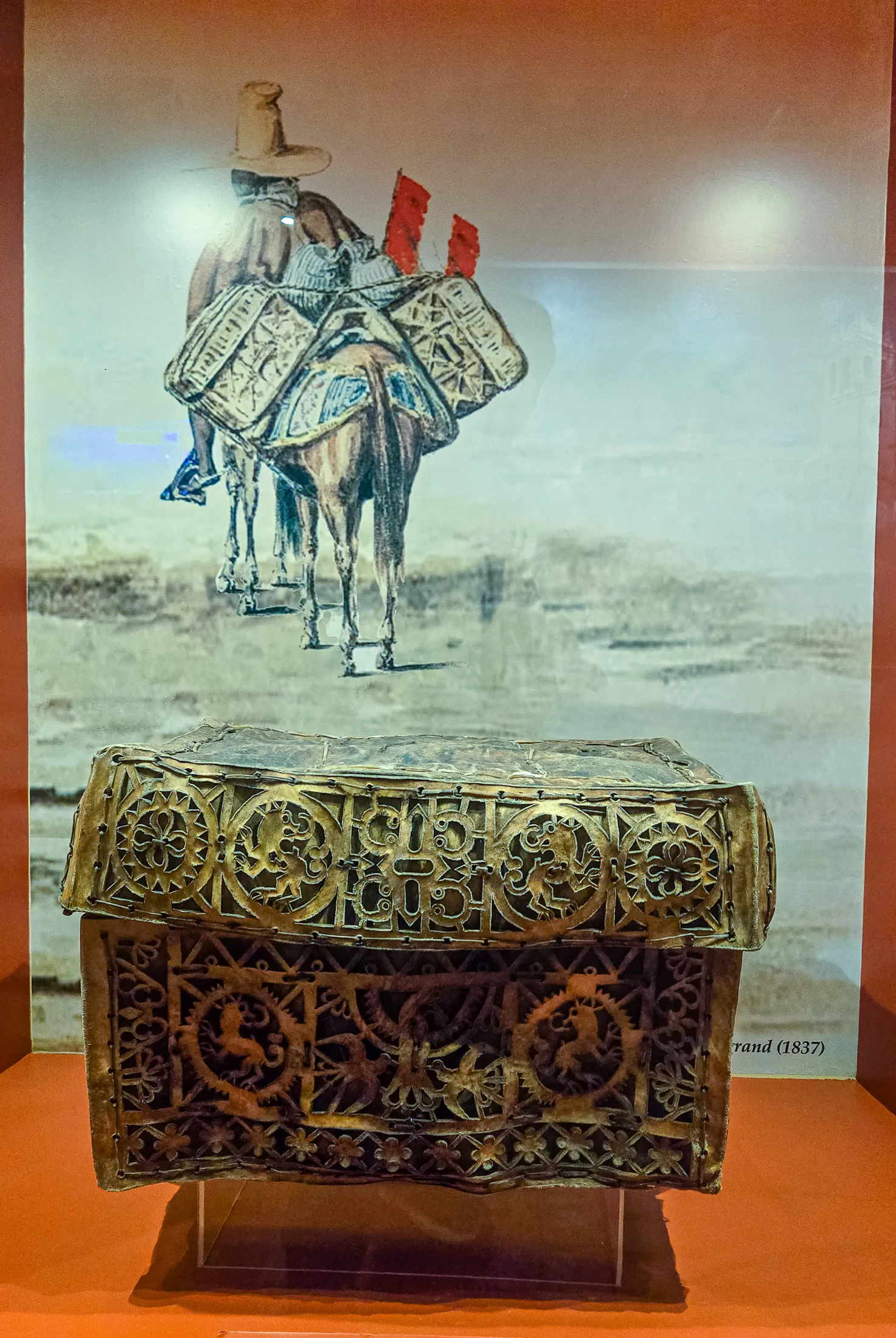
One stop covered by the Tourist Ticket was the Regional Historical Museum, housed since 1967 in the former residence of chronicler Inca Garcilaso de la Vega. The museum had occupied several locations since its founding in 1946, but this building finally provided enough space to showcase Cusco's complex history. Most visitors focus on the Inca Empire, but the museum reveals a broader story. The colonial and republican periods also left lasting marks, with each era adding another layer to the city we see today.
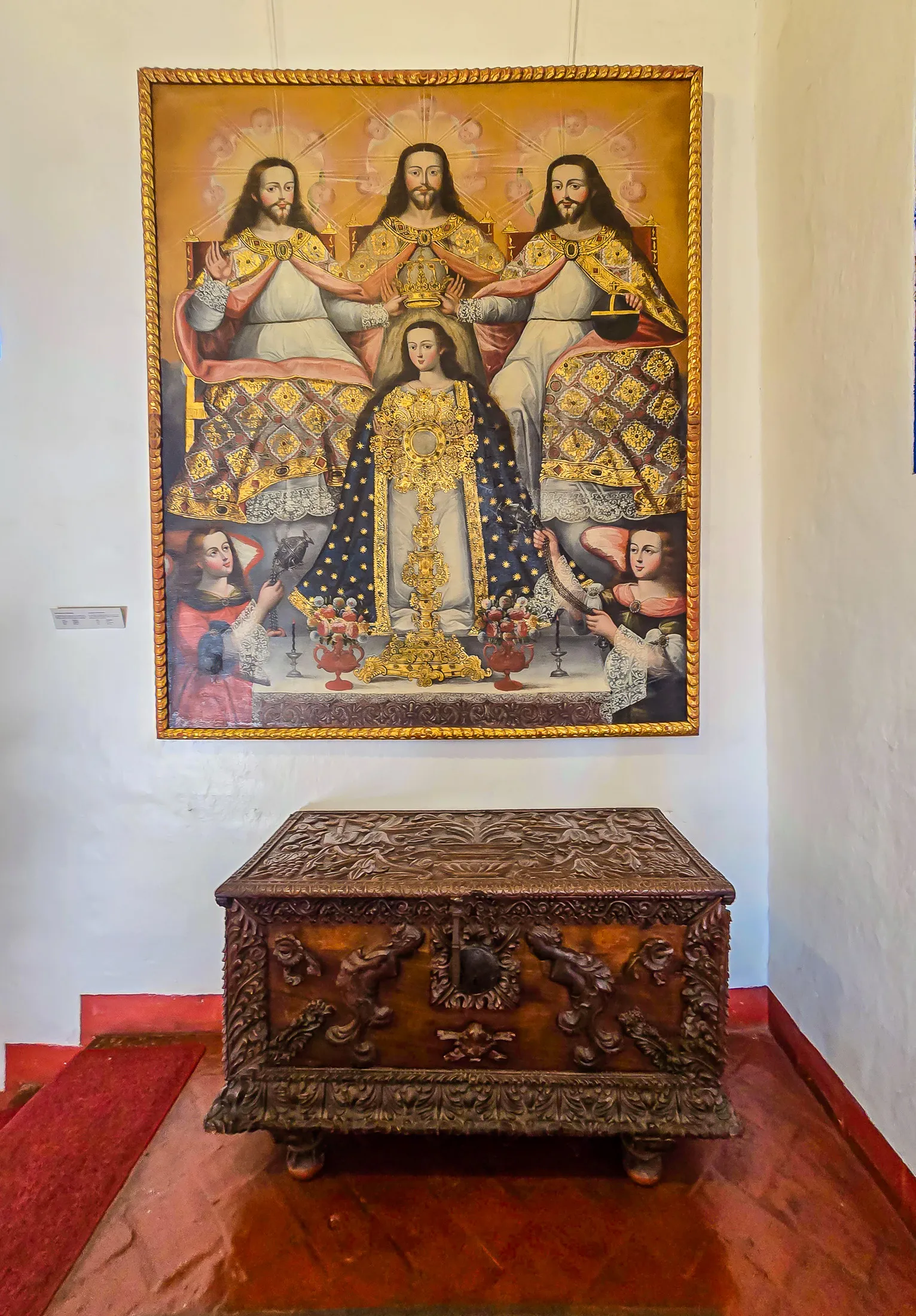
The ground floor explores pre Inca cultures that many visitors have never heard of. Upstairs, the colonial paintings steal the show. Artists of the Cusco School developed a fascinating hybrid style that blended Catholic themes with Andean symbolism. In many paintings, the Virgin Mary is depicted with a triangular dress resembling the sacred mountains, reflecting how Christianity adapted to local traditions.
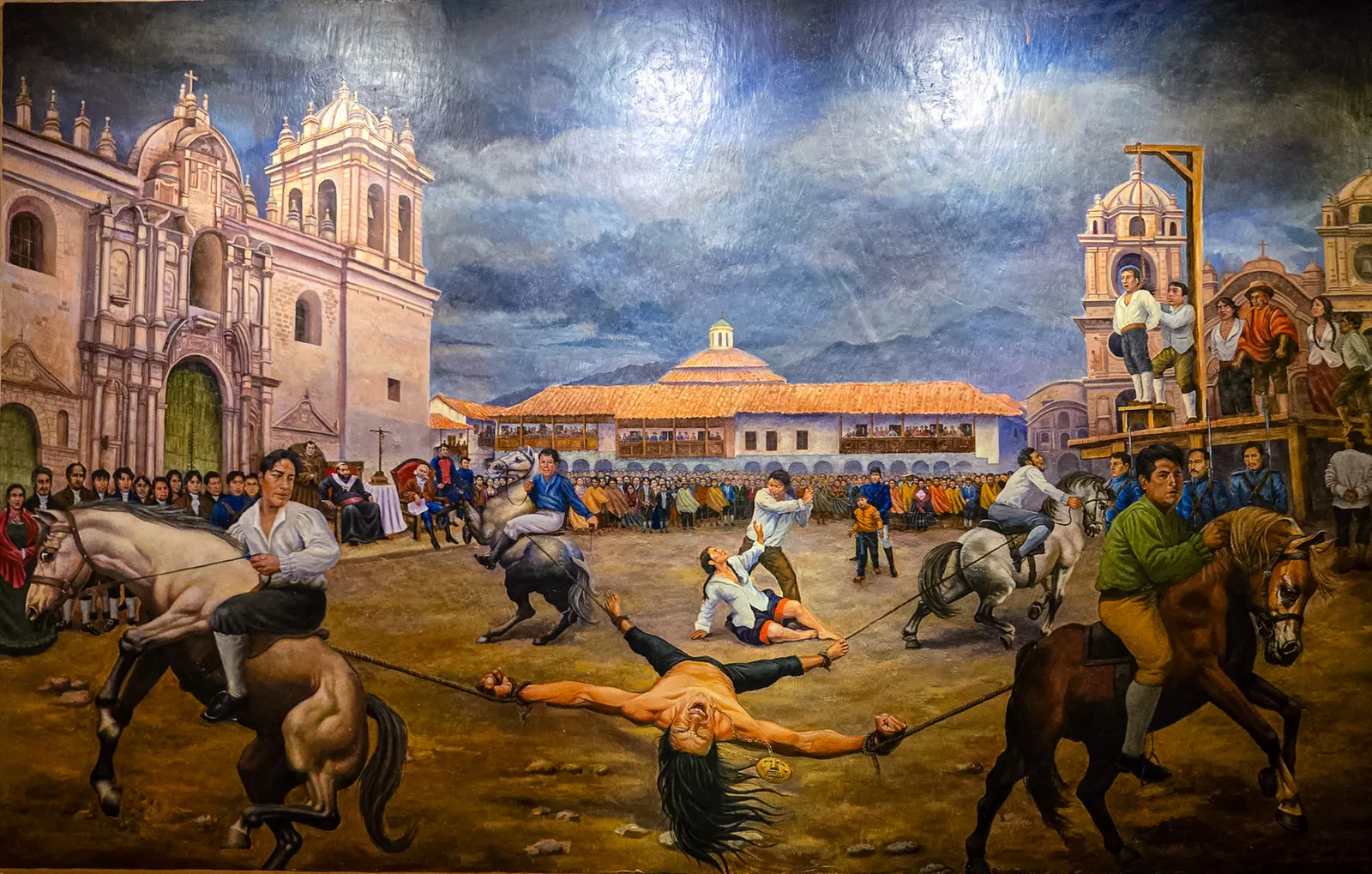
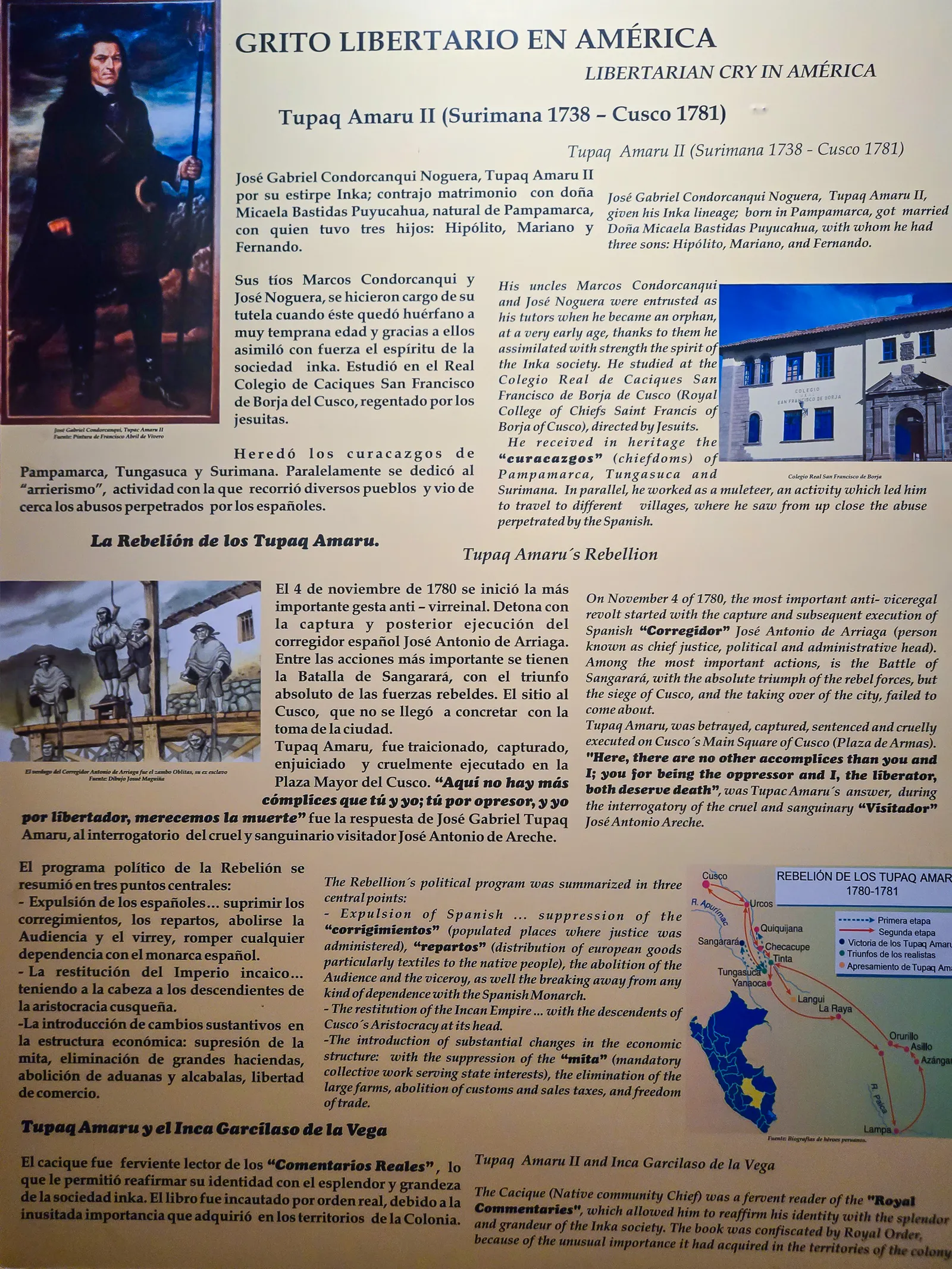
Another exhibit highlights the story of Túpac Amaru II and his rebellion against Spanish rule. His uprising nearly succeeded, drawing support from tens of thousands across Peru and Bolivia. On May 18, 1781, he was executed in Cusco's Plaza de Armas, the same square where tourists now gather at cafés and restaurants. The Spanish first forced him to witness the deaths of his wife and son before attempting to execute him by drawing and quartering. When that failed, he was beheaded. The brutality of his death transformed him into a powerful symbol of resistance that still resonates today.
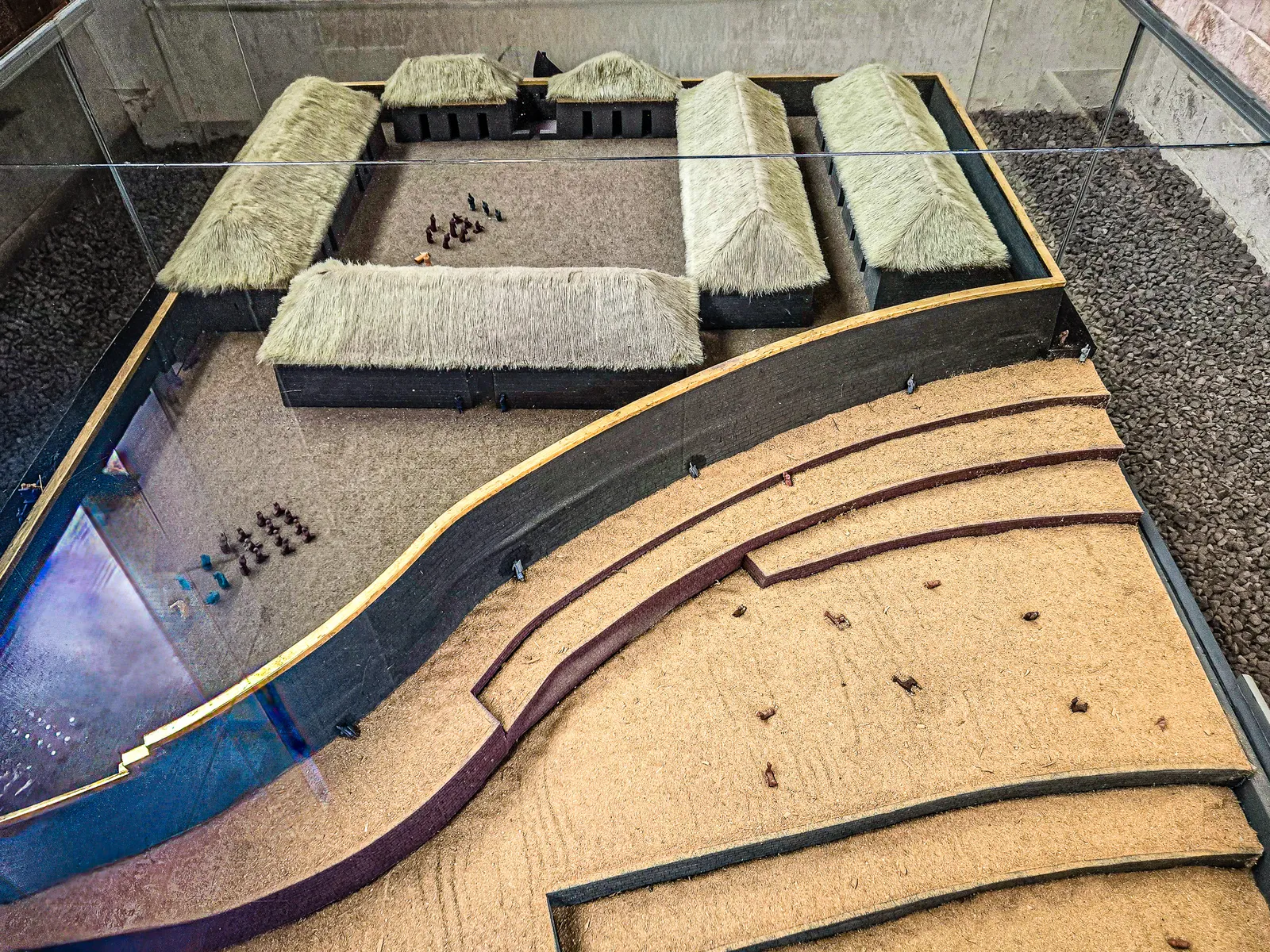
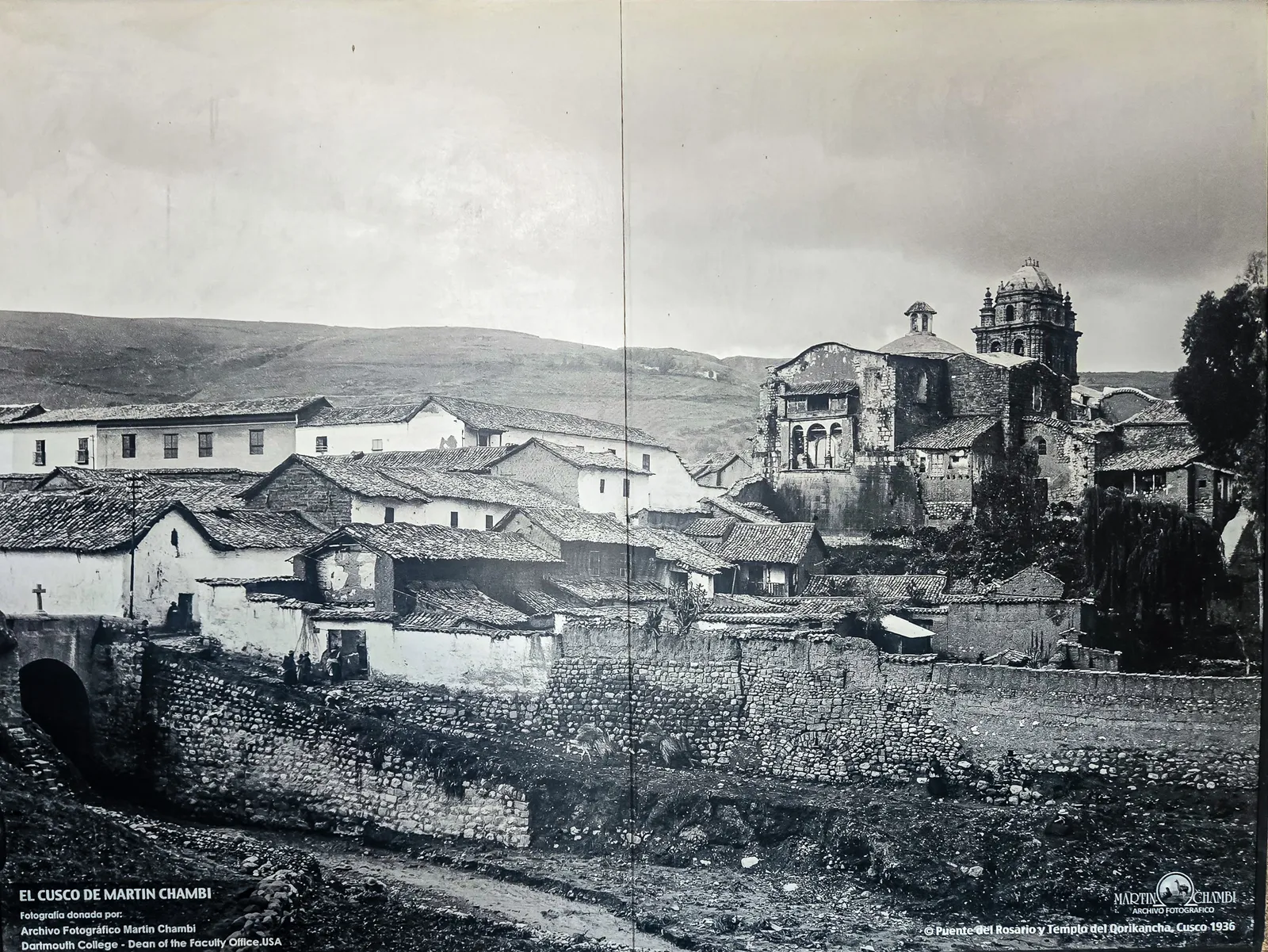
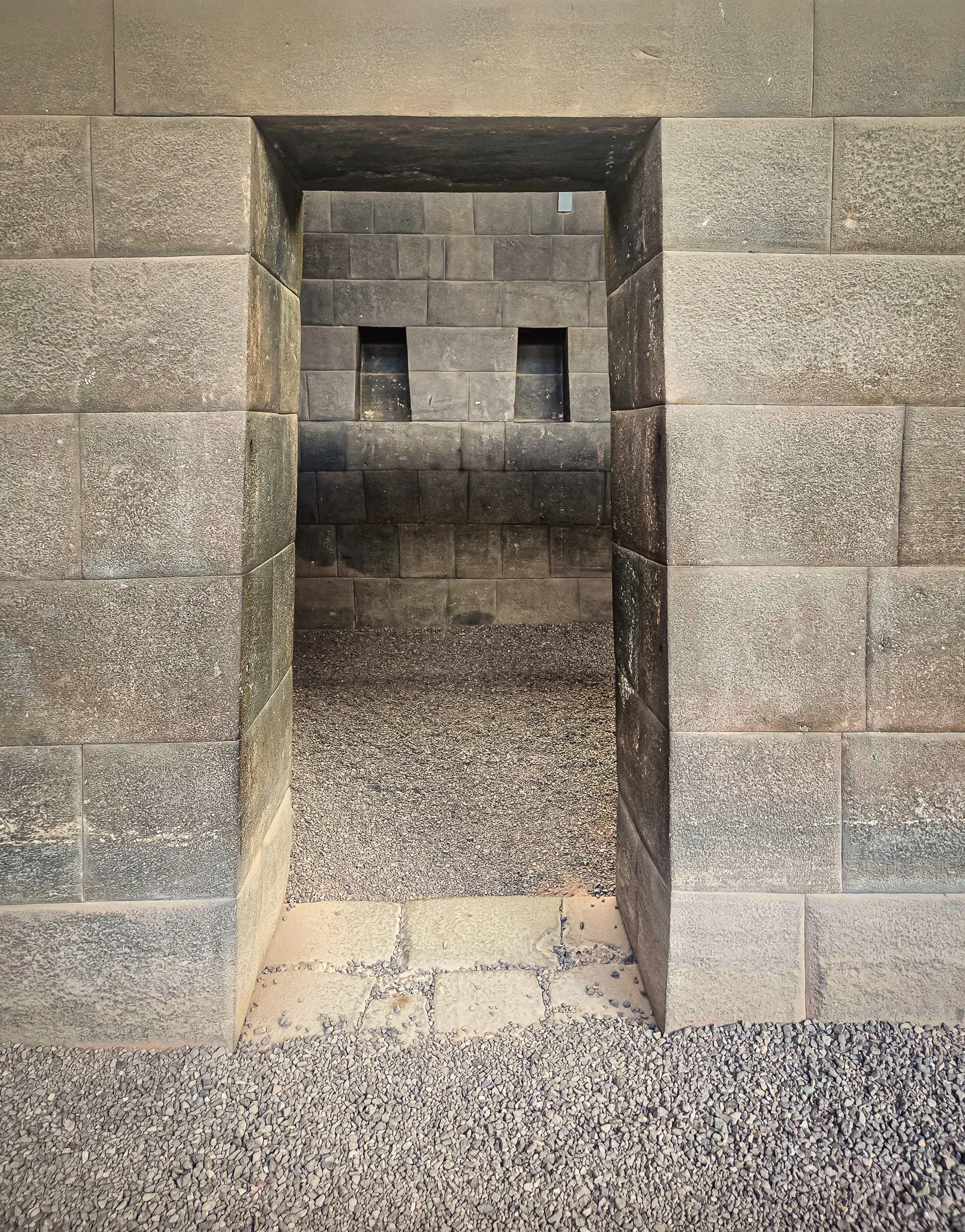
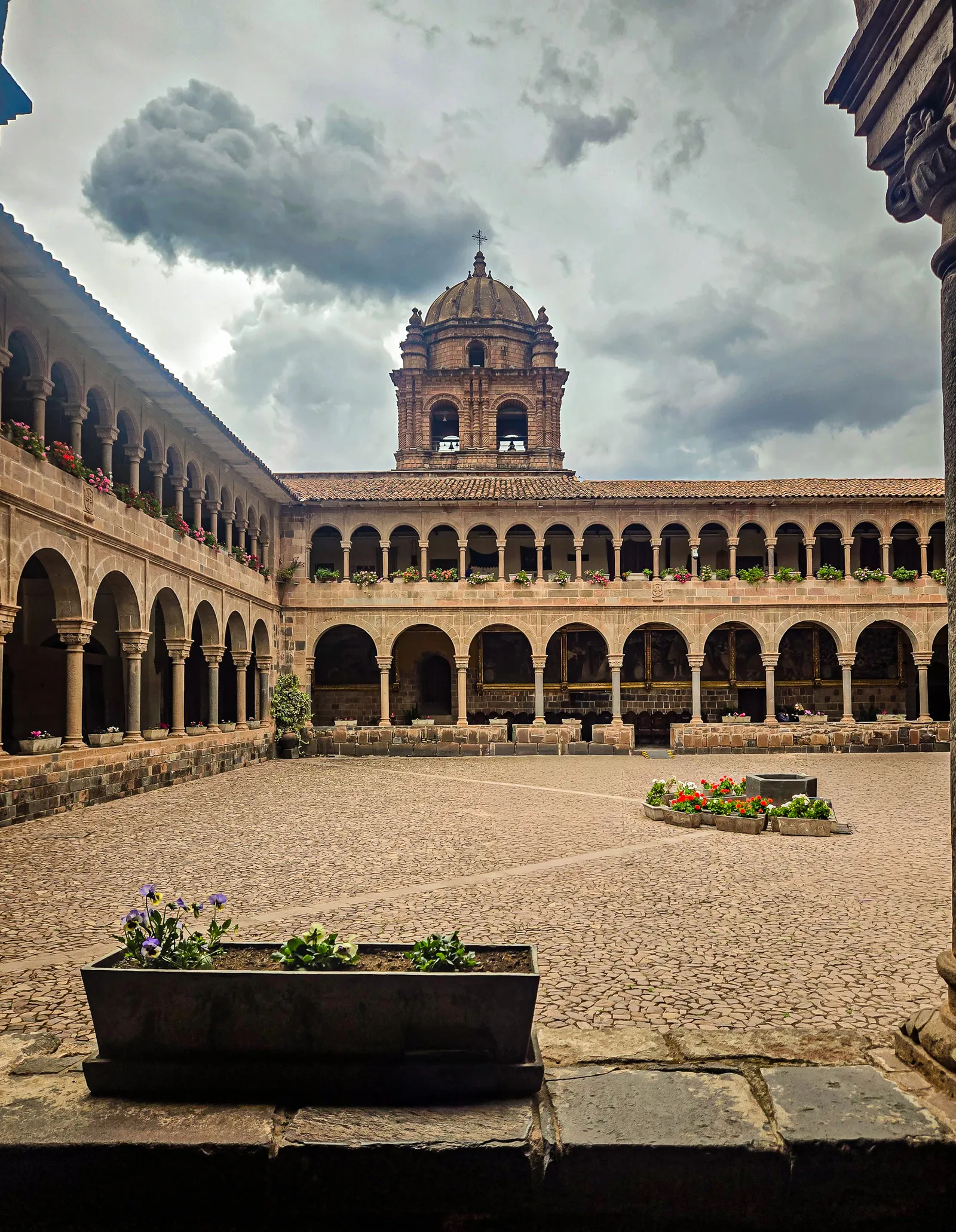
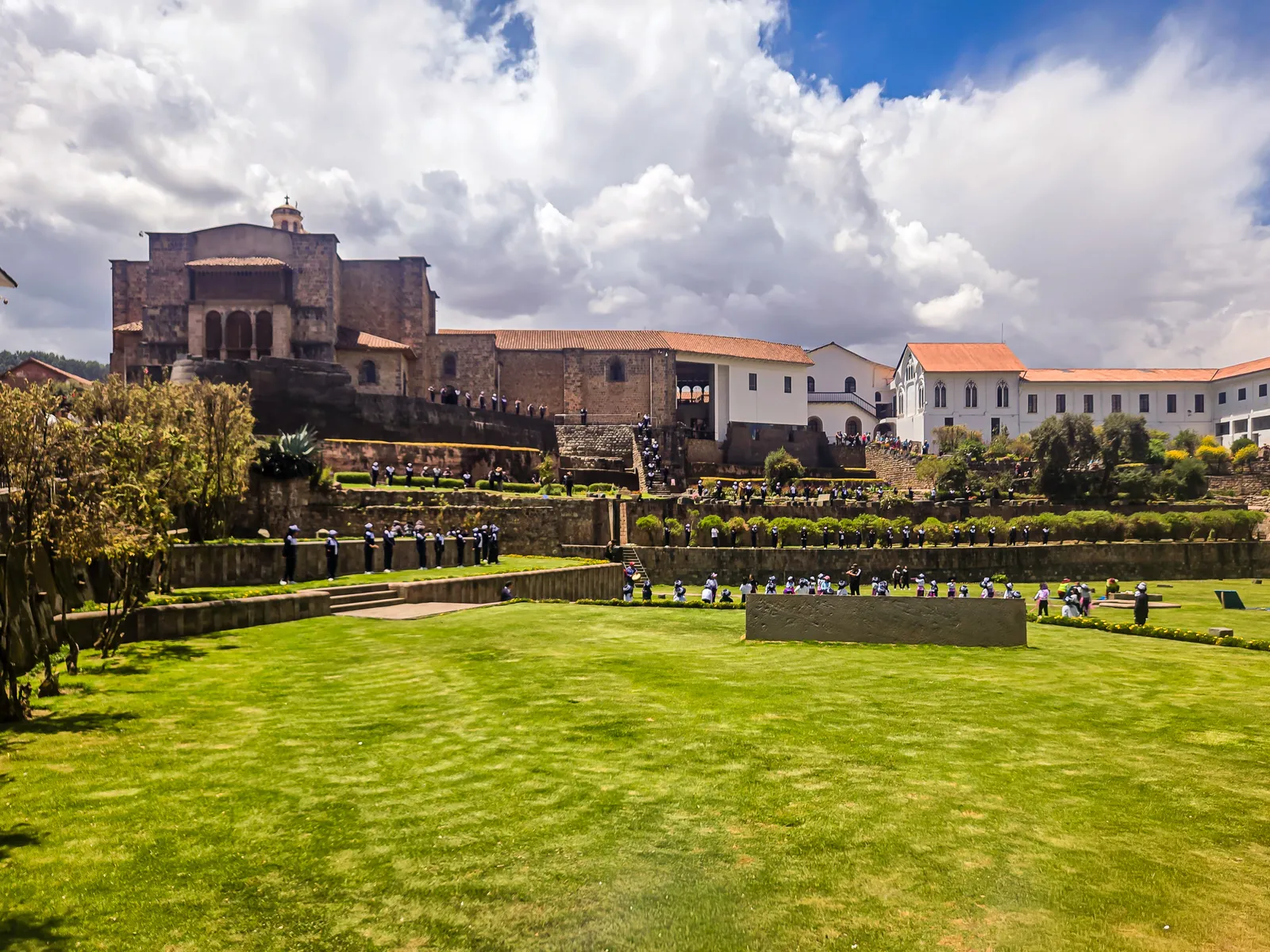
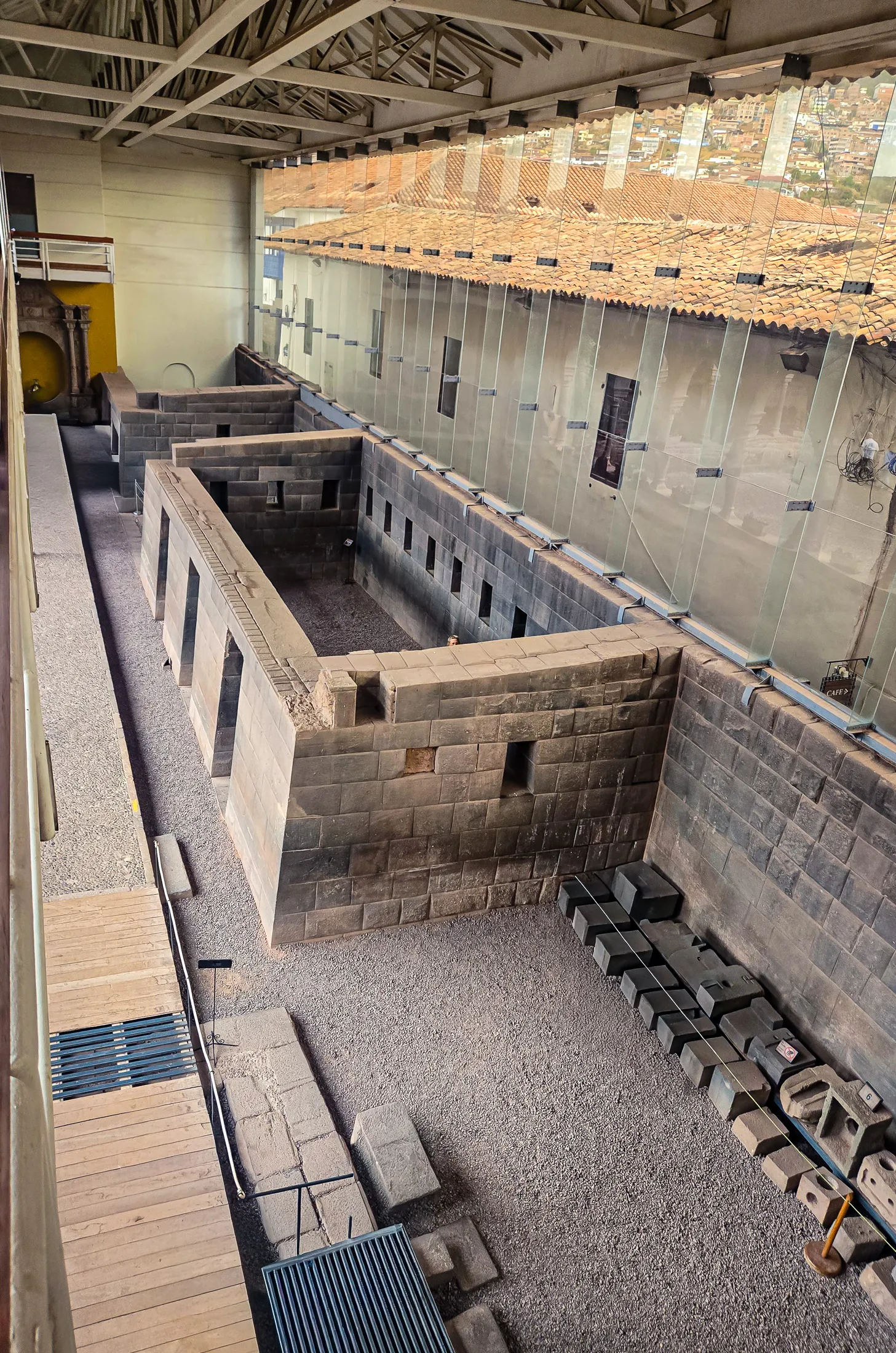
A short walk south along Avenida El Sol brought us to Qorikancha (Kor-ee-KAN-cha), where Inca spirituality and Spanish colonial ambition collided in one of the most dramatic ways imaginable. Known in Quechua (KECH-wah) as Quri Kancha (Koo-ree KAN-cha), meaning "Golden Enclosure," Qorikancha was the spiritual heart of the Inca world.
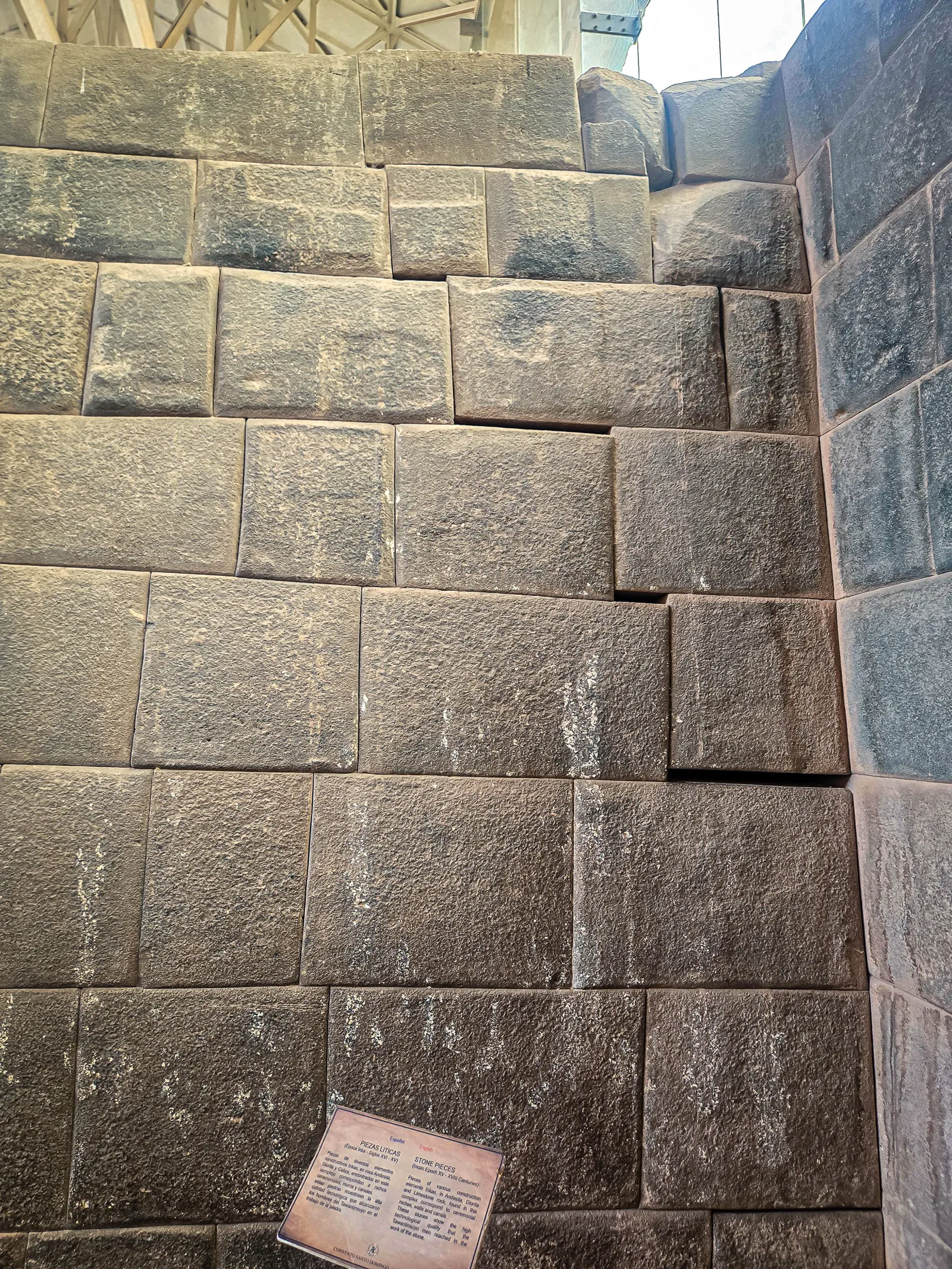
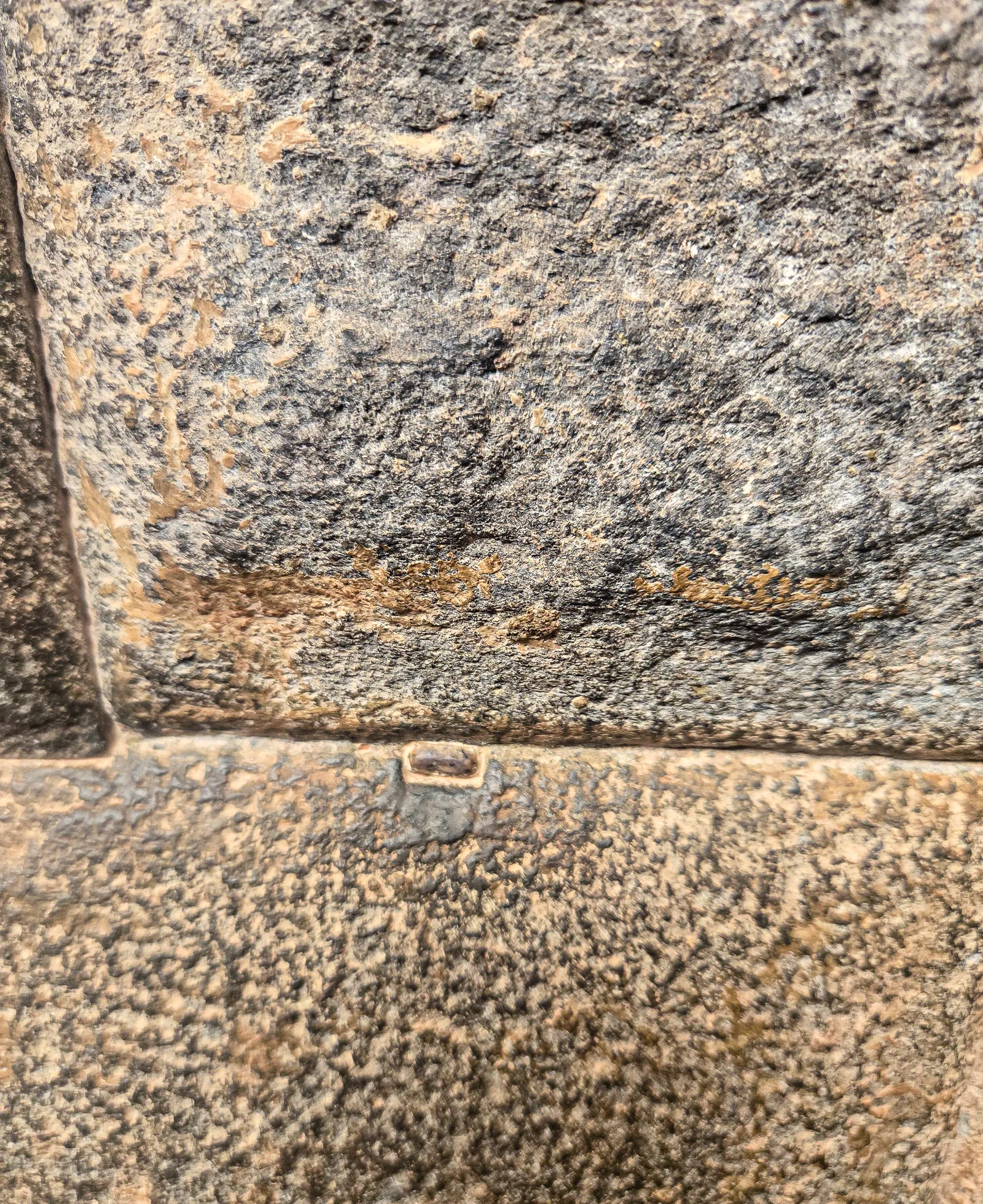
Dedicated primarily to Inti (EEN-tee), the sun god, its interior once gleamed with sheets of gold that reflected sunlight throughout the temple. Chroniclers also described golden statues and a "golden garden," reinforcing its status as the empire's holiest sanctuary. The surviving stonework, fitted with extraordinary precision and engineered to withstand earthquakes, remains among the finest examples of Inca architecture.
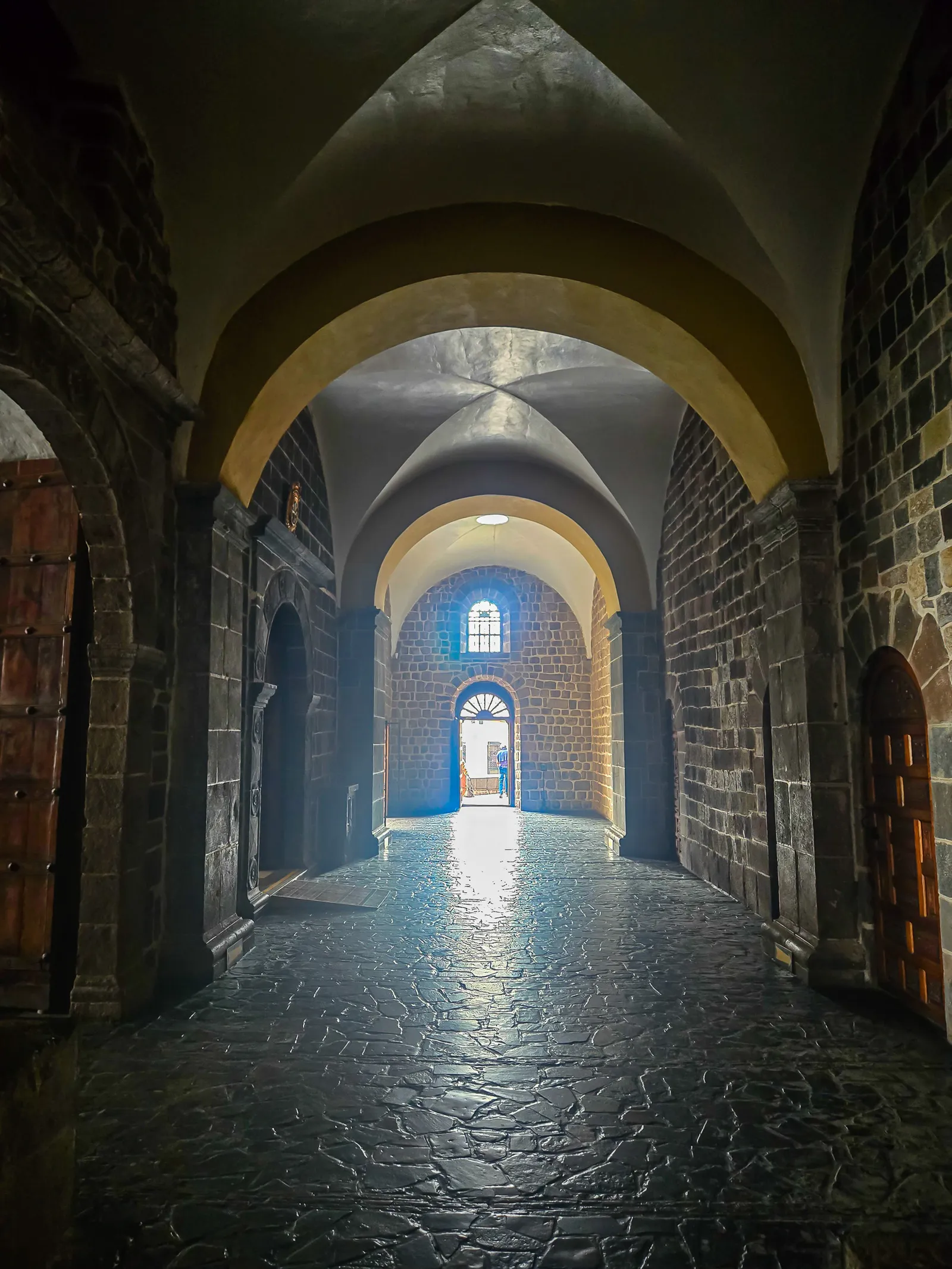
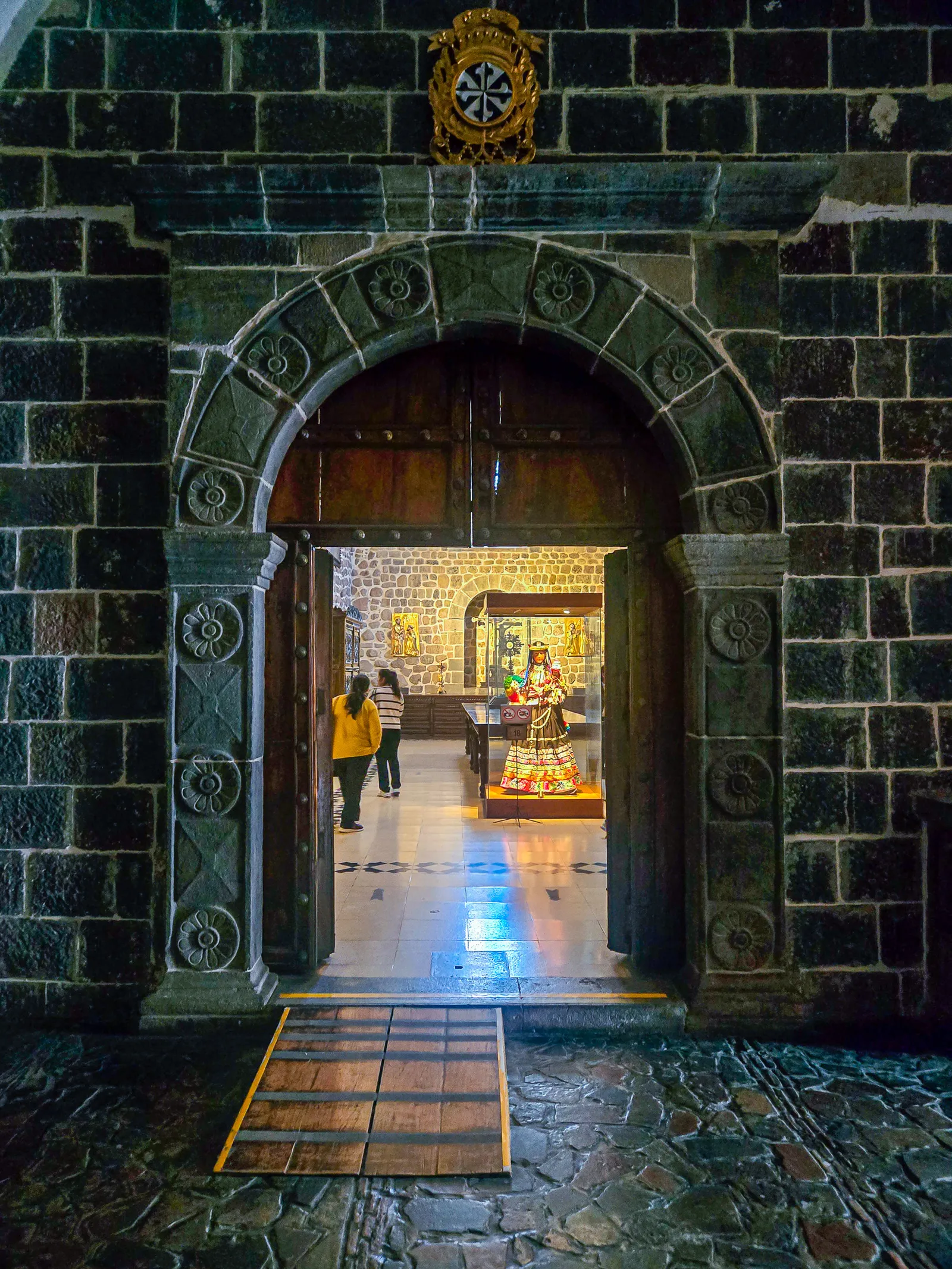
After the conquest, the Spanish stripped the temple of its gold and built the Church and Convent of Santo Domingo directly atop the Inca foundations. The result is a striking blend of cultures, with perfectly cut Inca walls supporting colonial arches, cloisters, and courtyards. Walking through the site, you can trace the layers of power, faith, and resistance embedded in the stone.
Today, Qorikancha remains one of Cusco's most important cultural landmarks and forms part of the UNESCO listed historic center. It is a place where Inca cosmology, colonial history, and modern Peru intersect, offering a powerful reminder of how civilizations overlap, endure, and transform.
A Culinary gem
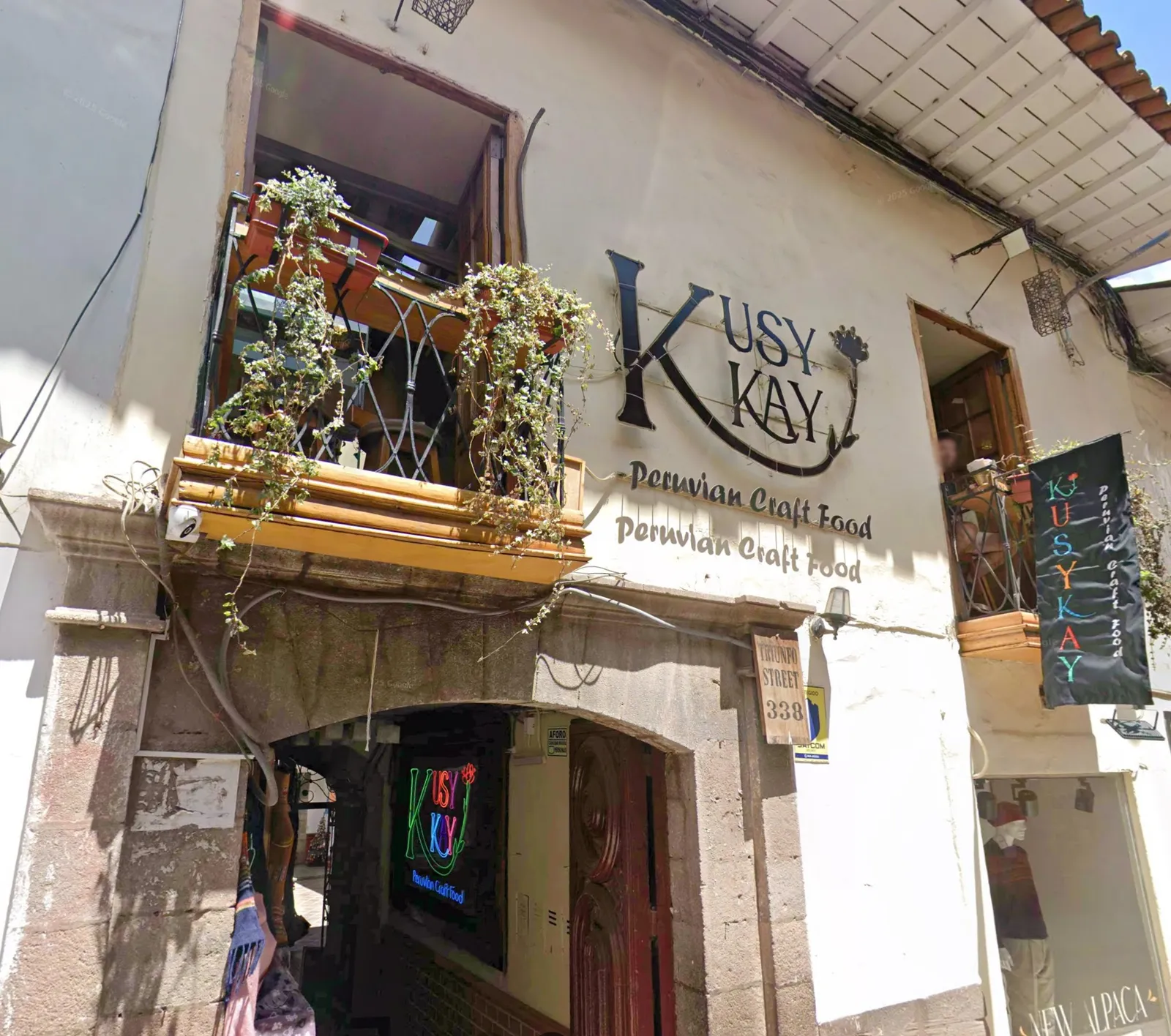
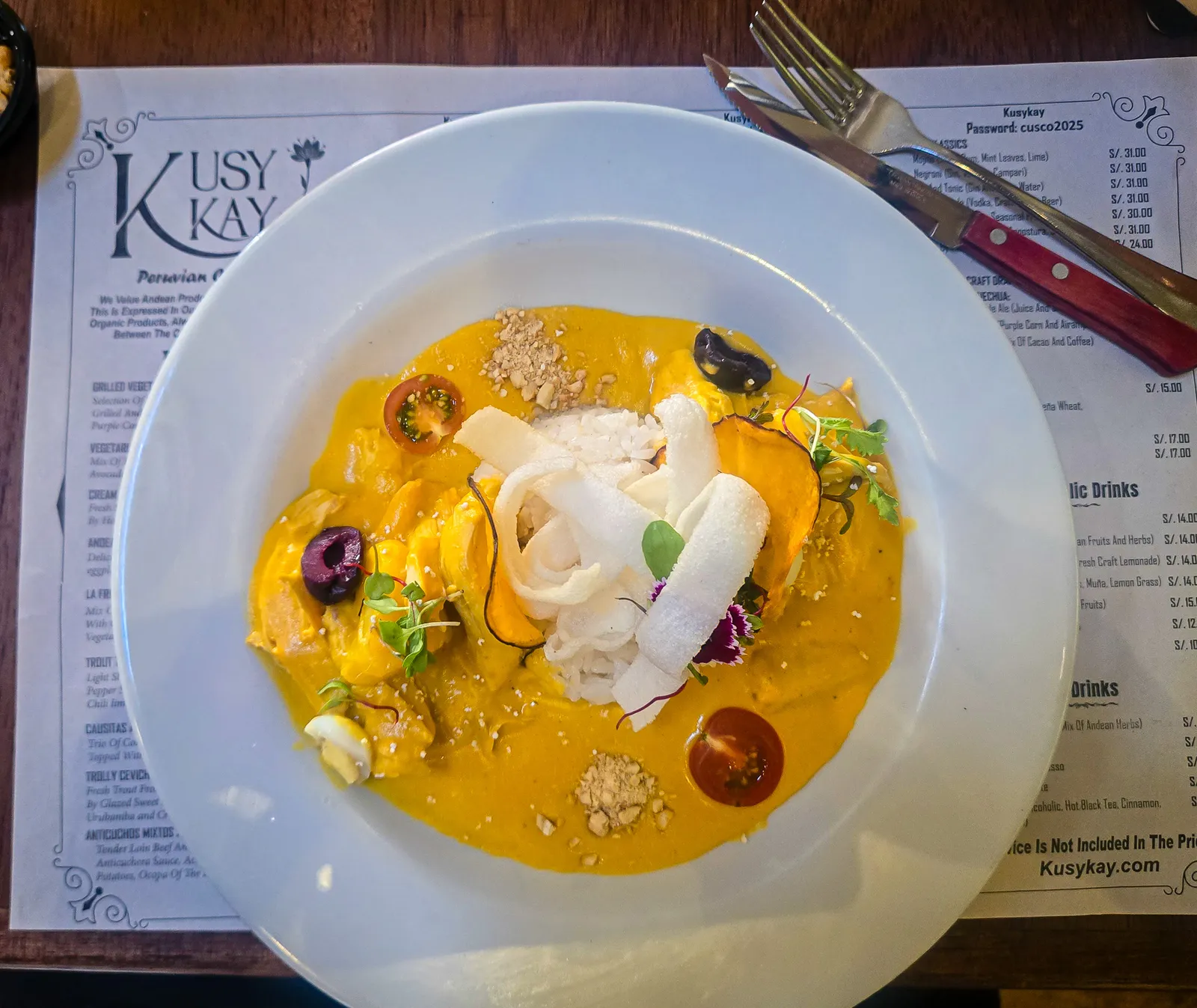
As our Cusco altitude acclimation started to wind down and we mentally prepared for the Inca Trail, we made a point to get out and explore more of the city and its food scene. One standout was Kusykay Peruvian Craft Food, a restaurant with a strong reputation in Cusco’s dining landscape, consistently ranking among the city’s top spots with thousands of excellent reviews.
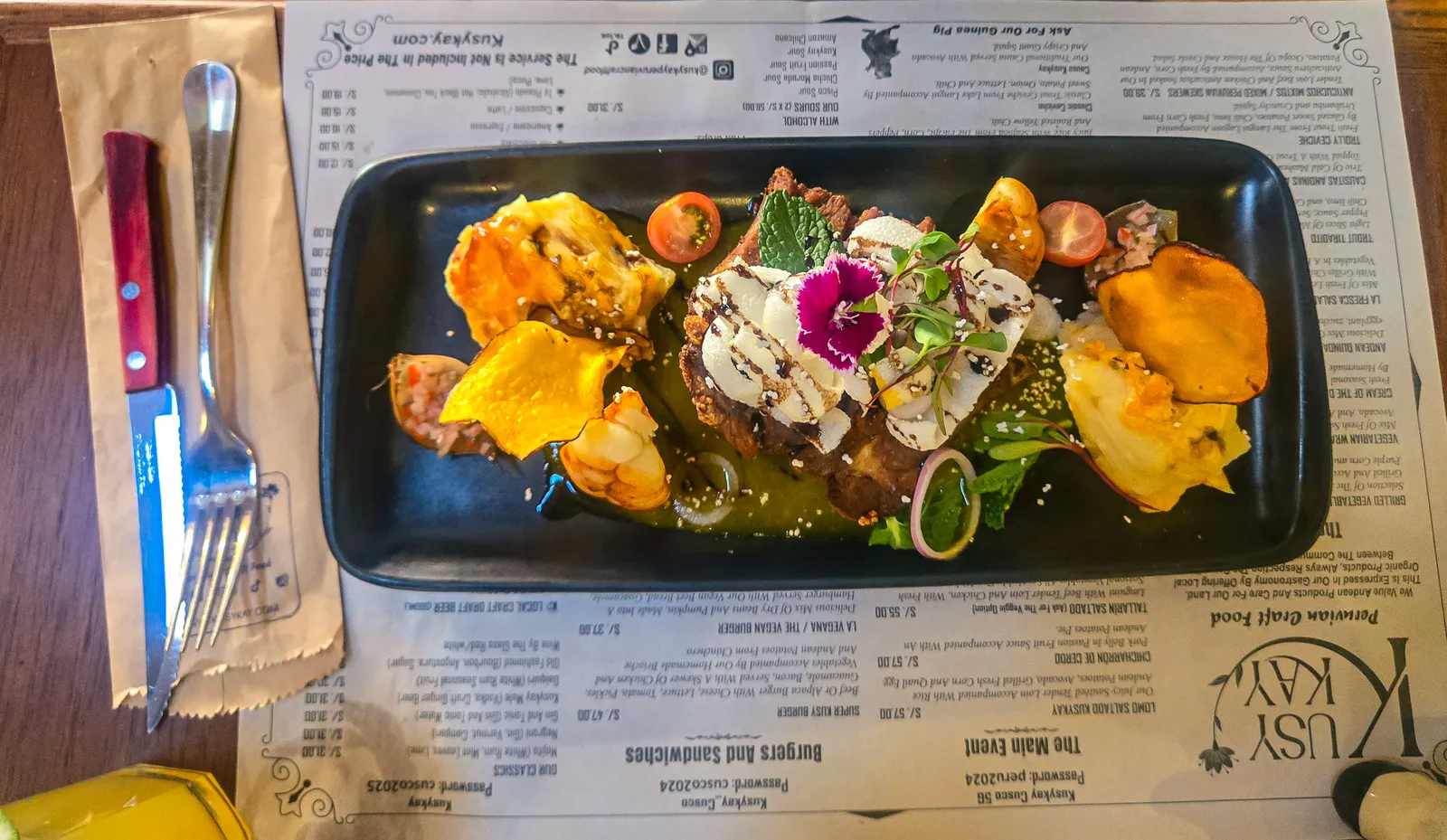
Kusykay focuses on Andean ingredients, local organic products, and creative interpretations of classic Peruvian dishes, blending tradition with modern culinary technique. The atmosphere is warm and welcoming, cozy without feeling cramped, refined without being formal. Kusykay’s menu showcases a refined take on Peruvian cuisine, with standout dishes like trout ceviche, Andean quinoa soup, and beautifully prepared alpaca loin.
Angie ordered the grilled alpaca loin in a rich port sauce, paired with a creamy yellow-pepper quinotto, a perfect balance of bold and earthy flavors. I went for the Ají de Gallina, a classic Peruvian chicken dish, but this version came with an almond-based chili sauce that added a deeper, velvety richness. Every plate felt thoughtfully composed, rooted in tradition yet elevated with a modern style. Highly recommend!
Last Night before the Inca Trail
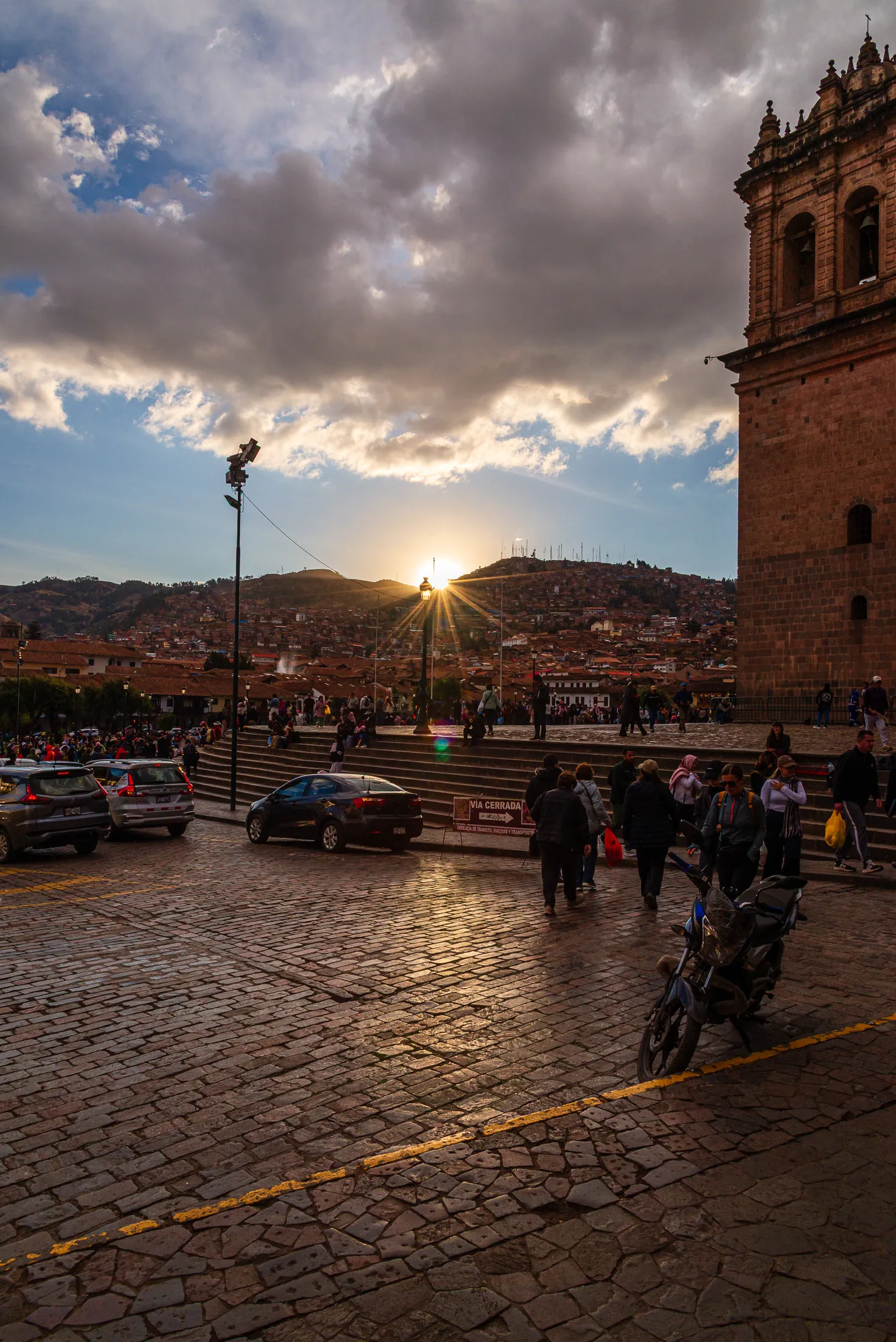
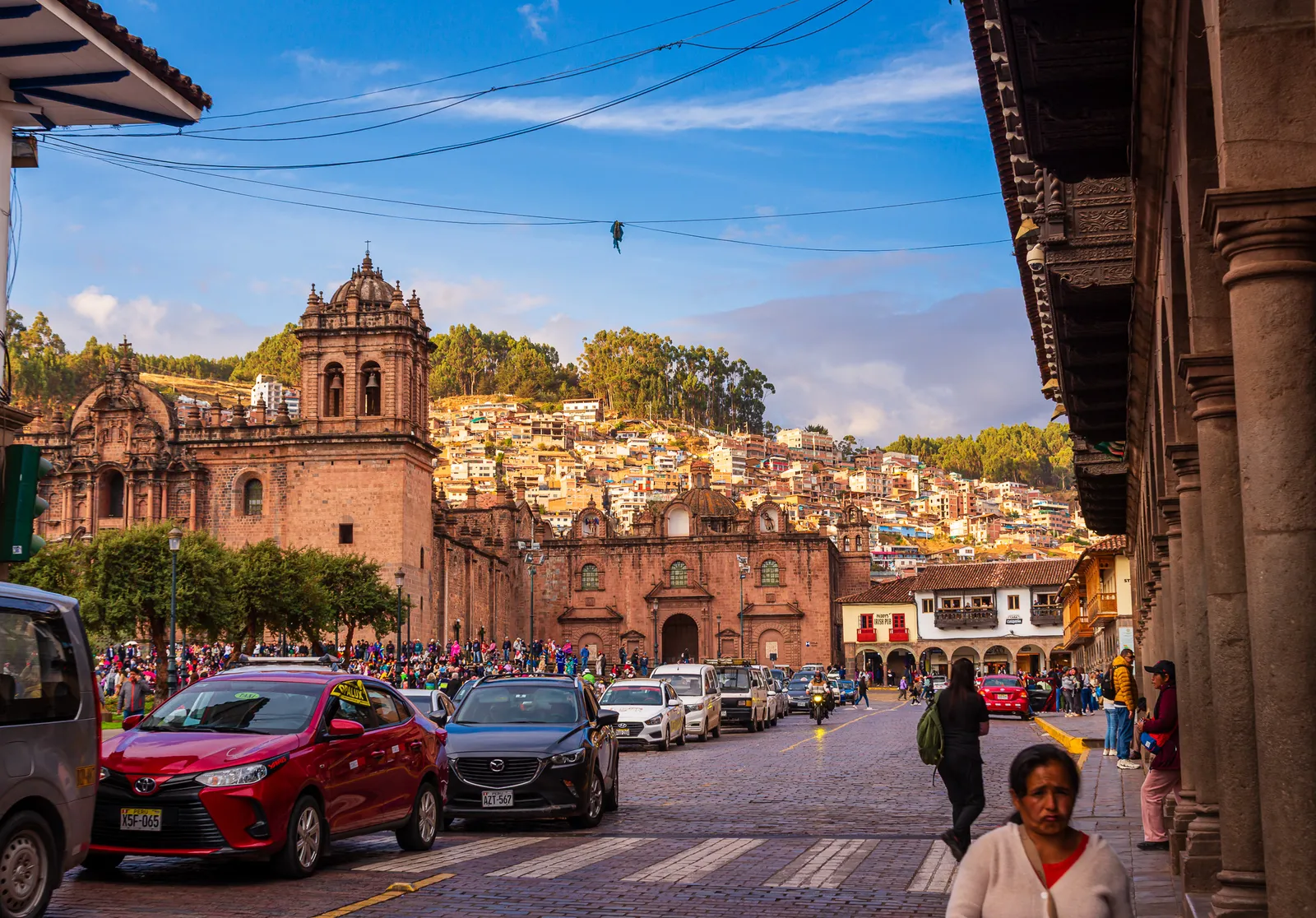
As the afternoon slipped into evening, we walked past the many storefronts around the Plaza de Armas, doing our usual search for something unique to bring home. A pair of musicians playing traditional Andean folk music caught our attention outside the Benemérita Sociedad de Artesanos del Cusco, so we stopped in and ended up finding a great piece, a ceramic plate painted with a hummingbird and finished with traditional tassels. Very cool find. The artisan hall is tucked into a small niche next to the Iglesia de la Compañía de Jesús, easy to spot thanks to the musicians out front.
Our last stop for the evening was AB Expeditions’ main office to meet our guide, fellow trekkers, and collect our gear. Back at the hotel, we faced the real challenge: packing everything into a 7kg duffel bag. Every ounce mattered when porters would be carrying our gear on their backs up and down mountains for five days. With bags packed, staged, and ready for the 7 AM pickup, there was nothing left but sleep. Easier said than done when you’re about to hike 26 miles through the Andes to Machu Picchu.
Watch this part of the journey