
Our September 2025 Inca Trail Experience
In September 2025, my wife and I hiked the classic 4-day Inca Trail with AB Expeditions, plus a bonus fifth day to explore Machu Picchu. Four days from Kilometer 82 to the Sun Gate, one day to return and see what we’d been too exhausted to appreciate. Here’s what that actually looked like:
- Four days, three nights camping on the trail
- Three mountain passes, with Dead Woman’s Pass topping out at 13,828 feet
- The route passes eight archaeological sites, and September offers dry, sunny days with cold nights
- A week acclimatizing in Cusco beforehand (Part 1 – absolutely worth it)
- Bonus Day 5: Circuit 3 exploration and an attempted Machu Picchu Mountain hike (spoiler: we turned around)
After a week acclimatizing in Cusco, my wife and I walked every mile of this trail in September 2025. This guide is based on what actually happened, the good parts and the parts where I fell into a bush and nearly became a statistic.
Day 1: Kilometer 82 to Hatunchaca Campsite (7 miles)
Meeting Our Guide and Starting the Journey
The 4:30 AM alarm wasn’t a surprise, but it still hurt. Showered, dressed, and down to the lobby for one last cup of coca tea before saying goodbye to the Boutique Garden Hotel. A quick chat with Miguel at the front desk, then the organized chaos of staging suitcases, duffel bags, and backpacks for pickup.
We waited outside expecting a van, but our hotel sat on a steep hill. Our guide and porters walked up instead. The greeting was awkward, us standing there with all our gear, them slightly winded from the climb, but handshakes smoothed things over. We walked downhill together to their parked van.
Meeting our guide Yiyo set the tone for the next five days. Tall, lanky, with a buff concealing long hair and gold mirrored sunglasses, he spoke excellent English and had us laughing within minutes. We drove across Cusco to pick up our only fellow trekker: Leoni from Switzerland. With everyone aboard, we headed toward Ollantaytambo, then Piscacucho, the gateway to the classic Inca Trail.
Kilometer 82: The Official Start
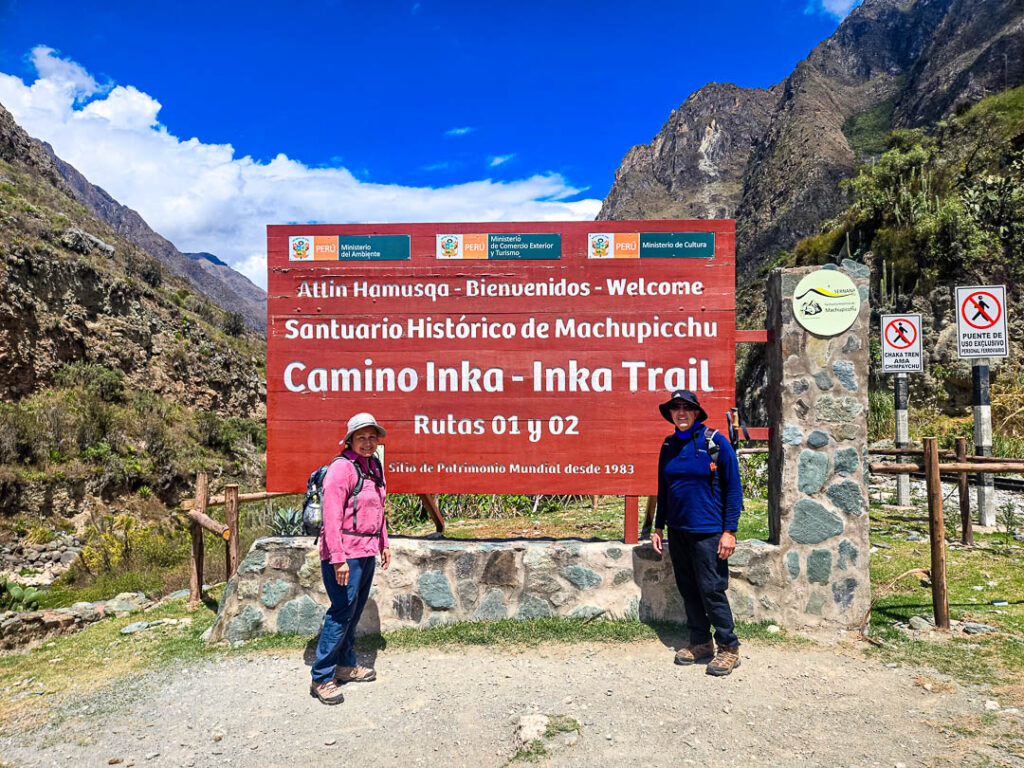
About 90 minutes later, we arrived at Kilometer 82. We grabbed our packs, passed through the checkpoint, and took the obligatory photo in front of the big red sign.
The trek had officially begun!
The Hike to Miskay
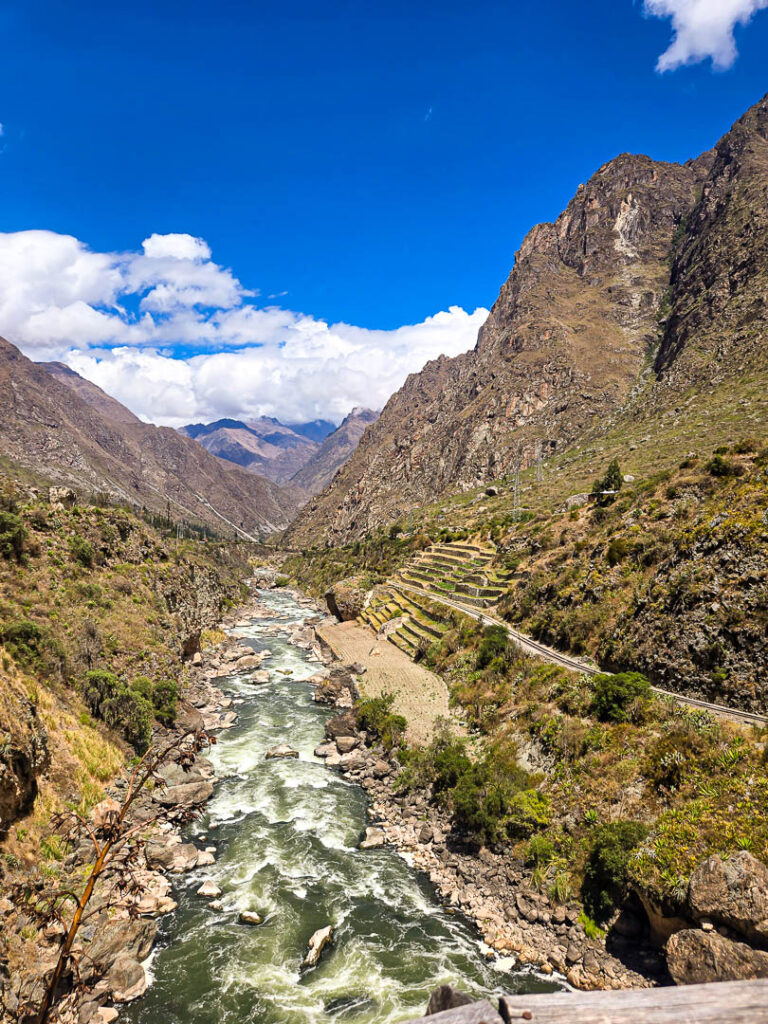
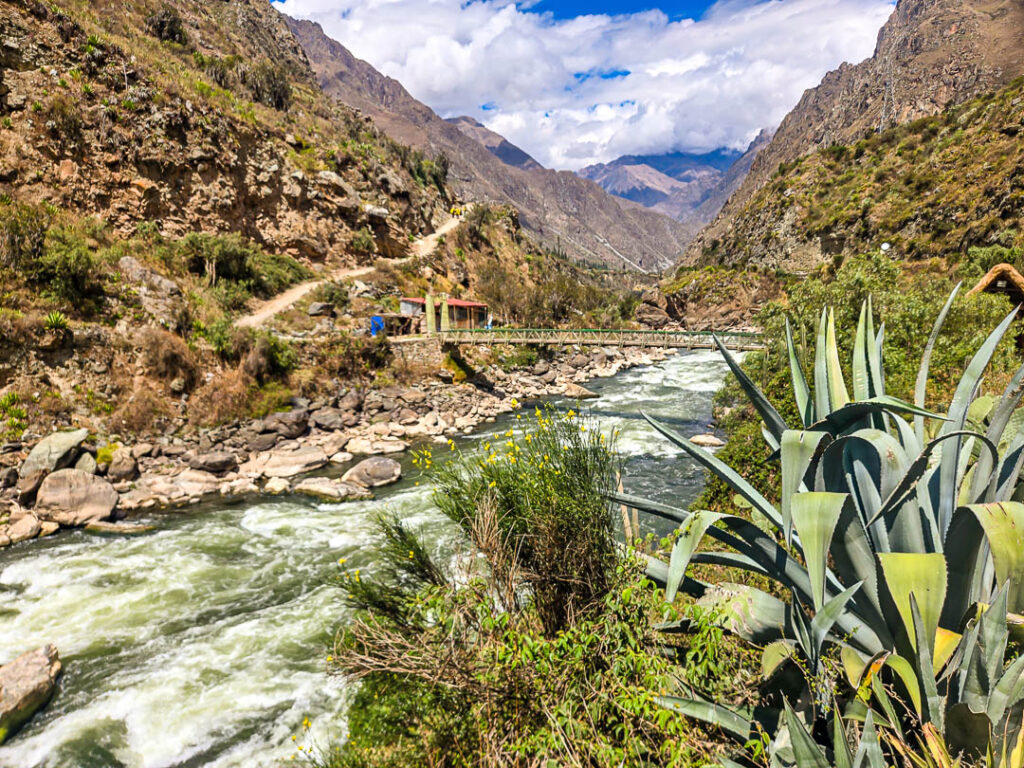
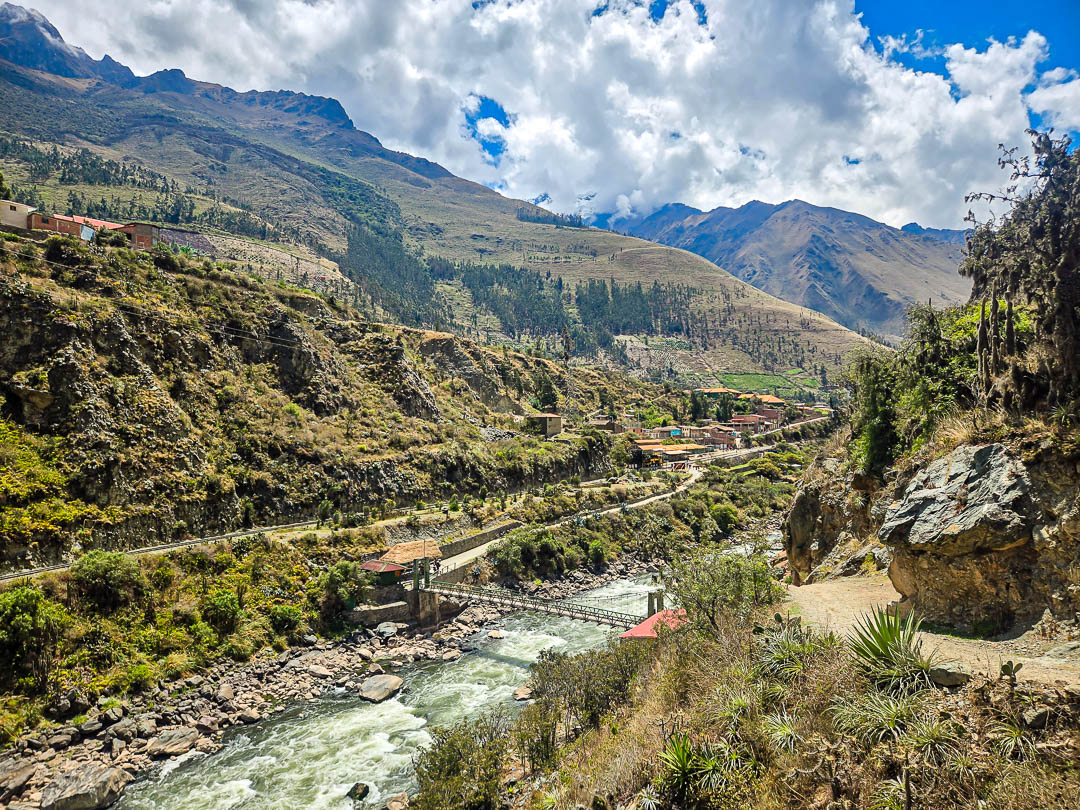
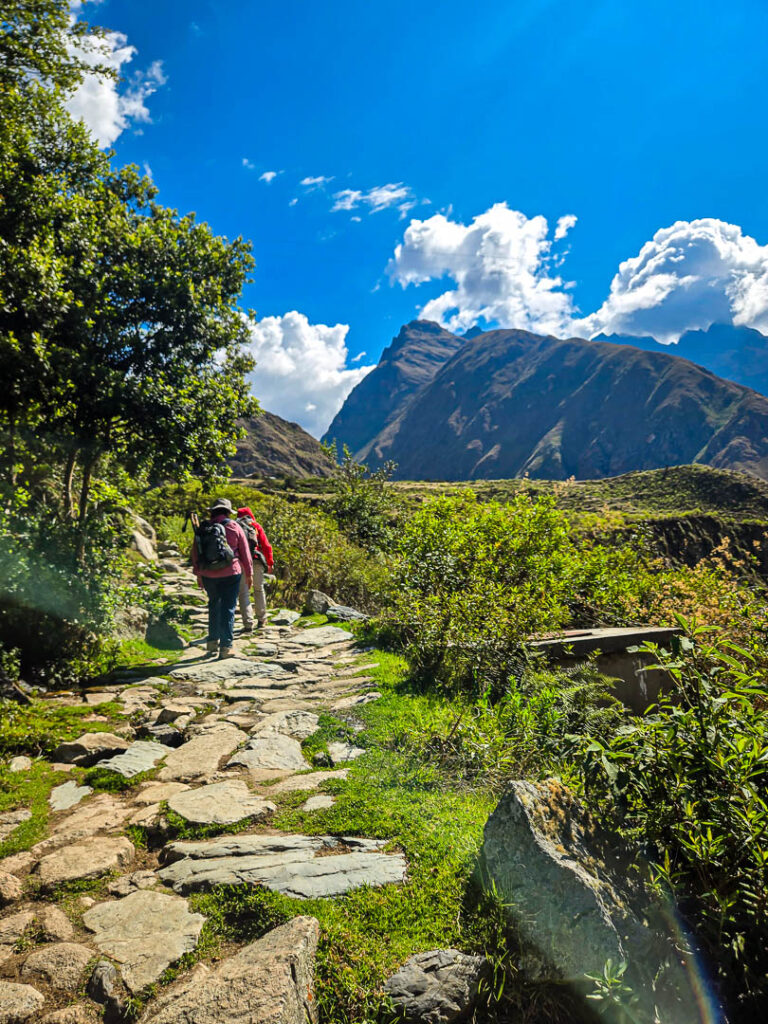
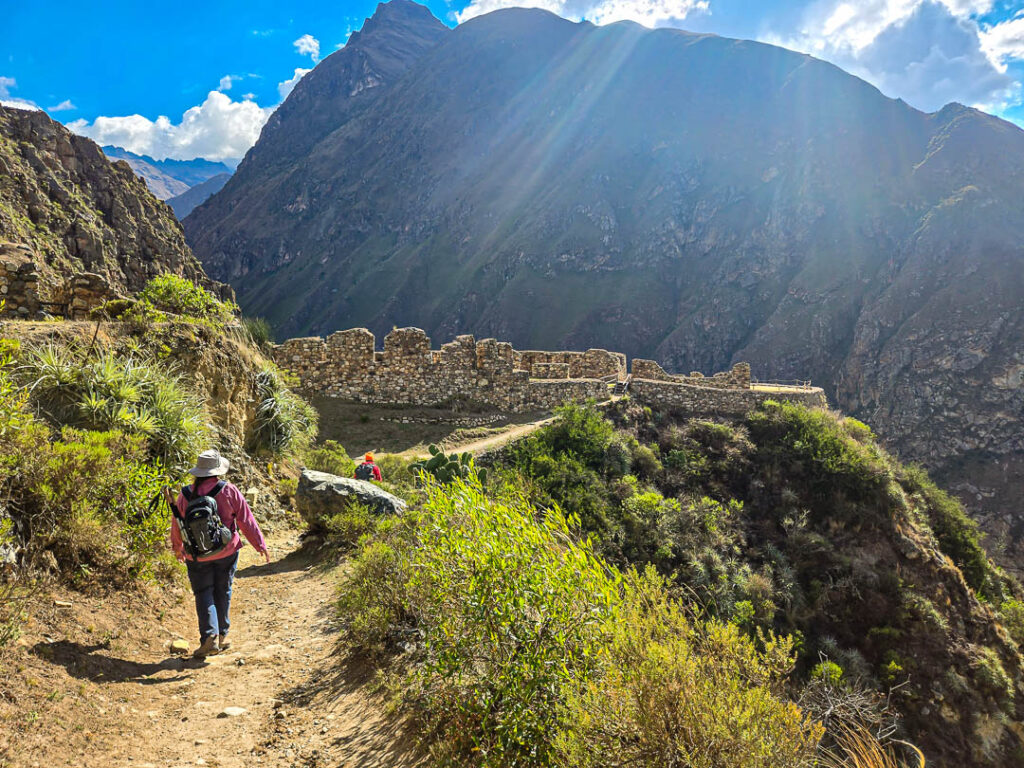
The trail started easy and flat after crossing the wooden suspension bridge, following the left bank of the Urubamba River. The incline came gradually, first to a rest stop for water and a group check-in, then steeper as we pushed toward lunch.
Around 3.5 hours in, we reached Miskay for our first meal. That’s when I started regretting my packing choices. I’d packed like I was shooting a National Geographic documentary instead of someone who had to carry it all uphill for five days.
Climbing to Hatunchaca Campsite
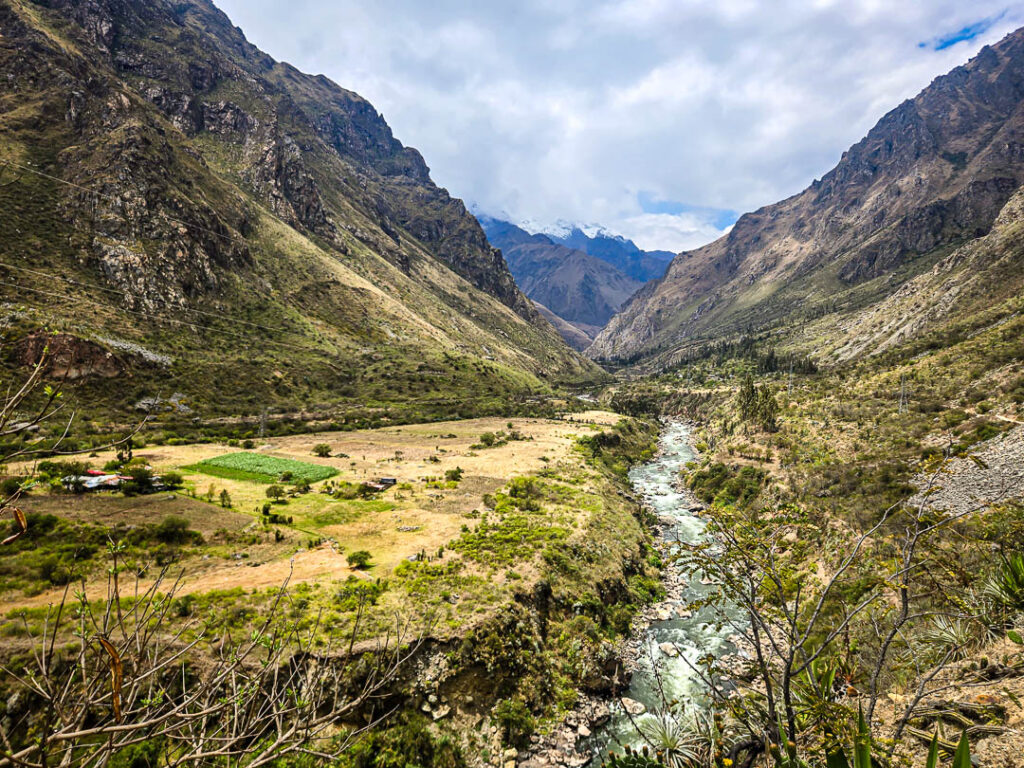
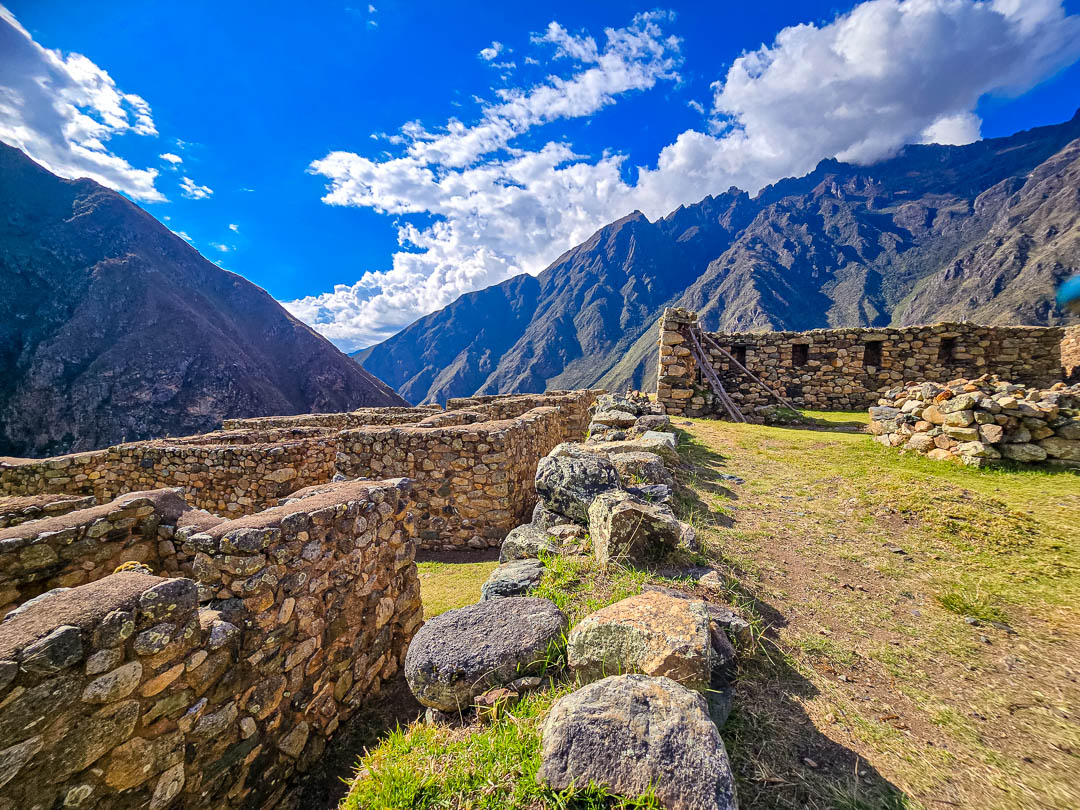
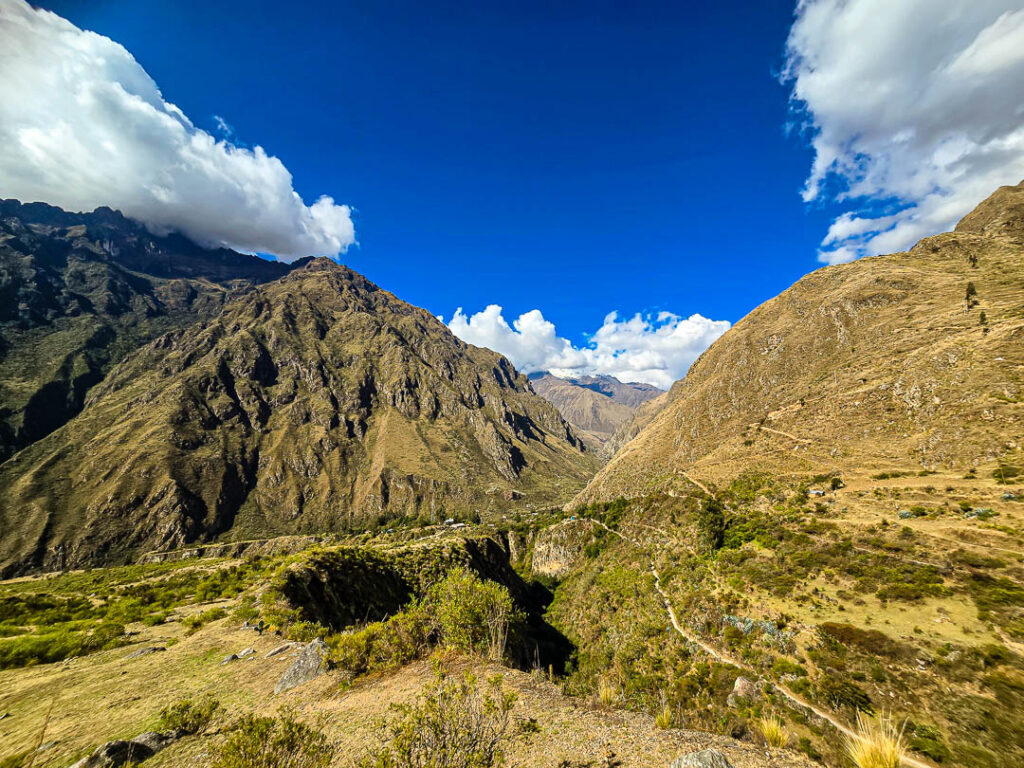
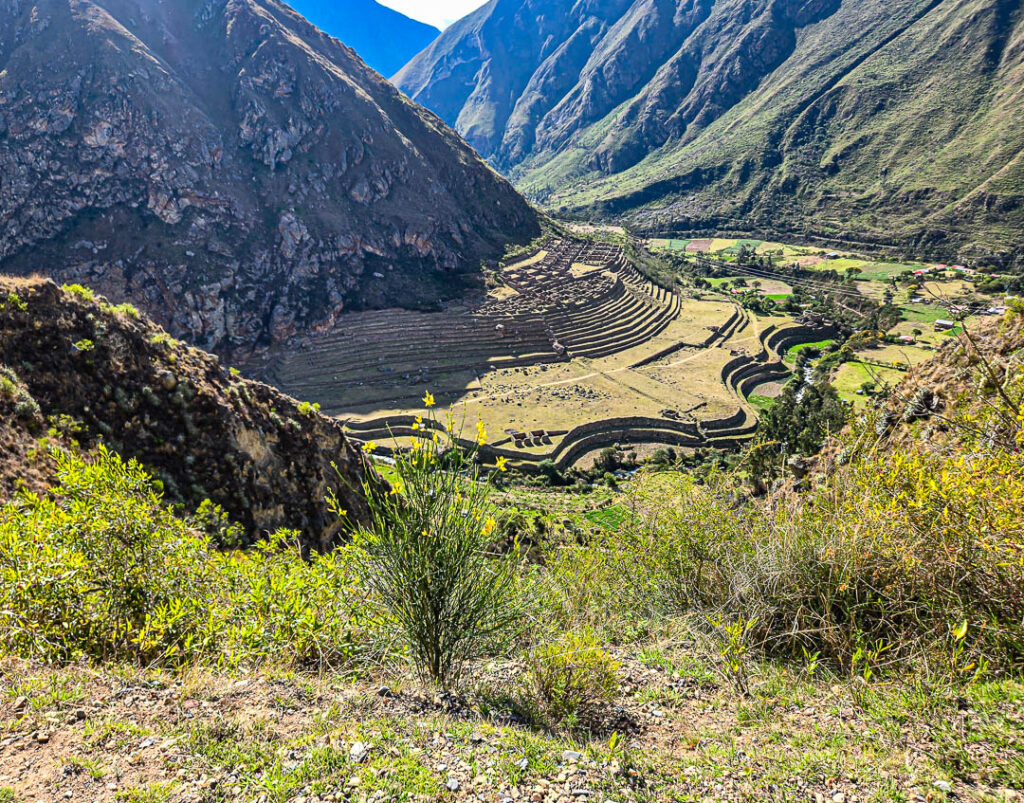
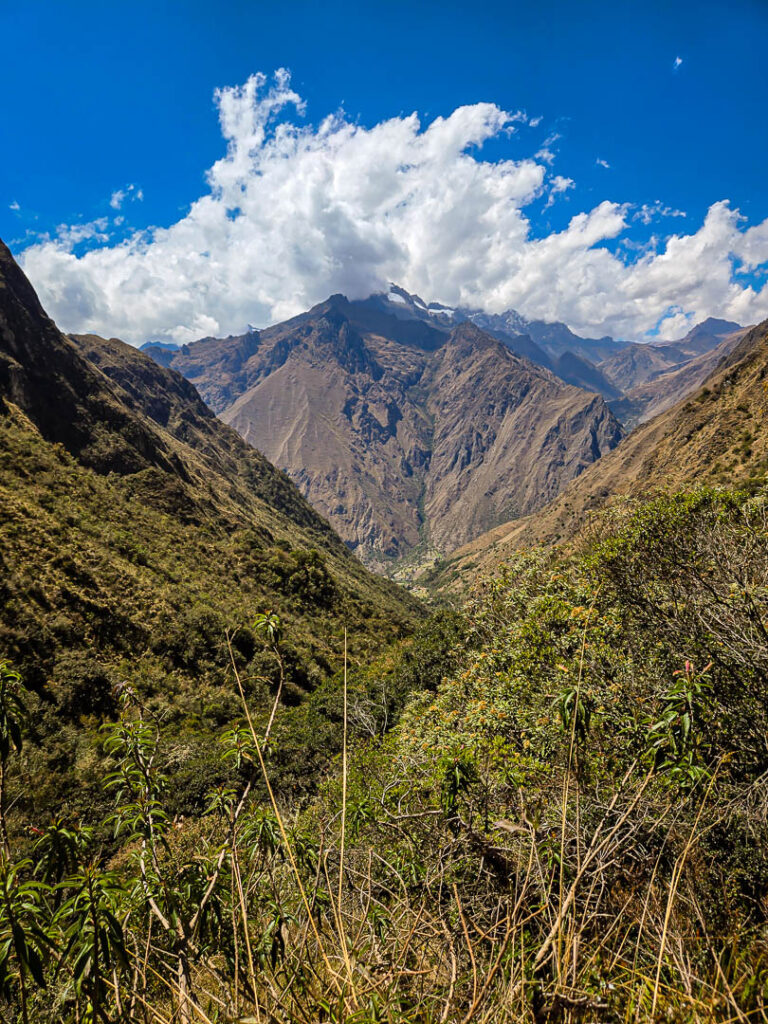
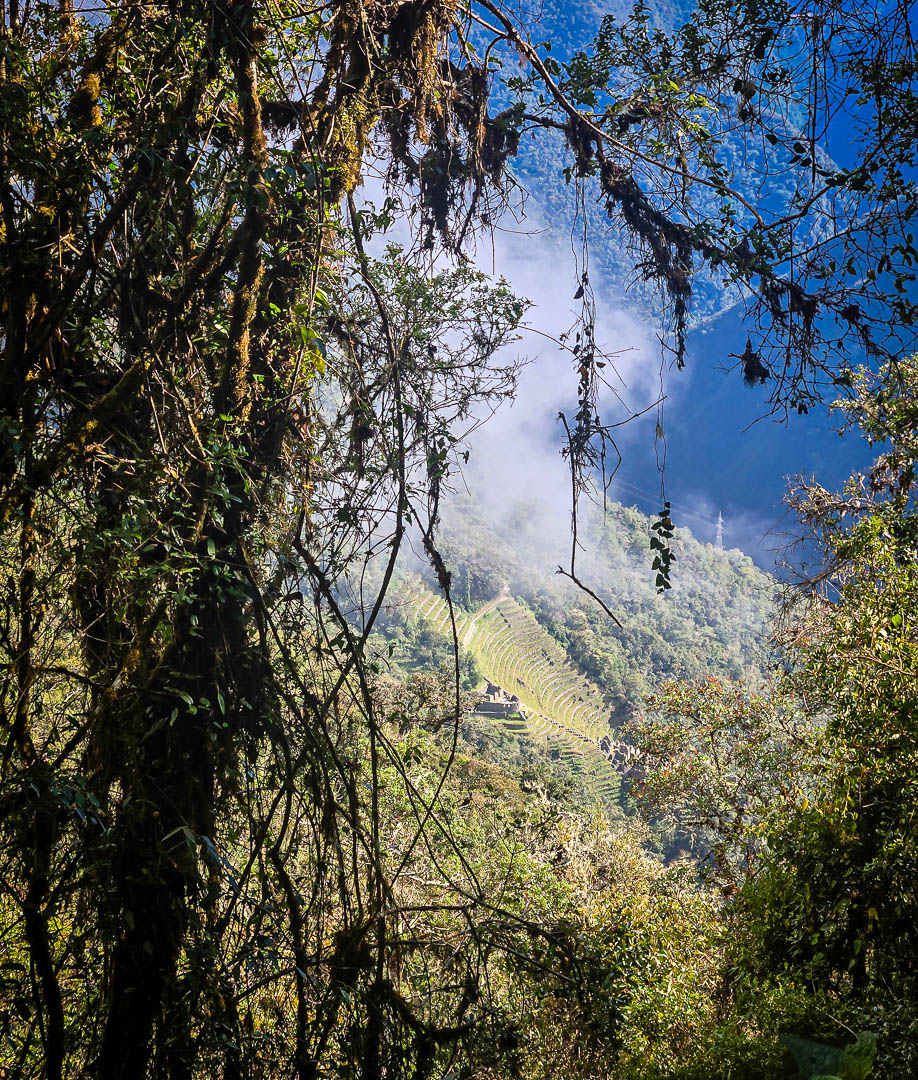
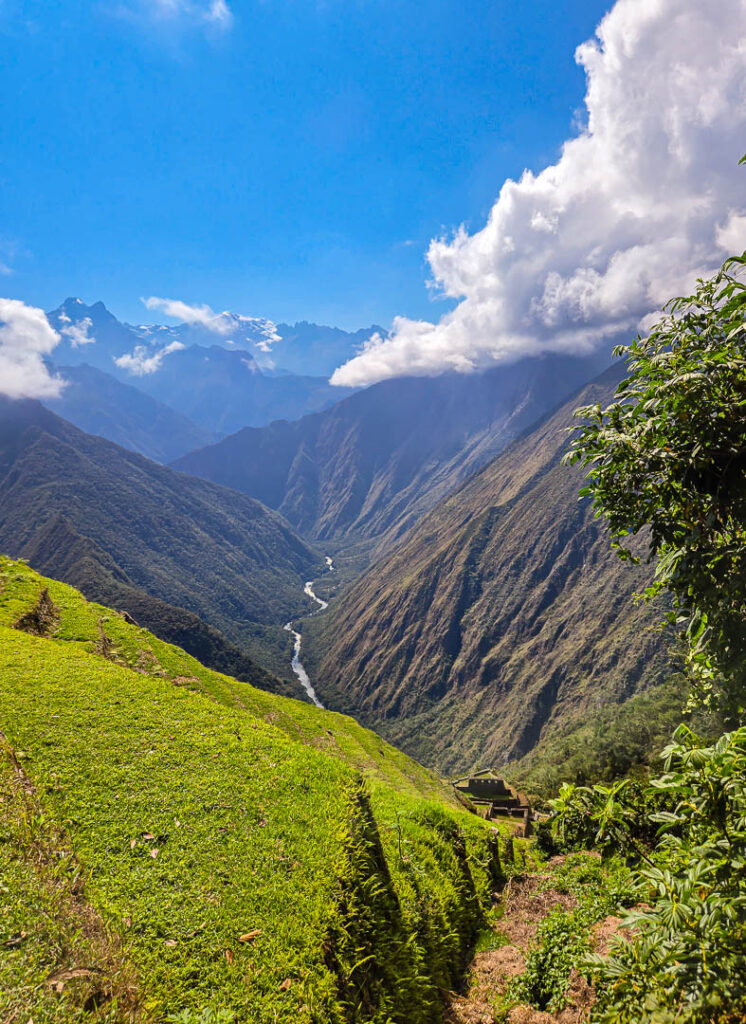
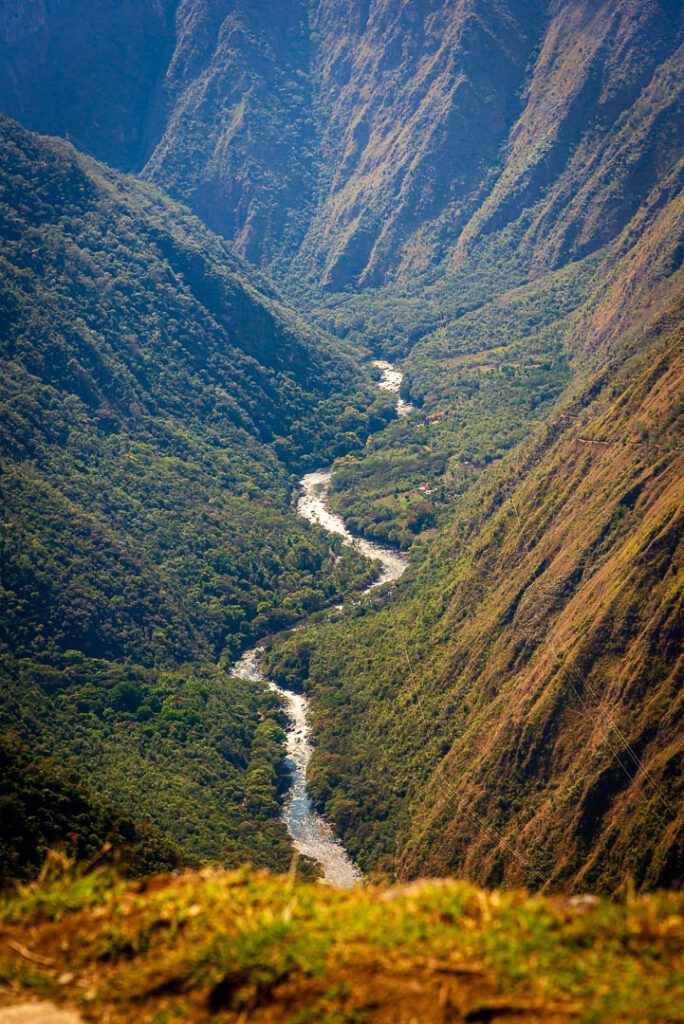
After lunch, the landscape opened up, mountains, valleys, and the Urubamba River winding below. Yiyo mentioned a surprise ahead, and around the next bend, we reached Willkaraqay (Huillca Raccay), a commanding viewpoint overlooking the Llactapata ruins sprawled across the valley floor.
From there, the trail turned south, leaving the Sacred River behind; then it was straight up. Every switchback brought us closer to camp, and every step reminded me of that overweight pack.
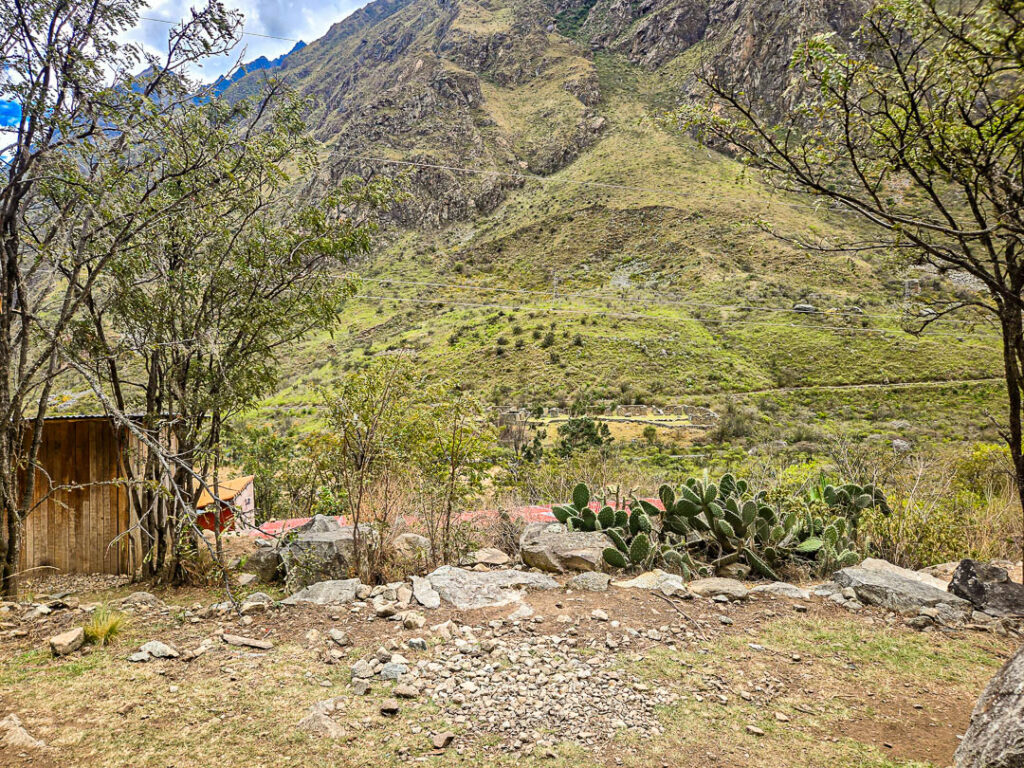
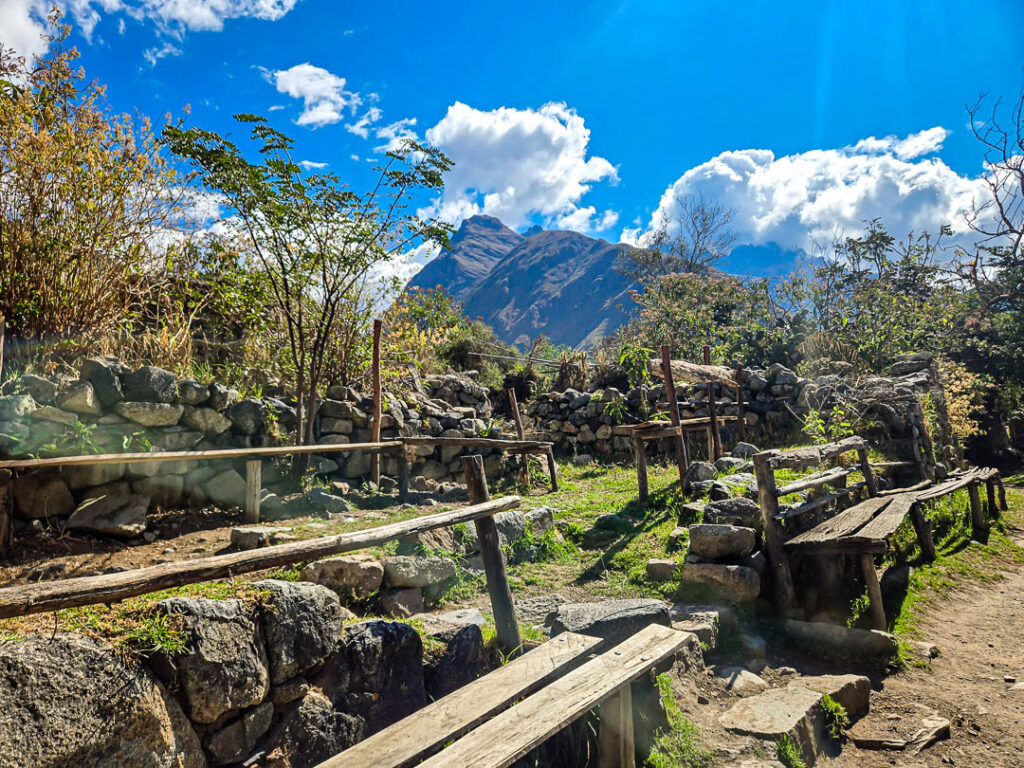
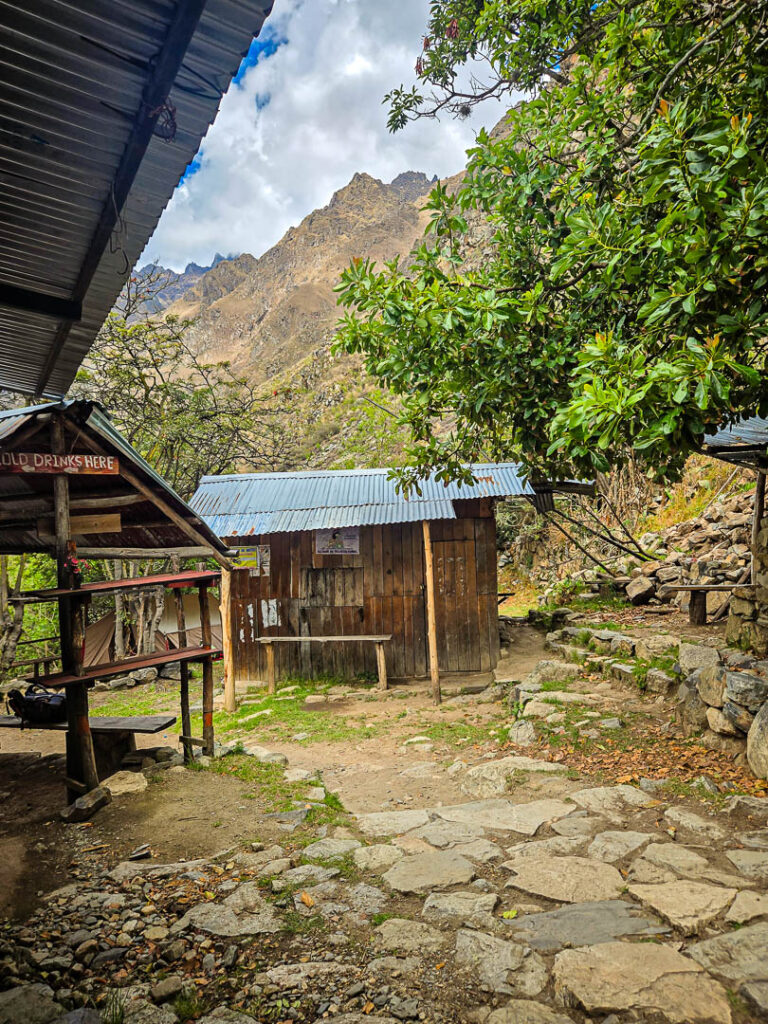
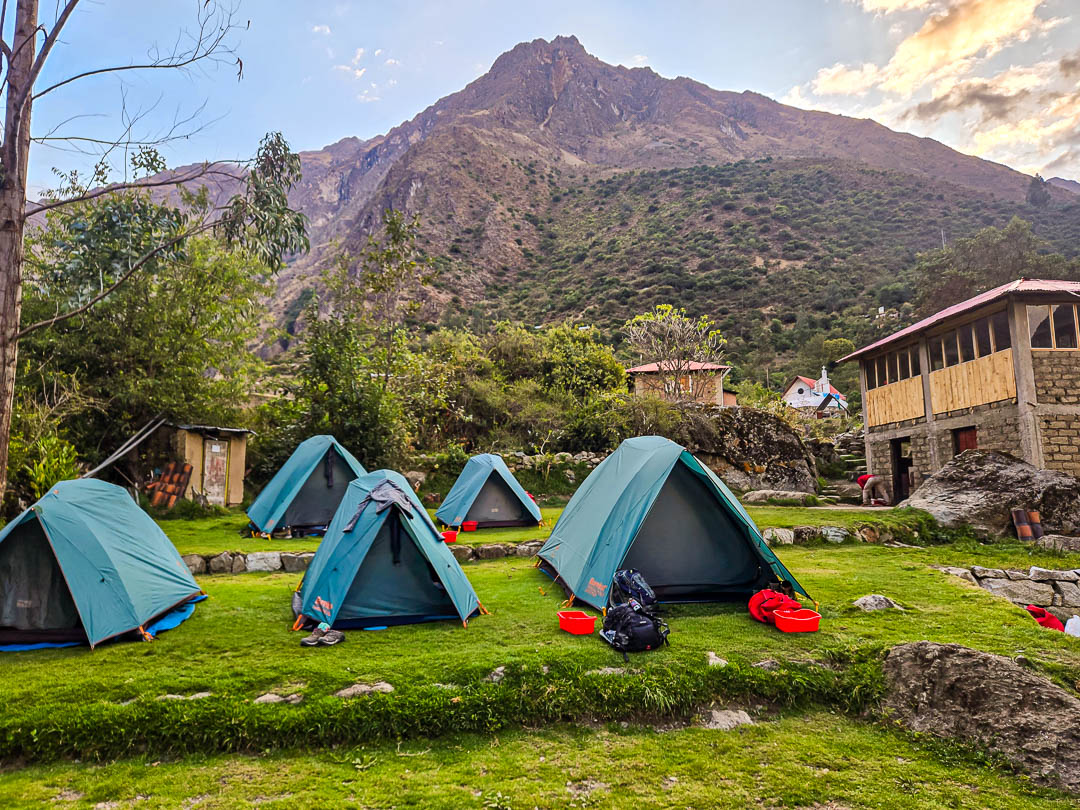
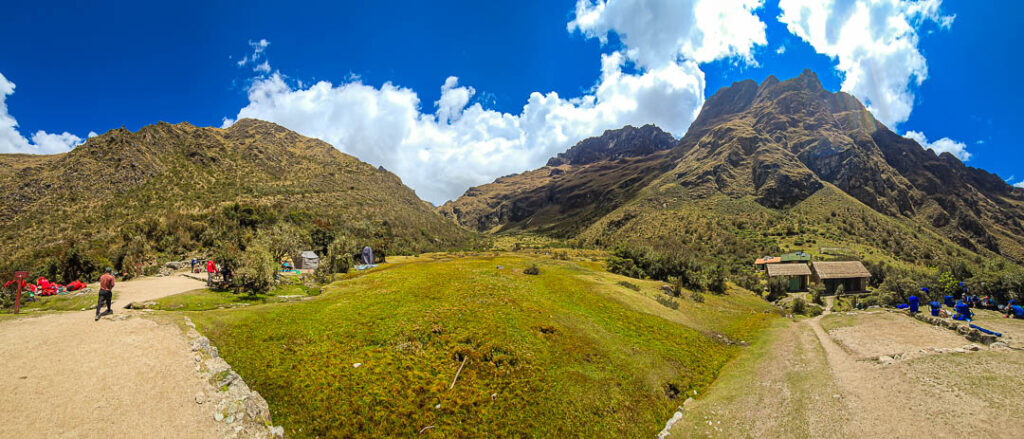
When we finally reached Hatunchaca Campsite, our tents were already set up. A porter handed us flavored water, and a container of warm water sat outside our tent for washing up. The campsite sat in a quiet grove with a valley below, surrounded by mountain views.
Taking off those hiking boots, crawling into the tent and laying down – Pure relief.
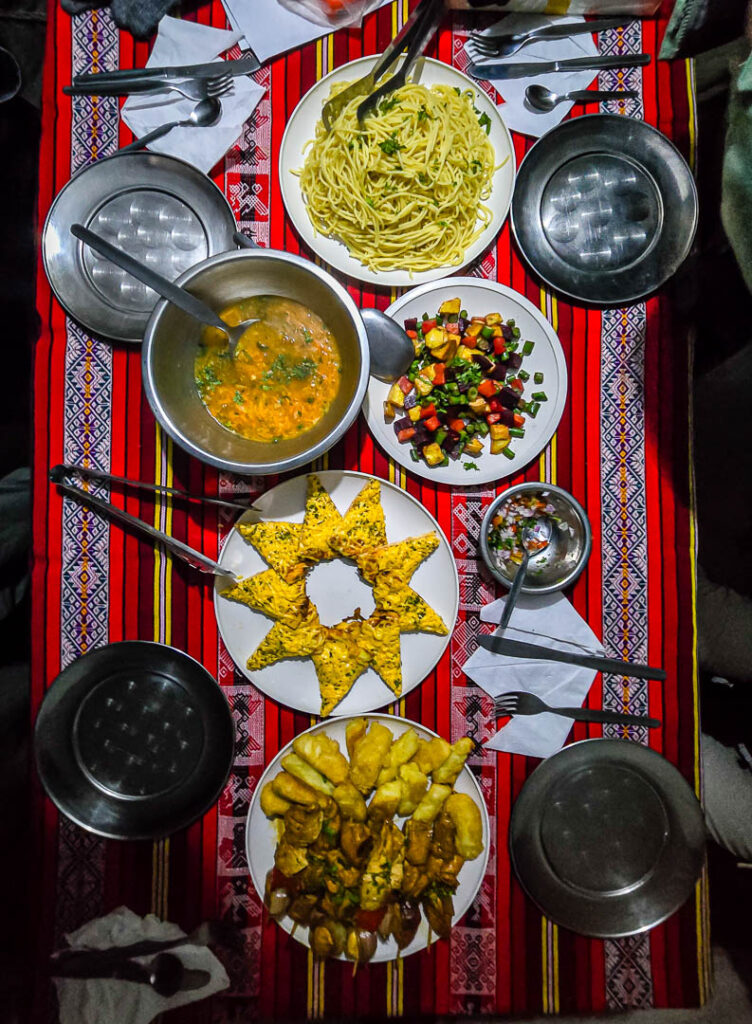
After resting, we gathered in the main dining tent for dinner, a routine that would repeat for the next four days.
You can also watch this part of the journey in the series of Shorts below:
Day 2: Dead Woman’s Pass – Paqaymayu Campsite (6 miles)
The next morning, we woke to porters talking and preparing breakfast. How well you sleep depends on your sleeping mat and the ground beneath it, that first campsite was on worn grass that provided some cushion. Pro tip: upgrade to a thicker mat or rent a second one from your tour company.
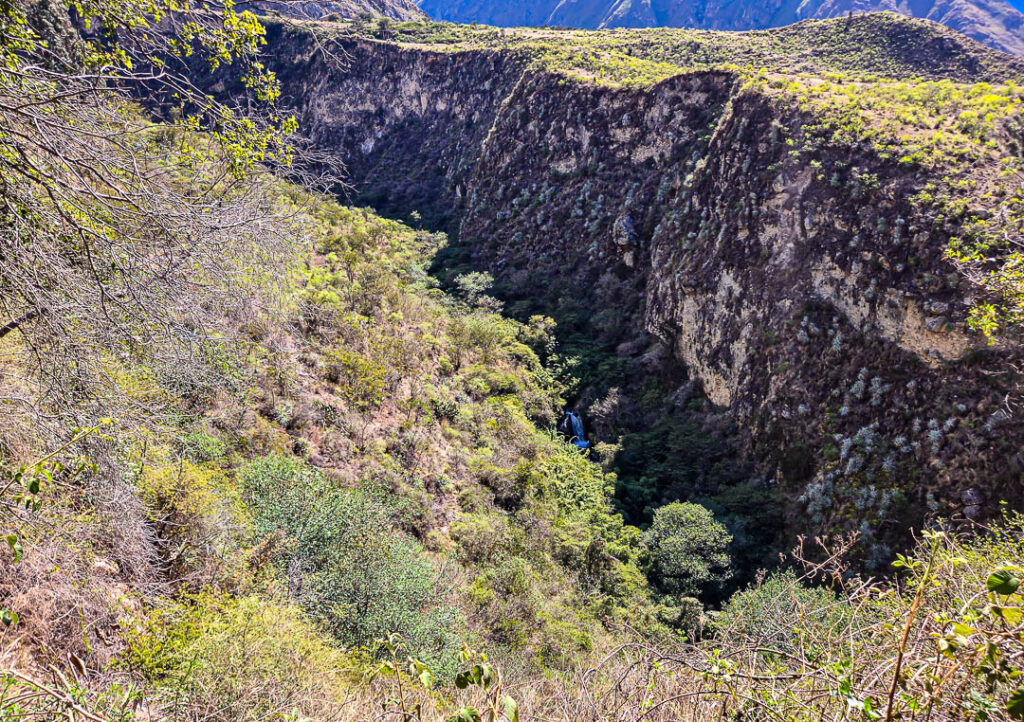
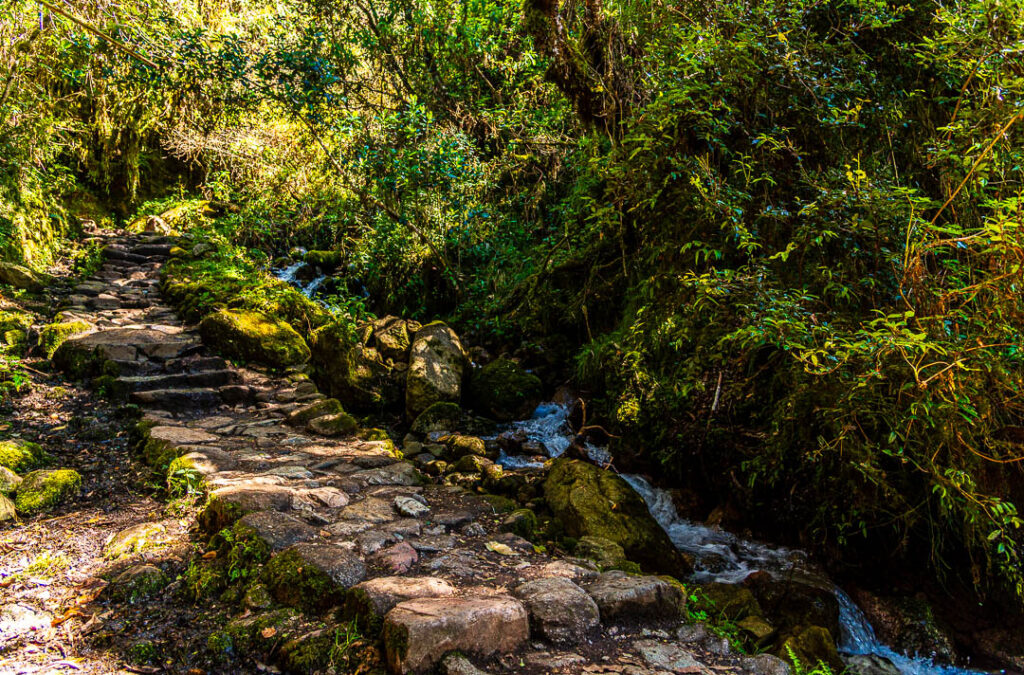
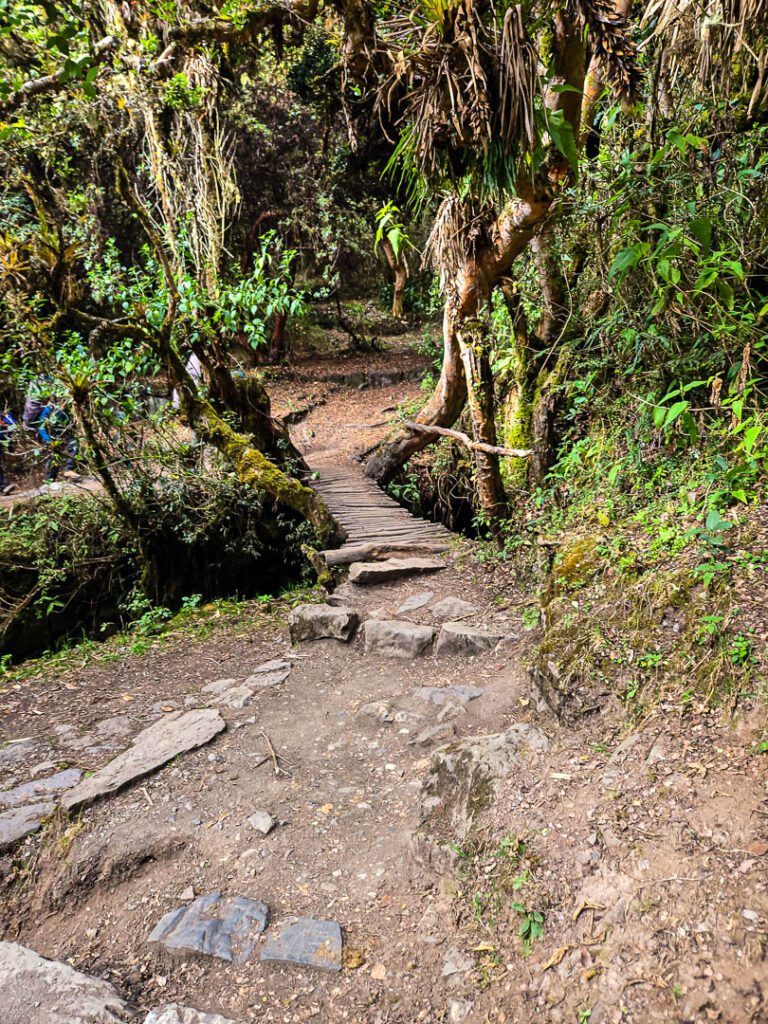
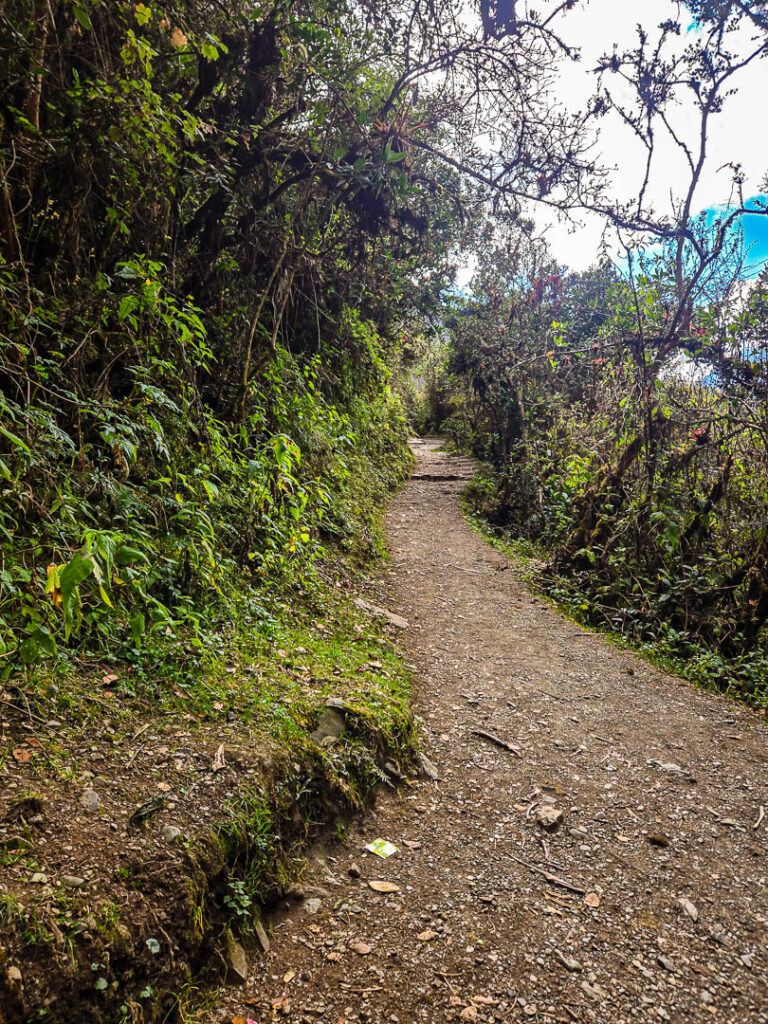
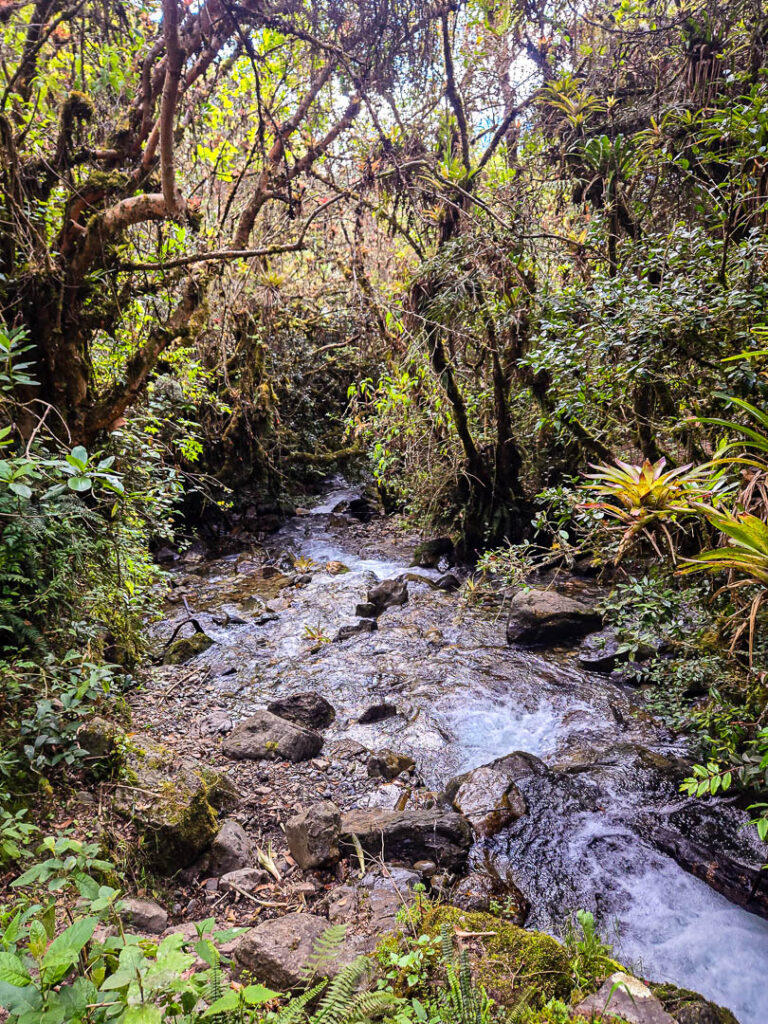
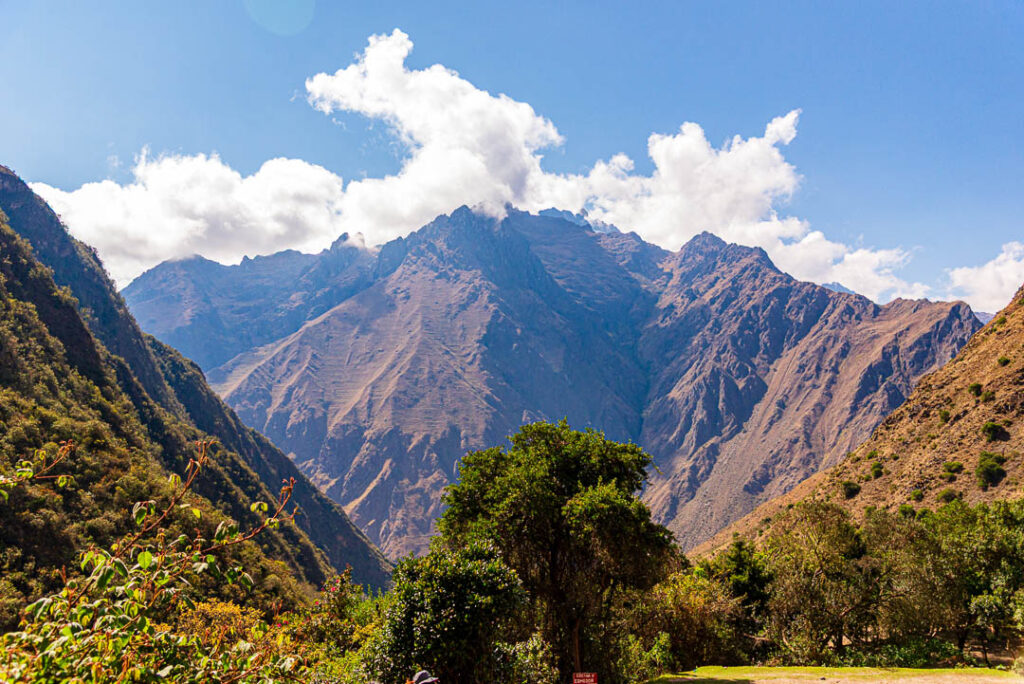
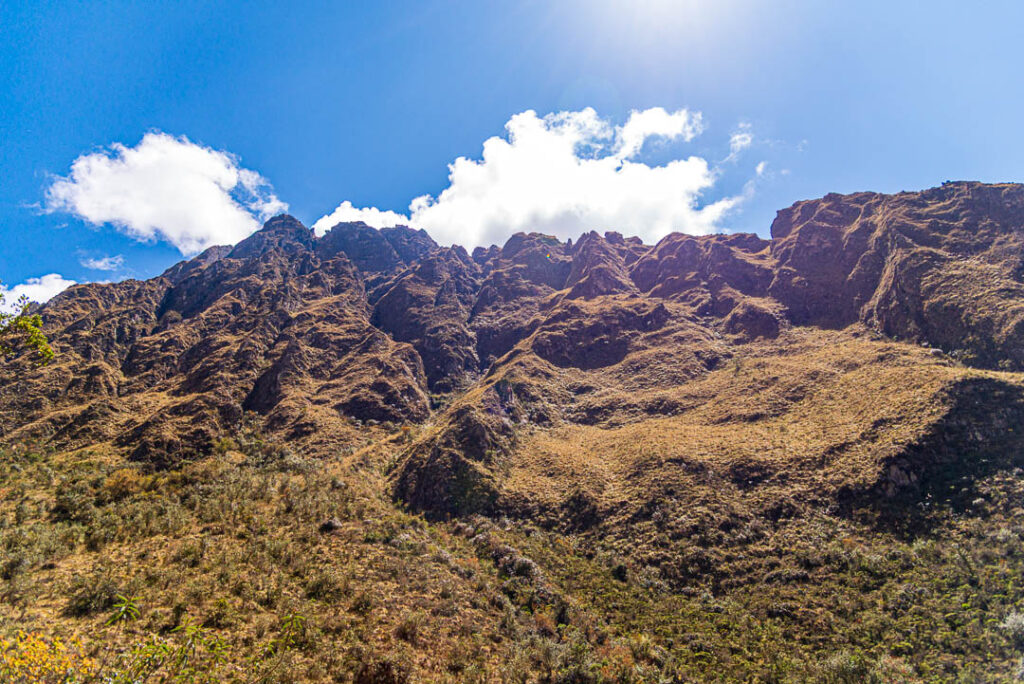
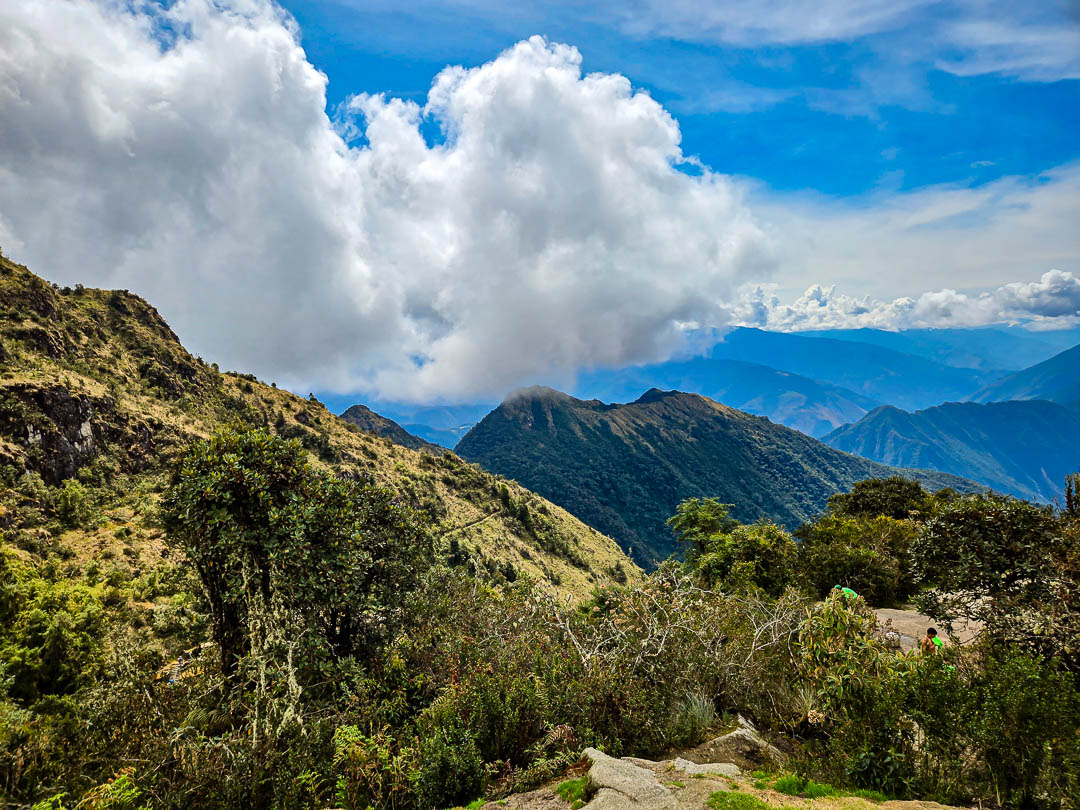
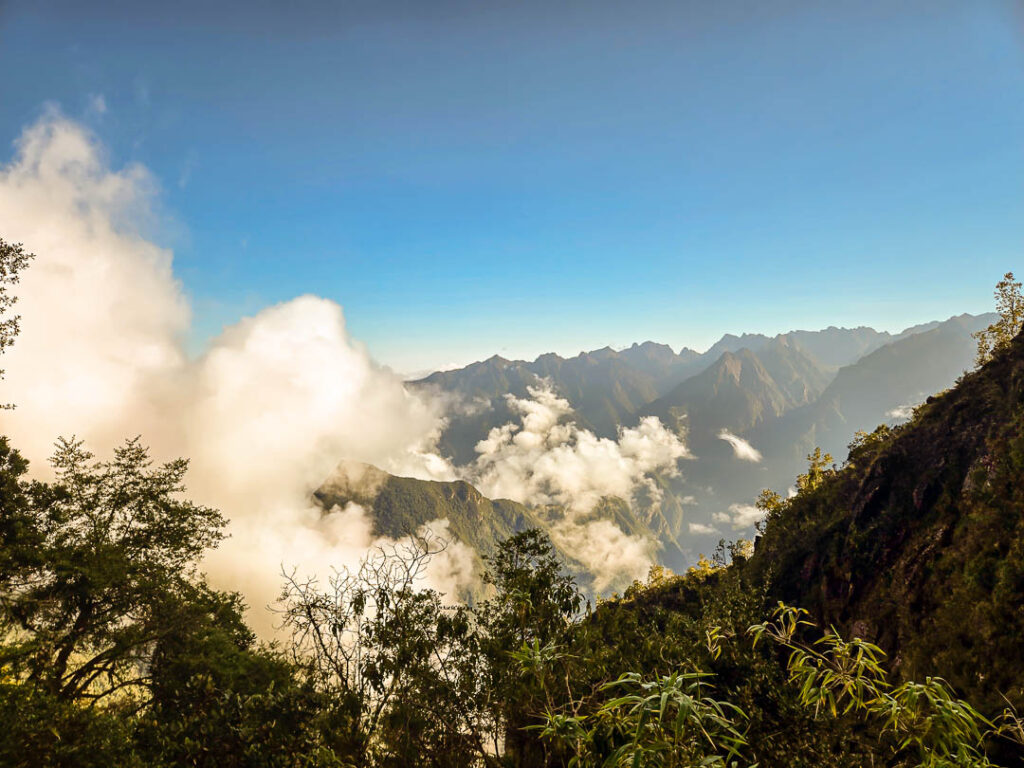
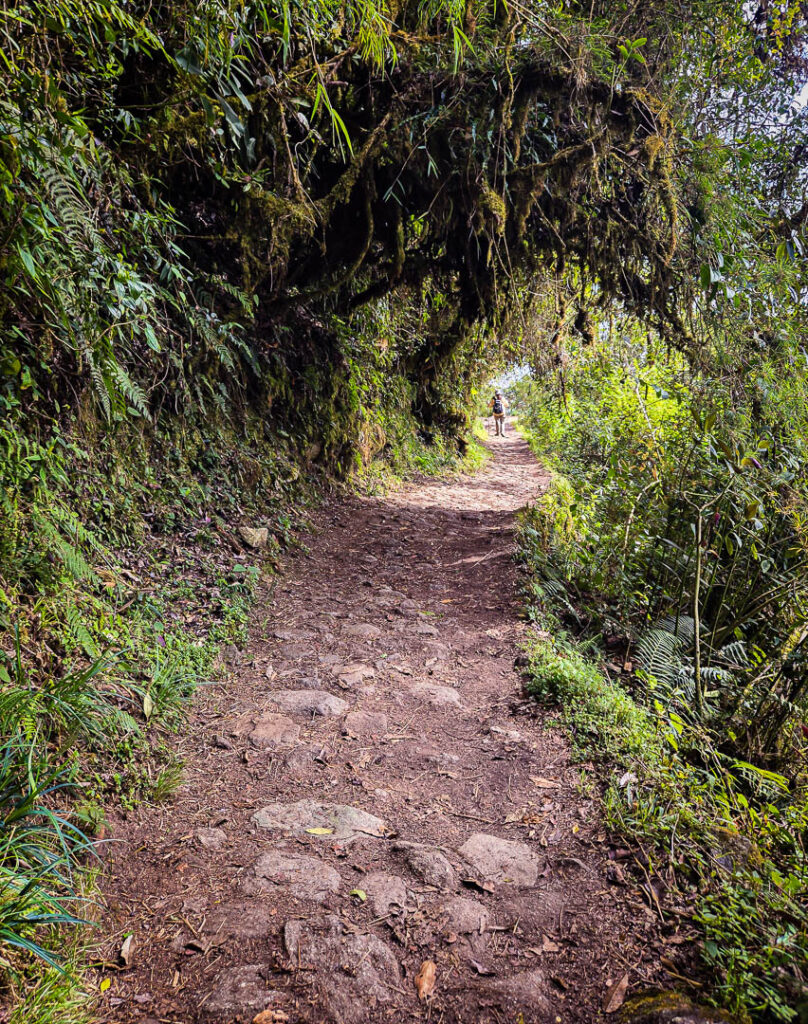
After breakfast, we packed up and left camp by 8 AM, heading to Wayllabamba, the trail’s second checkpoint. After that, we hiked another 30 minutes uphill into the cloud forest, the most fascinating section of the day. The trail transformed from scrubby bushes to dense, misty vegetation clinging to the mountainside.
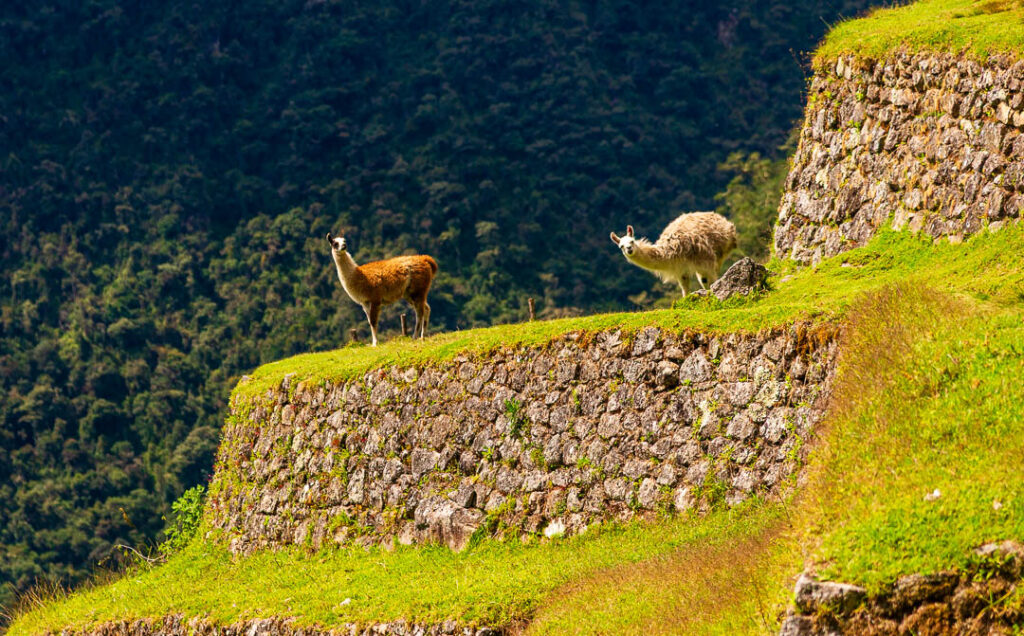
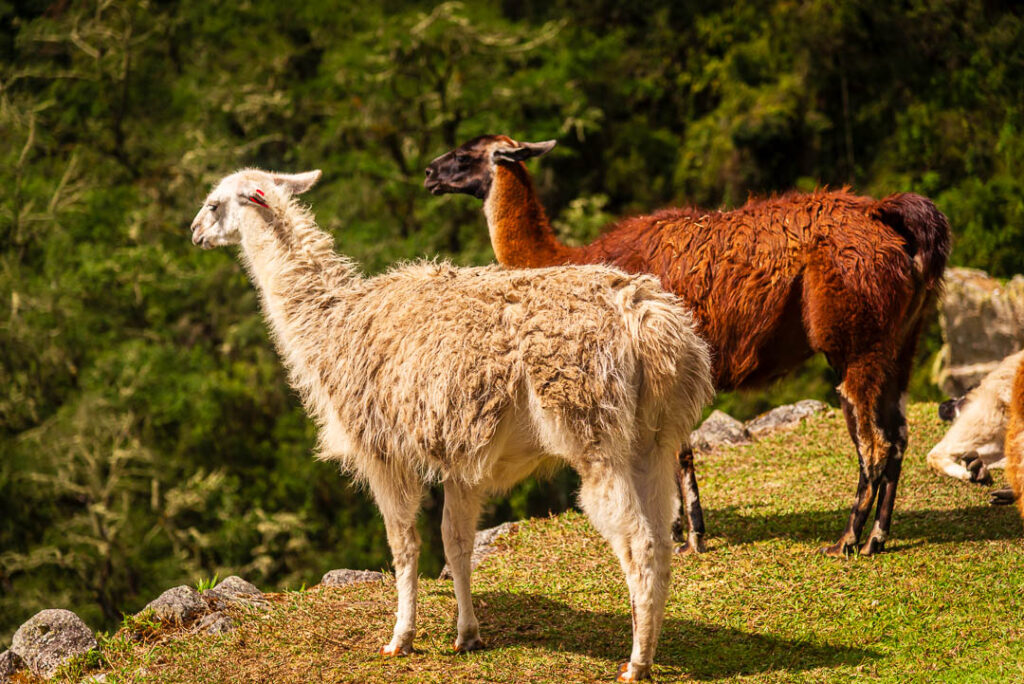
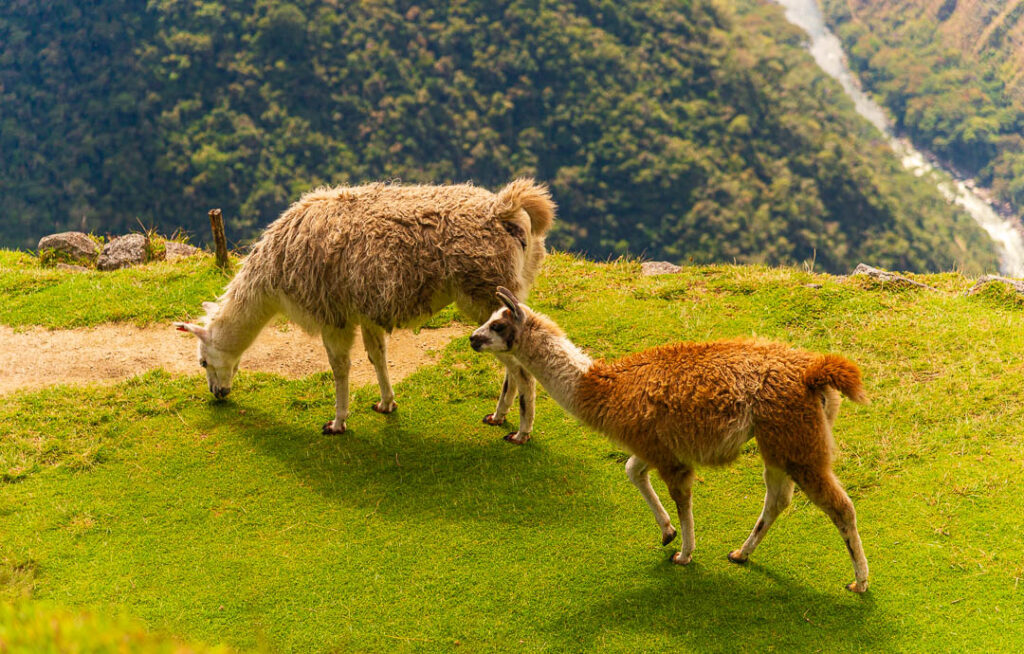
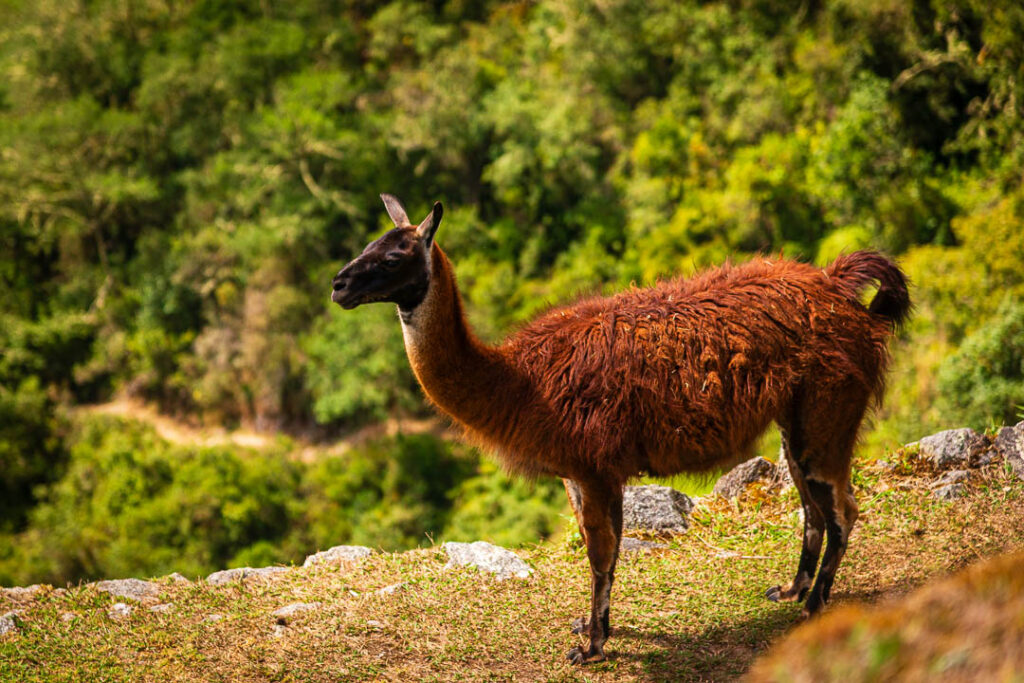
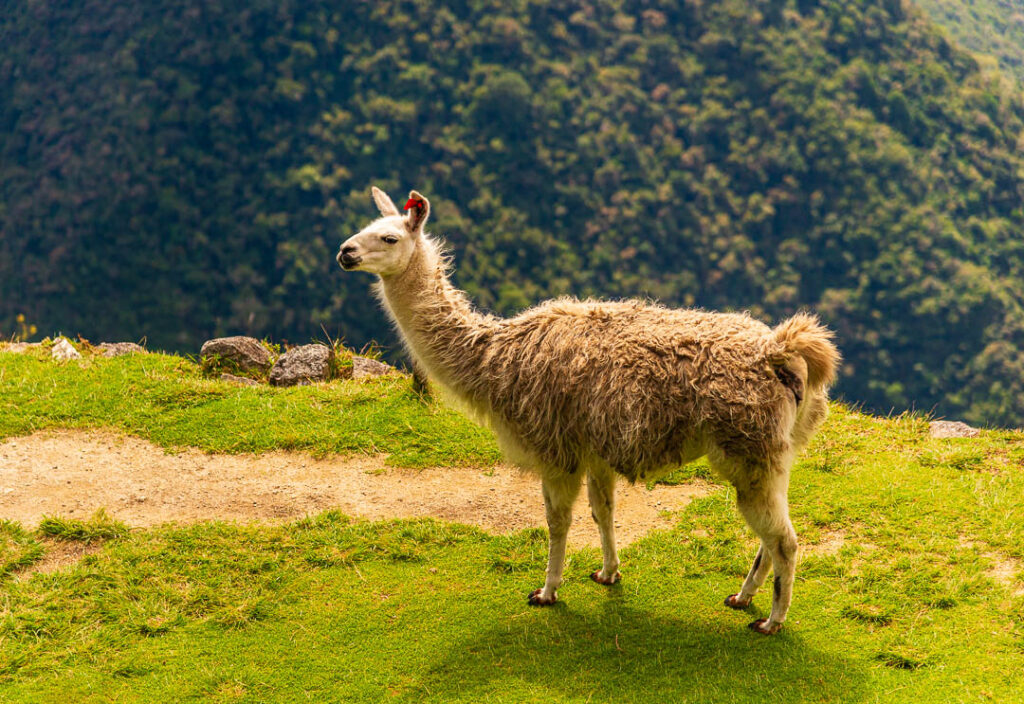
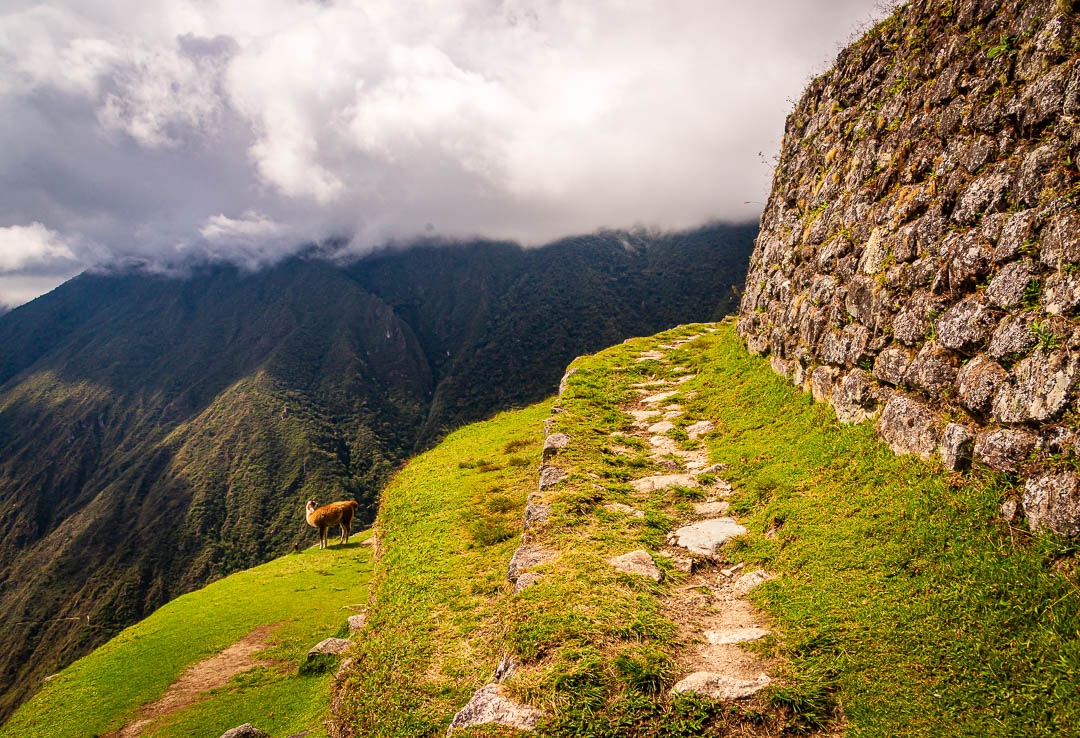
We climbed steadily to the Ayapata resting point with stunning mountain views, then pushed on to Llulluchapampa at 3,680 meters (12,300 feet). This exposed campsite sat right at the treeline, windy, with flat open areas where llamas grazed and clear views of Dead Woman’s Pass looming ahead.
Warmi Wañusqa – Dead Woman’s Pass
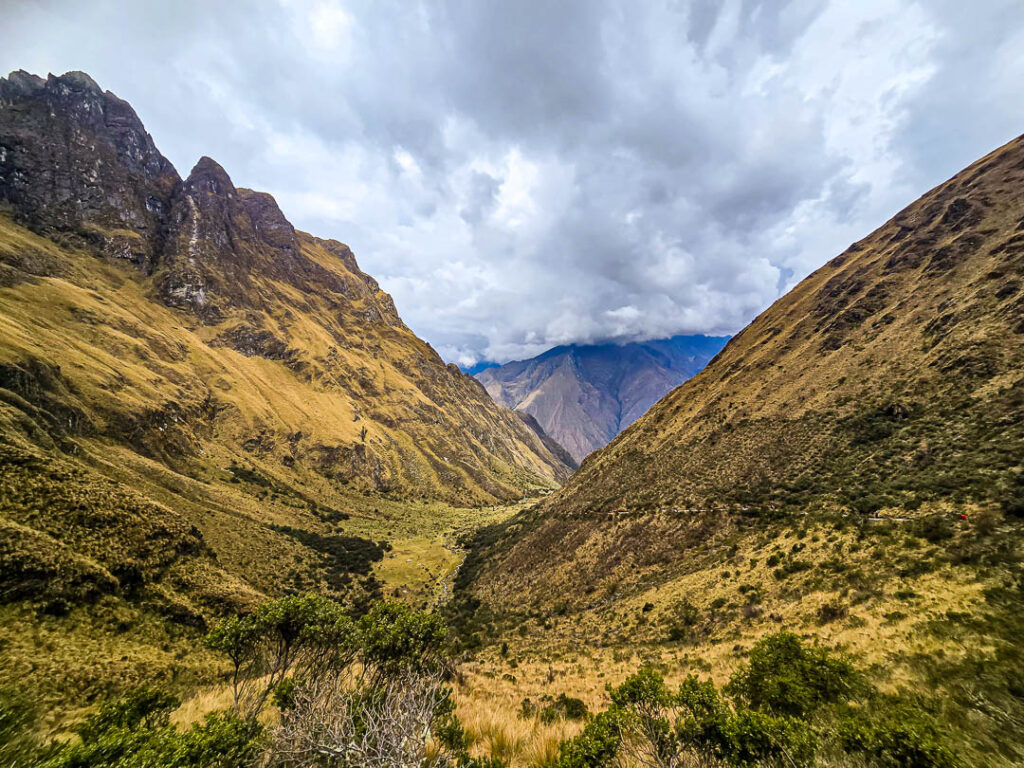
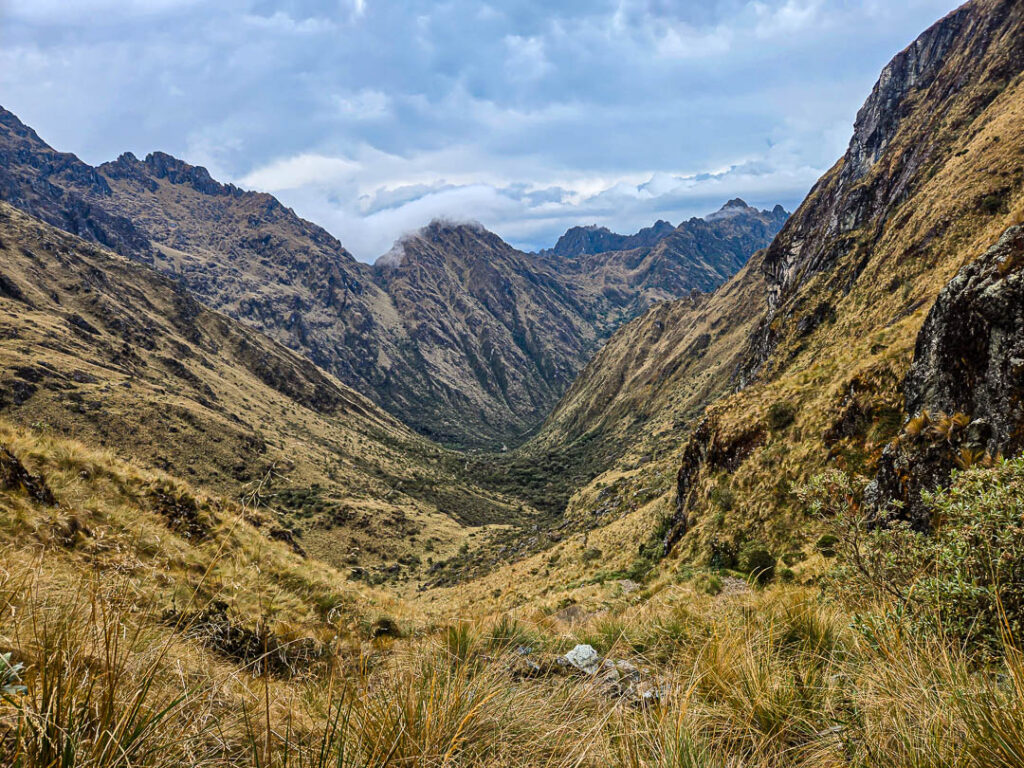
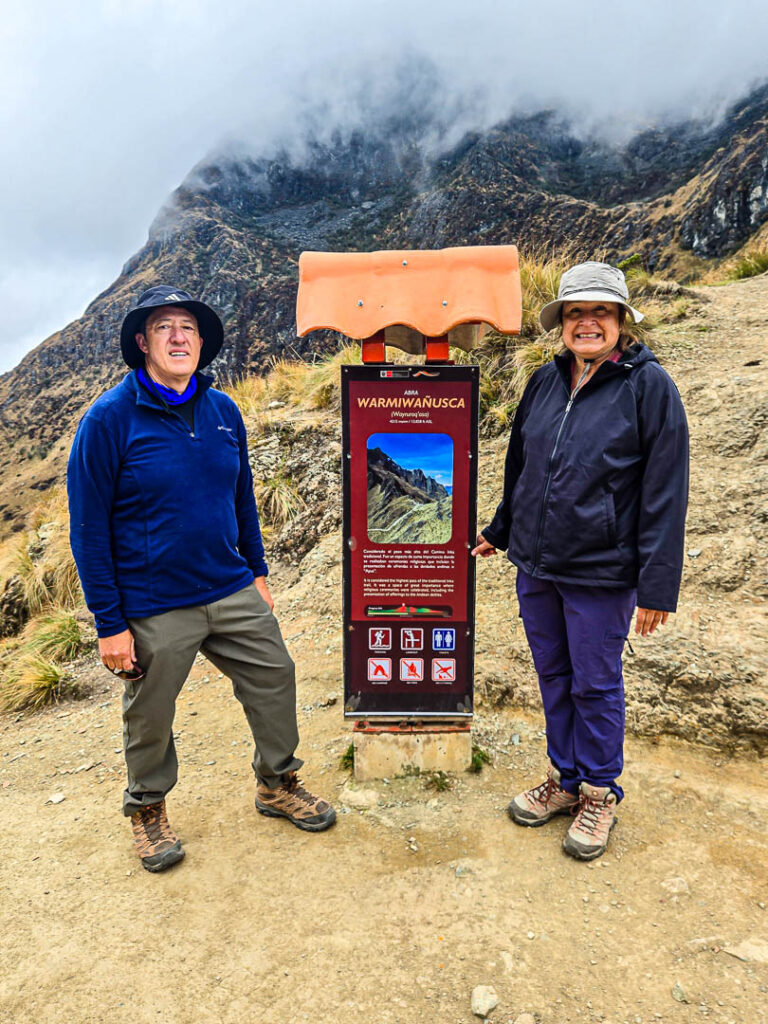
After lunch and rest, we started the most grueling stretch of the entire trek: the final 535 vertical meters (1,755 feet) to Warmi Wañusqa, Dead Woman’s Pass, the Inca Trail’s highest point at 4,215 meters (13,828 feet).
Standing in the open field looking up, I chuckled. “That doesn’t look far.”
It was. And it was extremely challenging.
We started around 12:30 PM at the peak heat of the day. The winds that had cooled us all morning? Gone. We zigzagged up the trail, managing 7-10 steps before stopping for water and breath. At one point I placed my hand on my wife’s back – completely drenched from sweat.
The climb from Llulluchapampa to Dead Woman’s Pass gains 535 vertical meters over 2.5 miles. We reached the top around 2:30 PM, two hours , which is average for most trekkers.
At the summit, the weather shifted instantly. Clouds rolled in, mist settled, and the air turned cold and heavy. Rested at the top, and then made the hike down towards Paqaymayu Campsite.
The Descent: Harder Than the Climb
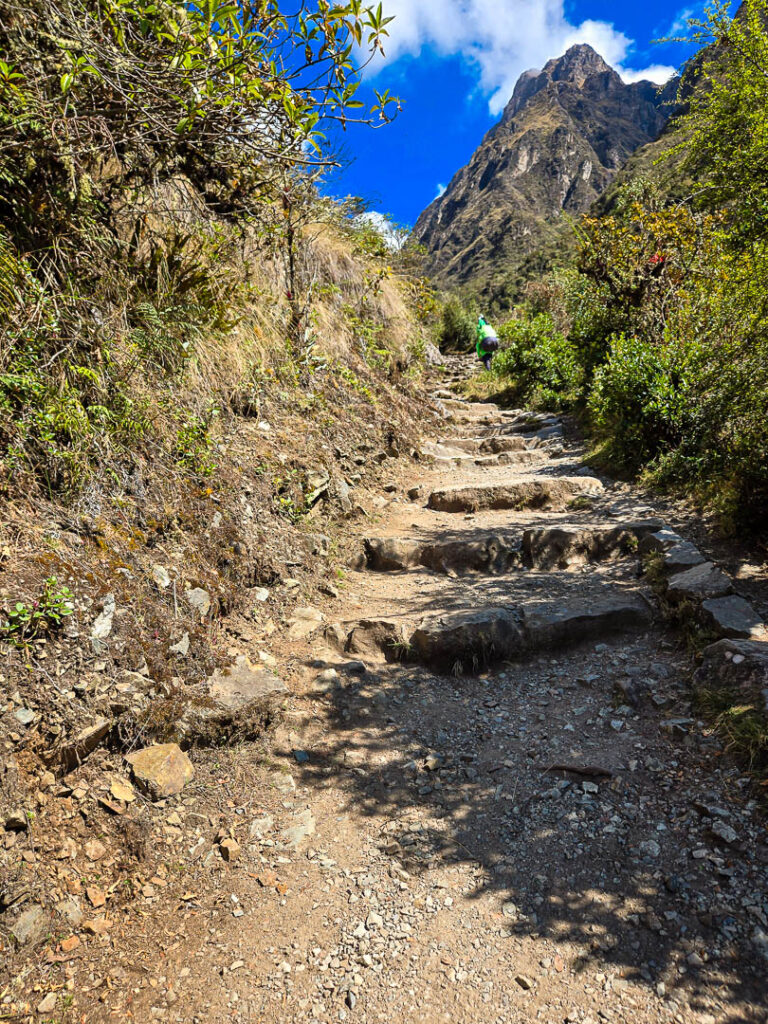
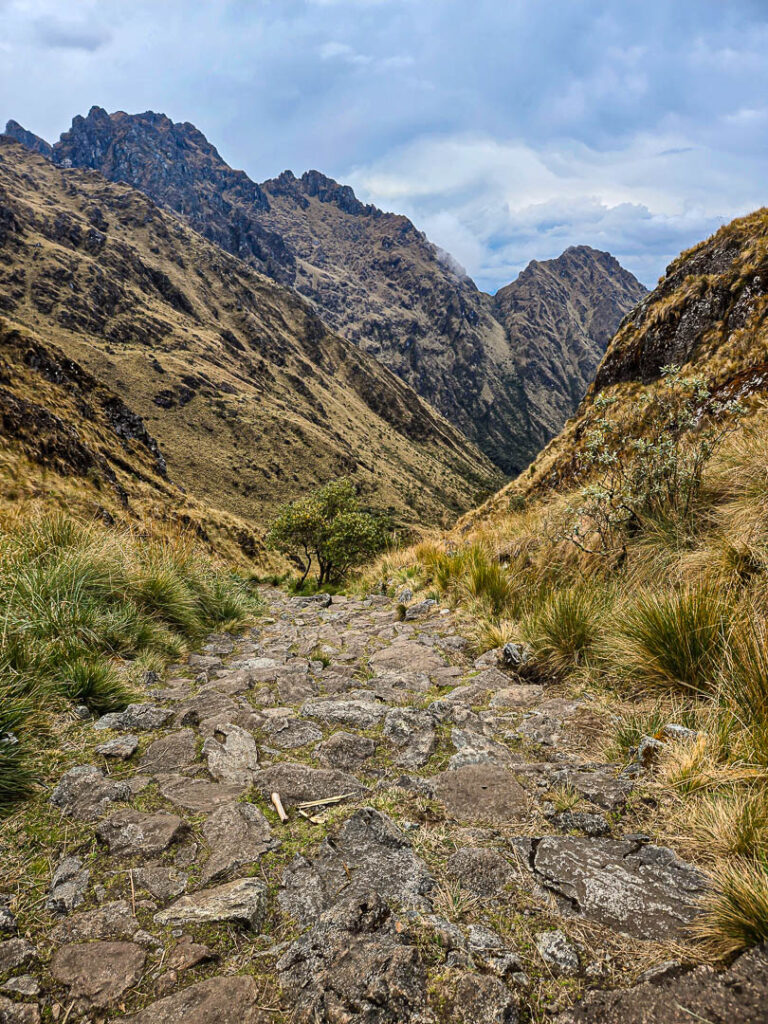
You’d think going downhill would be a relief after summiting Dead Woman’s Pass. It wasn’t. The steep descent demanded constant focus on footwork, uneven steps, and tired legs made every placement critical.
One misstep, and you’d go down. Like I did.
The last thing I remember was planting my walking stick, then pitching forward. Next thing I knew, I was headfirst in a bush, staring upside down at Yiyo moving fast to grab my hand and pull me upright.
“If that bush hadn’t stopped you,” he said, “you would have gone over the edge.”
Finally, we reached Paqaymayu campsite. No one had energy for socializing, we all collapsed in our tents until dinner. Unlike the grassy first night, our tents sat on terraced gravel.
Sleep didn’t come easy.
Day 3: Runkuracay Pass to Phuyupatamarka Campsite (4.5 miles)
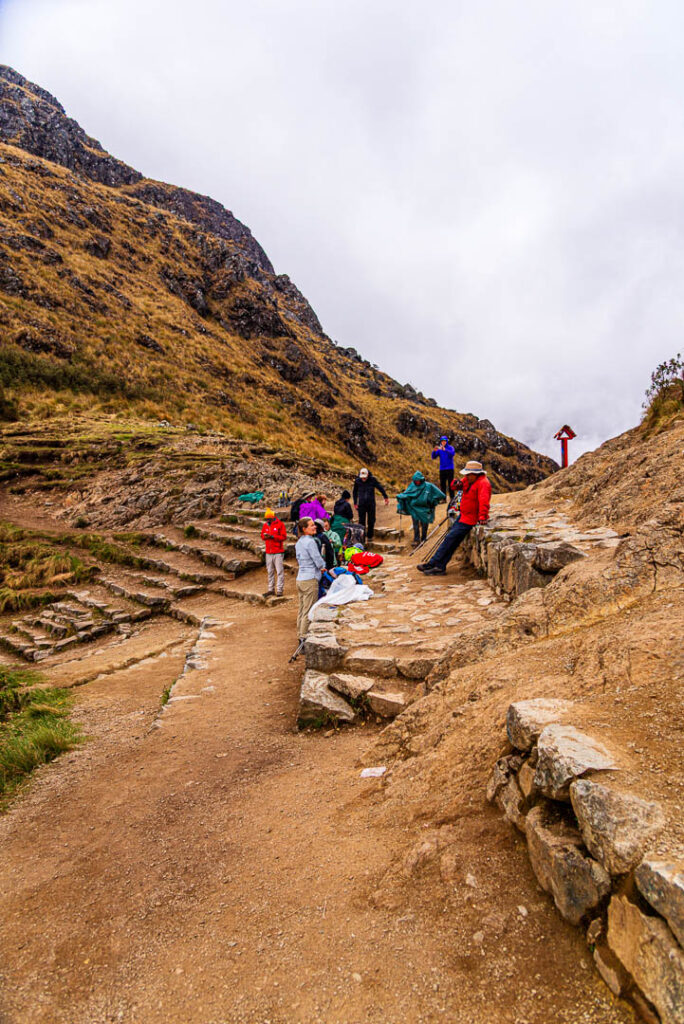
After a rough night on gravel, morning came quickly. The campsite buzzed with trekkers from other groups, and over breakfast Yiyo laid out the plan: climb first, then a long descent packed with archaeological sites.
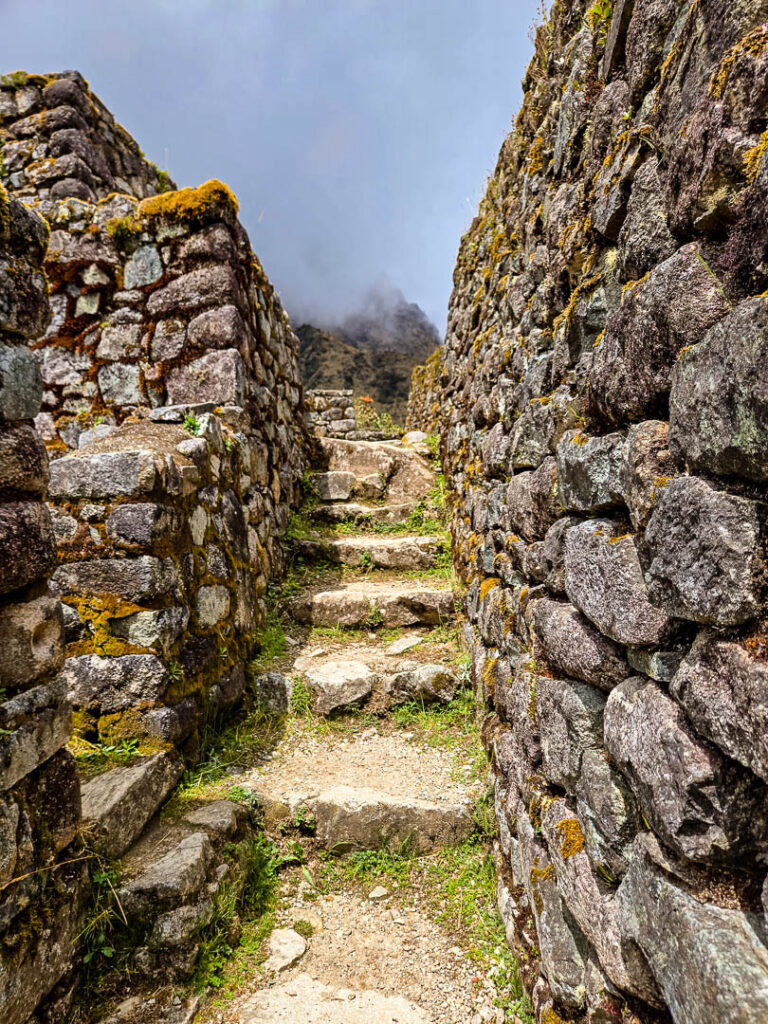
Day Two earned its reputation as the toughest ascent. Day Three brought different challenges, another mountain pass and nearly entirely original stonework, a striking contrast to the restored sections from the first two days.
Our campsite sat deep in the valley, so we began climbing toward Runkuracay.
Runkuracay Ruins and the Chasqui Messengers
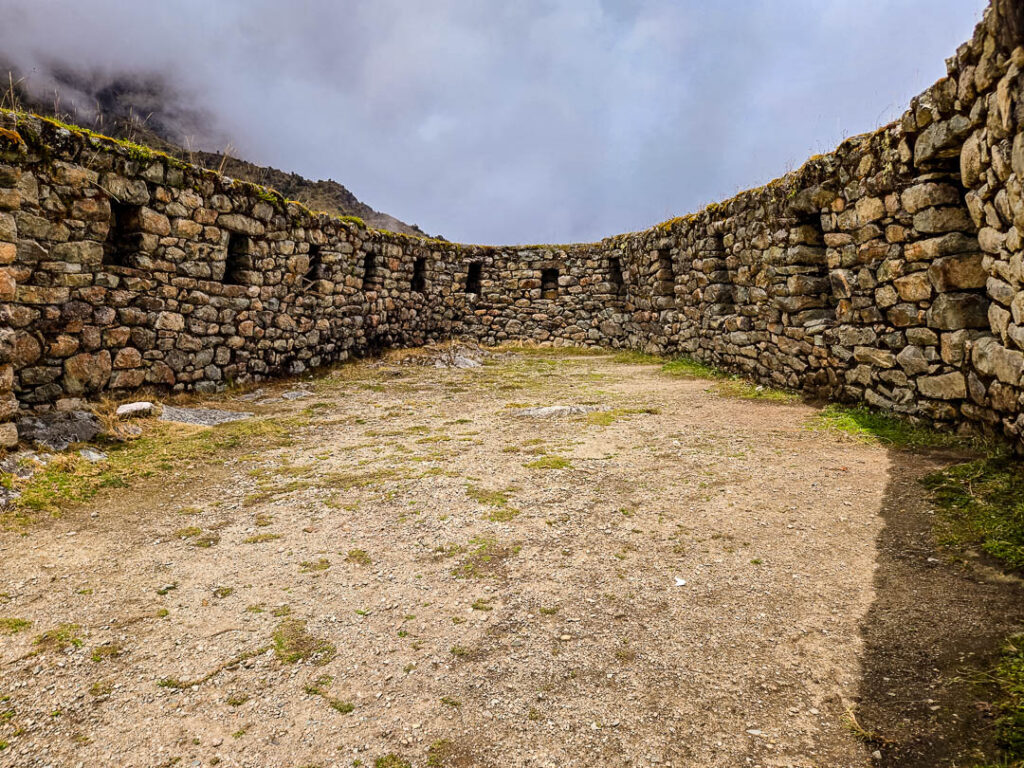
Midway up at 3,780 meters (12,402 feet), we reached the Runkuracay ruins. Yiyo explained this was likely a tampu, a rest stop for Incan travelers and messengers. These stations appeared every 5-7 kilometers, serving the Chasquis, highly trained runners who delivered messages across the empire at incredible speed using a relay system. They worked in teams, handing off messages, often memorized or recorded on quipus (knotted cords), at relay stations.
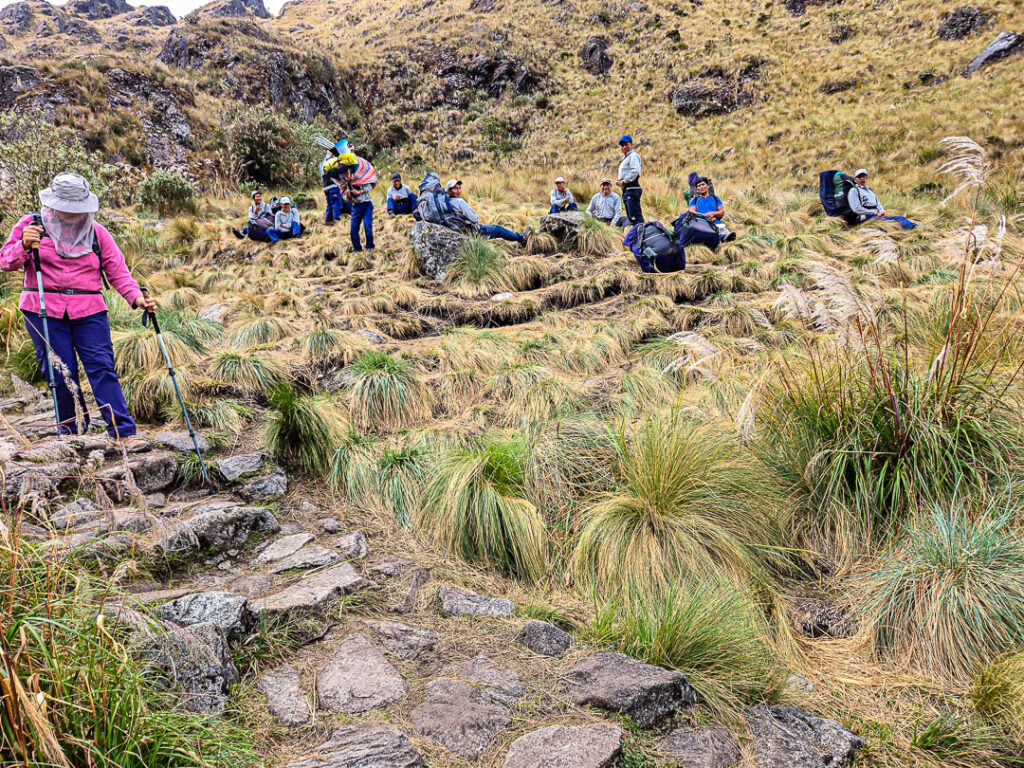
The trail continued uphill toward Runkuracay Pass, the second of three passes on the Inca Trail. The climb was challenging but not as brutal as Dead Woman’s Pass.
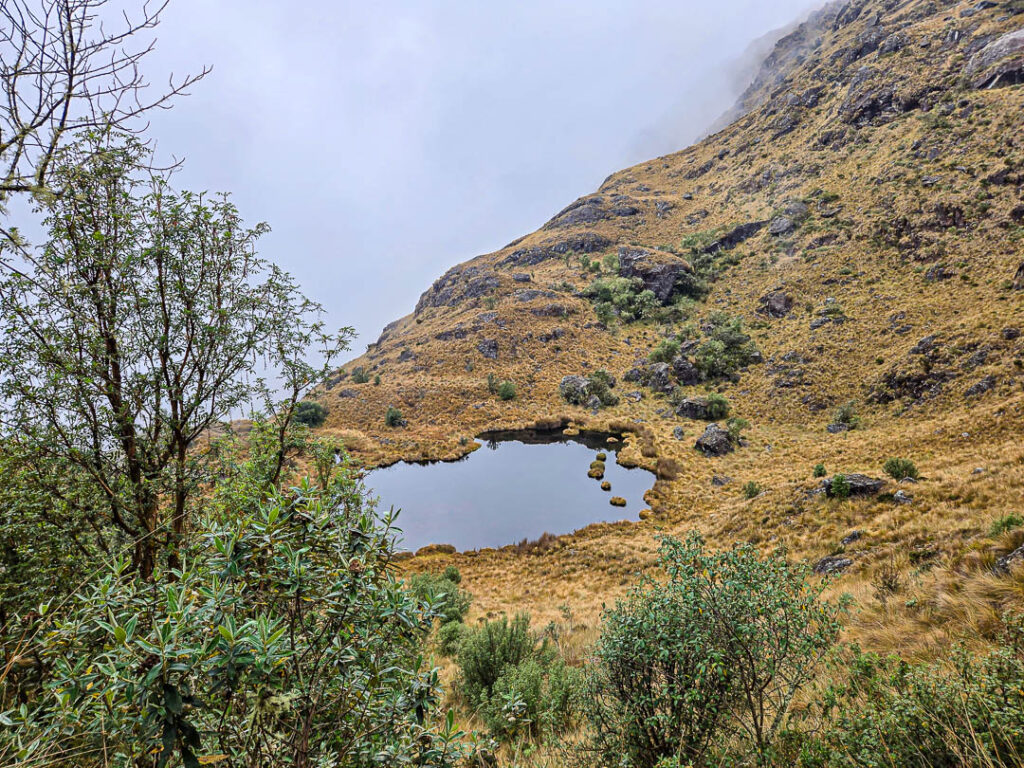
Near the top, a high mountain pond surprised me, the first standing water we’d seen. We stopped at Runkuracay Pass (3,985 meters/13,074 feet) around 9 AM. In the distance, densely forested mountains marked the beginning of the Amazon rainforest.
Sayaqmarka: The Inaccessible Town
We descended steeply from the pass. Around 10:30 AM, the impressive ruins of Sayaqmarka appeared at 3,625 meters (11,893 feet).
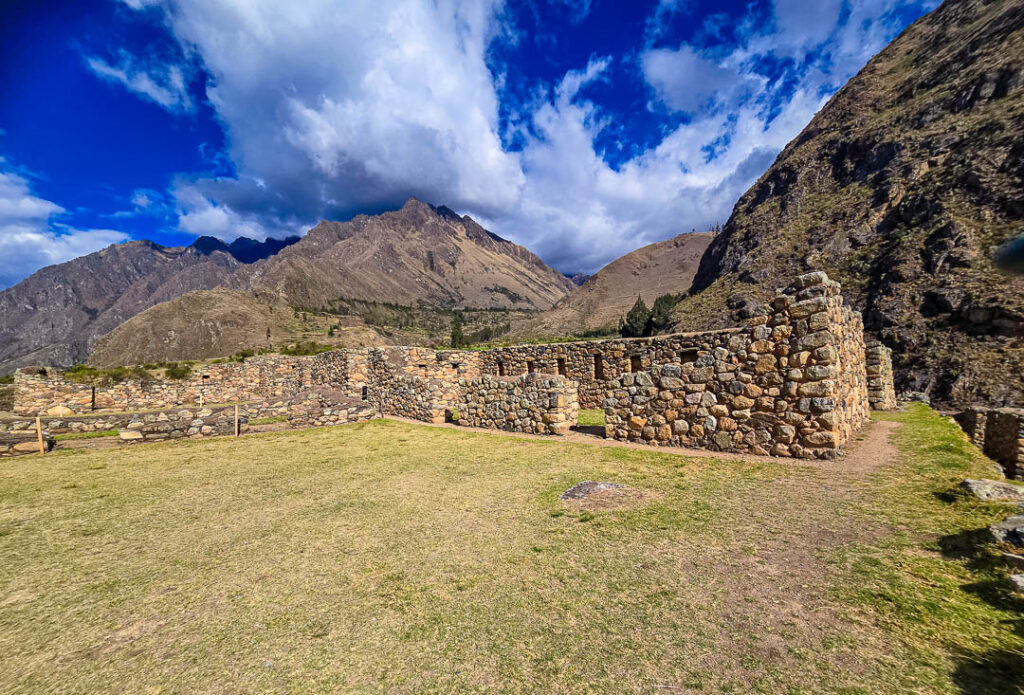
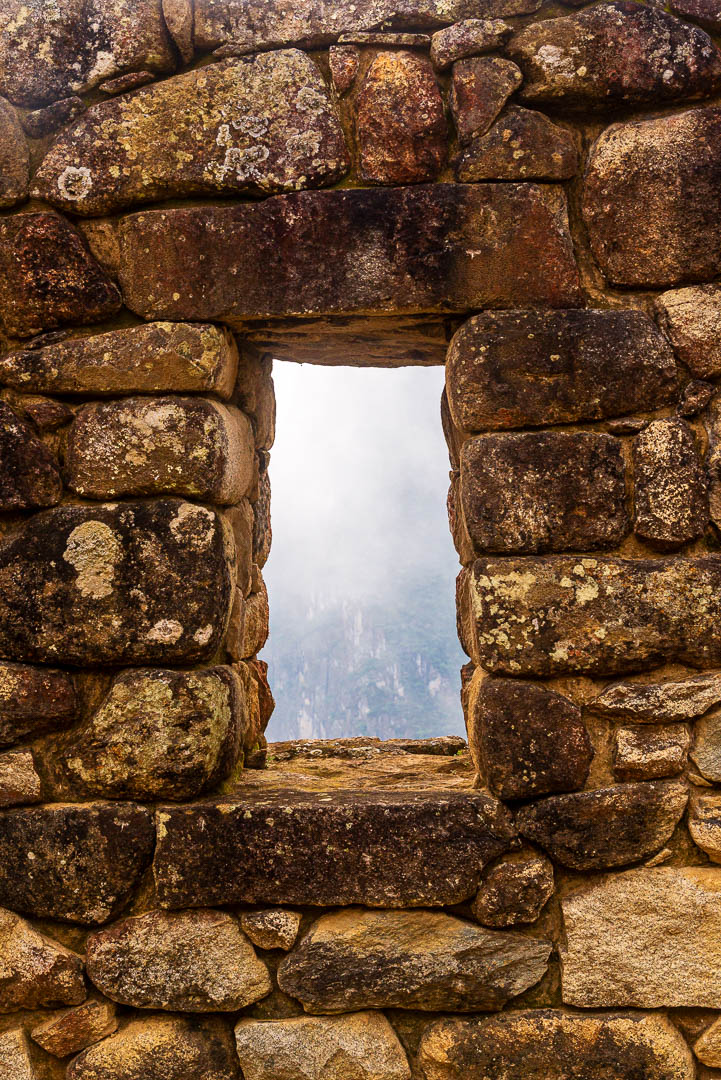
Like every ruin on the Inca Trail, Sayaqmarka’s original Incan name is unknown. The modern Quechua name means “inaccessible town”, fitting for its defensible location perched on a rocky outcrop. The only way in is a steep, narrow staircase. We dropped our packs and climbed up to explore.
Hiram Bingham rediscovered Sayaqmarka while exploring the region around Machu Picchu. The site remains mysterious, its exact purpose still debated.
The Gringo Killer: 2,000 Steps Down
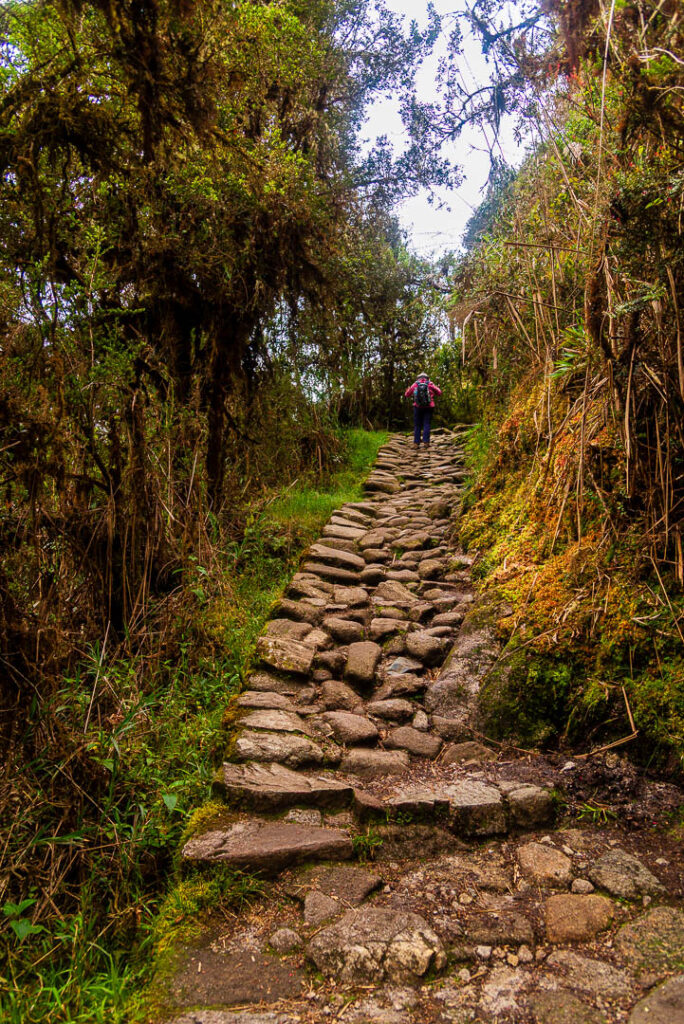
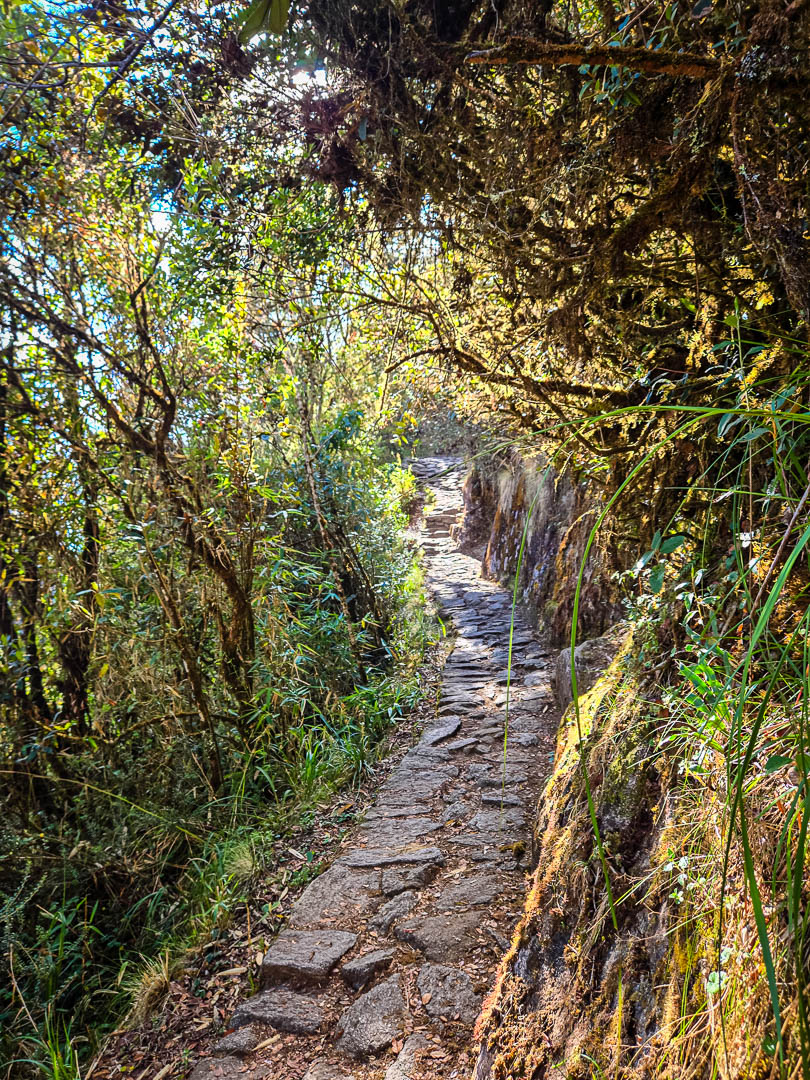
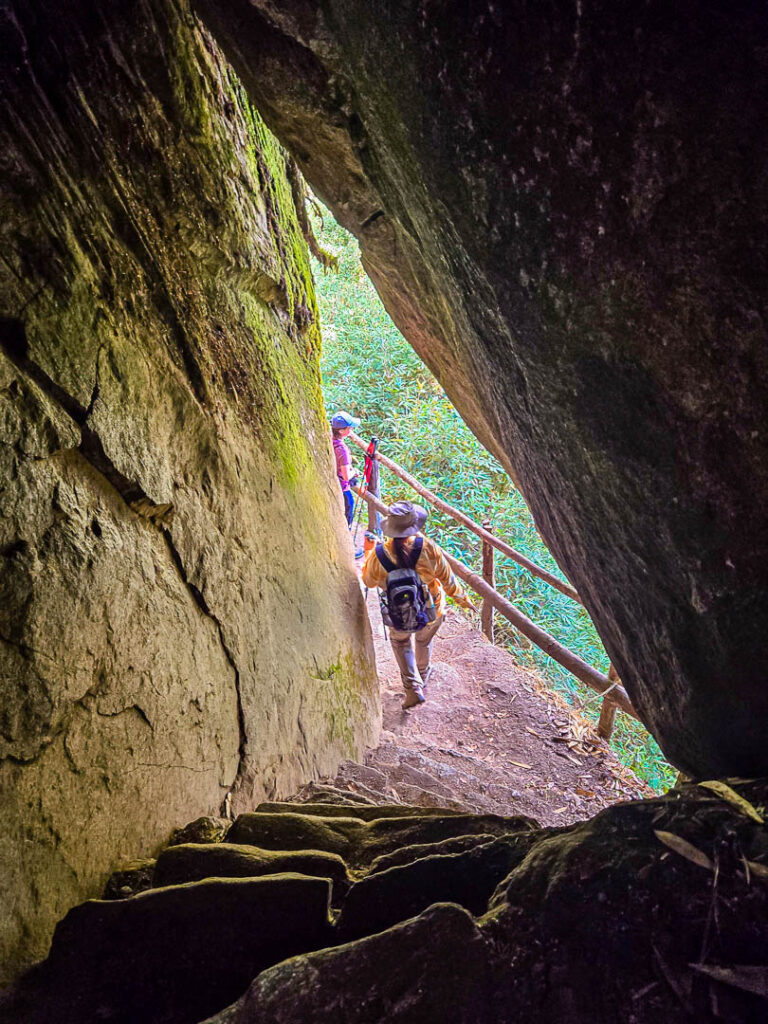
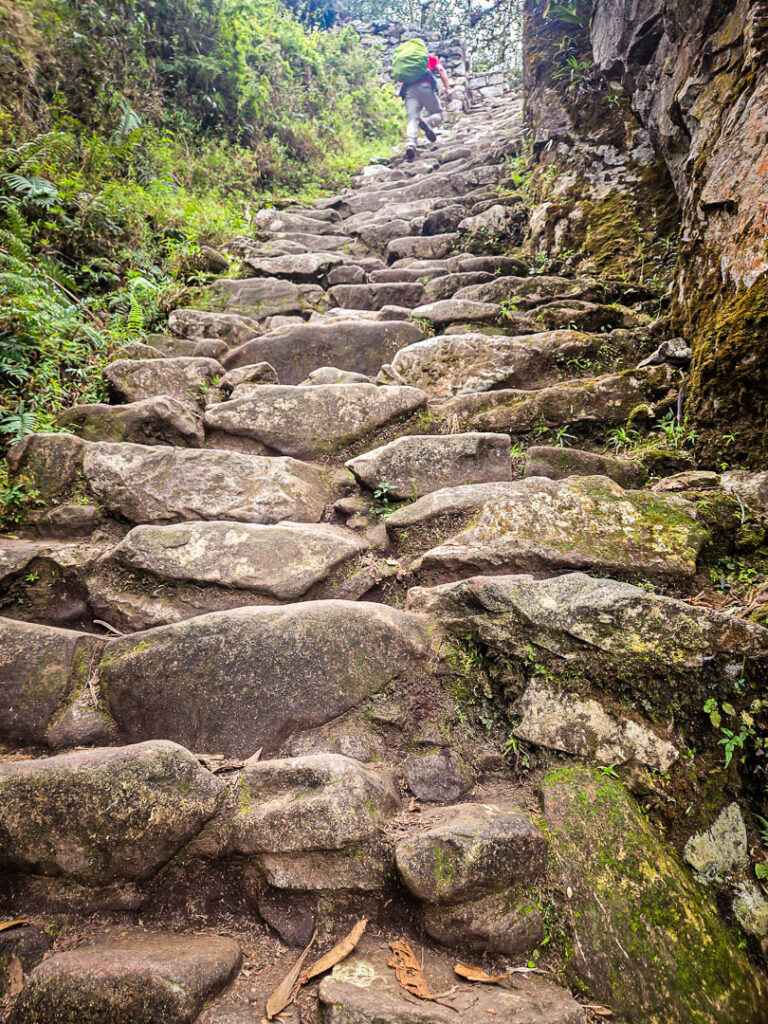
After crossing through a stone tunnel beyond Sayaqmarka, we faced what guides call “The Gringo Killer”, more than 2,000 steep, uneven stone steps descending toward camp. The first section looked terrifying but was mercifully short.
Then the real descent began.
The Flute Player
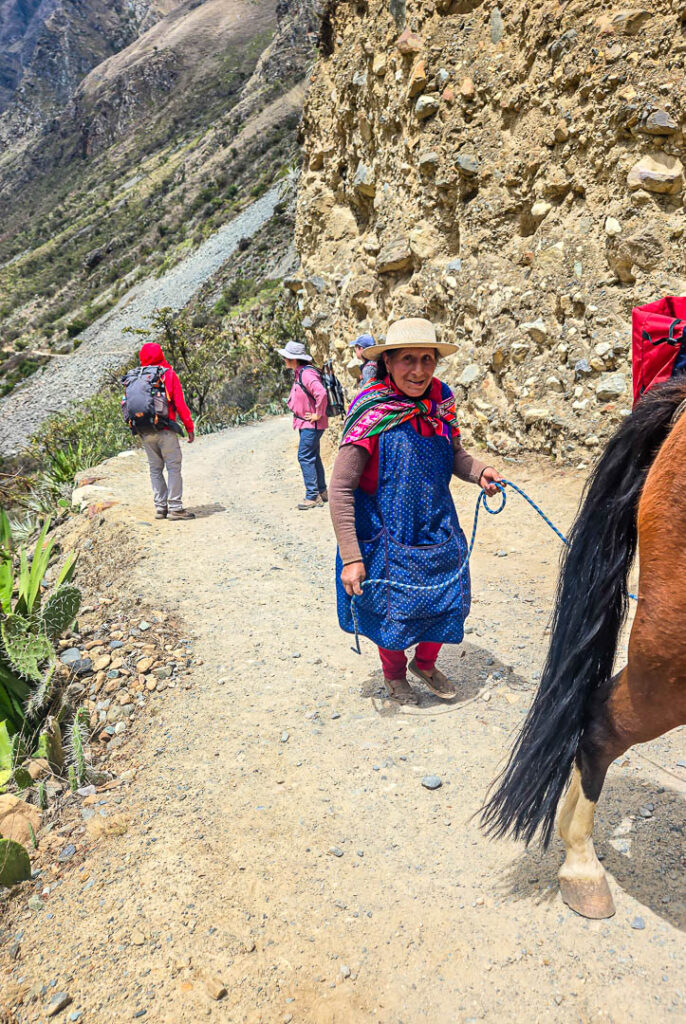
A few miles before reaching the campsite, we encountered an elderly man walking the trail. He’d fashioned a flute from a metal pipe and was playing an enchanting melody. I stopped to film him. When he finished, I handed him a tip, a small price for a moment I’d never forget.
Phuyupatamarka: City Above the Clouds
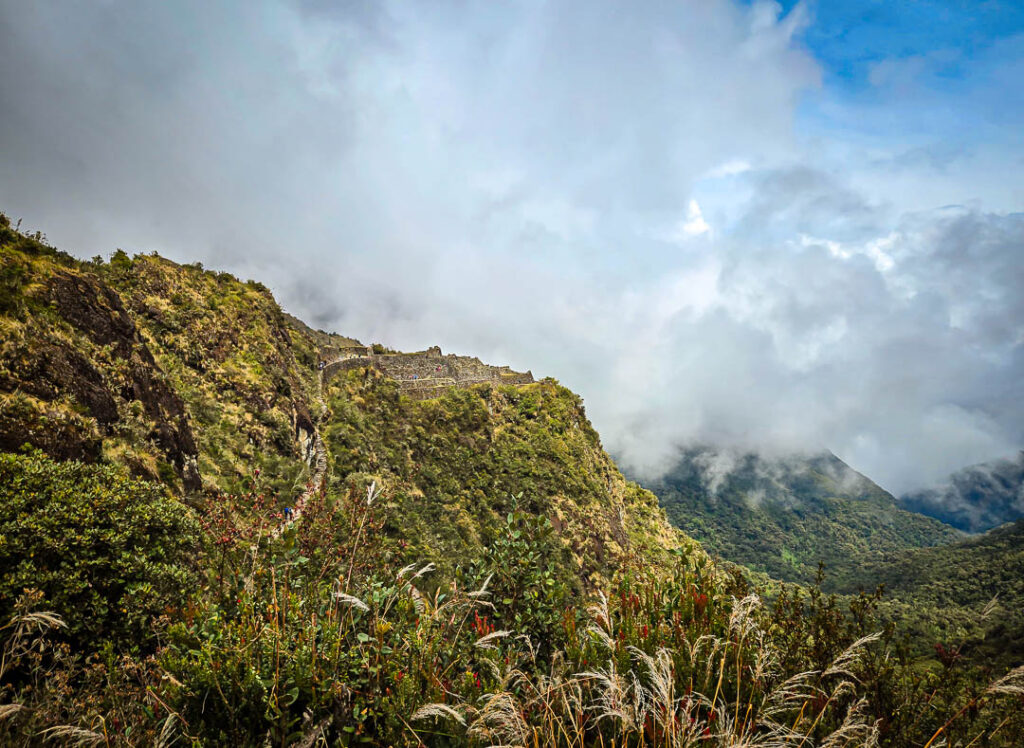
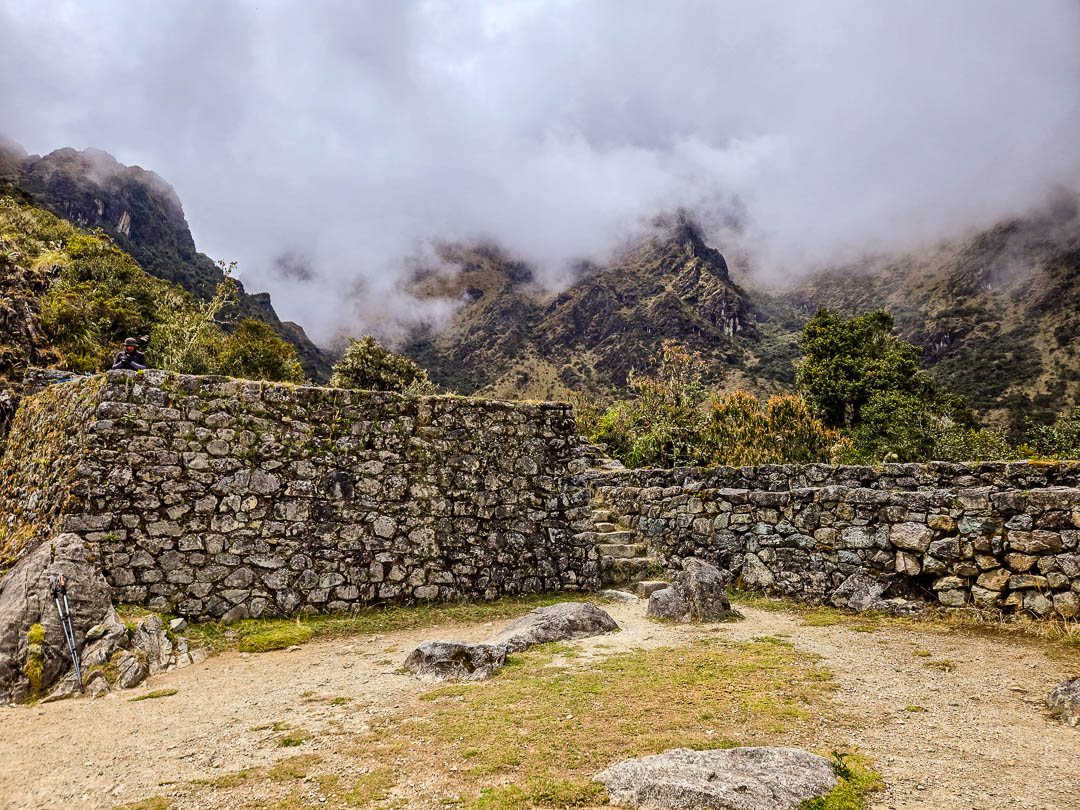
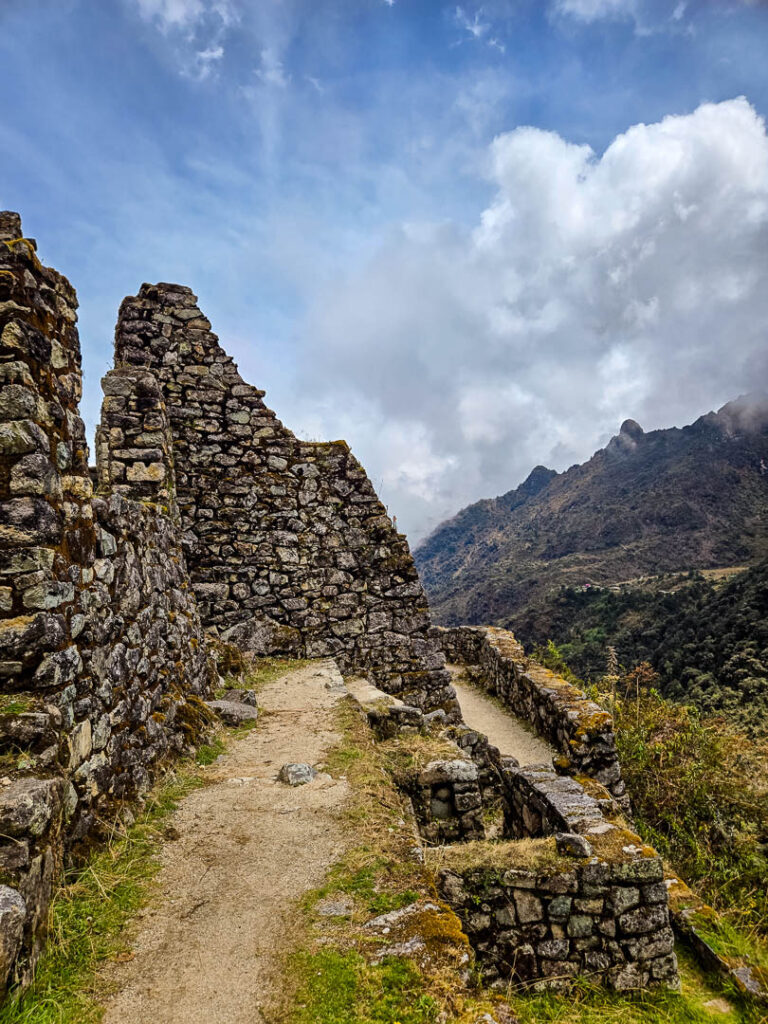
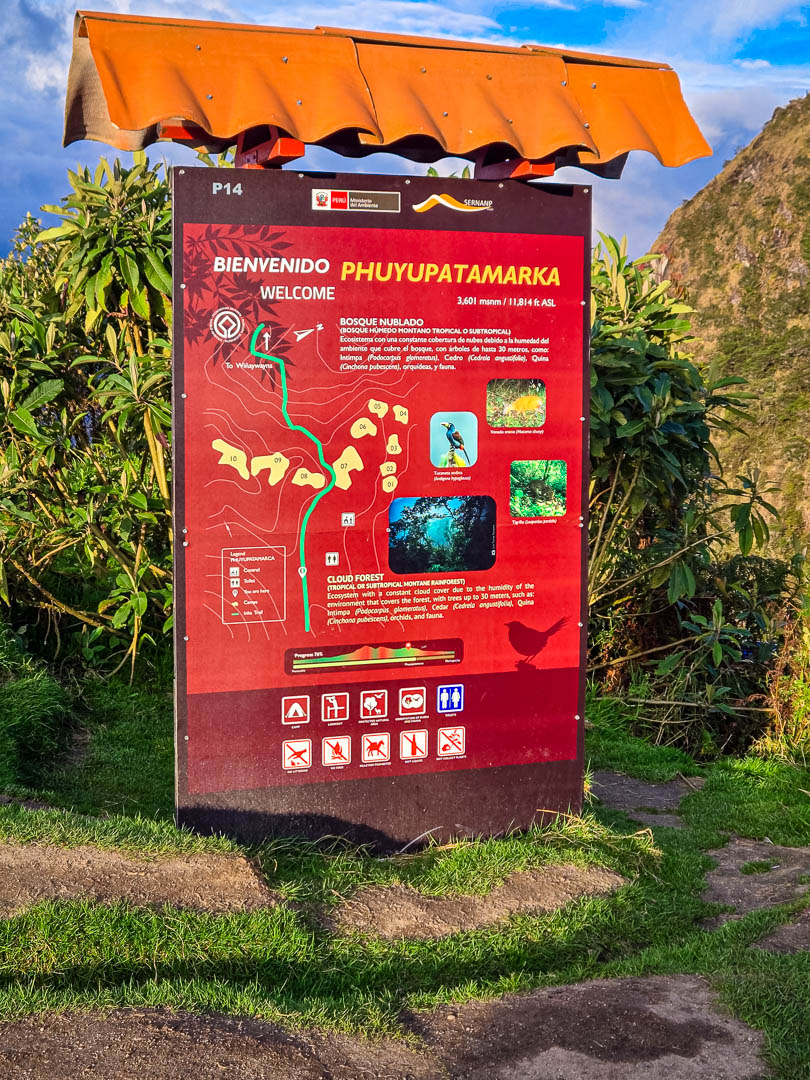
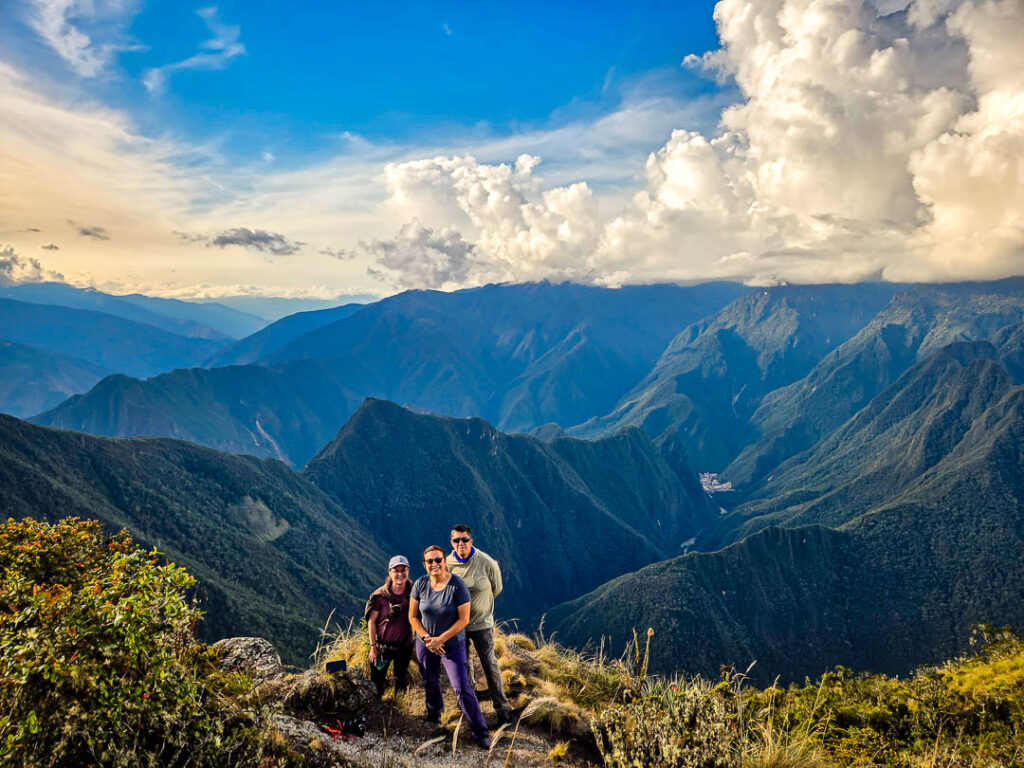
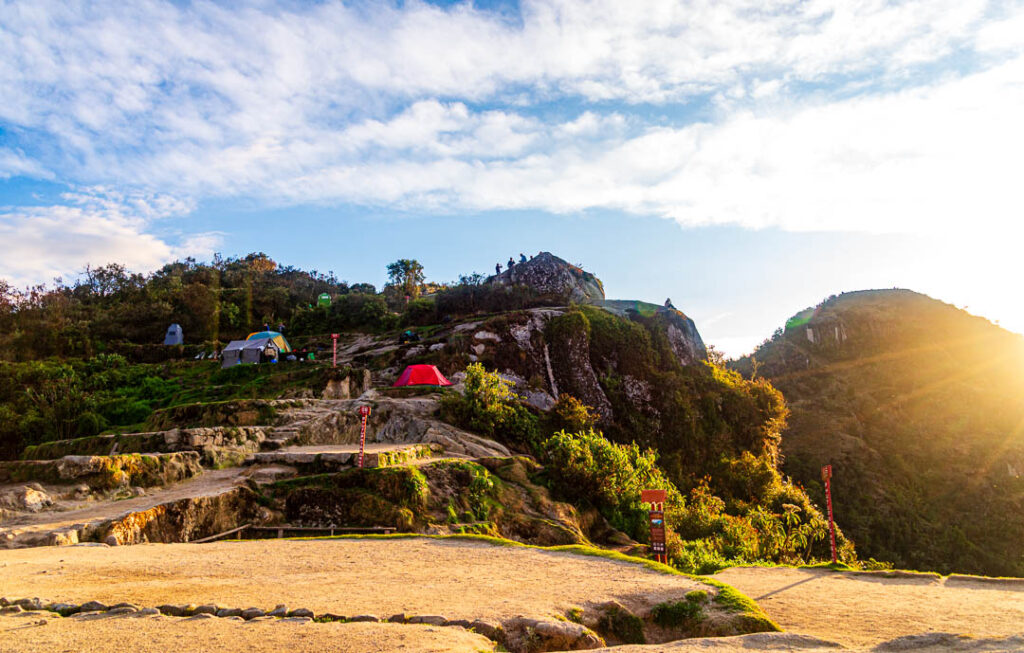
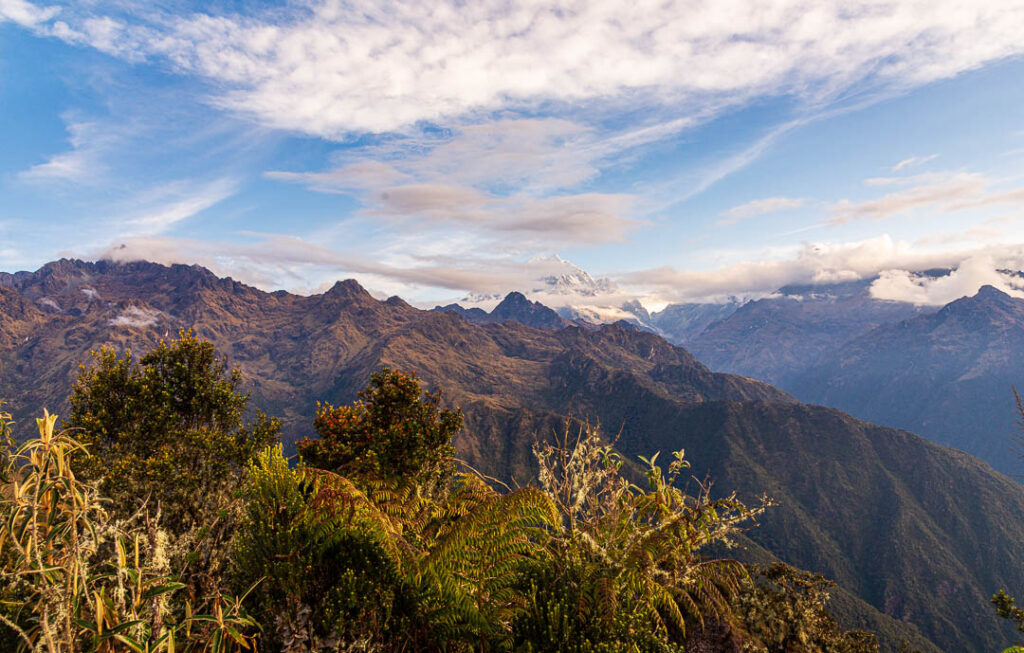
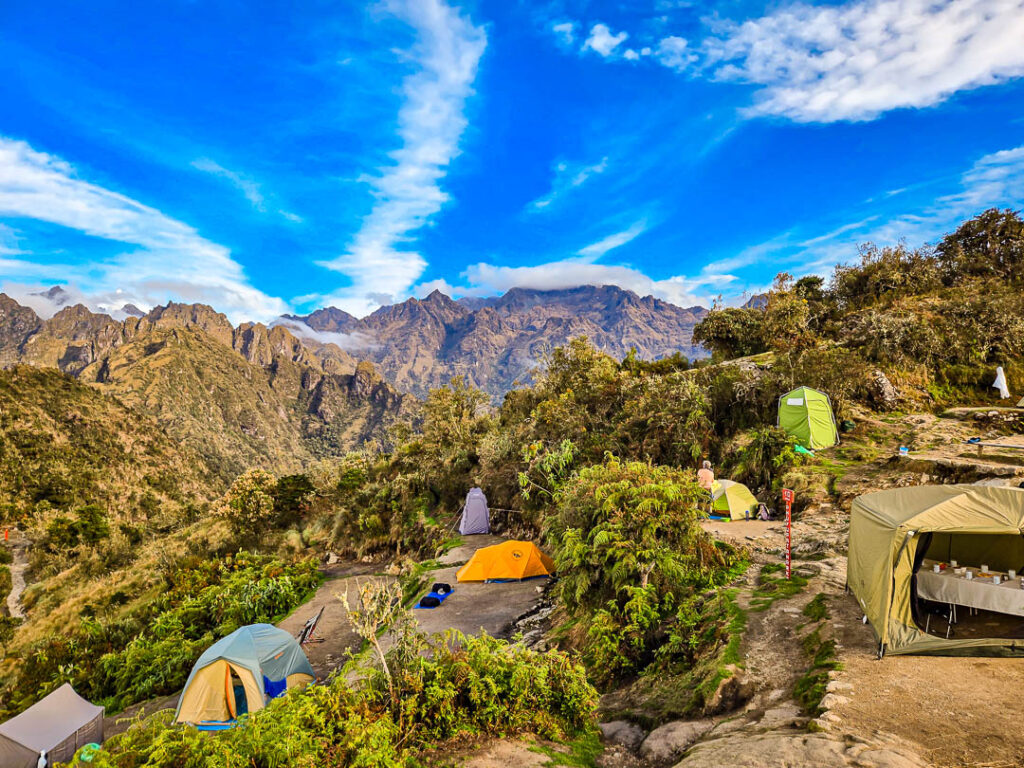
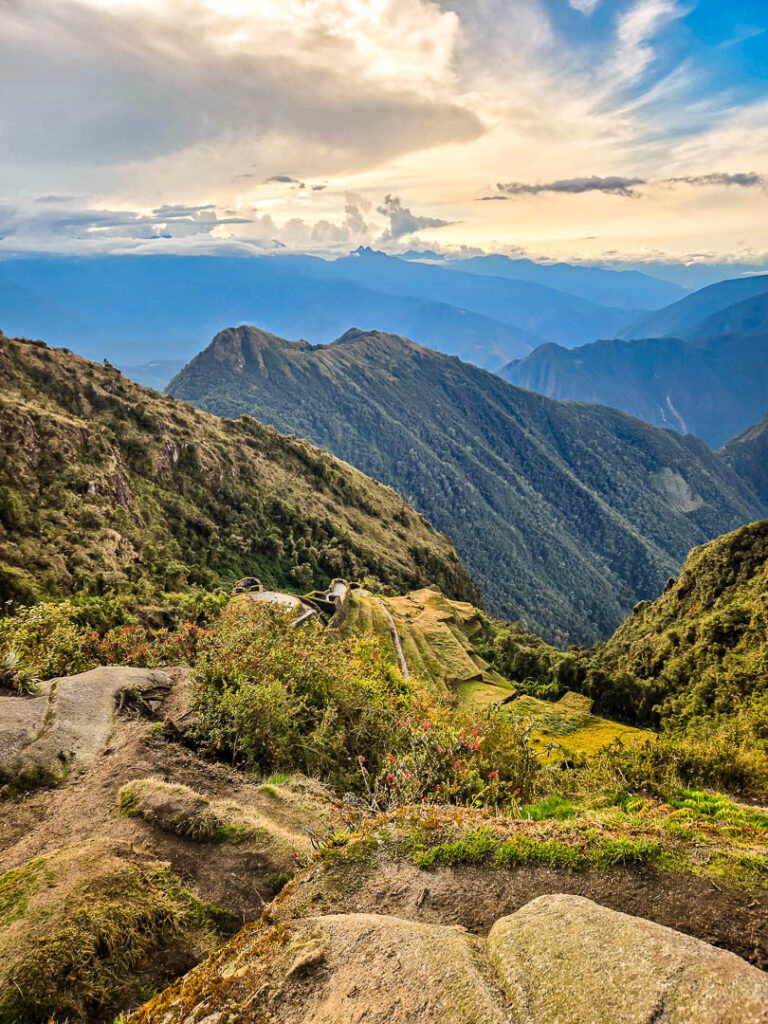
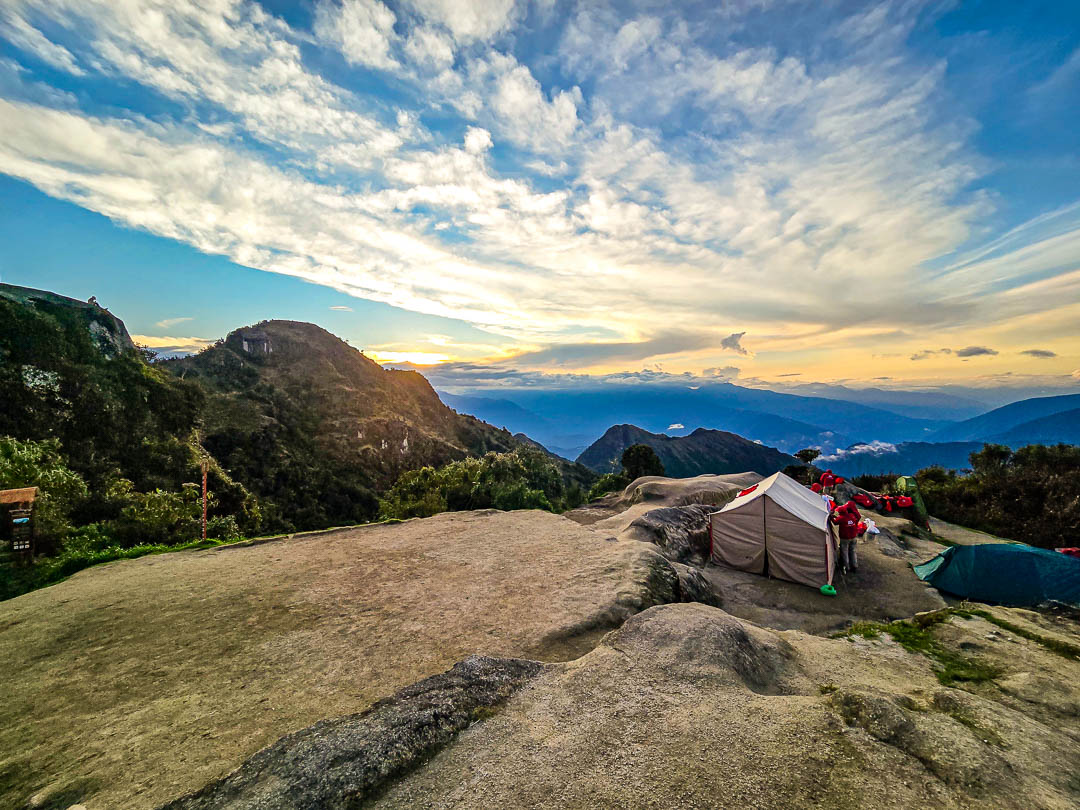
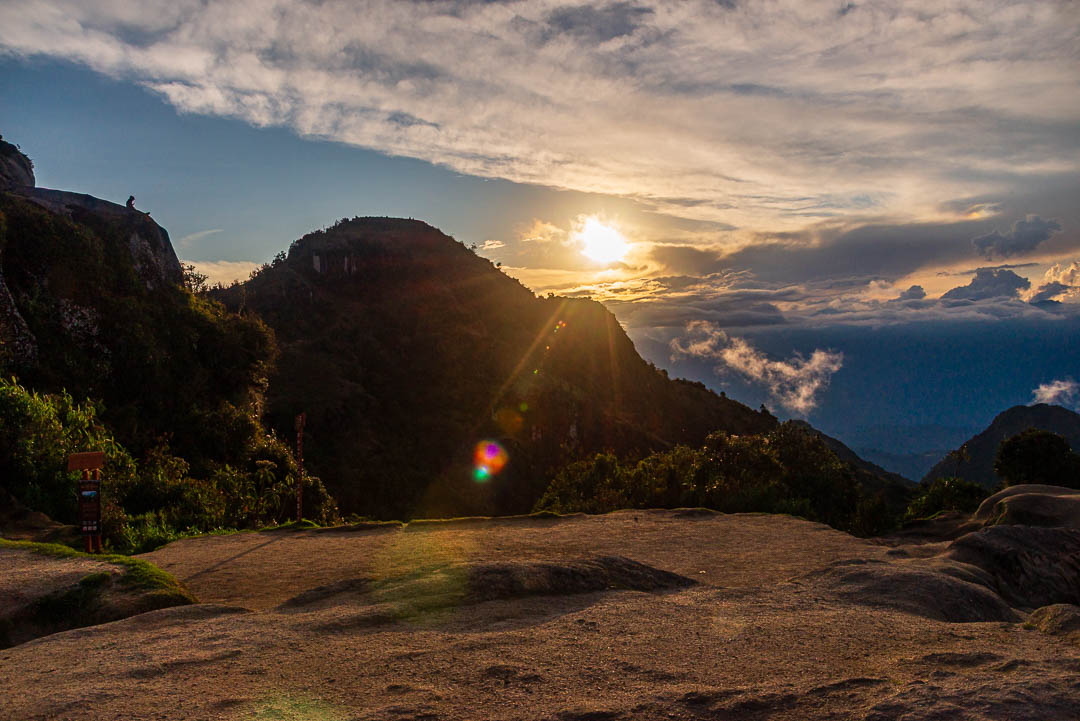
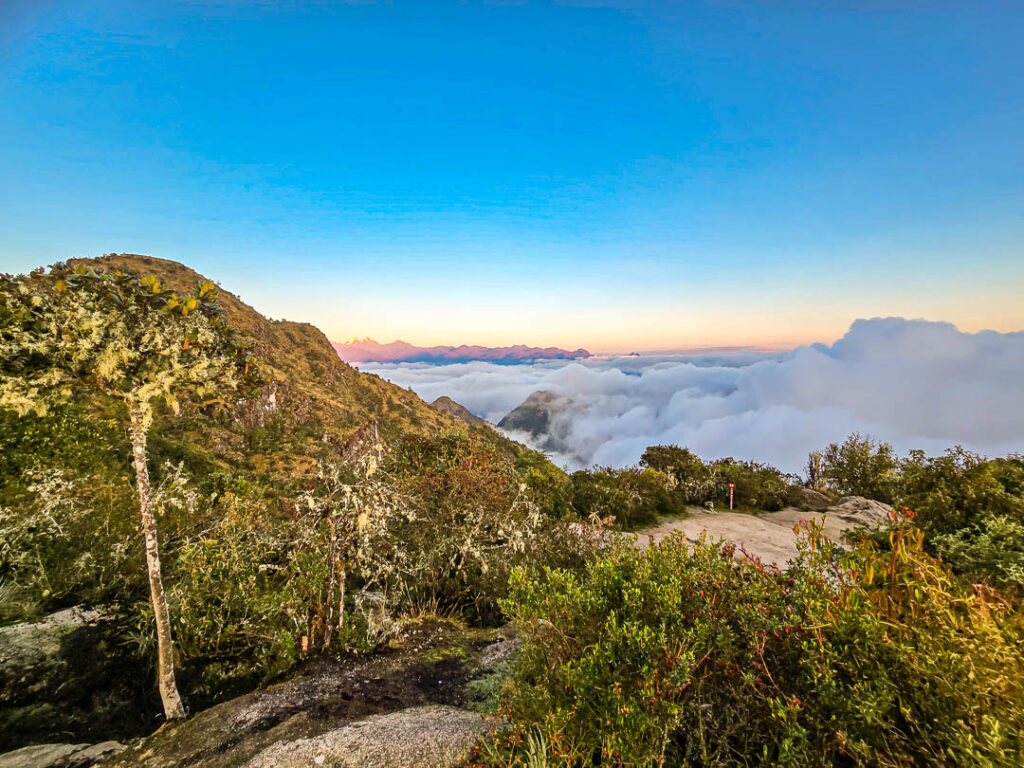
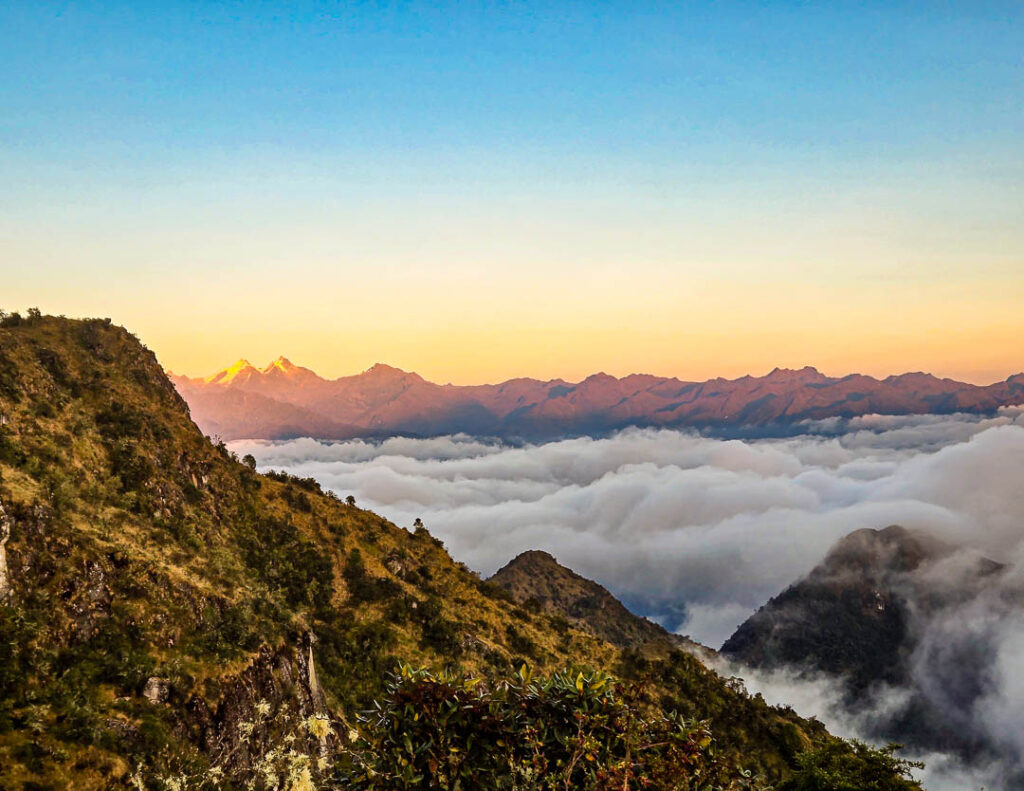
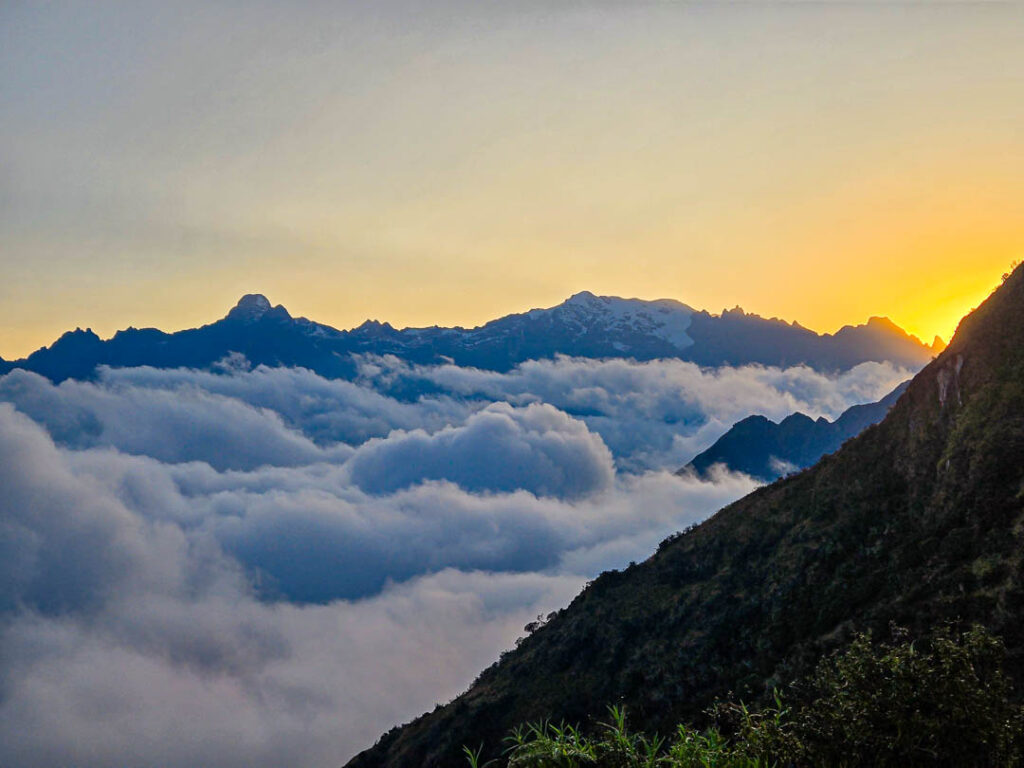
Finally, we reached our last campsite before Machu Picchu: Phuyupatamarka, the “City Above the Clouds.” We arrived around 2:00 PM with daylight left to explore. Mist drifted across the ridge as the ruins appeared below in the softening afternoon light.
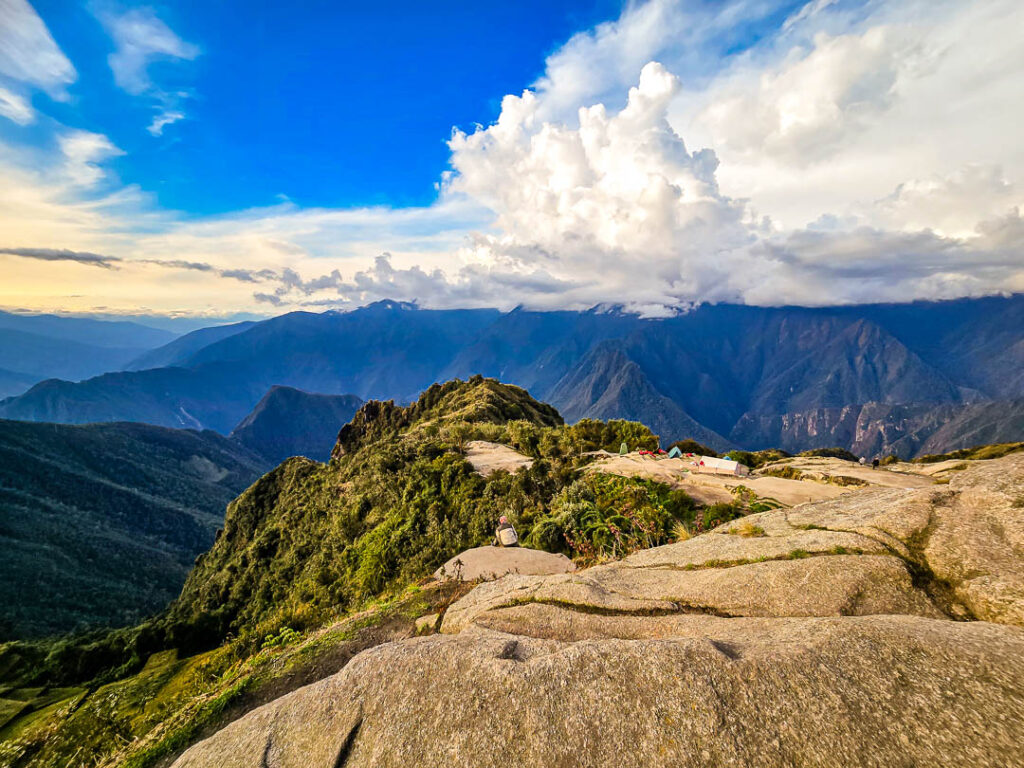
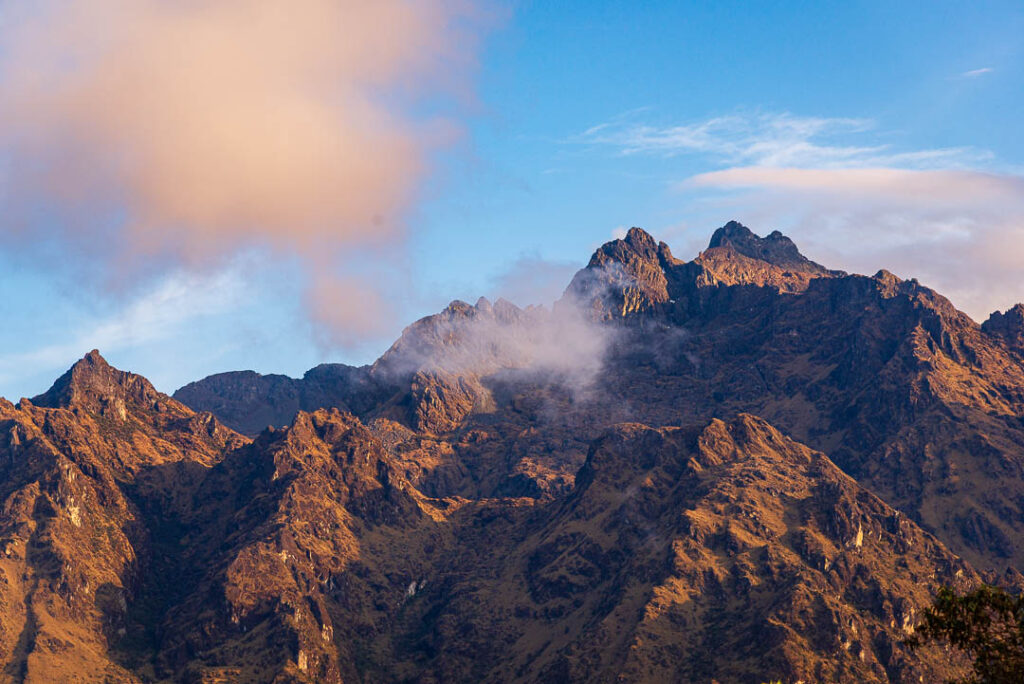
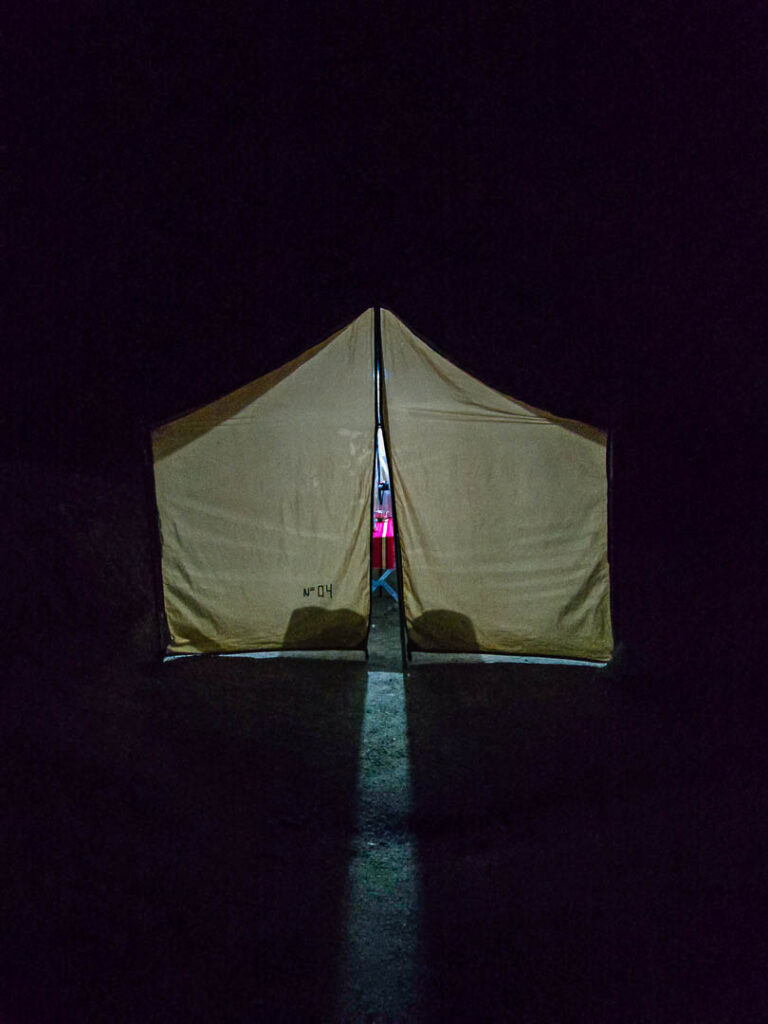
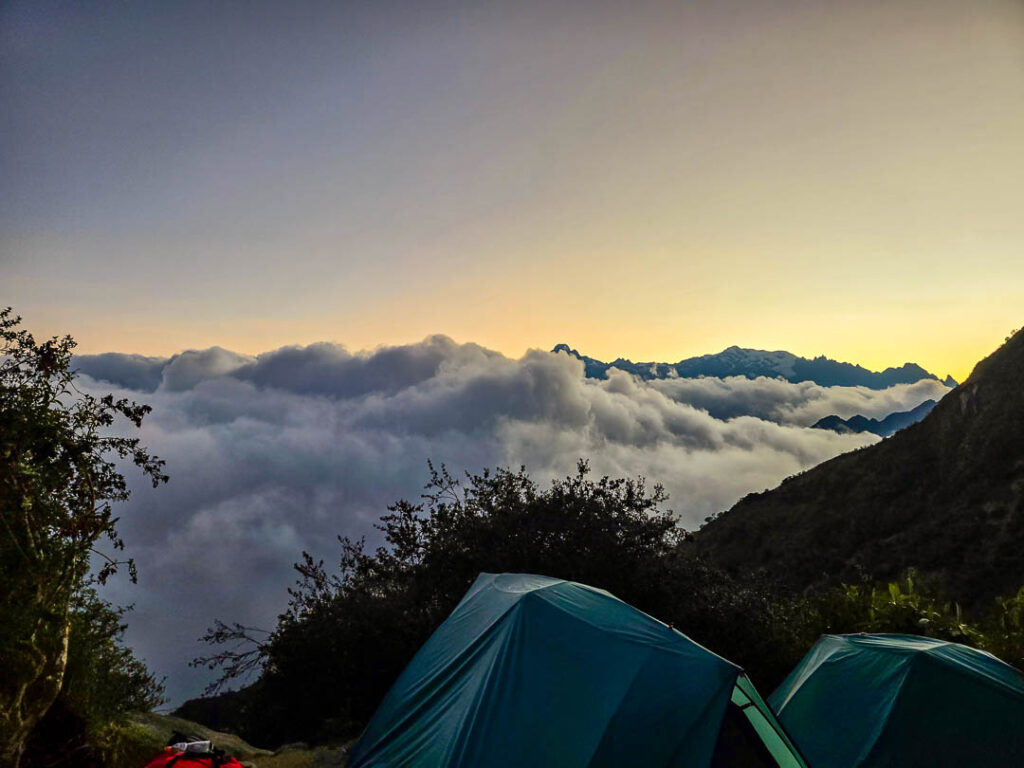
The campsite is built into terraces carved into the mountainside. Several tour companies stay here, while others continue to Wiñayhuayna, so each terrace hosts a different group. Our terrace sat along the outer edge, tents facing Mount Veronica.
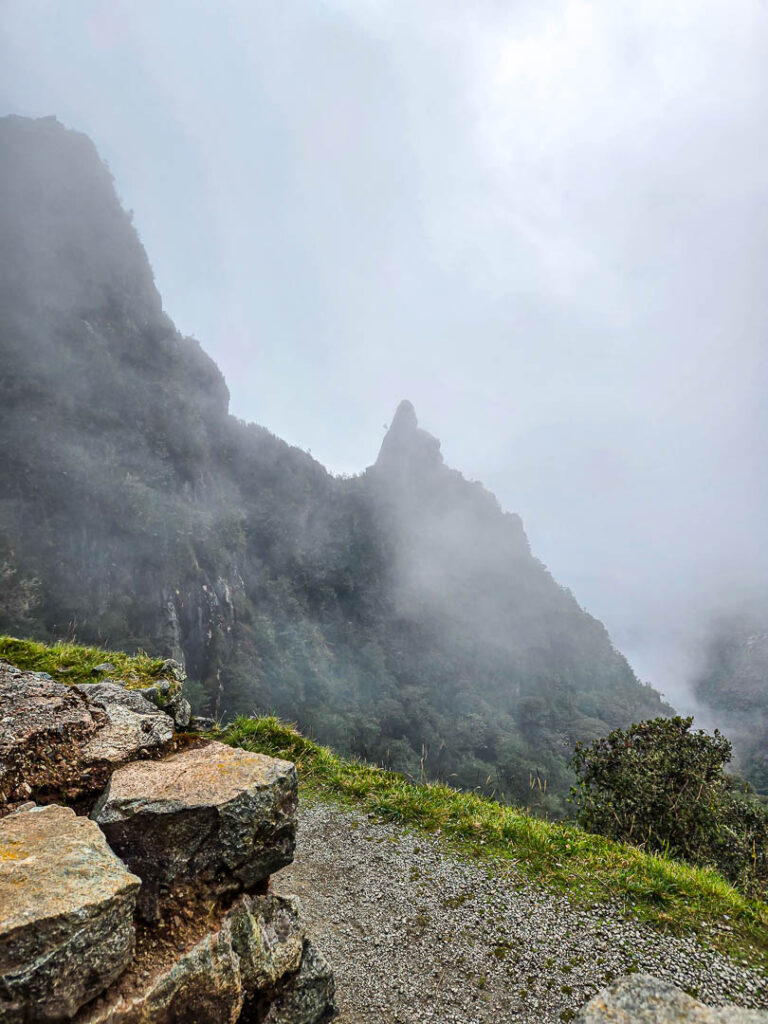
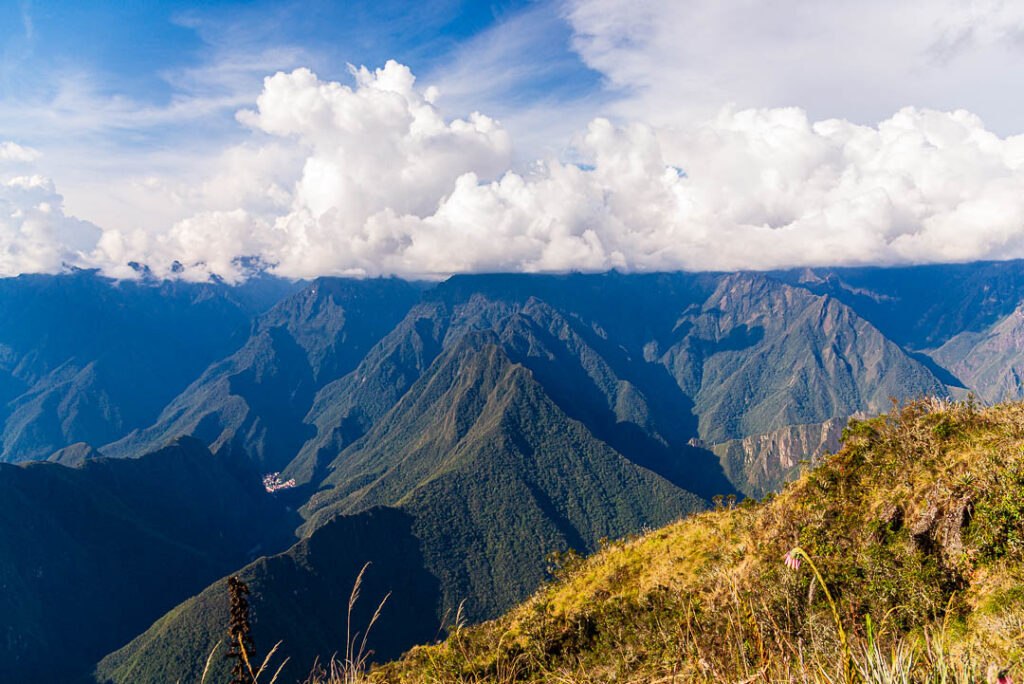
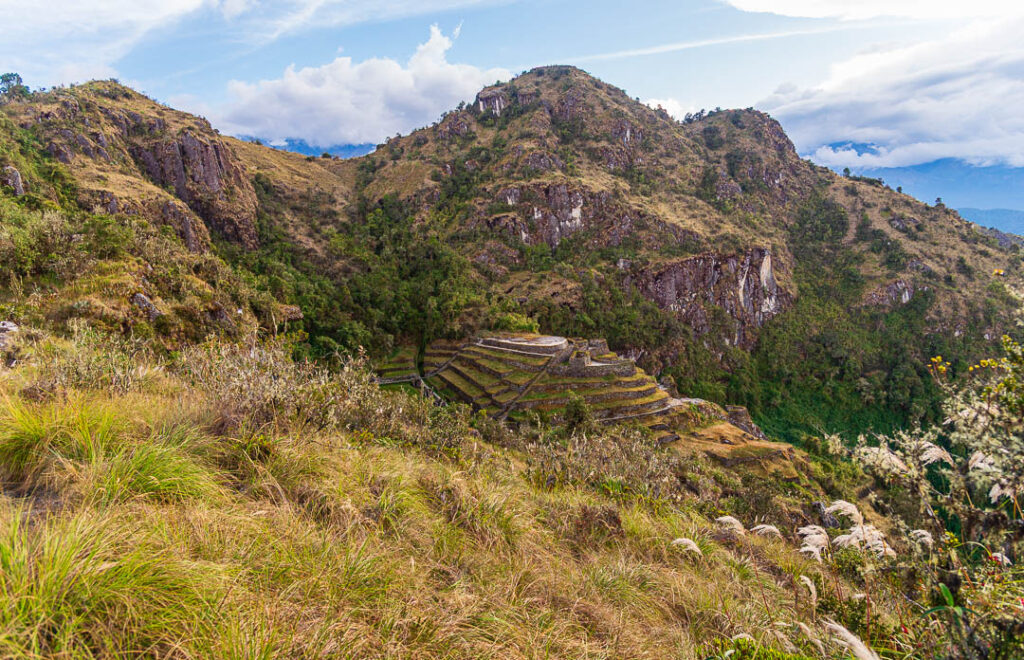
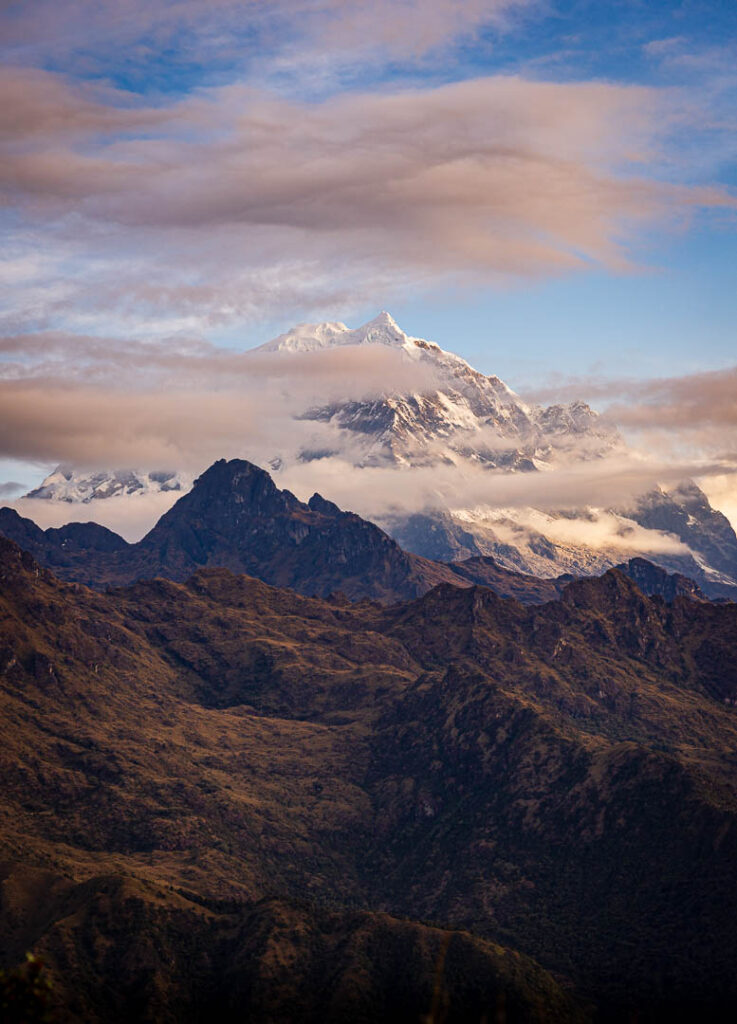
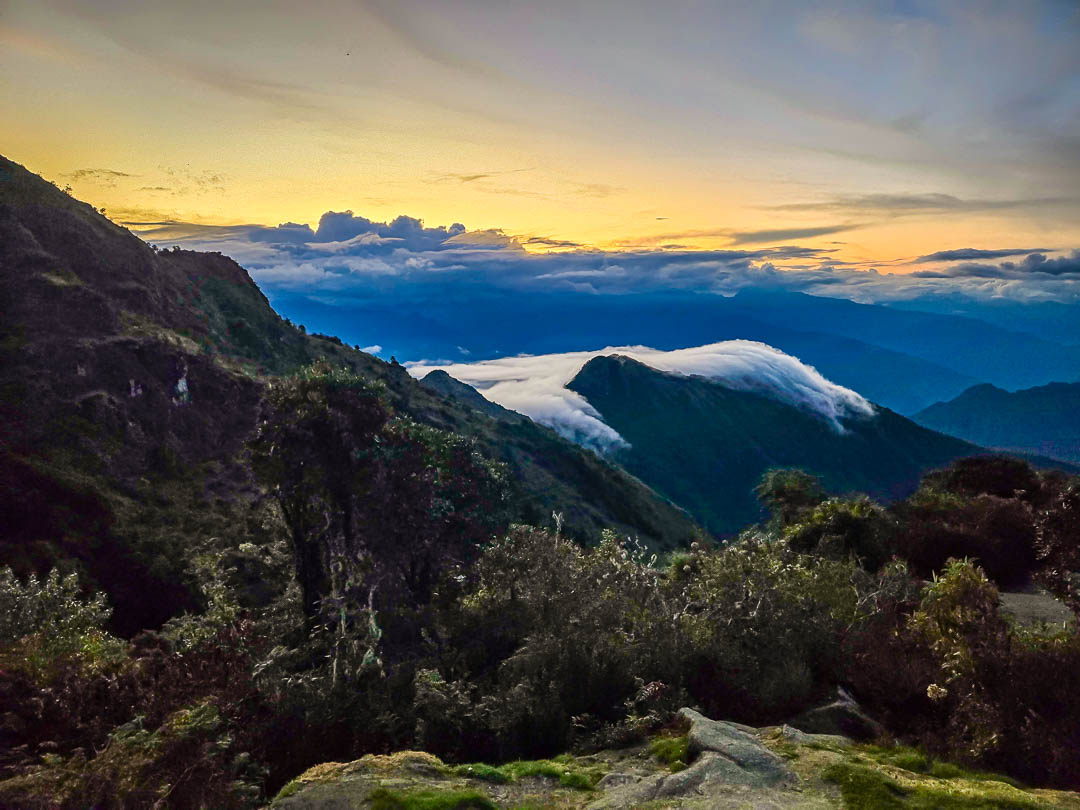
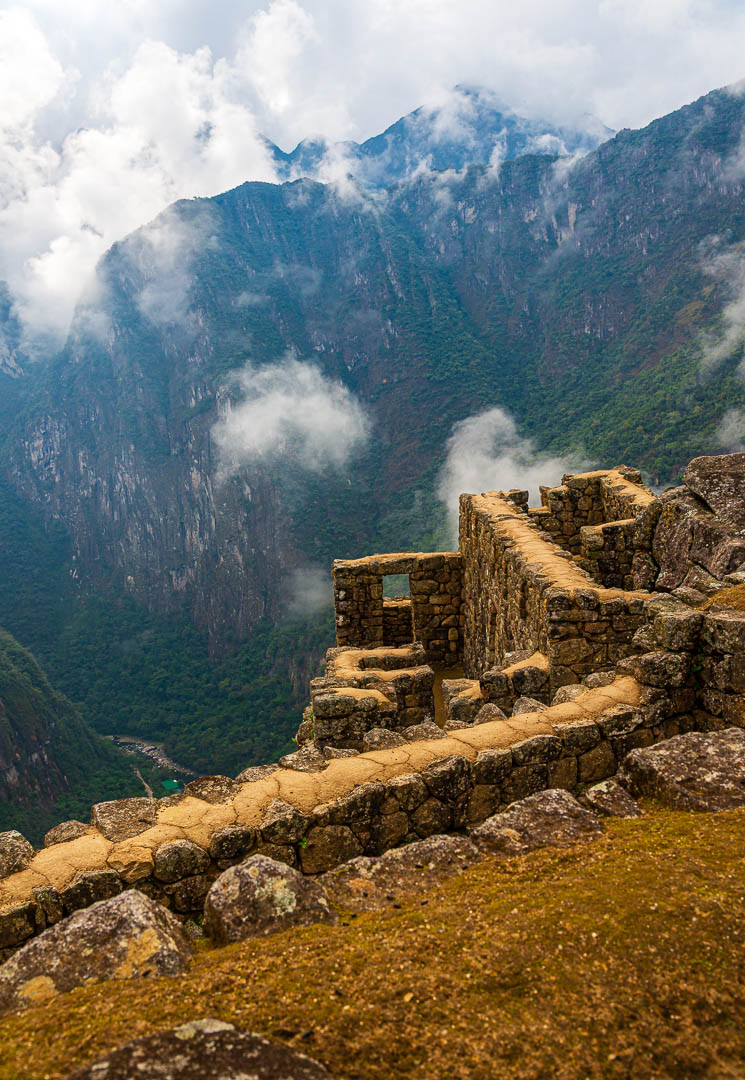
Below us, terraces dropped steeply down the hillside. The ruins rested above on the upper ridge. The entire complex sits on a high, narrow spine of the Andes, giving Phuyupatamarka its dramatic atmosphere. With clouds rising and falling around us, it felt like a hidden world suspended between the Andes and the Amazon.
When night fell, darkness was absolute, no light pollution, no moonlight. A strong headlamp became essential for the short walk from our tents to the dining tent.
Dinner was bittersweet as this is the part where we say our goodbyes to the porters and provide our tips, as some will make their way straight to Aguas Calientes in the morning. We still had one more breakfast and a lunch, so just the chef and su chef and a couple of porters would remain behind.
Day 4: Sun Gate into Machu Picchu (7 miles)
This was the worst sleep of the entire trek. The ground at Phuyupatamarka is practically solid rock. We woke every few hours, shifting positions to relieve pressure on our hips and backs. The only comfort was knowing this was our last campsite.
Morning brought hot coca tea, which hit the spot in the cold mountain air. After breakfast, we gathered to hear about the day’s route.
This section would be the highlight of the trek, we’d pass through Inti Pata, Wiñay Wayna, and finally reach Intipunku, the Sun Gate.
Porters’ Early Departure and the Strike Rumors
After breakfast, we quickly secured our gear as some porters needed to take it ahead to Aguas Calientes. Throughout the trek, we’d heard rumors of train strikes. An indefinite strike had begun around September 14 due to disputes with the Consettur bus operator, forcing PeruRail to suspend services. The word was negotiations were ongoing, but nothing was certain. The possibility of getting stranded caused real anxiety.
The Final Trek Begins
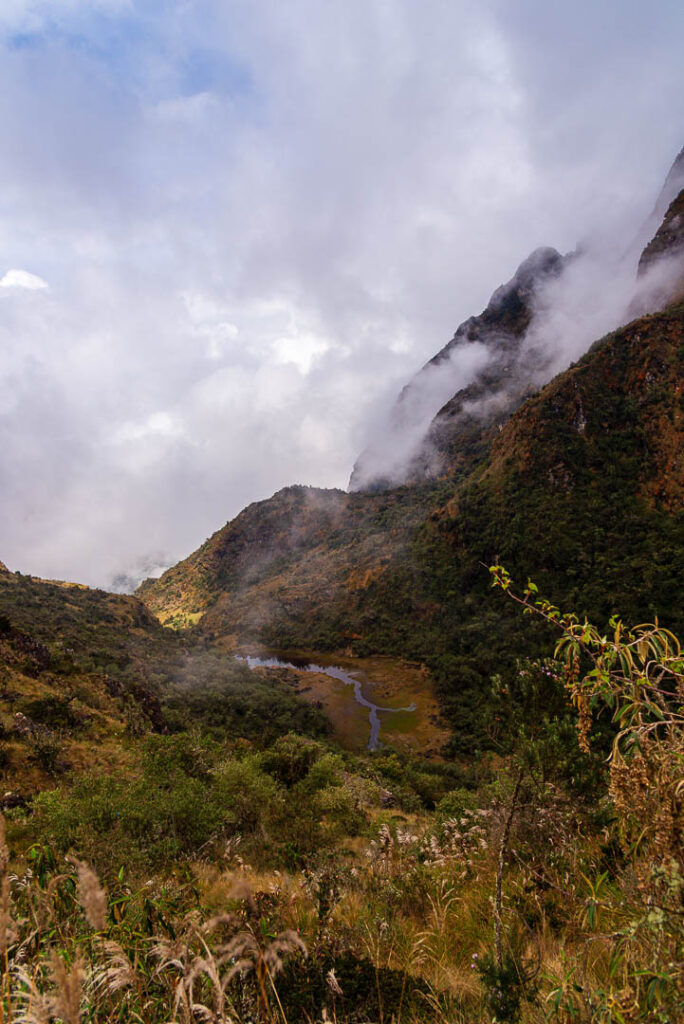
By 7:30 AM we were moving through some of the most beautiful, lush sections of the trail. Our first stop was Inti Pata, the “Place of the Sun.”
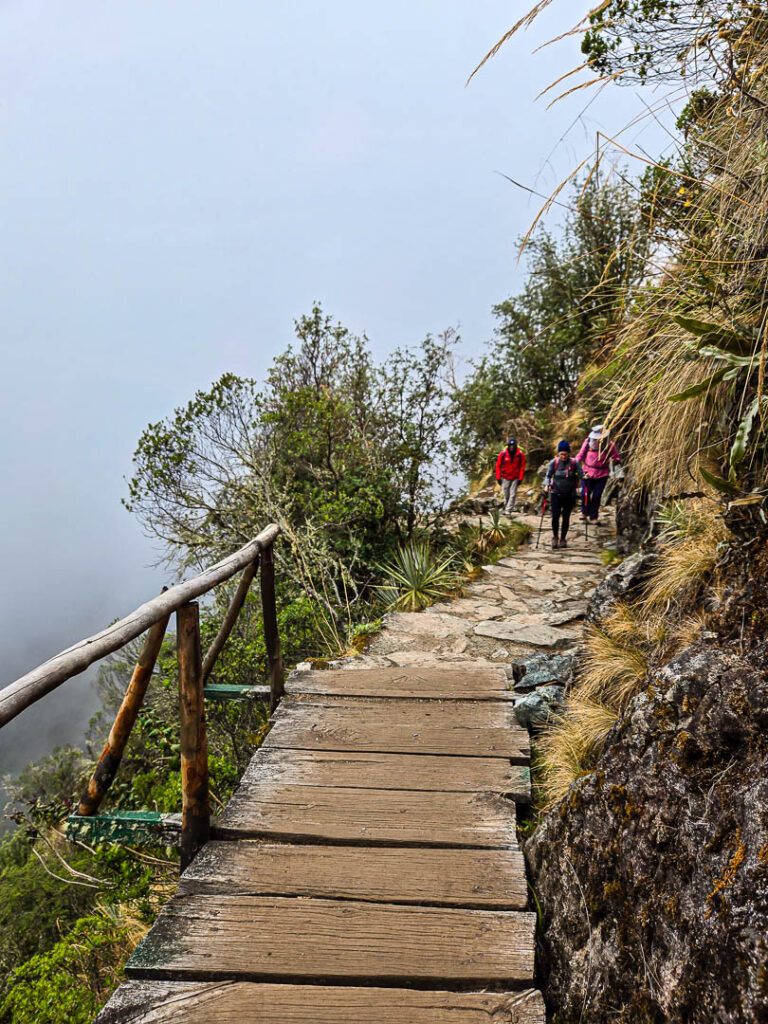
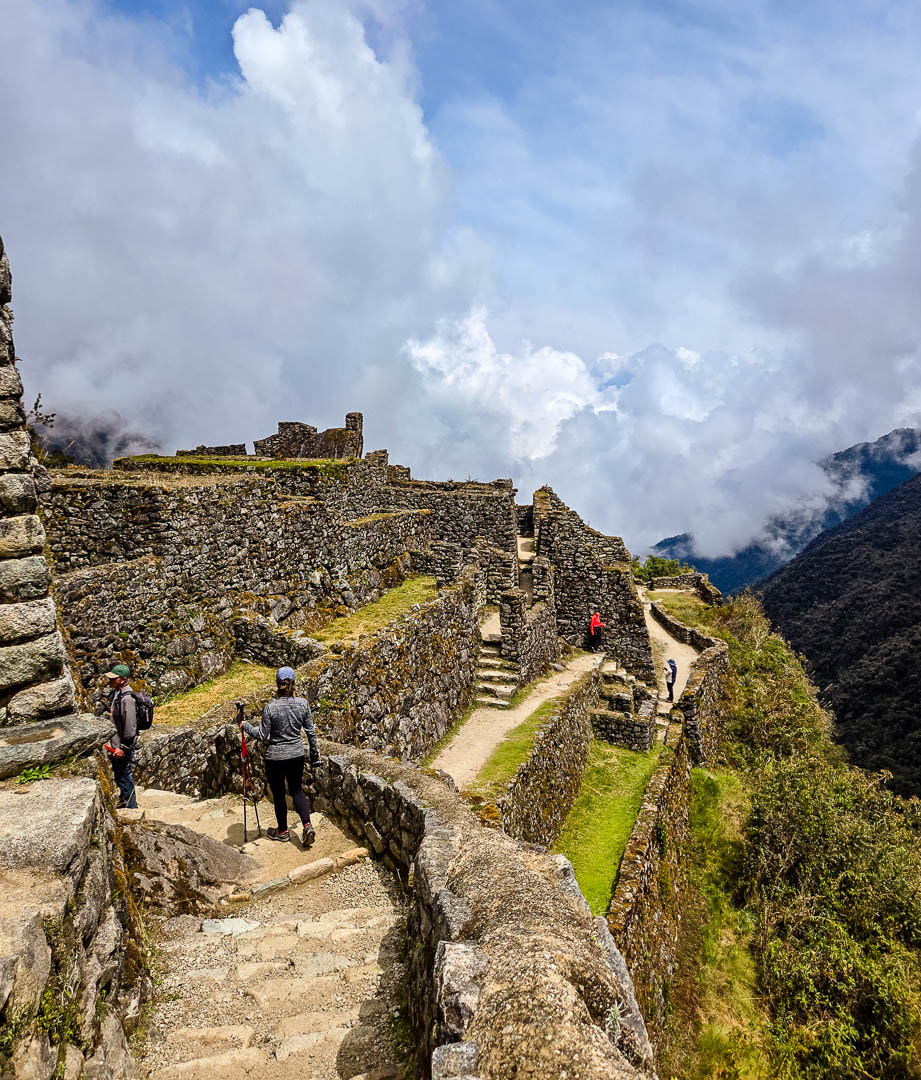
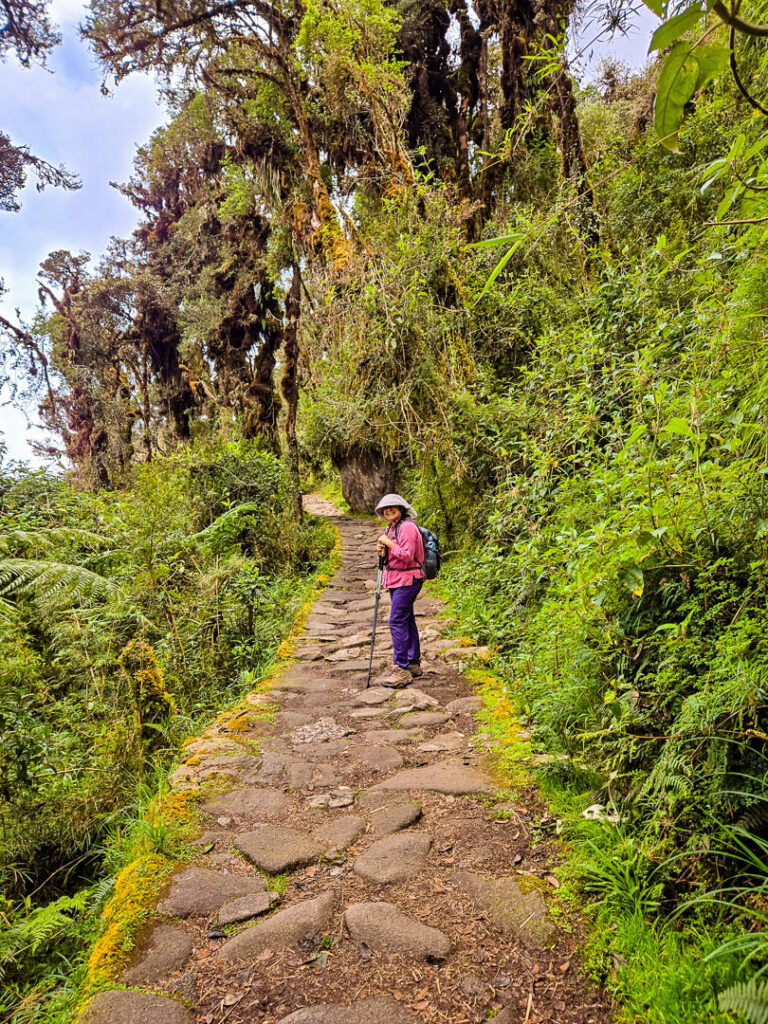
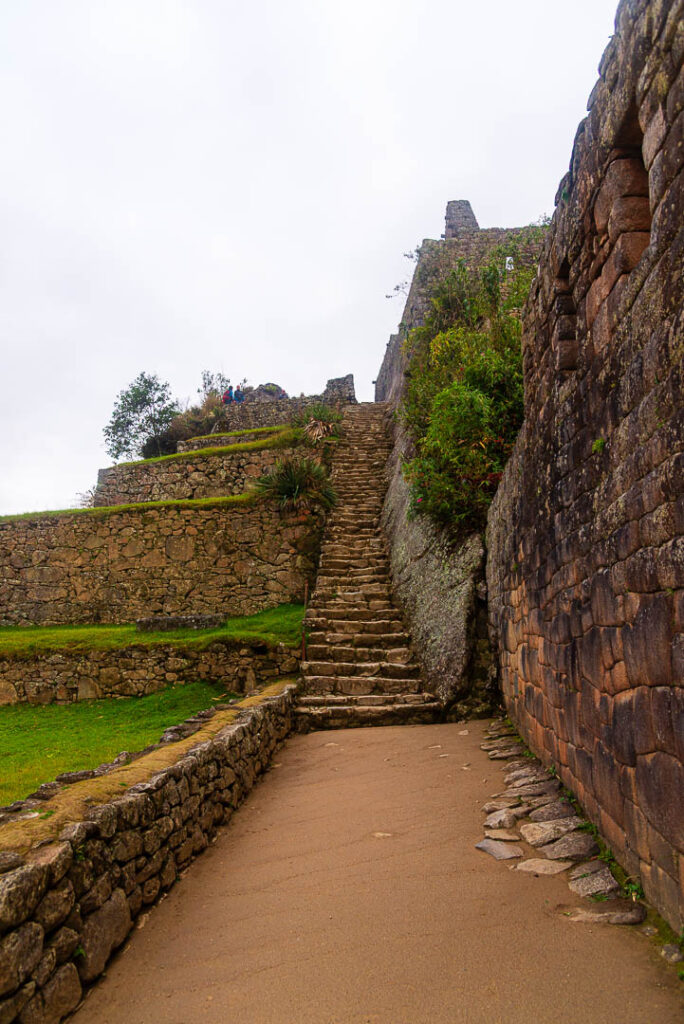
The trail followed the upper terraces, then gradually descended before reaching a set of steep stone staircases. The steps were deeply uneven, and the exposure was real, blue sky above, warmth of the sun, crisp air, and a deadly drop if you misstep. We took the 200-plus steps slow and steady.
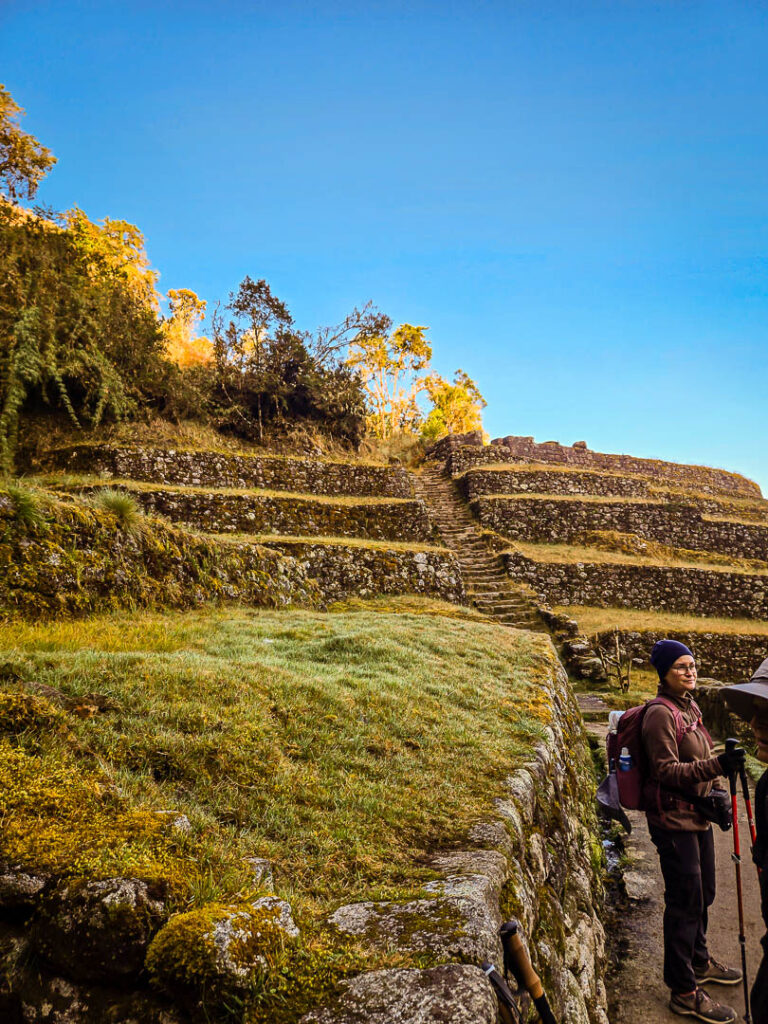
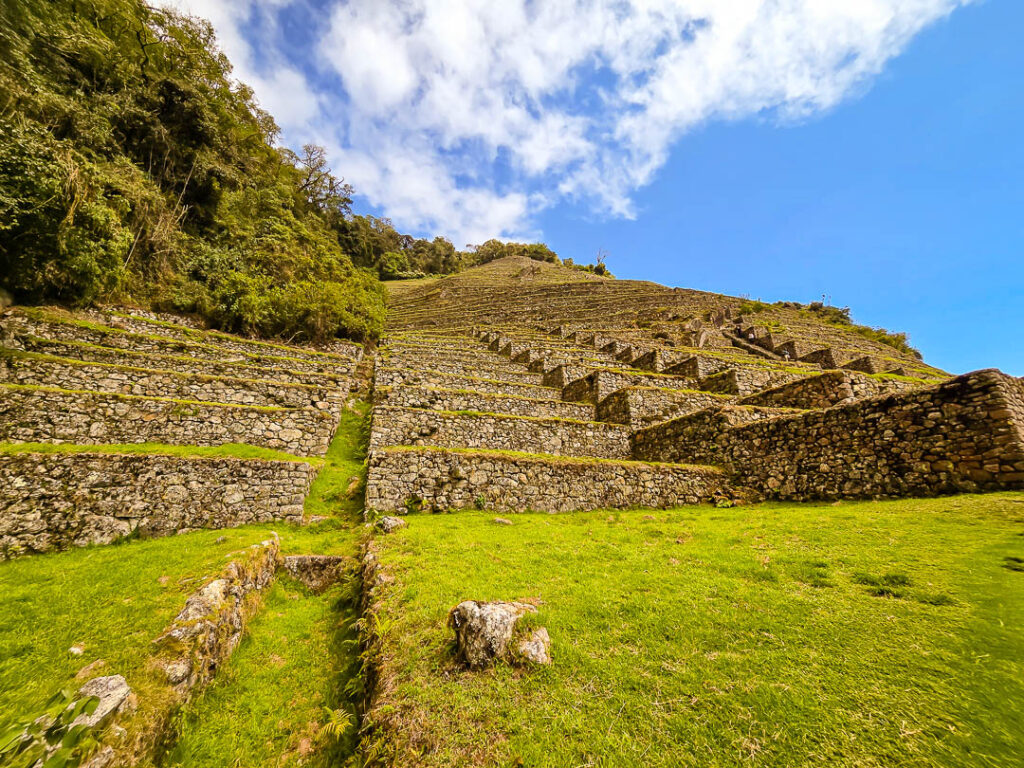
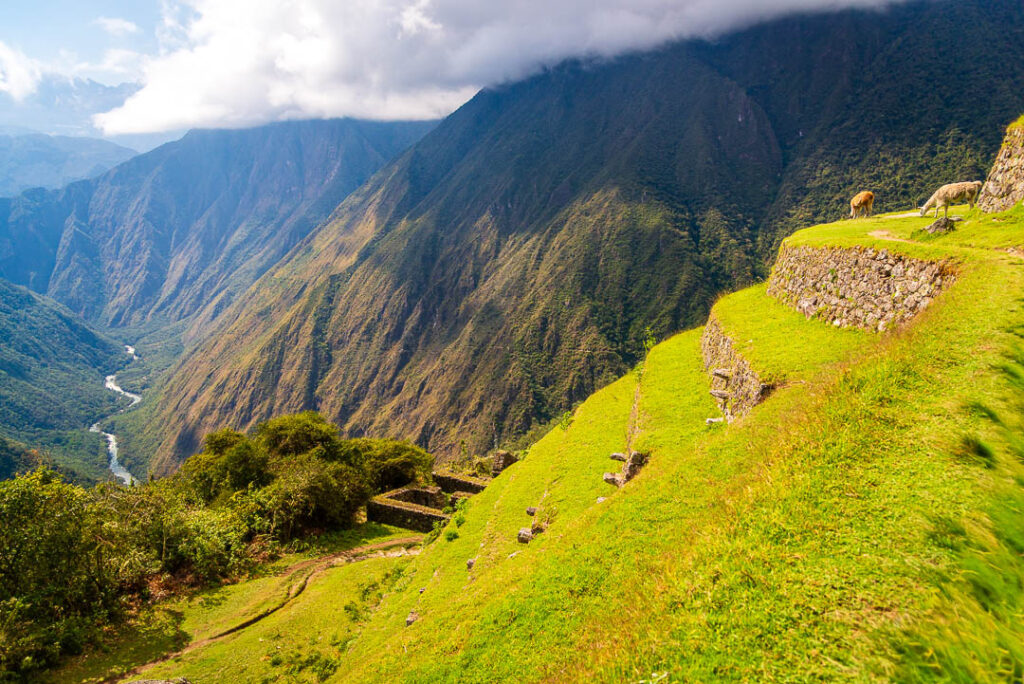
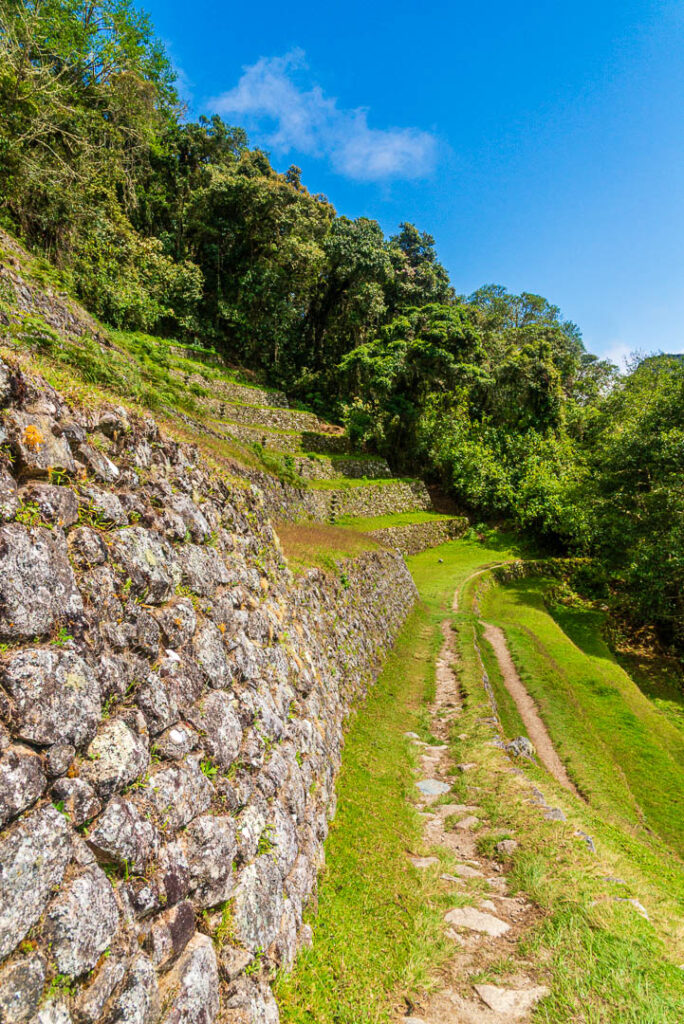
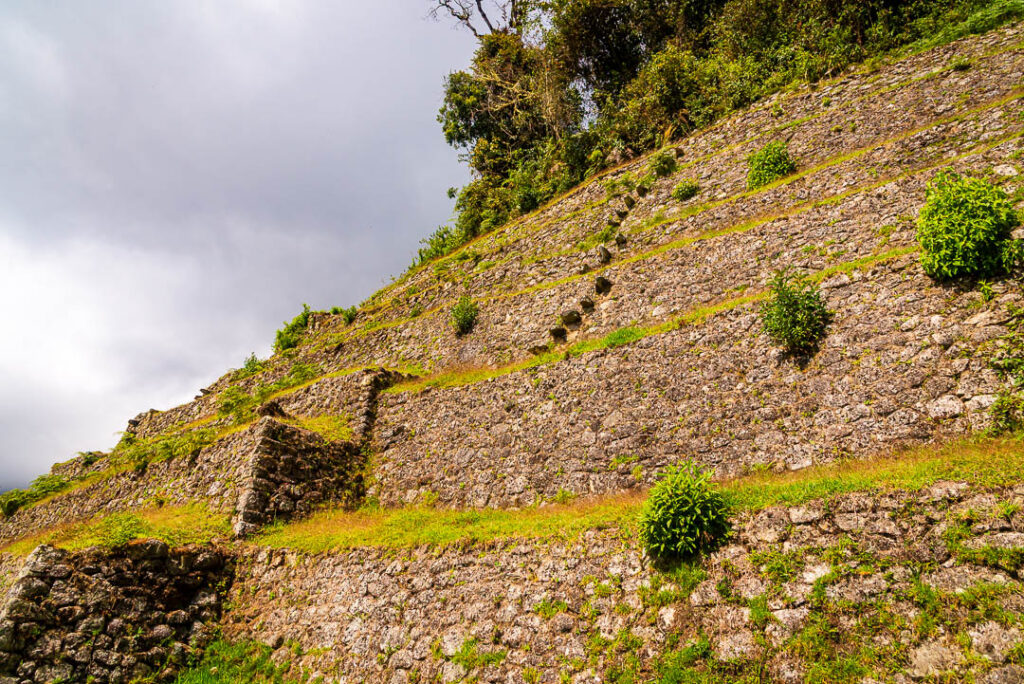
Inti Pata’s sweeping terraces carved into the hillside were striking. The site was heavily overgrown until the early 1990s, when archaeologists began clearing and stabilizing it. Unlike other Inca sites on the trail, Inti Pata has few residential structures, it’s almost entirely agricultural terraces cascading down the slope. Given its proximity to Machu Picchu, archaeologists believe it likely supported food production for the sacred city.
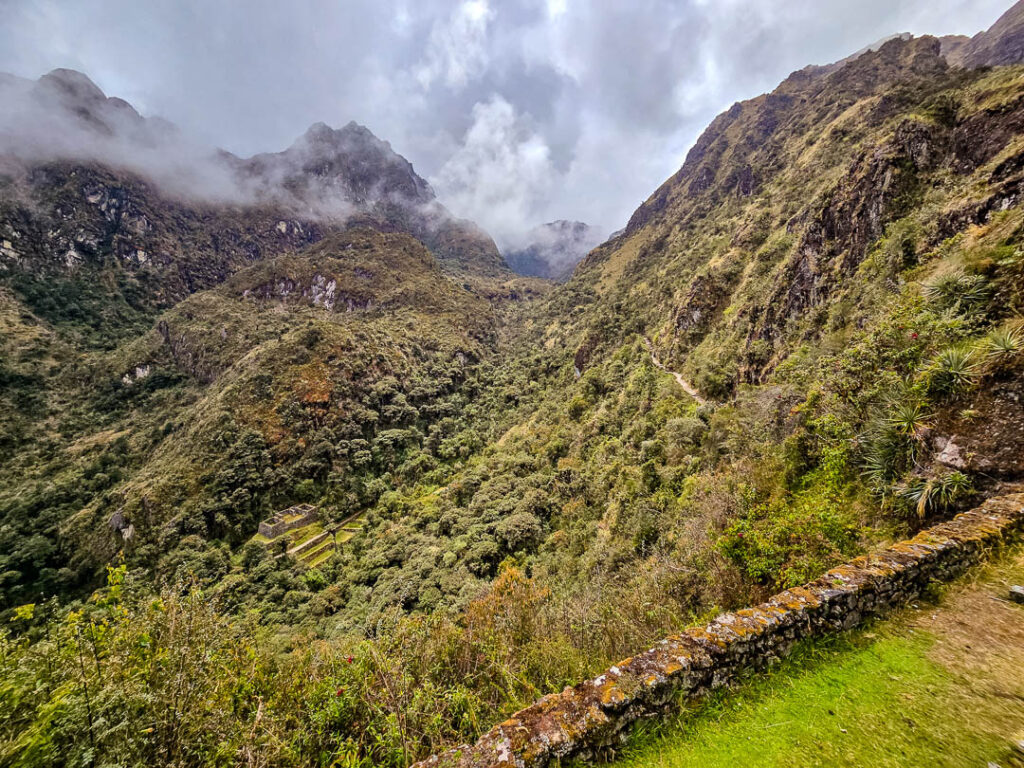
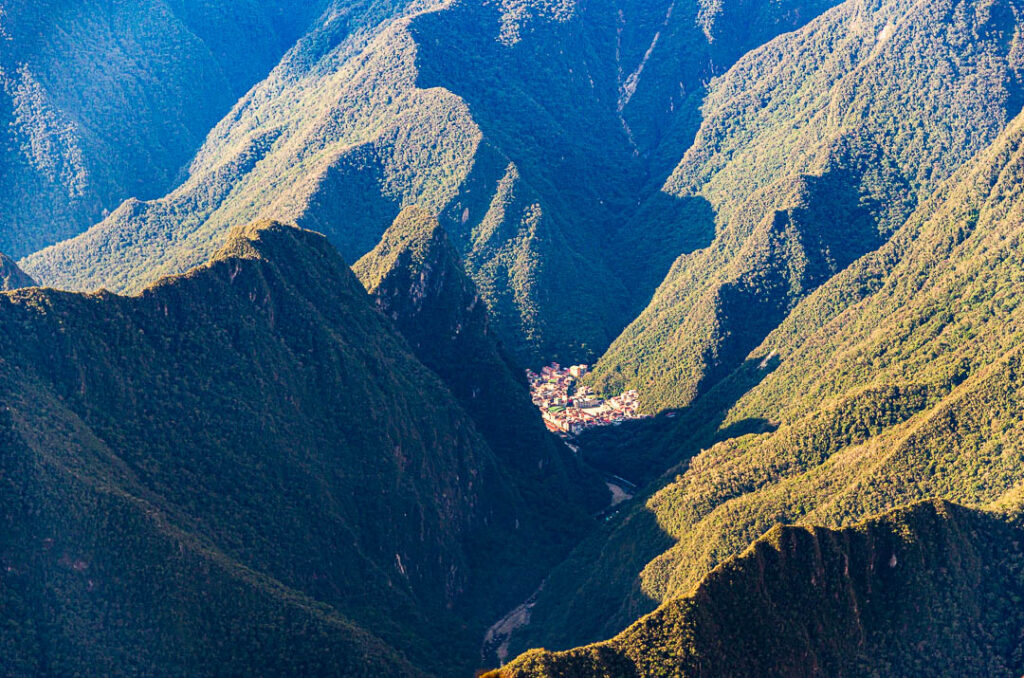
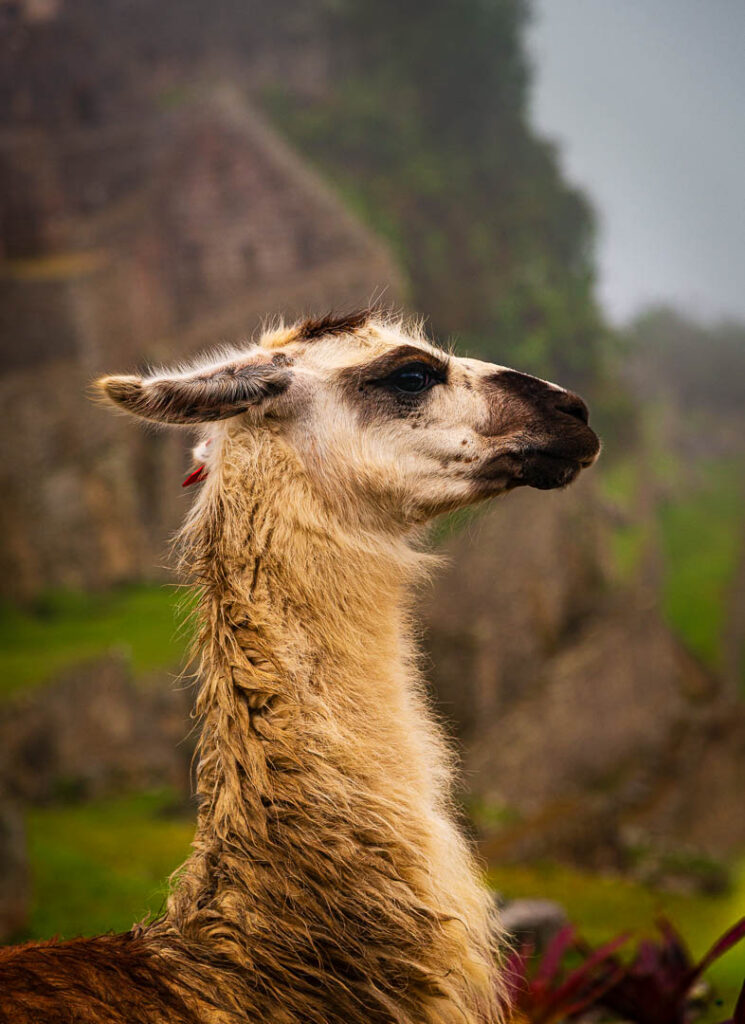
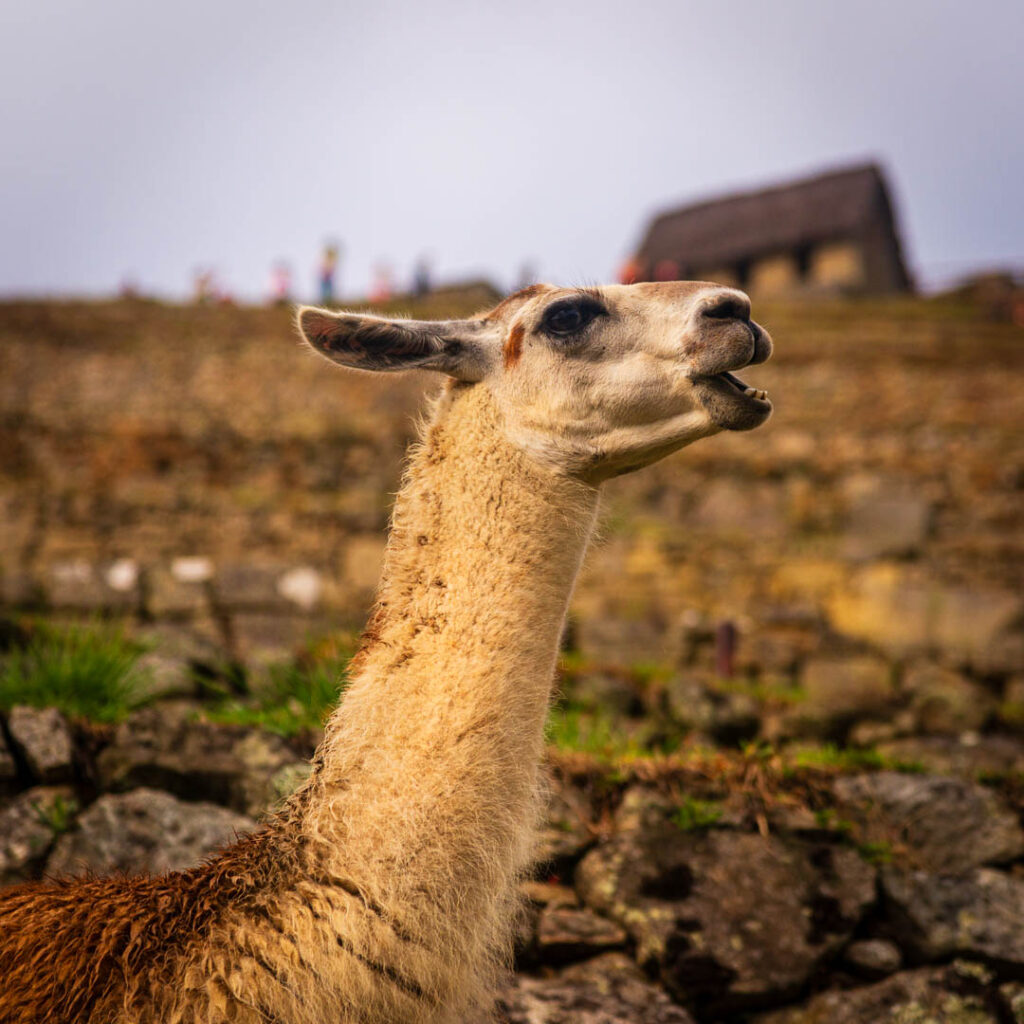
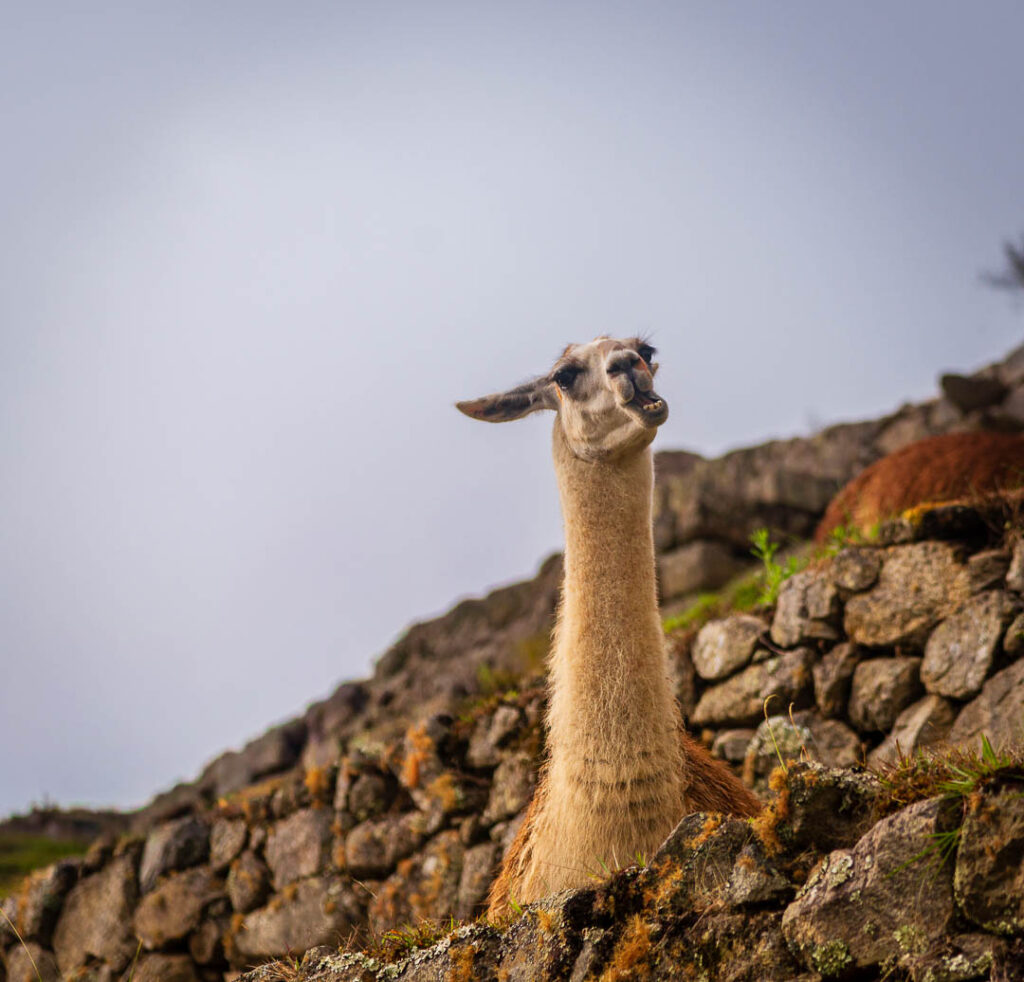
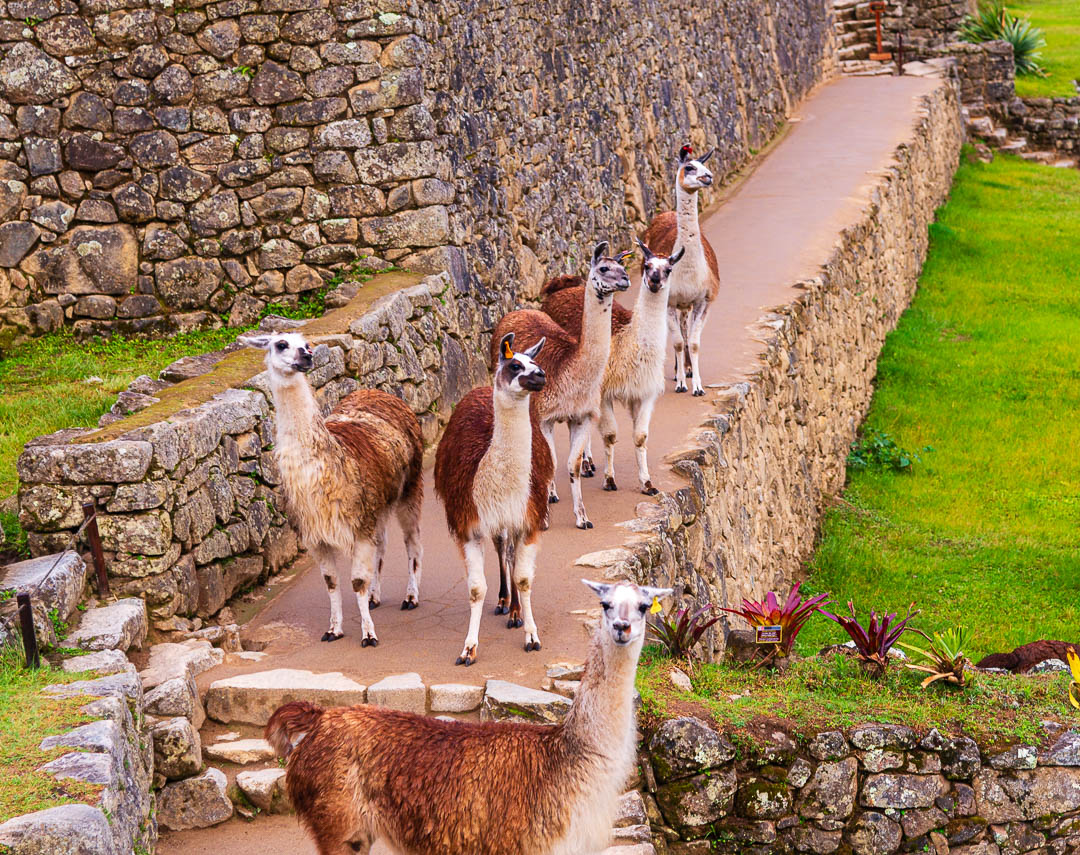
Despite its relative obscurity, Inti Pata became my favorite Inca site on the trail. The dramatic views of the river valley below, Aguas Calientes far off in the distance, llamas grazing peacefully, and, best of all, the sound of a train whistle echoing up from the valley. That whistle meant the trains were running. We wouldn’t be stranded after all.
Wiñay Wayna: The Last Stop Before the Sun Gate
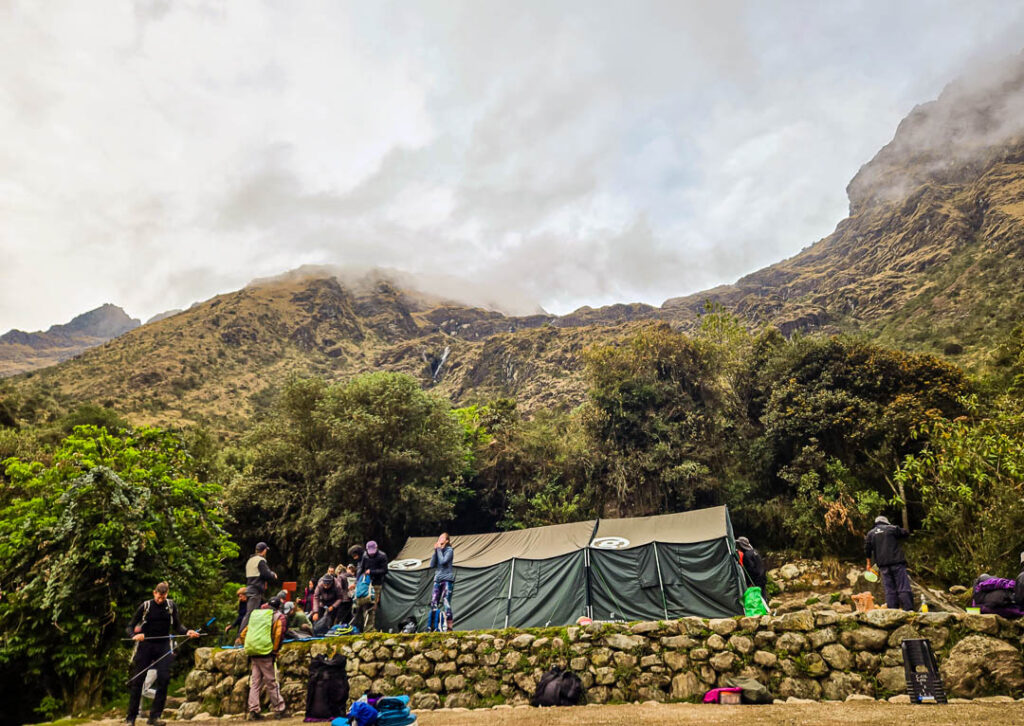
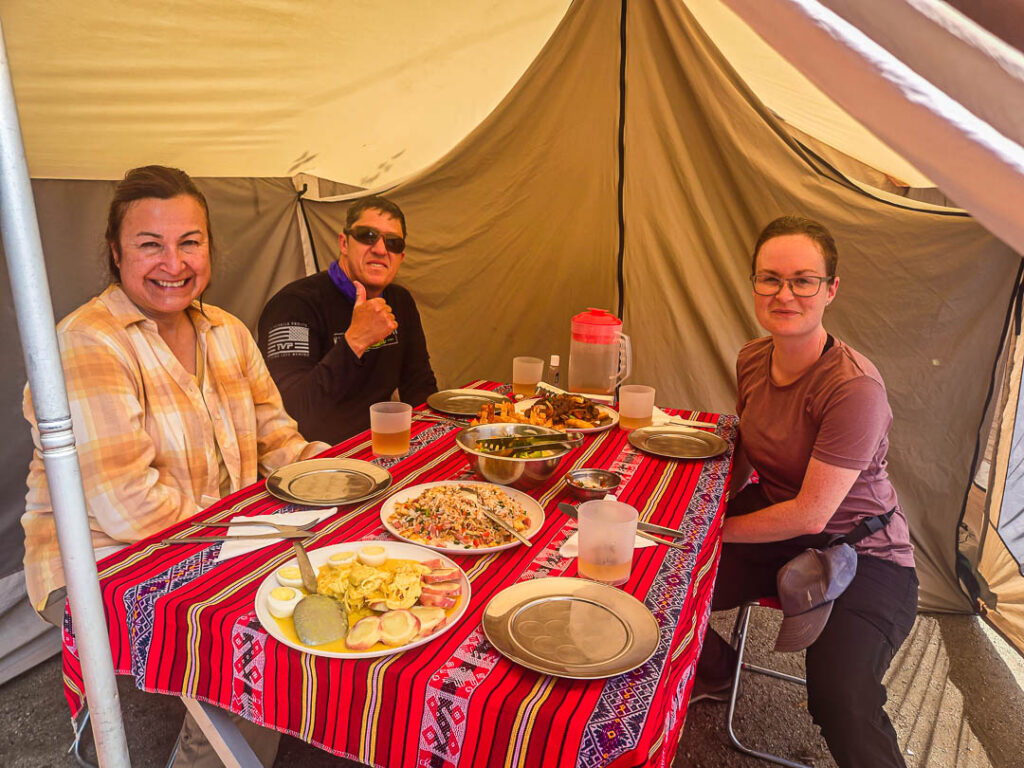
After our time at Inti Pata, we hiked to the Wiñay Wayna campsite for our final lunch on the trail. By 11 AM, we were sitting inside the dining tent, enjoying our last meal and conversation before the grand Machu Picchu entrance.
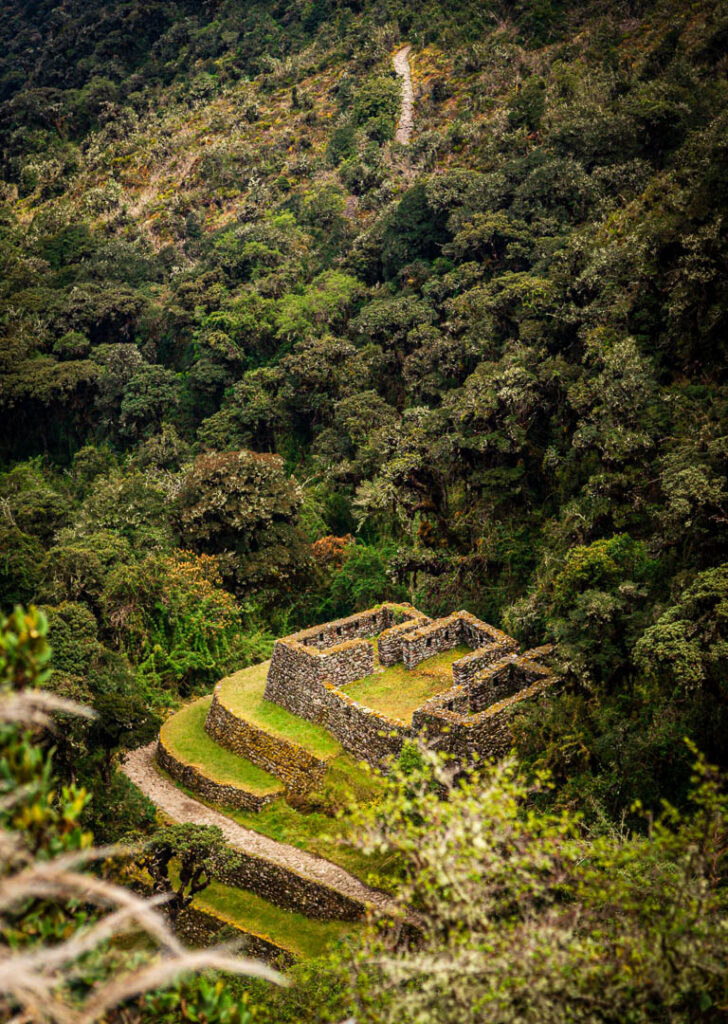
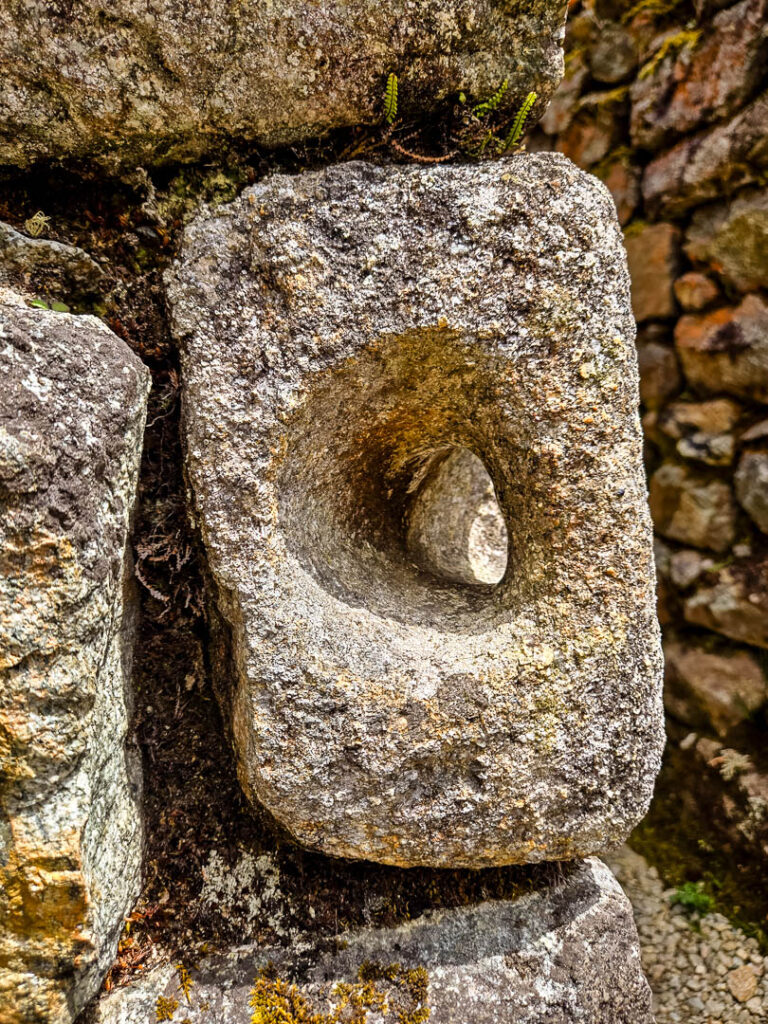
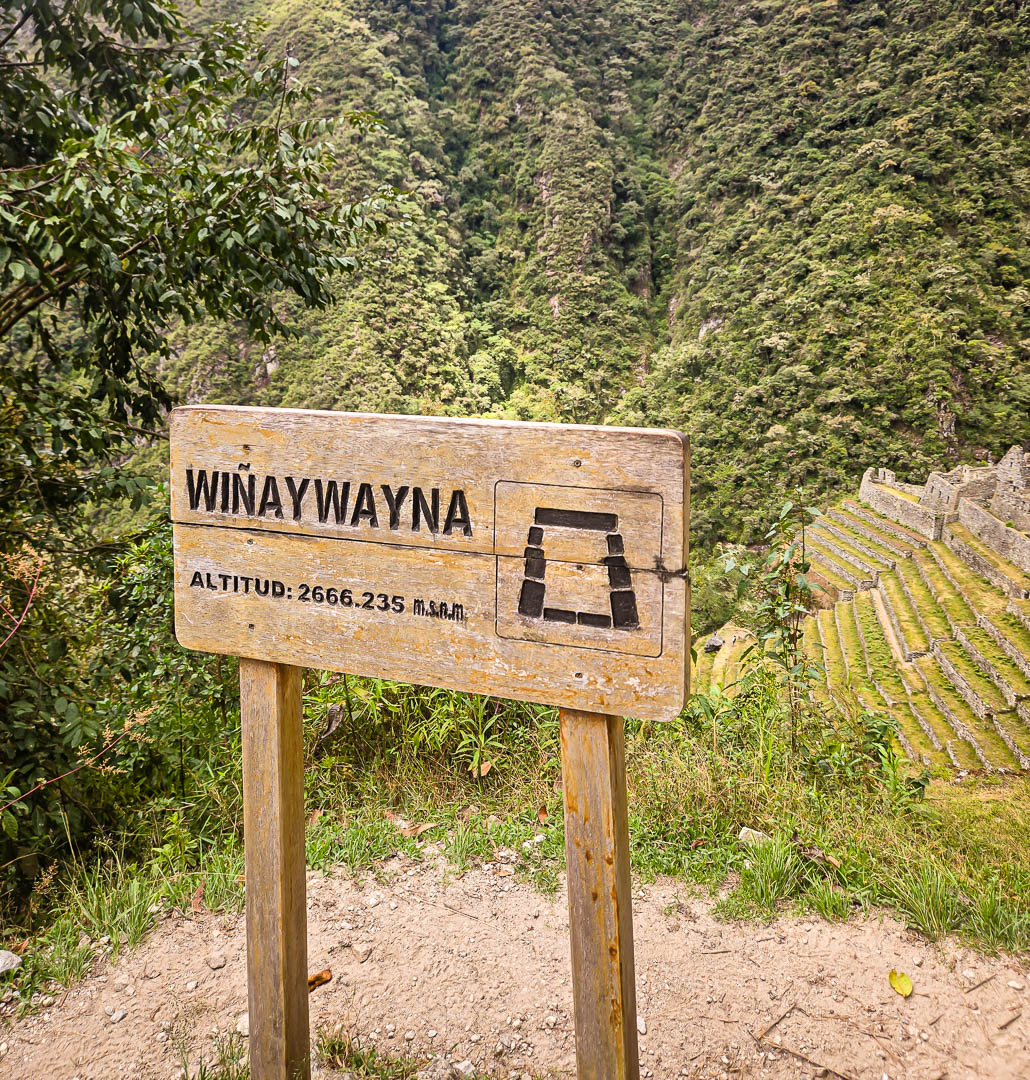
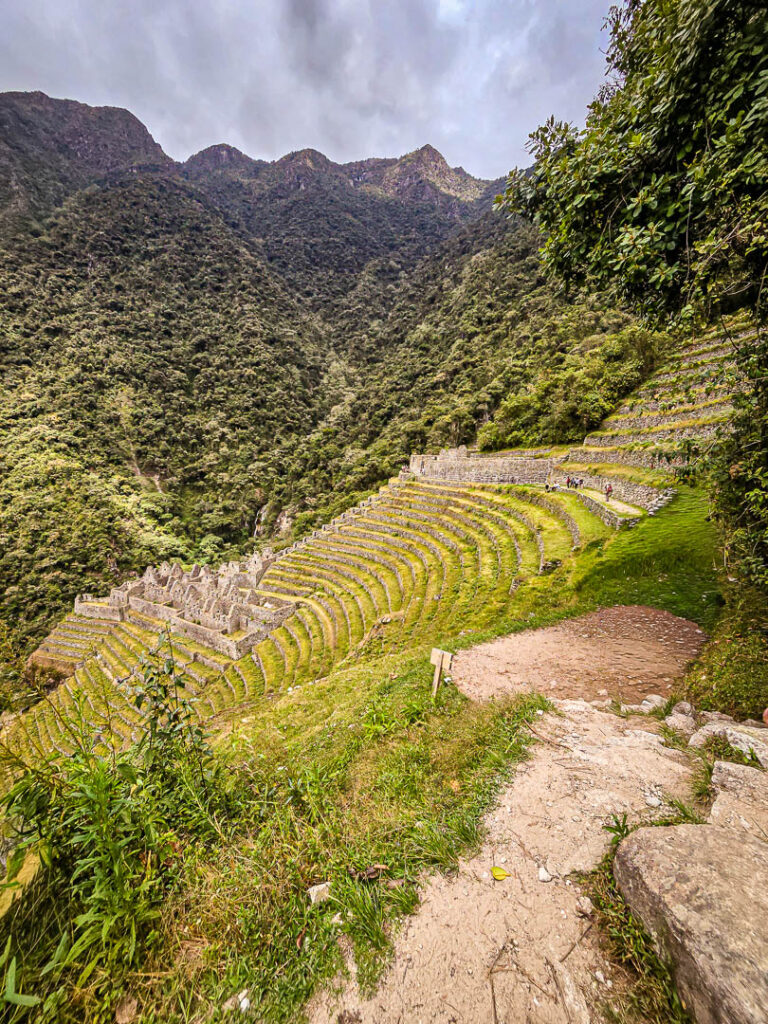
Just a short distance from the campsite sat the Inca site of Wiñay Wayna, often called the “jewel” of the Inca Trail. The name means “Forever Young,” after the orchids that bloom year-round in the surrounding cloud forest. Built in the 15th century under Emperor Pachacuti, the site features dramatic agricultural terraces, residential complexes, and a steep staircase lined with ceremonial fountains.
The ruins were massive and tempting to explore, but we didn’t have time to descend into the complex. A few photos from above, then we pushed on toward Intipunku, the Sun Gate.
The Sun Gate and the Final Approach
As we neared the Sun Gate, the trail narrowed and hugged the mountainside. We walked with purpose, knowing we were close.
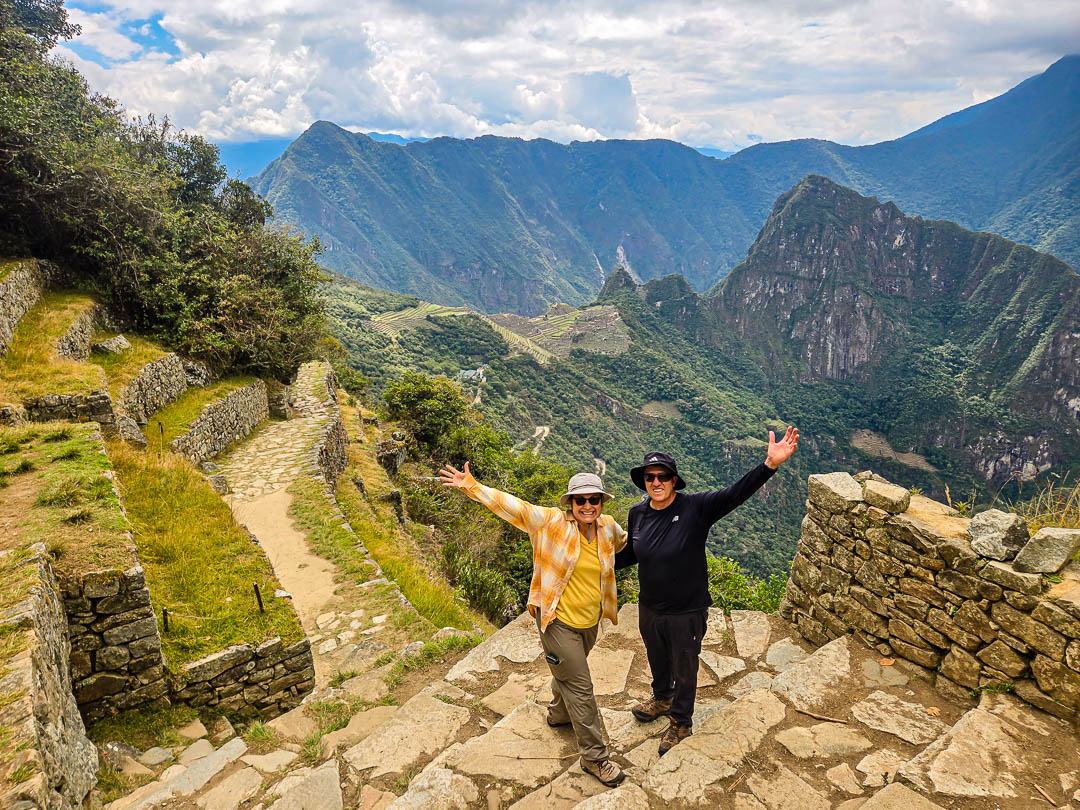
Finally, we reached the base of the steep stone staircase leading up to Intipunku. These steps were uneven even by Inca standards, varying heights and depths that required careful footwork, sometimes climbing on all fours to navigate the ascent.
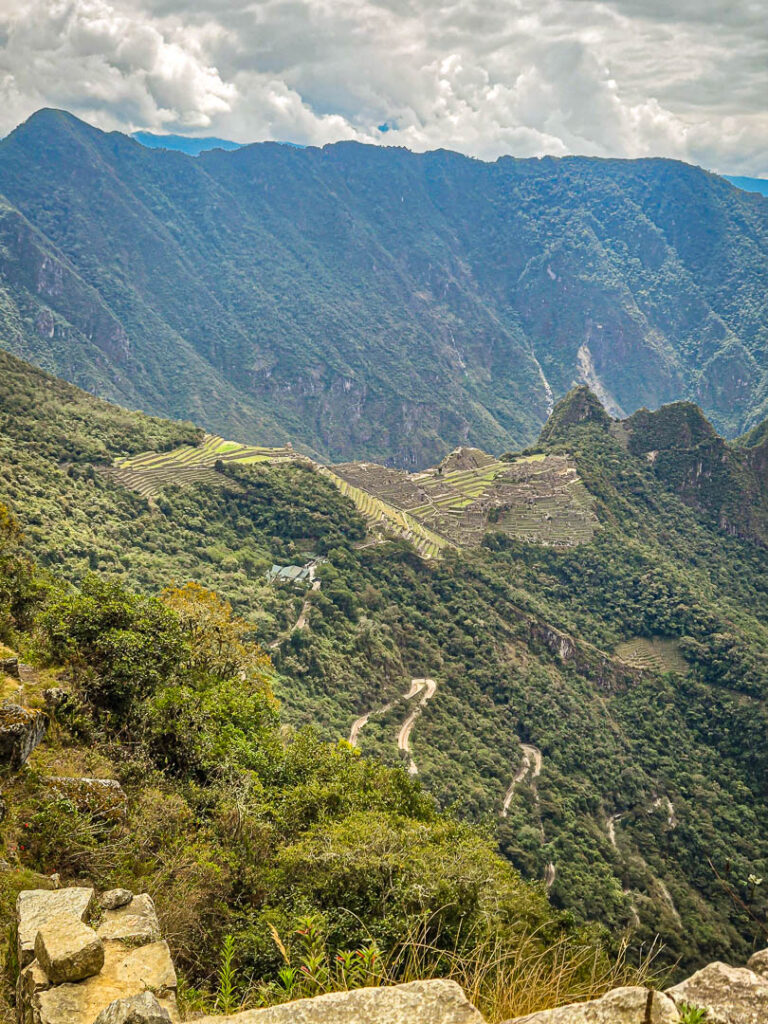
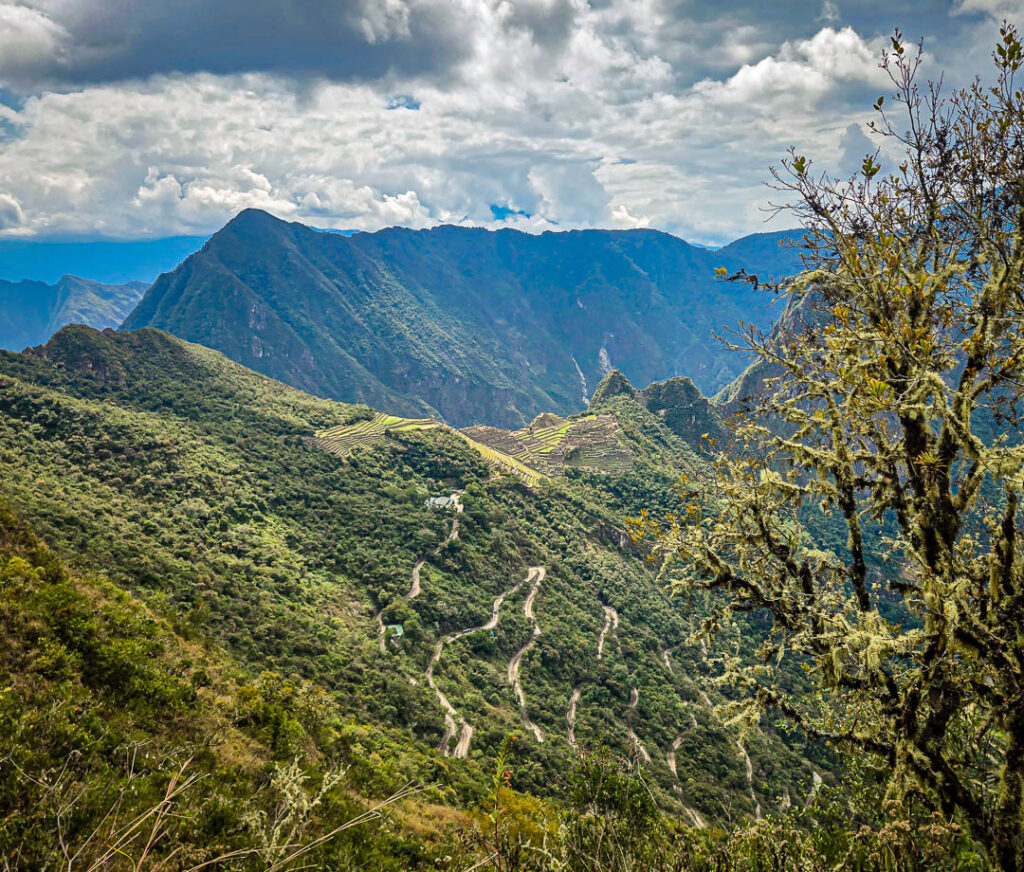
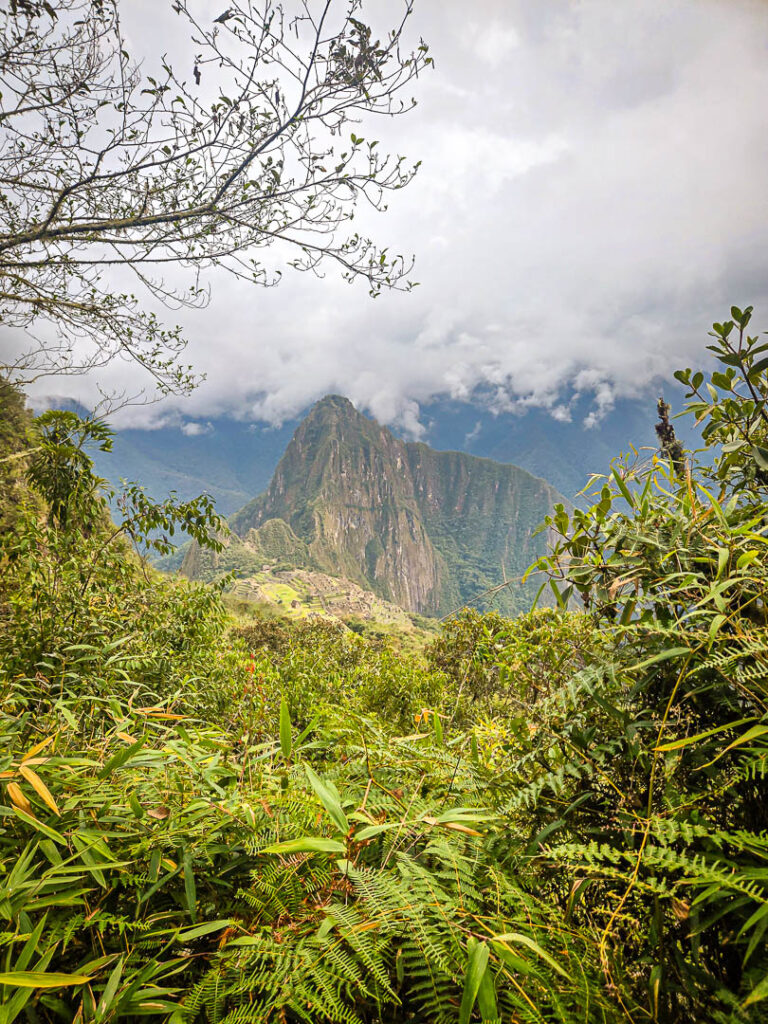
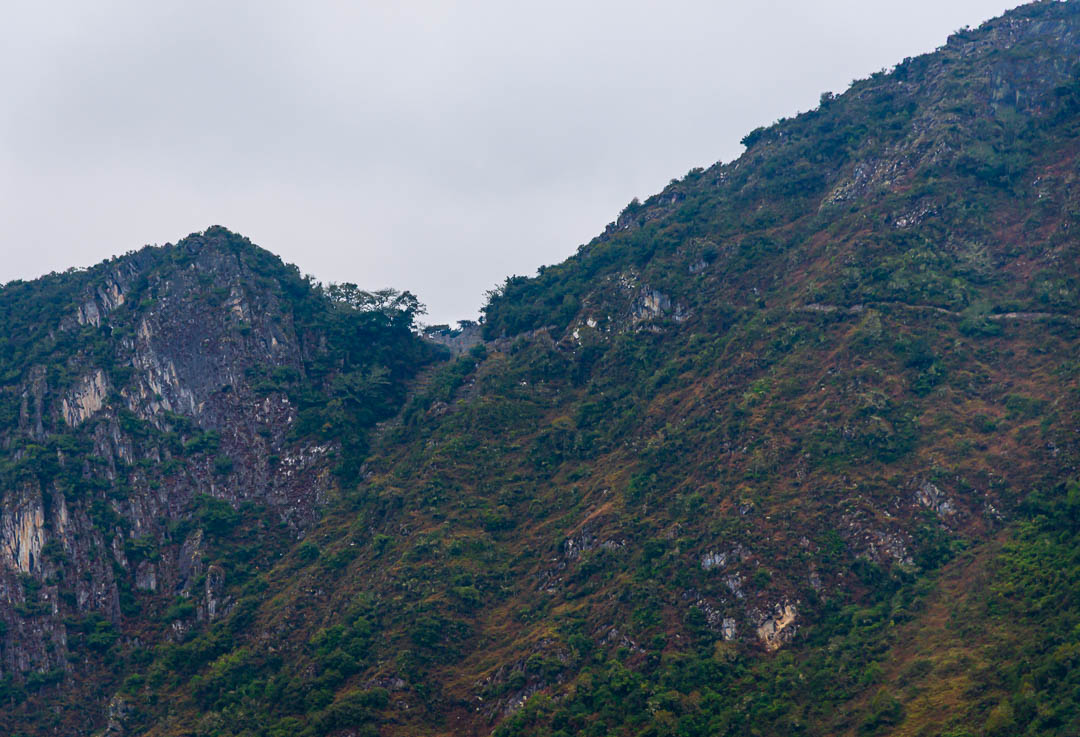
Reaching the top was thrilling and overwhelming. Machu Picchu appeared in the distance, the afternoon sun catching the edges of its stone structures. This was the moment to take it all in.
Now, all that remained was the final 30-minute descent.
Walking Into Machu Picchu
From the Sun Gate, the trail dropped down into Machu Picchu itself. We felt like rock stars making our entrance, exhausted, sweat-soaked, packs hanging off our shoulders. Day‑trippers watched us with a mix of curiosity and concern, clearly wondering who these disheveled hikers were and what we’d just been through.
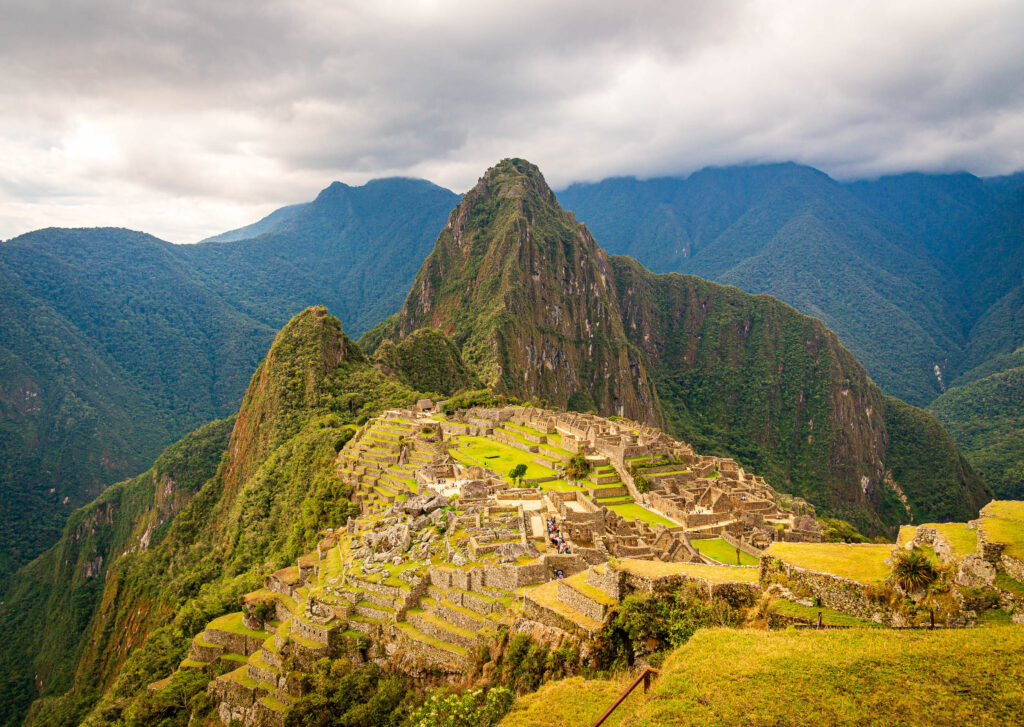
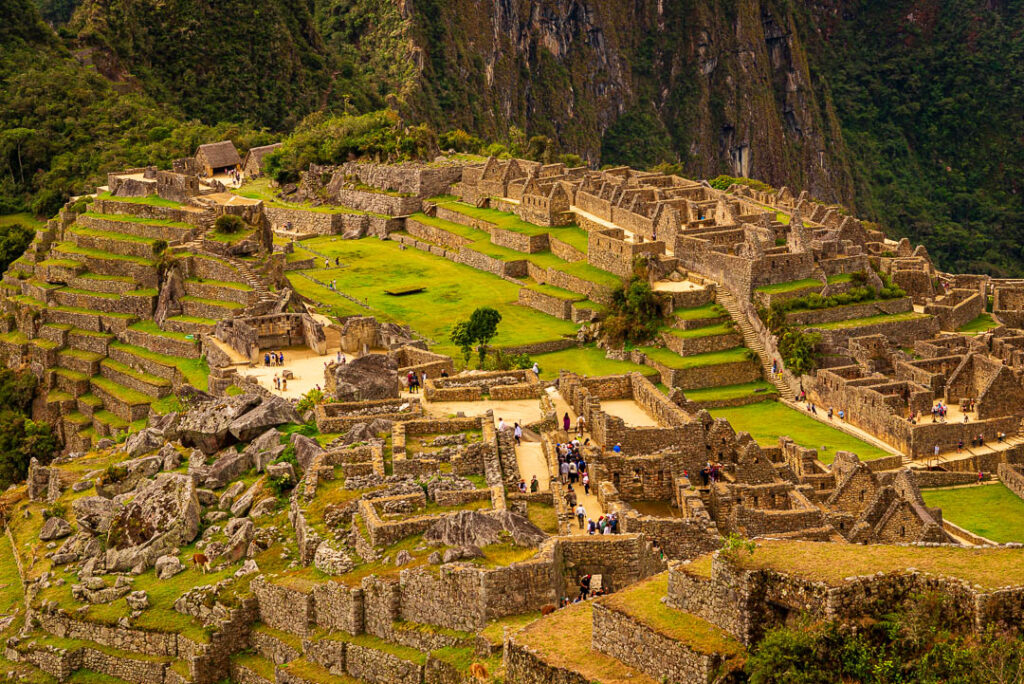
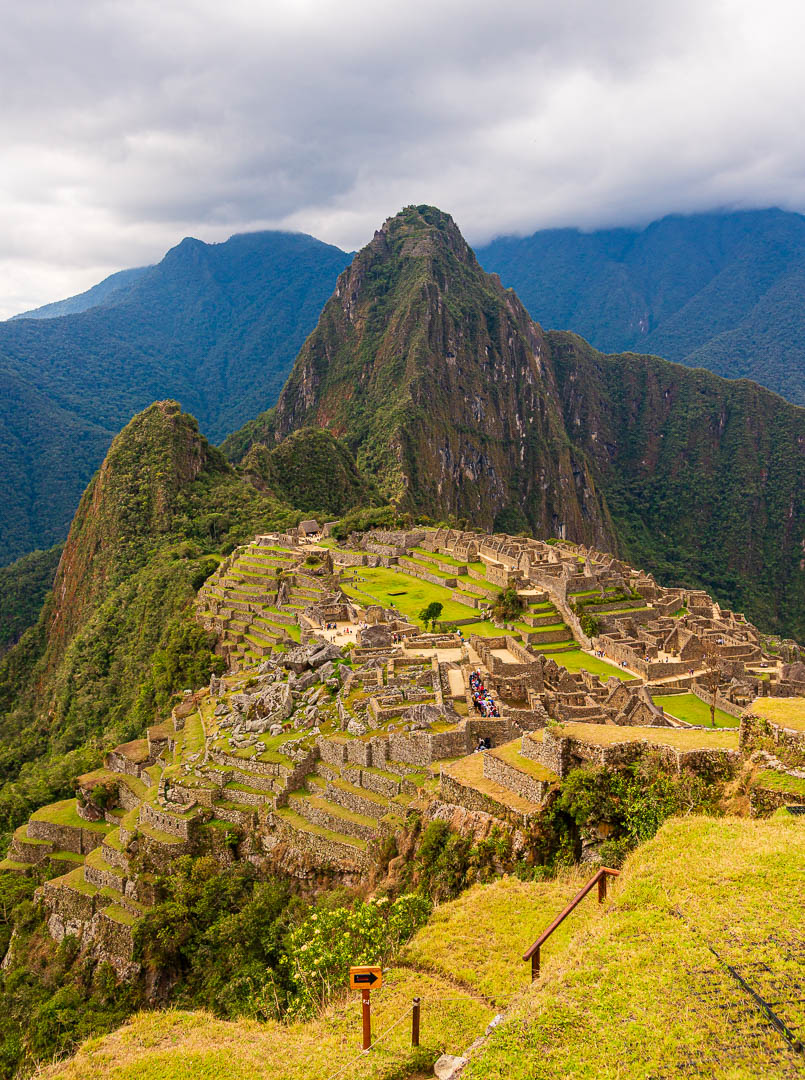
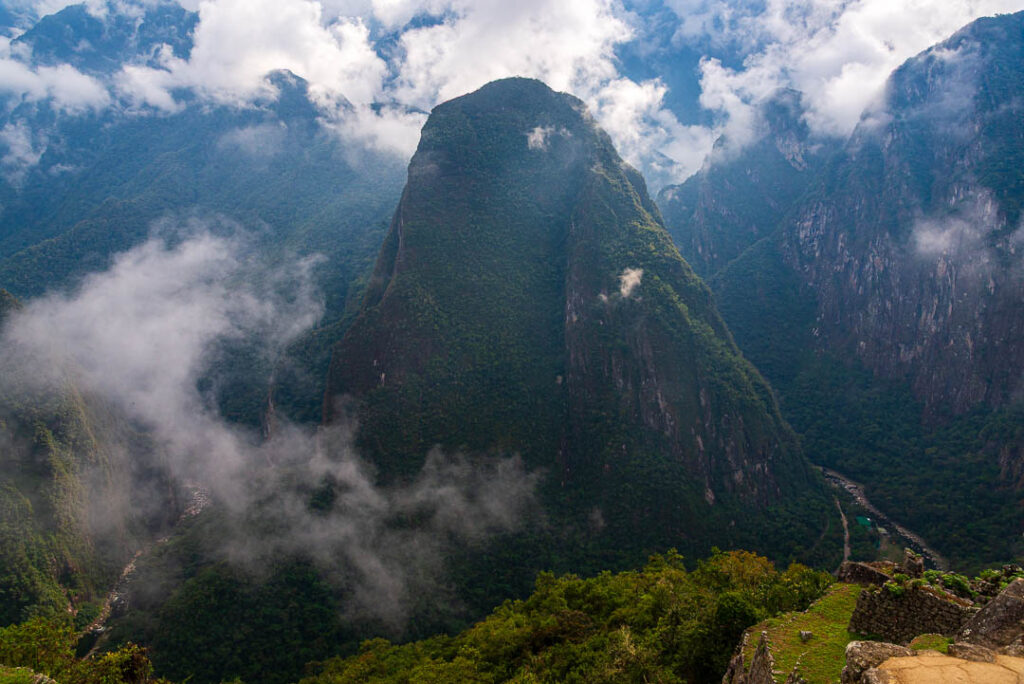
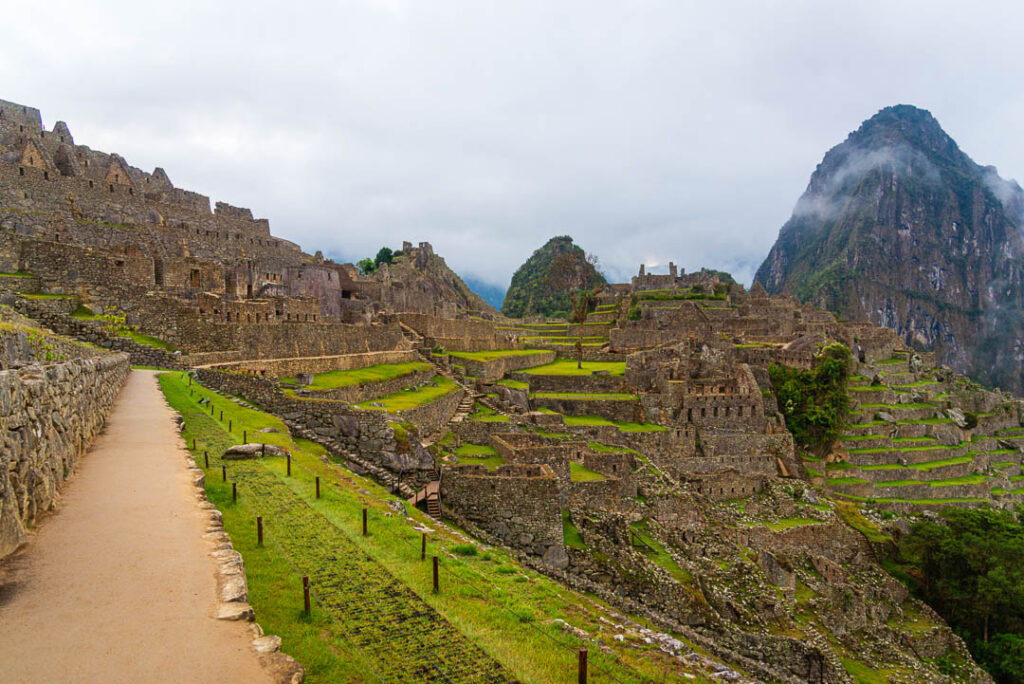
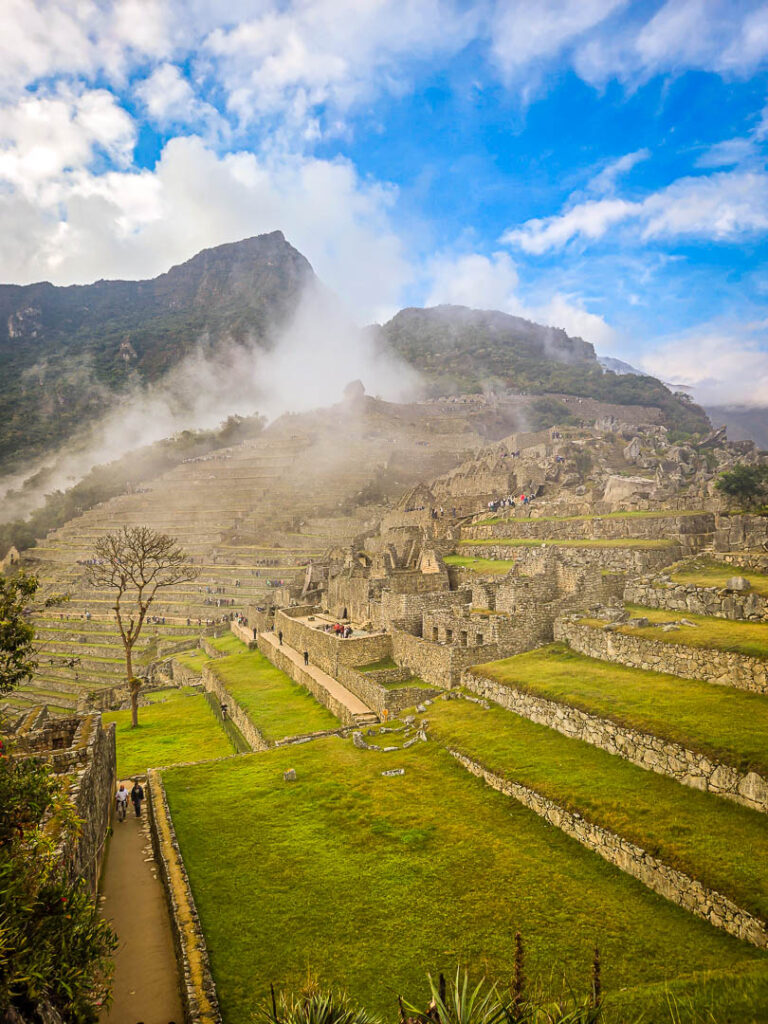
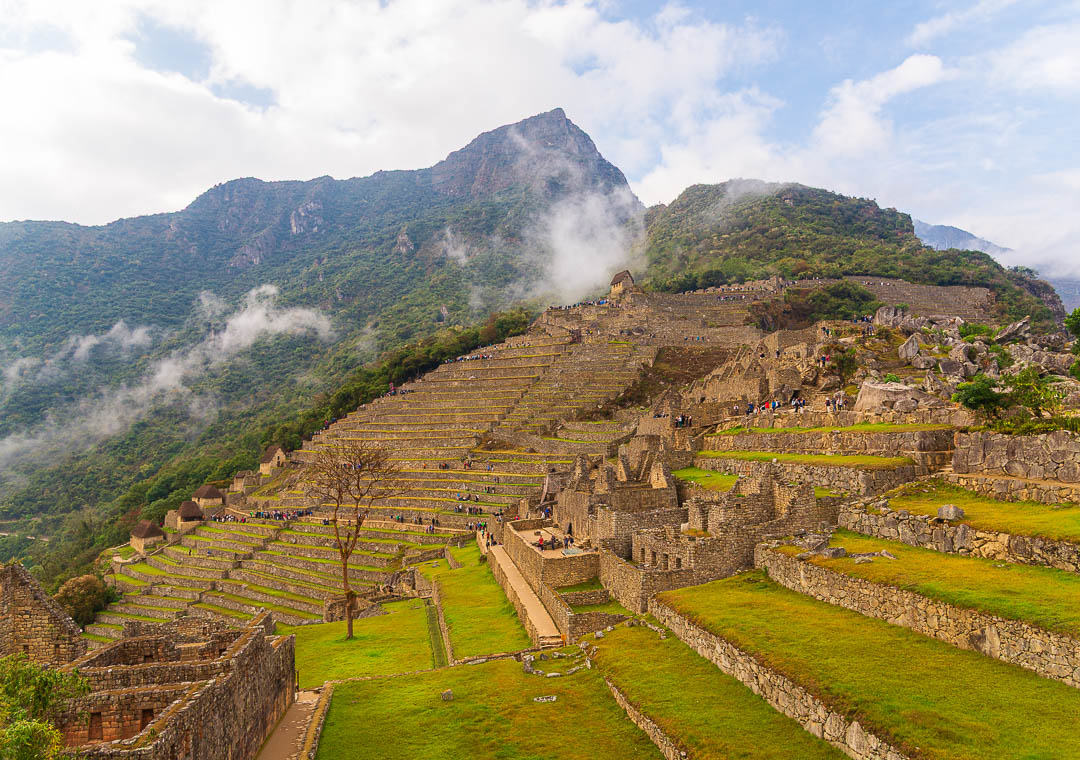
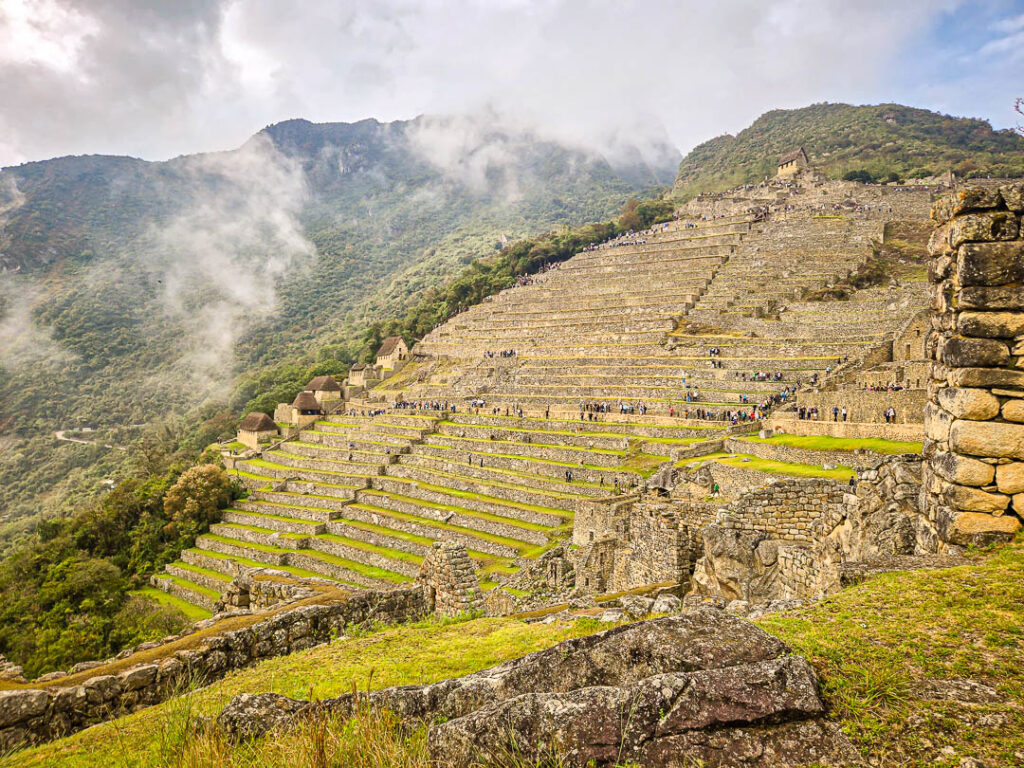
Yiyo led us straight to the Guardian’s House on the upper terraces for the iconic panoramic shot, the full ruins spread below with Huayna Picchu mountain rising in the background.
The area was packed with people all wanting the same iconic photo. What stood out was how many, mostly women, were dressed up and posing ten different ways, checking every shot. One defeated boyfriend looked completely over it. He just didn’t care anymore.
Our tour included a fifth day to return and explore Circuit 3, but for now, we were done. We boarded the shuttle bus down to Aguas Calientes, dreaming of hot showers, real beds, and dinner in town.
Aguas Calientes: The Gateway Town
The shuttle ride down was a blur. After 15 minutes of fighting to keep our eyes open, we arrived. Yiyo walked us to our hotel and told us where to meet for dinner. After a hot shower and clean clothes, we were ready to explore.
Aguas Calientes, officially Machu Picchu Pueblo, began in 1901 as a tiny settlement supporting railway construction between Cusco and Santa Ana. Named for its natural hot springs, it evolved from a rustic outpost into the main gateway for Machu Picchu visitors after the site’s rediscovery in 1911. The railway’s completion in 1931 cemented the town’s role, and it was formally recognized as Machu Picchu Pueblo in 1941. Since the 1970s, tourism has transformed it into a bustling, car-free hub accessible only by train or on foot.
Before dinner, we checked out the artisan market next to the train station. Dozens of stalls sold textiles, ceramics, and souvenirs. Fair warning: the shopkeepers don’t bargain much. Prices are pretty fixed, but you can try your luck.
Dinner with the Team
It was strange seeing everyone cleaned up. Yiyo without his signature buff and sunglasses looked like a different person. Dinner was included in our tour and surprisingly good. Afterward, it was an early night, we had a 4:30 AM wake-up call to check-out and catch the shuttle back up to Machu Picchu.
Day 5: Machu Picchu Circuit 3
Despite the hotel bed and hot shower, sleeping was a struggle. Somehow, we both managed a few hours. After the early wake-up call, we checked out and headed to the shuttle buses.
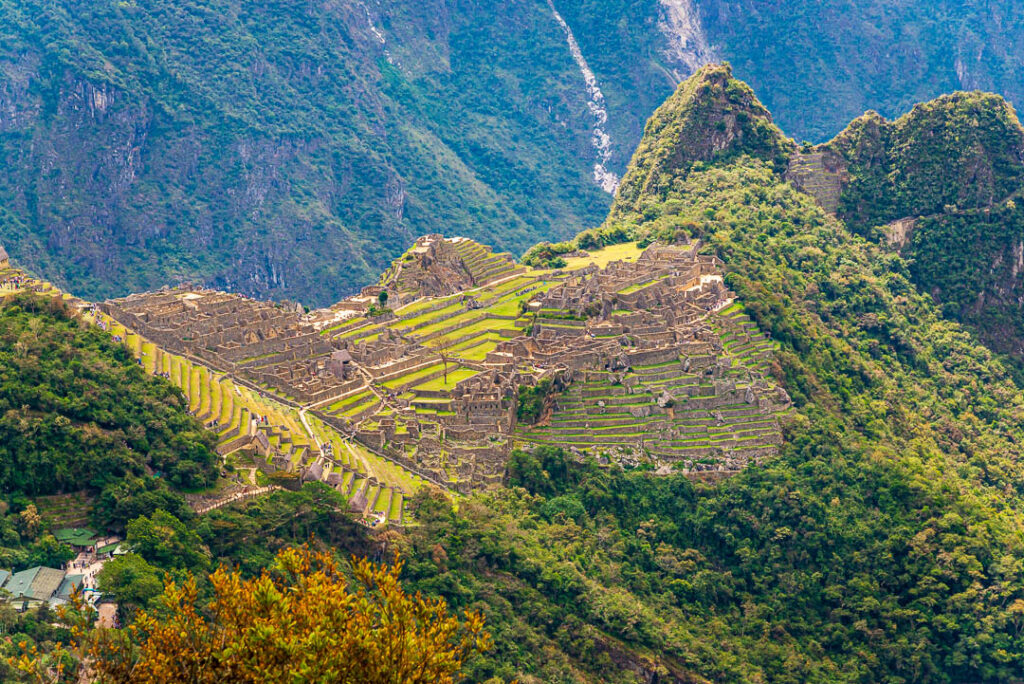
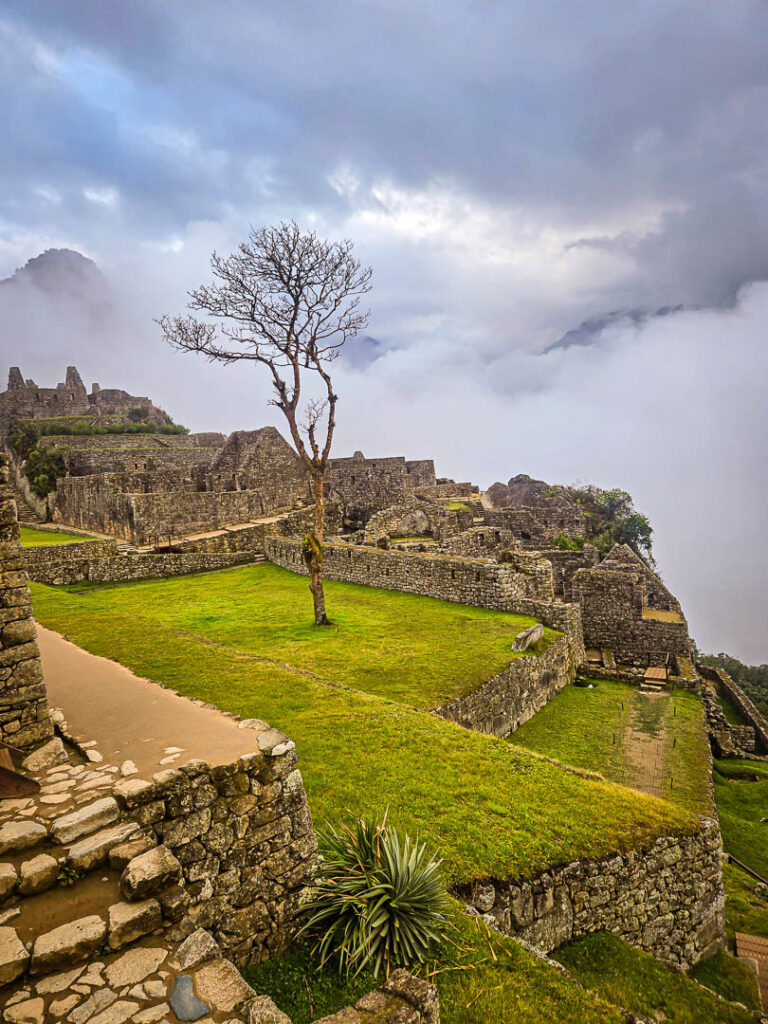
The 15-minute ride to the entrance was scenic, hard to imagine the entire area was once buried under vegetation. Once we arrived, the pace was relaxed. Yiyo guided us through Circuit 3, explaining the different areas and their significance. One story stood out: the helicopter and the monolith.
The Helicopter Incident
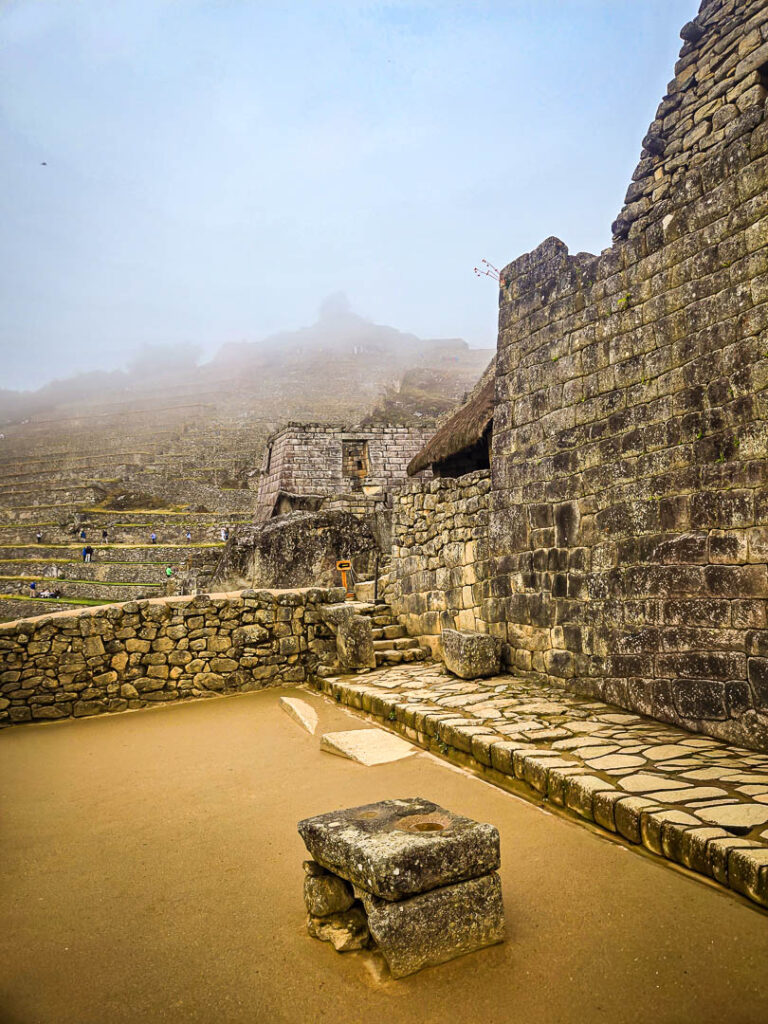
Few visitors know that Machu Picchu once hosted helicopter landings right in the Main Plaza. In 1978, the Peruvian government removed a large ceremonial monolith from the plaza’s center to make room for a helicopter carrying Spain’s King Juan Carlos I and Queen Sofía. A decade later, the stone was removed again for a meeting of Latin American leaders, this time breaking apart during the process.
The damaged monolith was eventually buried. The incident sparked widespread criticism from archaeologists, including Dr. Manuel Chávez Ballón, Machu Picchu’s resident expert. The controversy ultimately led to today’s strict no-fly zone over Machu Picchu, ensuring helicopters can no longer land except in true emergencies.
Circuit 3 The Royalty Route
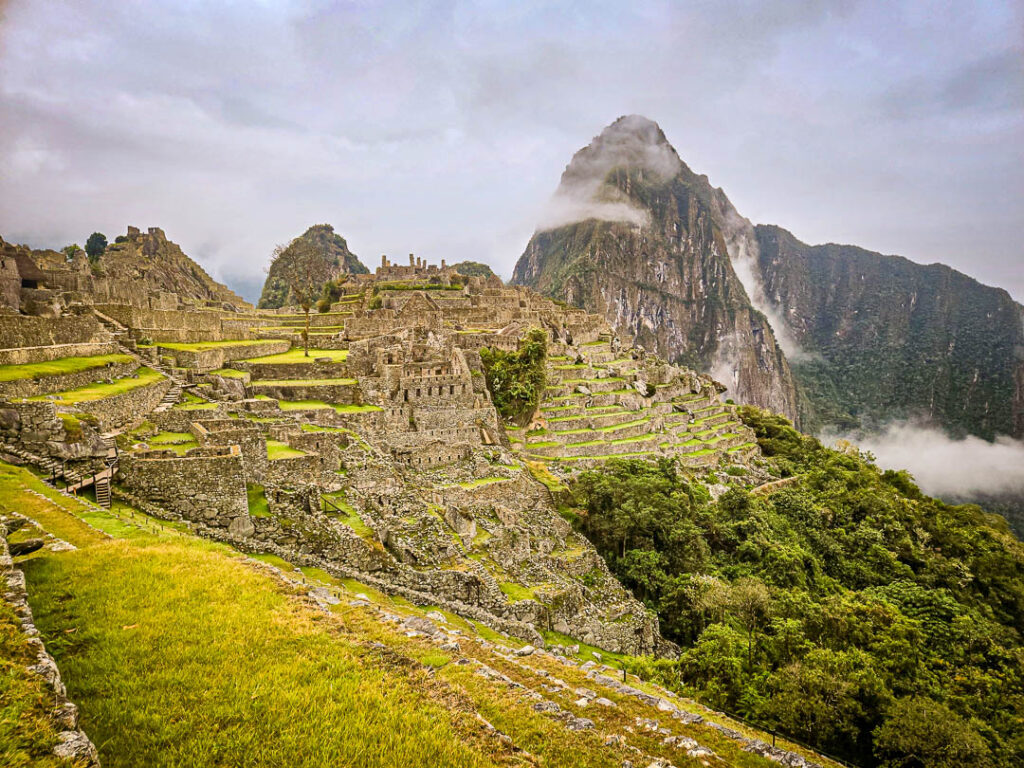
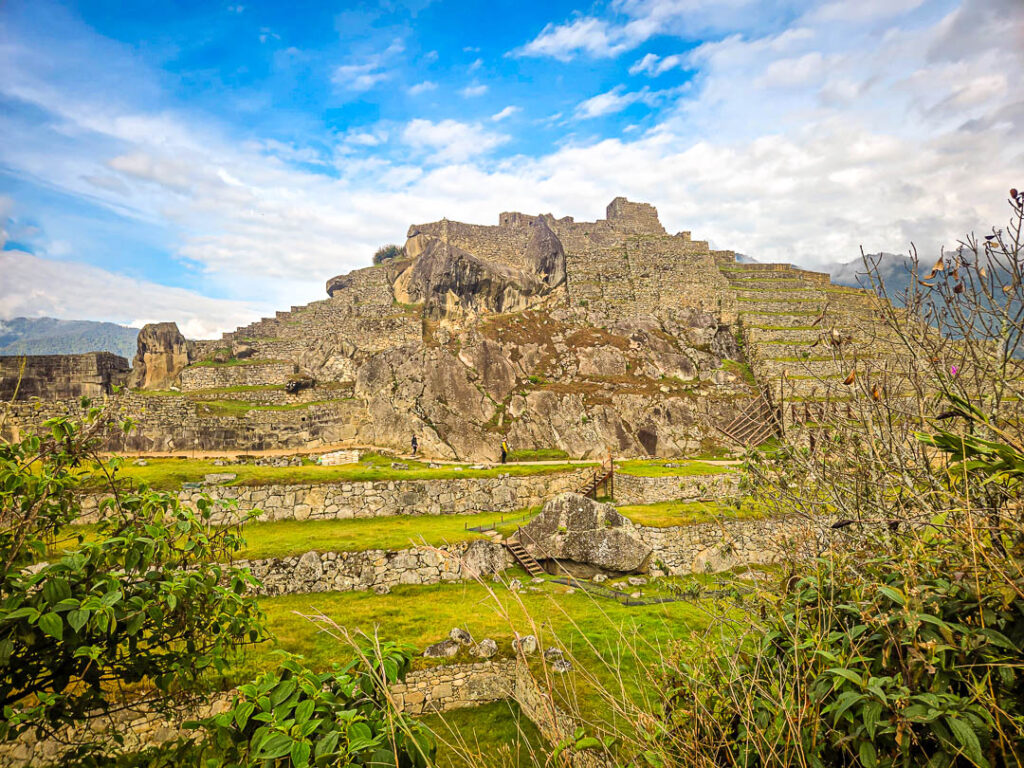
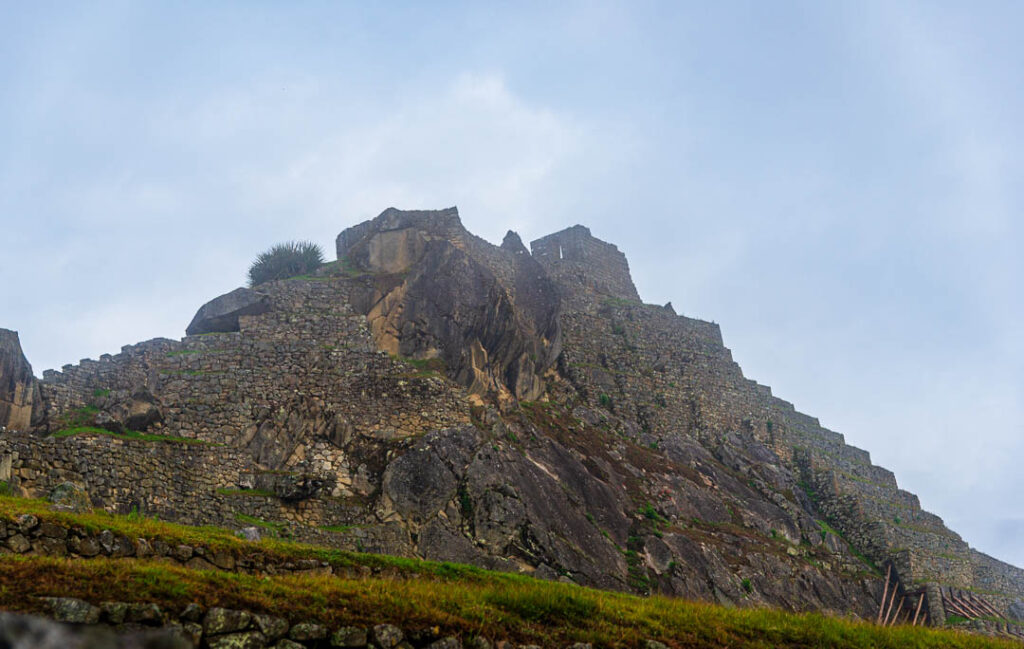
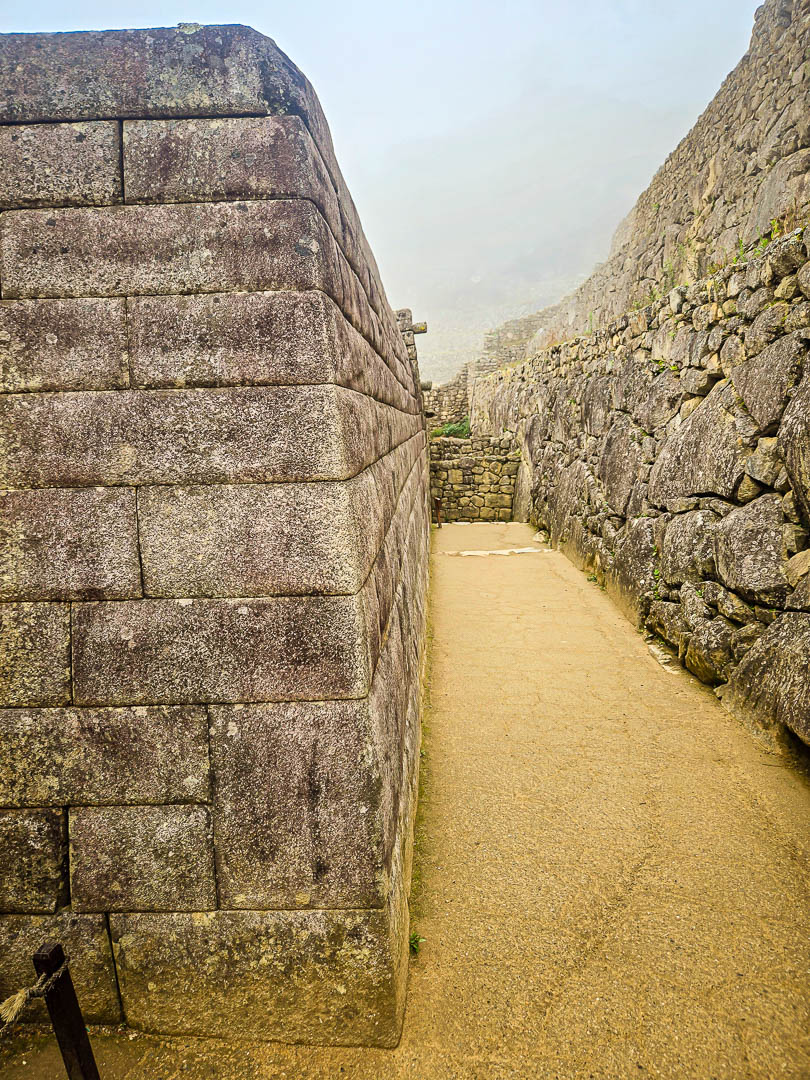
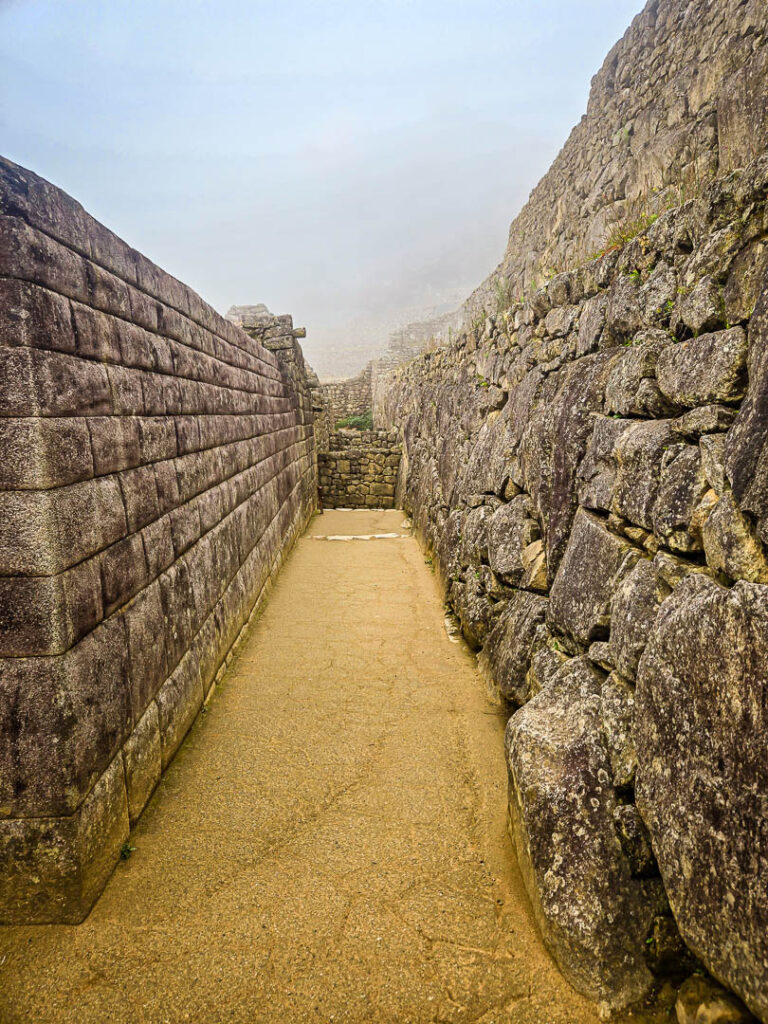
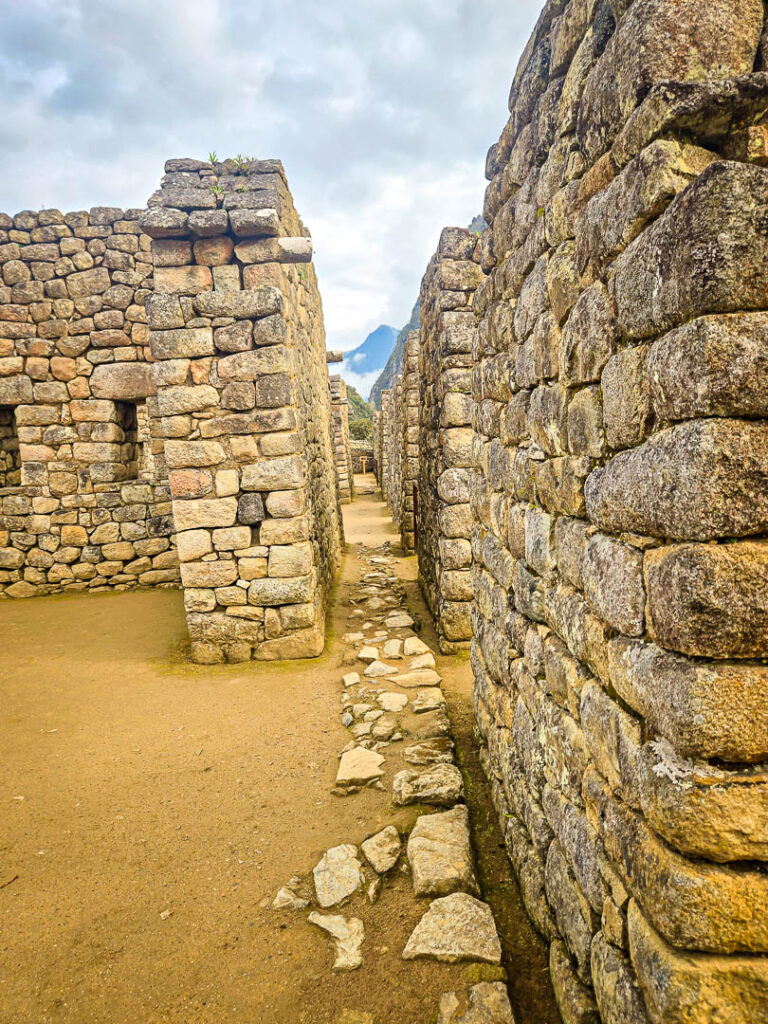
Circuit 3 takes you through the lower archaeological sector, offering a quieter, more intimate look at Machu Picchu’s ceremonial and residential areas. Instead of the classic postcard viewpoint, this route focuses on the temples, terraces, and urban spaces that reveal how the Incas lived and worshipped.
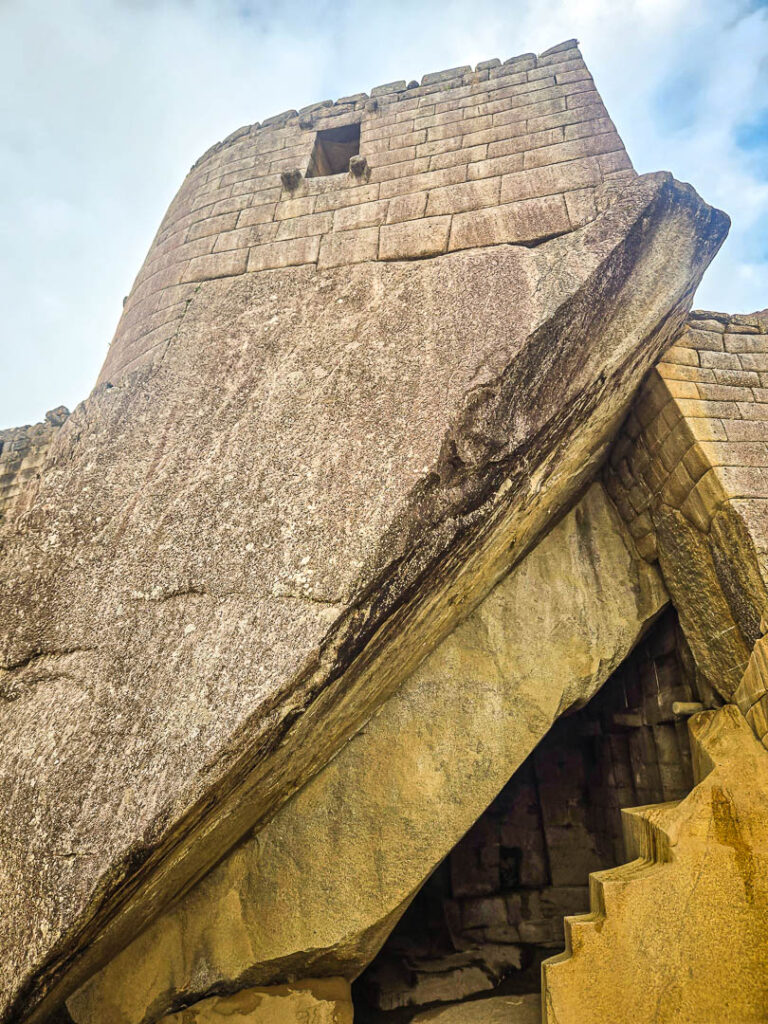
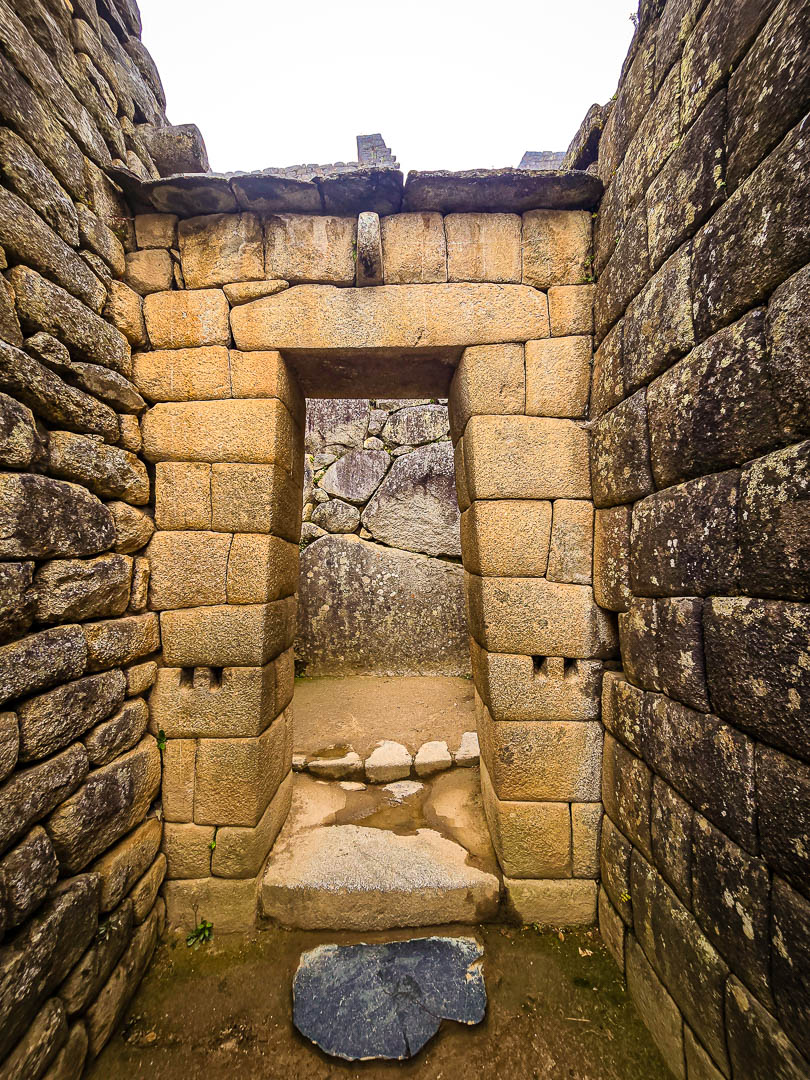
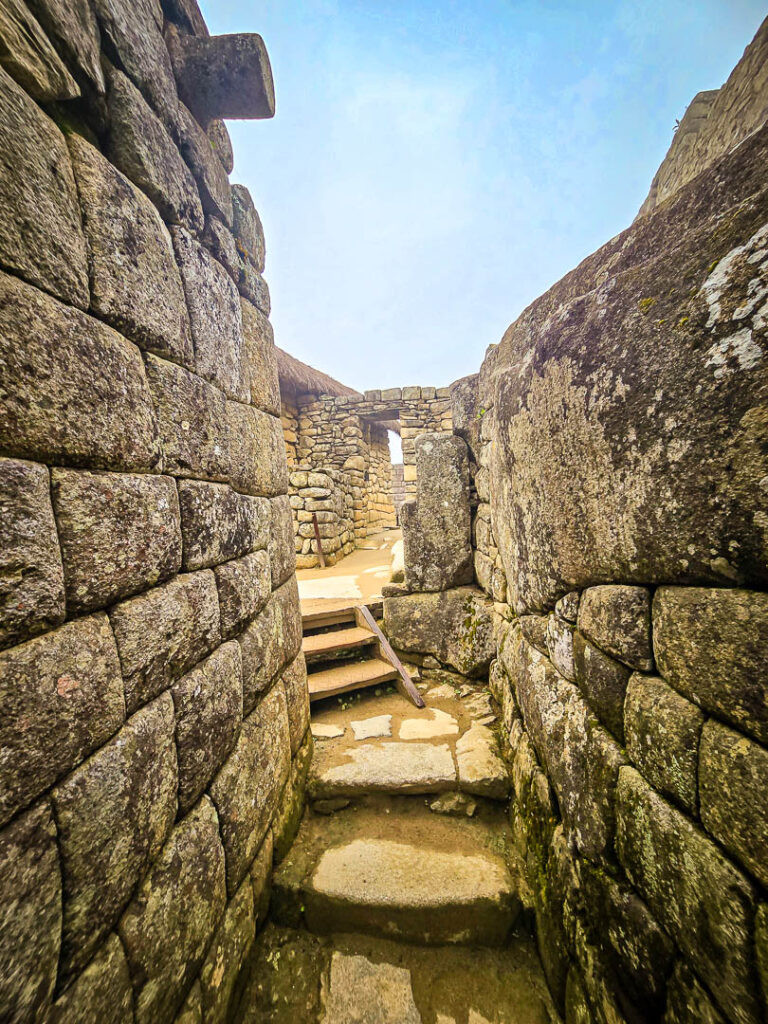
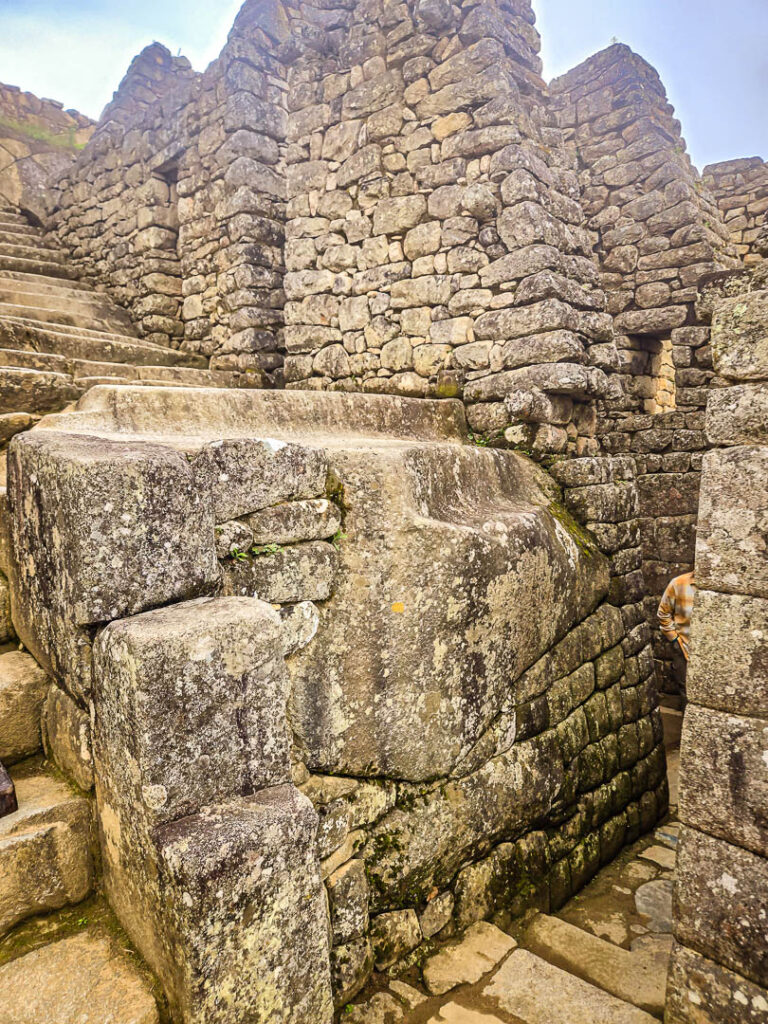
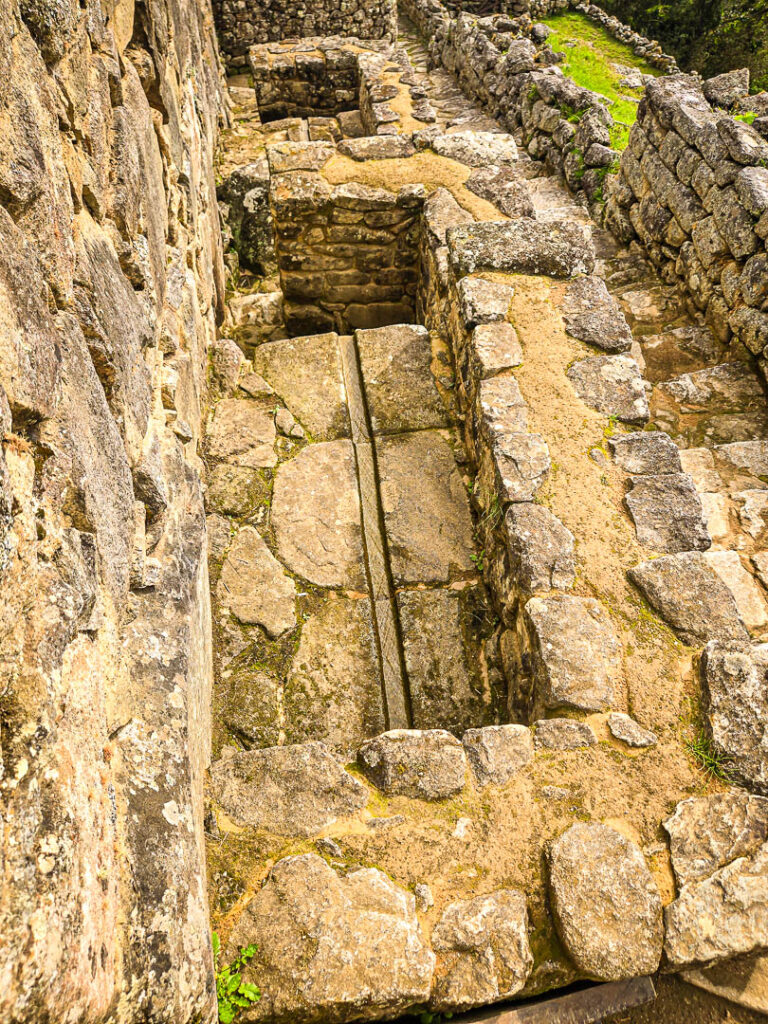
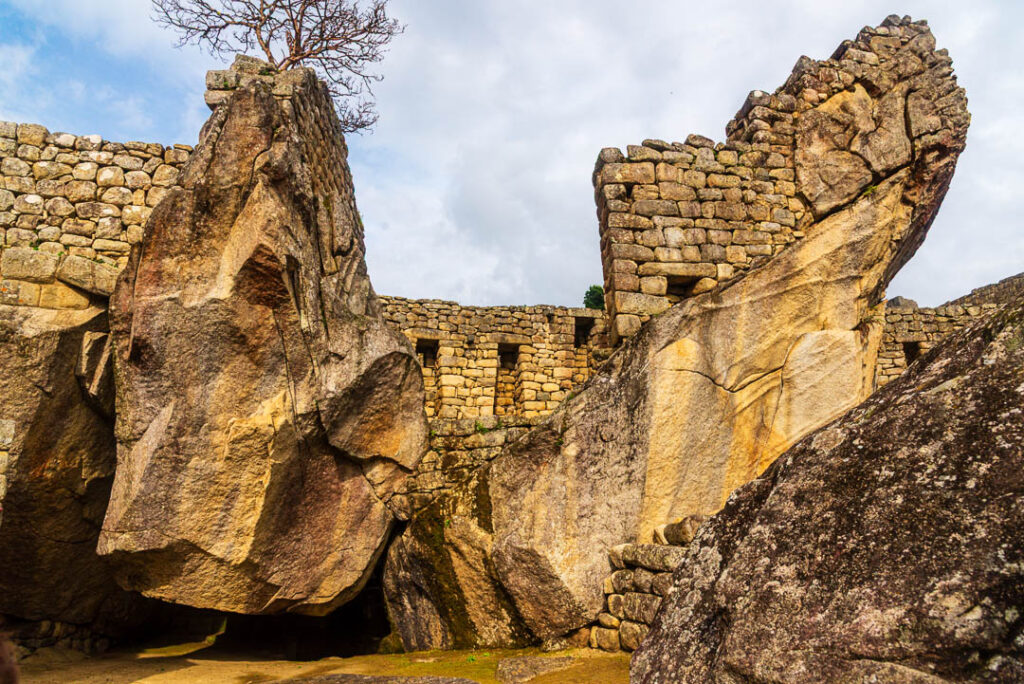
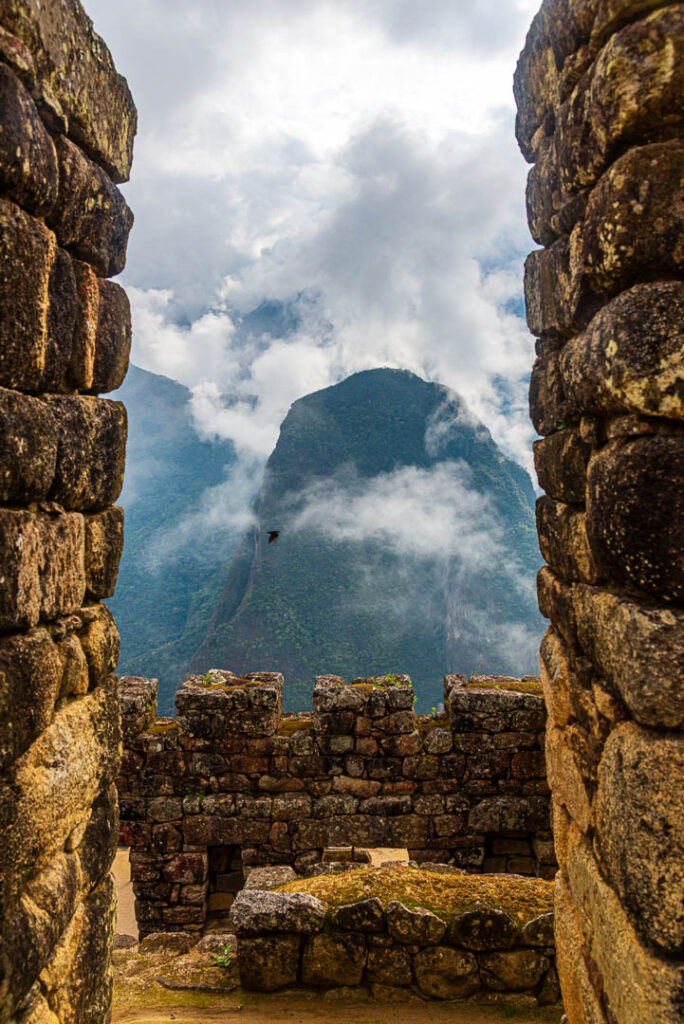
Along the way, we explored the Temple of the Condor, the ceremonial fountains, and the lower noble residences, all showcasing the Incas’ masterful stonework and water engineering. Circuit 3 also provides access to the trailheads for Huayna Picchu, Huchuy Picchu, and the Great Cavern/Temple of the Moon.
With fewer crowds and a ground-level perspective, this circuit let us slow down and experience Machu Picchu the way the Incas themselves might have moved through it.
Machu Picchu Mountain Hike
Our final trek was the Machu Picchu Mountain hike. Regrettably, I booked it from the comfort of my couch, fully convinced that by the end of the Inca Trail we’d be seasoned mountaineers. Not even close. We made it about halfway up before realizing we were absolutely cooked. So we turned around, headed back down, to Augas Calenties
Lunch at Chef’s House
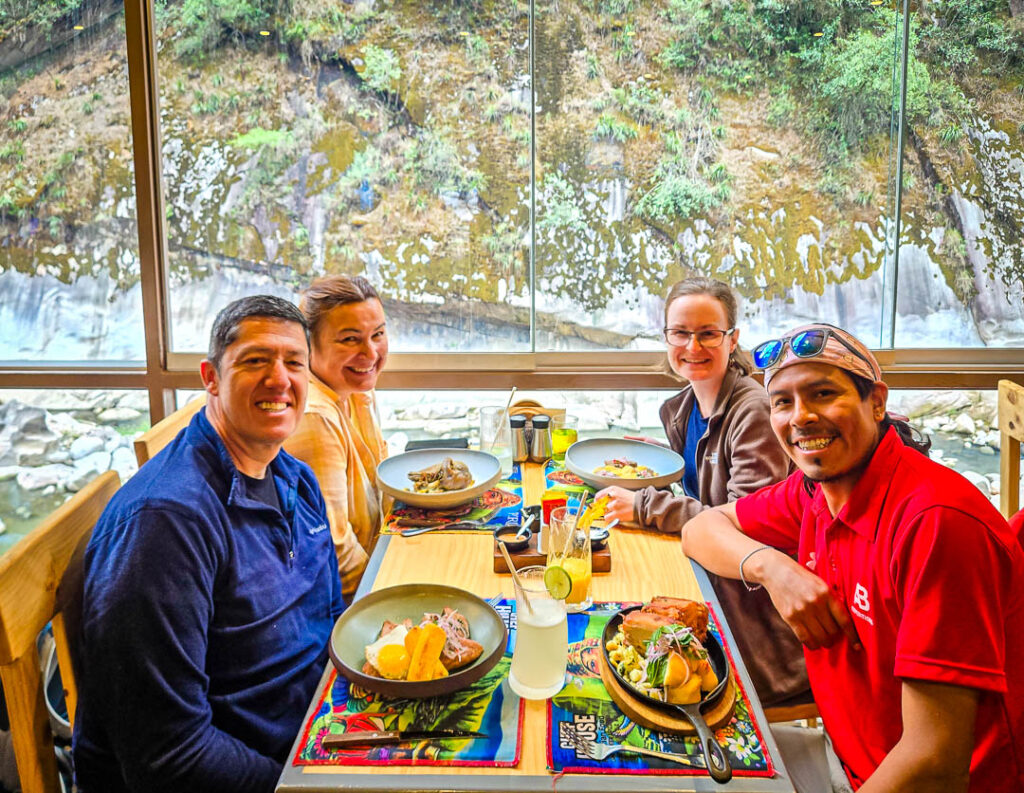
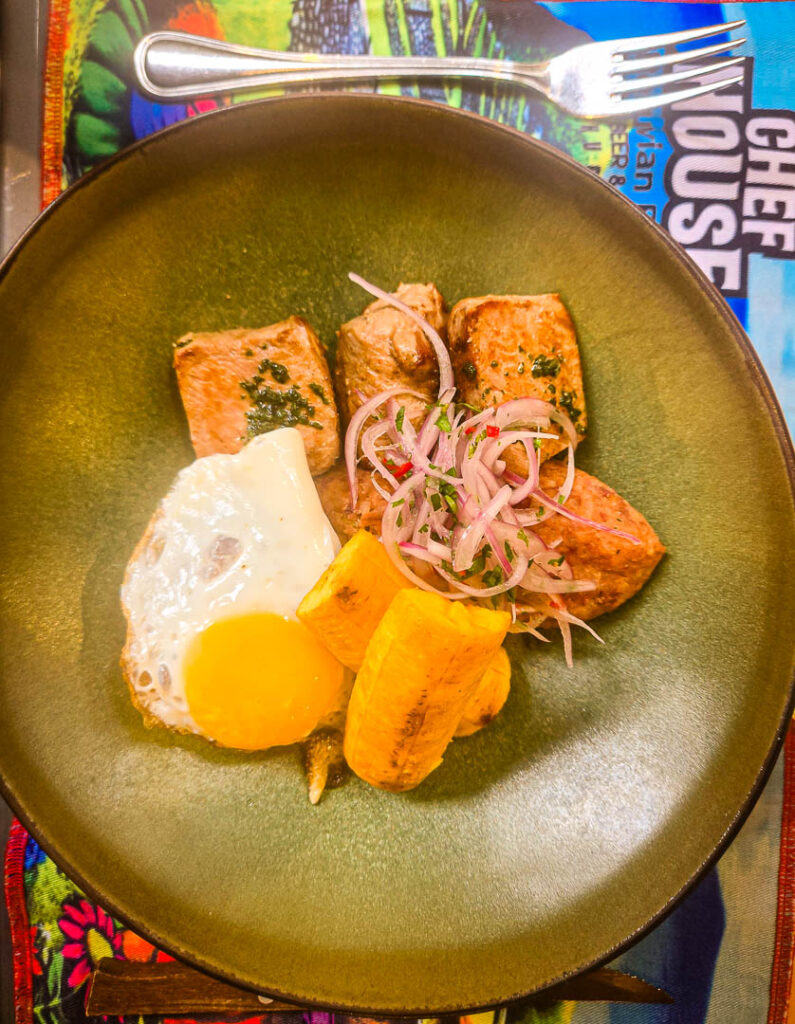
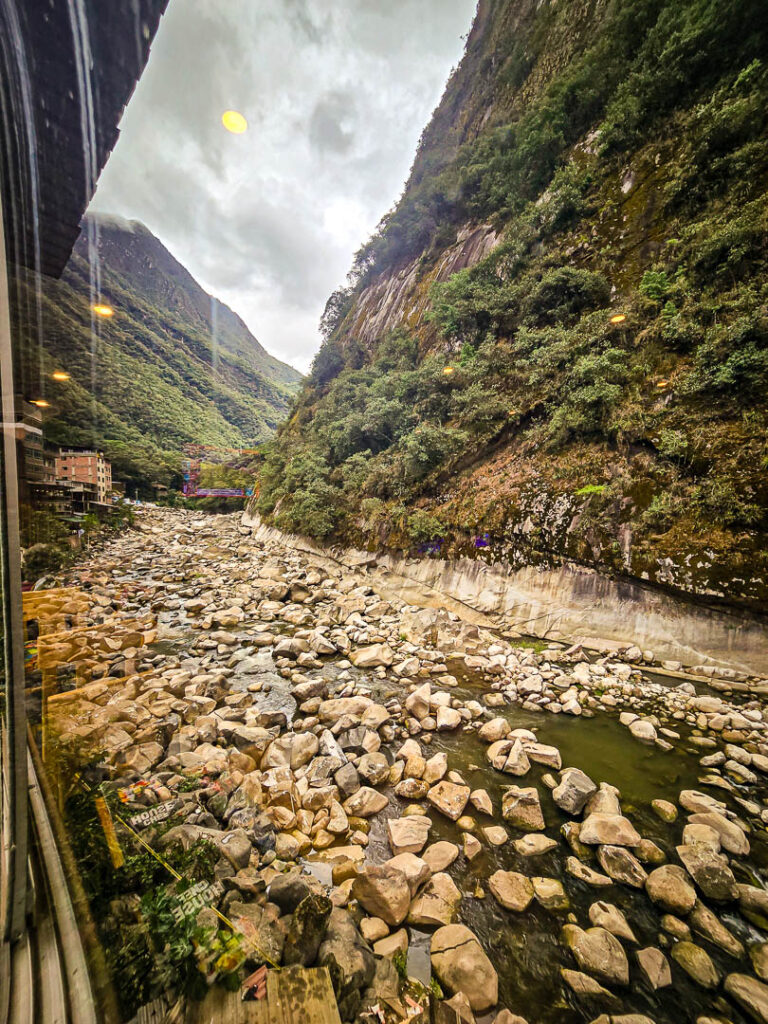
For our final meal together, we sat down to a special lunch at Chef’s House, a perfect spot overlooking the river and its white‑washed rocks. It was a chance to unwind, share stories from the trail, and enjoy one last moment with the group. After lunch, it was time to begin the journey back to Ollantaytambo and then on to Cusco for our final three days.
Reflections
The Inca Trail is part physical and part spiritual. Everyone starts in the same place, but each person finishes with a different perspective, shaped by the mountains, the history, and the sheer effort it takes to get there.
The trek eventually narrowed down to essentials: breath, water, and the next few steps. By the time we reached the Sun Gate, the exhaustion no longer mattered. What mattered was completing it and the connections we’d made, to the landscape, to the people who built this trail, and to the small group who walked it with us.
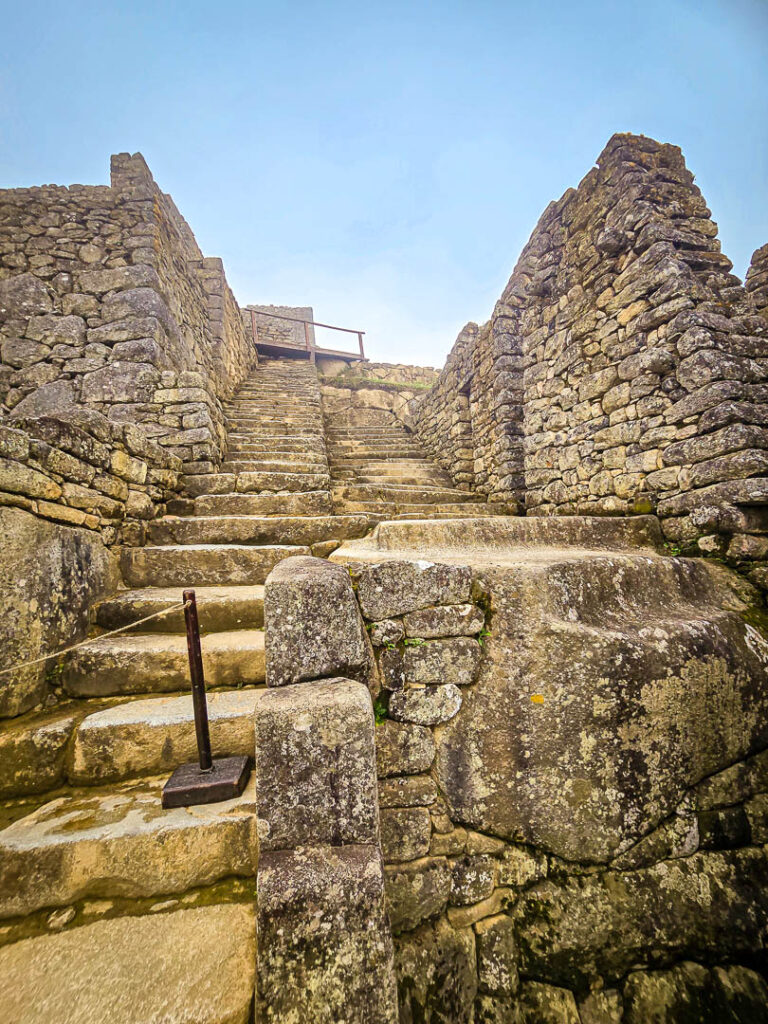
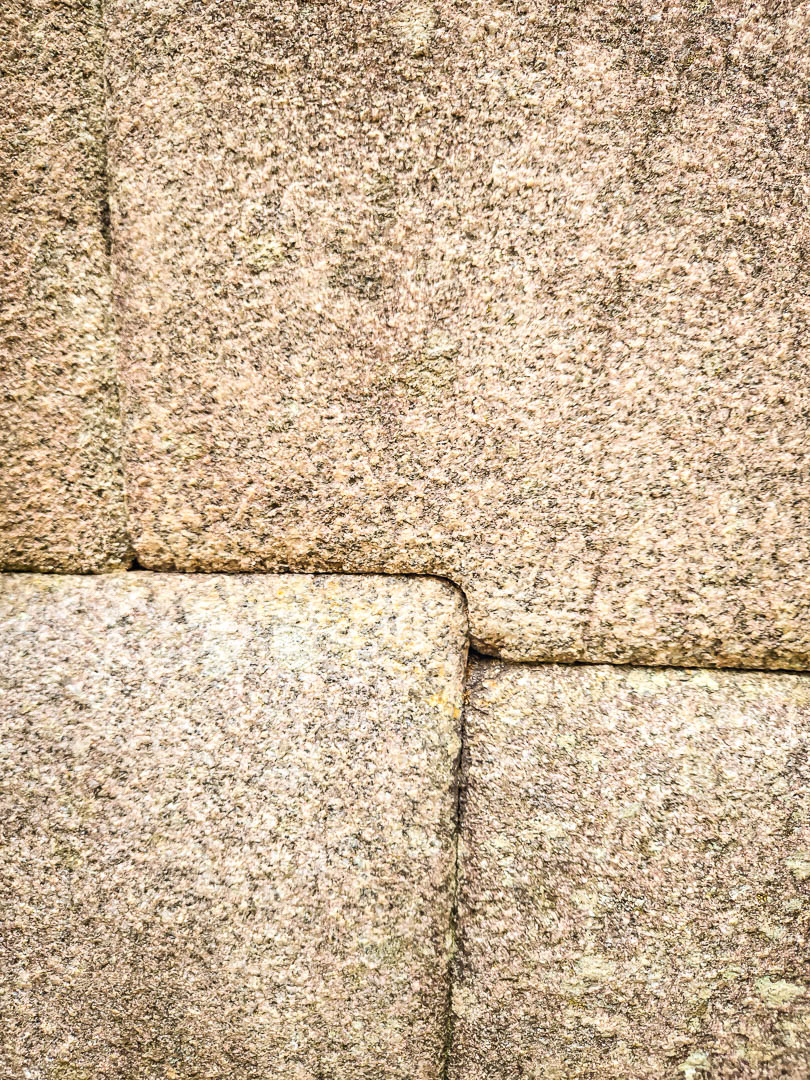
The trail forces you to notice details you’d normally miss: the precision of the stonework underfoot, terraces carved into impossible slopes, clouds drifting through the valleys. It’s a venture well worth your time.
Essential Inca Trail Tips from Our Trek
- Acclimatize in Cusco for at least 5 days before starting
- Upgrade to a thicker sleeping mat or invest in a Therm-a-Rest; ground surfaces can be unforgiving
- Consider a travel pillow, we used our duffel bags, not comfortable
- Pack lighter than you think, every ounce matters on the climbs
- Bring a strong headlamp for nighttime camp navigation
- Avoid overeating on the trail – food will be plentiful, and easy to consume more calories than you need
- Day 2 (Dead Woman’s Pass) is the highest, but Day 3 has the most elevation change
- Downhill sections require as much focus as the climbs
- You’re most likely to lose your footing on the descent.
- Trekking poles are essential (bring your own or rent from your tour company)
- September offers dry weather and fewer crowds than peak season, still lots of people
- Train strikes can happen, stay informed
- Invest in a good day pack
- Break in your boots, months before your trek
- Inti Pata offers the most dramatic views with the fewest crowds
- Circuit 3 at Machu Picchu provides intimate access without the masses, if done early enough
- Hearing the train whistle from Inti Pata was the most reassuring sound of the trek